
Have you ever seen a simple idea grow into a full story when everyone joins in? Interactive writing lets people grab the pen and add their special touch, turning words into something shared and alive. Imagine a teacher, a student, or even a curious onlooker coming together to build one cool, personal narrative. It turns writing into a fun team effort where everyone gets a chance to shine and spark their creativity.
Interactive Writing Fundamentals for Reader Engagement
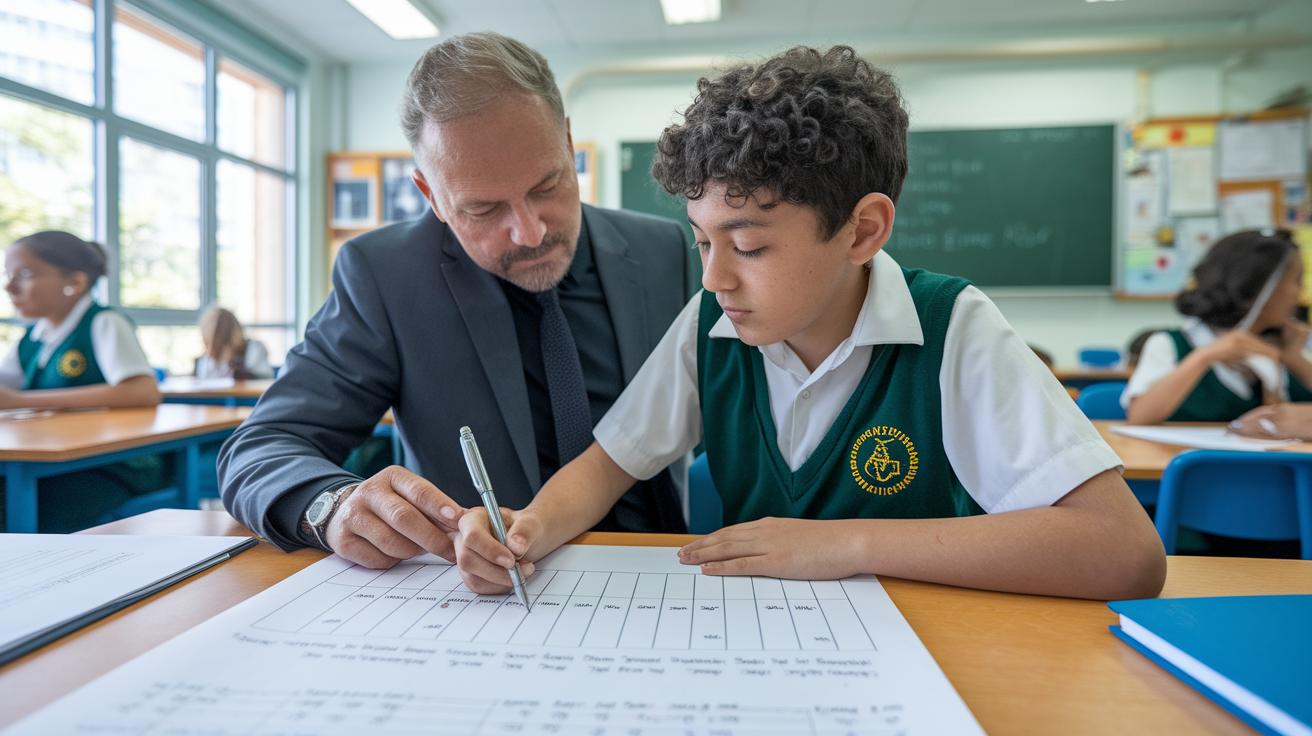
Interactive writing brings words to life by inviting everyone to join in. It’s like a fun group project where teachers, students, and even curious readers work together to create a story. Imagine starting with a little surprising fact, like how before any words were on the page, students quickly jotted down ideas that turned into one awesome shared tale. It’s all about mixing reading and writing in real time, making the whole process feel like a lively, creative adventure.
This style uses what we call a “shared-pen” approach. That means the teacher writes a bit, then asks students to add their thoughts. During these sessions, teachers chat out loud about why they choose each letter or word, sometimes even explaining how they build a sentence. For example, a teacher might say, “Let’s add a fun word here, ‘bright’ really shows how cheerful the scene is.” It’s a hands-on way to learn that not only boosts how kids see writing, but also makes it super engaging and fun.
Interactive writing is all about growing confidence and giving everyone a voice. When students share the pen, they see their ideas come alive right before their eyes, and that makes them feel proud and heard. Plus, it naturally brings a bit of social and emotional learning into the mix, everyone feels part of something important, no matter their age. In truth, this method fits well in any classroom or learning space, sparking creativity and connection wherever it’s used.
Techniques for Interactive Writing: Authoring Methods that Engage Readers

Interactive writing is so much more than just putting words on a page. It’s like inviting a friend into your creative world where everyone gets to help shape the story. Authors set the stage with hands-on methods like pen-sharing and guided sentence building, making each reader feel like a co-creator.
This style turns writing into a lively conversation. When digital prompts and pen-sharing sessions mix together, the text becomes a playful back-and-forth that sparks excitement and creativity.
- Branching-choice prompts
- Real-time reader polls
- Roleplay dialogue invitations
- Peer-editing turn rotations
- Multimedia embed calls (imagine mixing visuals or audio with written words to boost your story’s vibe)
- Live feedback loops
- AI-assisted brainstorming
Each of these techniques transforms a static page into a dynamic stage where you can really steer the action. Branching-choice prompts let you decide what happens next, like picking your own adventure. Real-time polls make sure every voice counts, bringing a bit of that live concert energy to your reading experience.
Roleplay dialogue invitations invite characters to chat and interact, adding more life to your narrative. Peer-editing rotations create a fun, collaborative vibe where writing feels like a team sport. And when multimedia embeds join the picture, your story gets an extra splash of color with images or sounds that perfectly match the mood.
Live feedback loops give you instant nudge and encouragement, while AI-assisted brainstorming can jumpstart your creative ideas when you need them most. Together, these interactive methods build a vibrant space where every reader isn’t just observing, they’re part of the unfolding story, making the whole experience unforgettable.
Digital Platforms and Interactive Media Writing Tools

Digital platforms have changed the way we tell stories. They give you the power to send your narrative in new, unexpected directions. Plus, with options to add audio, video, and live comments, your work bursts into life much like a live show.
Modern tools come loaded with smart features like AI suggestions and adaptive storytelling. You can even collaborate in real time with game-like editors and online notebooks. Imagine mixing clear text with catchy visuals from digital media arts, it’s like having a playground of creative gadgets at your fingertips.
| Platform | Key Feature | Best For |
|---|---|---|
| Twine | Branching logic | Non-linear fiction |
| Google Docs | Real-time collaboration | Group workshops |
| Storybird | Art-led prompts | Visual stories |
| ChoiceScript | Game-style variables | Interactive games |
When choosing a platform, think about what kind of story you want to build. Some tools let your narrative twist into many outcomes, while others excel at creating a fun, collaborative vibe. Combining live feedback with multimedia elements can turn a basic text into a dynamic performance that feels like a backstage pass to creativity. Experiment, mix and match, and watch your interactive writing come to life.
Collaborative Workshop Structures for Interactive Writing

Interactive writing workshops feel like lively jam sessions where everyone plays a special part. A facilitator lays out the game plan, inviting some to spark ideas while others jot down notes or stretch out sentences. Imagine your favorite teacher saying, "Let's build our story together," just like sharing a fun secret that turns an ordinary day into a magical adventure. This setup makes the room buzz with teamwork and creativity.
Online co-authoring brings that same energy to the web. Writers from everywhere jump into a shared digital space, adding lines to the story in real time. Think of it as a group text where someone types, "The mysterious knock led us into a new world!" and sparks a wave of instant replies. It’s like being at a live show, where every voice counts and everyone feels part of something big.
Peer feedback turns the whole experience into a real community effort. At set points, writers swap ideas and tips to polish the story. This friendly back-and-forth builds not only a clearer tale but also boosts everyone’s confidence. It’s a simple, joyful way to make sure every writer feels heard and inspired.
Interactive Writing: Spark Captivating Narratives

Interactive writing opens up a brand-new way to tell stories. Think of it like choosing your own adventure: the writer creates different paths using branching plots and handy scene blocks, so your choices can change the whole story. Imagine a scene where a character stands before two doors – one draped in vines and the other bathed in a gentle glow – and you're asked which one to open. That little choice turns one story into many, all thanks to a smart prompt that steers the tale based on your decision.
Next, picture templates that let the story twist and loop back on itself. The narrative gradually shapes itself as you pick which way to go, making it feel like you’re co-writing the adventure right along with the author. This method adds clear stakes and fun surprises, keeping the experience fresh and exciting.
Now, let’s dive into three quick story ideas that put you, the reader, in the driver’s seat. In one, a character explores an ancient city and suddenly hears a mysterious sound. You decide whether to chase the noise or wander down a narrow alley. In another, the setting shifts to a quiet library, where a small prompt invites you to choose which intriguing book the character should pull from the shelf. Finally, imagine a high-energy chase scene where a quick decision is needed: should the character take a moment to rethink their plan or dash headlong into the unknown? Each option changes the ending and makes your journey unforgettable.
Evaluating and Iterating Interactive Writing Projects

When checking how an interactive writing project is doing, it's important to use clear goals and simple tools. Teachers and writers often use easy-to-follow rubrics that keep track of how many people join in, finish their chosen paths, and share their opinions. Journals and live polls give quick feedback you can look back on later. Small follow-up lessons also show if the main ideas really hit home. These checks help everyone see which parts of the story light up the audience and which parts might need a little tweak.
Next, using all that feedback to polish your story is key. Review sessions let writers mull over tips from readers and friends, like making plot lines clearer or adding more natural dialogue. For example, if a live poll shows that a twisty part of the story leaves readers confused, the writer can change it up to make things clearer. This cycle of testing and refining keeps the content exciting and fresh, making sure the interactive project continues to grow and sparkle with each update.
Final Words
In the action, the blog outlined interactive writing fundamentals that blend reading and writing in a lively, hands-on way. It explored creative pen-sharing strategies, branching prompts, and digital storytelling tools that keep readers active.
The guide also highlighted ways to build tight-knit groups and experiment with bold narrative structures. Every example invites you to try interactive writing, spark creativity, and embrace new methods. Keep moving forward with high energy and a keen sense of curiosity.
FAQ
What is interactive writing with examples?
Interactive writing means a lively process where a writer and readers build a text together. For example, a teacher may write a sentence with students on a board, each adding ideas along the way.
What does “interactive” mean in writing?
The term “interactive” in writing means a style where the writer and audience exchange ideas during the creation process. It involves shared contributions and prompts that invite real-time responses.
Why is interactive writing important?
Interactive writing is important because it gets everyone involved in the storytelling process. This shared approach builds confidence, improves learning, and makes writing a more engaging, enjoyable experience.
What are interactive writing activities and lesson plans?
Interactive writing activities and lesson plans involve group tasks like roleplay, shared sentence creation, and guided discussions. They provide step-by-step methods to help participants actively engage in creating a story.
How does interactive writing differ from shared writing?
Interactive writing differs from shared writing by giving readers a more active role. While shared writing may be teacher-led, interactive writing encourages a true exchange between the writer and the audience.
How is interactive writing used on digital platforms like Duolingo?
Interactive writing on digital platforms, such as Duolingo, uses structured language tasks with prompts and choices. This setup allows learners to shape responses and engage with language exercises in real time.
Can you provide interactive writing examples for kindergarten?
Interactive writing in kindergarten often uses simple texts and picture cues. Teachers let kids add words or draw, encouraging early literacy through fun, shared storytelling activities.
Are there interactive writing books available?
Some interactive writing books invite readers to help create the story by choosing different paths or filling in blanks. These books turn the reading experience into an engaging, co-creative adventure.