
Have you ever wondered what happens when pure energy meets the raw power of rock? Industrial music breaks all the rules by blending steady drum beats and sharp guitar sounds into an experience that feels more like a rush than just music. It flips your expectations and dares to be different. Born in the late seventies and pushed forward by daring pioneers, this sound still packs a punch today. In this post, we dive into its roots and bold influences, showing why its dynamic and unpredictable beats continue to touch hearts.
Defining Industrial Music: Origins, Sound and Aesthetic

Industrial music is a wild blend of electronic beats and classic rock elements like guitars, bass, and drums, all mixed with sequenced sounds and synthesizers. It creates a raw, edgy vibe that just isn’t afraid to break the rules. Imagine putting together a tricky beat, the steady pulse of a drum machine meets the spontaneous strum of a guitar, and you’ve got a taste of its power. For those curious about its roots, there’s a cool link on electronic music history.
There were early hints of this sound in unexpected places. Think back to Shostakovich’s Symphony No. 2, where even back in 1942, machinery noises began to sneak in. Then, in the early '70s, artists in the UK started fusing these mechanical sounds with rock, sparking a brand-new musical style. This exciting period set the stage for a genre that continues to challenge what music can be.
At its core, industrial music is all about bold creativity. It bursts with rough noise collages and daring rhythms that capture the energy of a bustling city. Every track feels like a surge of pure creative energy, uninhibited, intense, and unafraid of surprises. It keeps pushing the envelope, inviting you to discover a world where sound takes you on a wild, unpredictable ride.
industrial music: Bold Beats & Influences
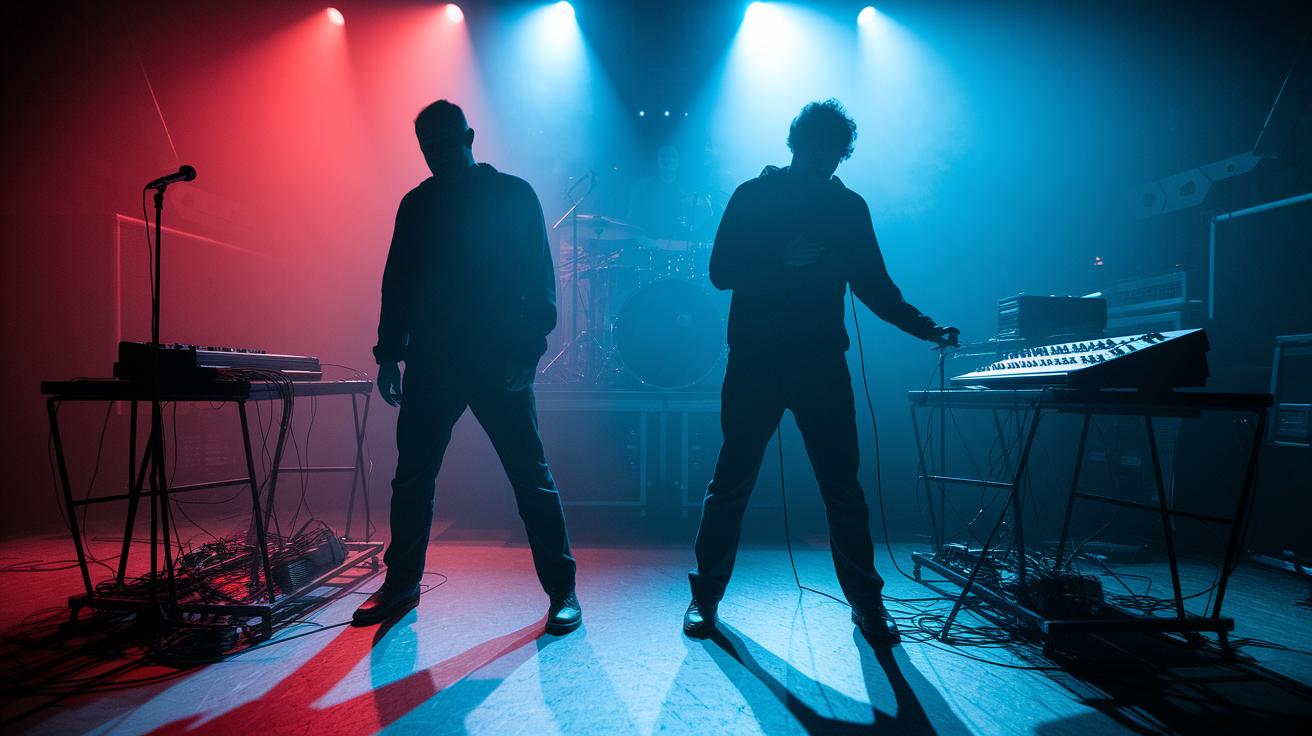
Back in 1978, Throbbing Gristle dropped D.o.A: The Third and Final Report, setting off a bold new chapter in industrial sound. And then, in 1988, Skinny Puppy's VIVIsectVI made waves with chunky synths, raw vocals, and stage antics that left fans buzzing. Before digital clarity took over, these pioneers carved their own rough and riveting path.
Nine Inch Nails burst onto the scene with Pretty Hate Machine in 1989 and later blew minds with The Downward Spiral in 1994. Their albums sold millions of copies, blending gritty concepts with catchy melodies. And then there's Ministry. Their record, Psalm 69 – The Way To Succeed And The Way To Suck Eggs, mixed fast-paced metal with a rockabilly twist, lacing each riff with biting social commentary. Their fearless style helped redefine what industrial music was all about.
Next up, Front 242 and Nitzer Ebb took things even further. In 1988, Front 242's Front By Front layered mechanical beats with a danceable rhythm that sparked the electronic body music movement. Meanwhile, Nitzer Ebb's 1989 album Belief combined punchy techno-industrial beats and bold vocal chants, inspiring artists to explore the edgy side of harsh sound experimentation.
Evolution of Subgenres Across Industrial Music

Front 242’s Front By Front (1988) kick-started Electronic Body Music by blending tough industrial beats with synth-punk energy and dance rhythms. Then, Nitzer Ebb’s Belief (1989) cranked up the intensity with raw techno-industrial beats and powerful vocal chants. Imagine a drum machine locking in perfectly with explosive vocals – it makes you want to get up and move.
Next, KMFDM’s Angst (1993) shifted the scene by adding gritty guitar riffs and bold visuals that felt more political. And later, Rob Zombie’s Hellbilly Deluxe (1998) broke new ground by mixing heavy metal with eerie, horror vibes. Picture electrifying metal riffs mixed with spooky sound effects that send shivers down your spine and spark excitement at the same time.
Production Techniques and Sound Design in Industrial Music

Industrial tracks kick off like a carefully controlled storm of sounds. In the studio, producers mix sequencers, analog and digital synthesizers, drum machines, and layers of guitar and bass with heavy percussion. This blend creates a raw canvas where every rough noise and unexpected sample packs a real punch. It’s a bit like putting together the perfect recipe, with each ingredient adding its own burst of energy.
Key studio methods include:
- Sequencer-driven rhythm programming
- Analog synth modulation
- Field-recording sampling
- Tape-loop noise collages
- Distorted guitar and bass processing
- Live-to-tape distortion tricks
These cool techniques give each track a grainy texture and an unpredictable edge. Sampling isn’t just about recycling sounds, it layers in recordings of machinery noise, sounds from the streets, and even warped vocals to build a sound that’s both striking and experimental.
A lot of artists love to take a hands-on, DIY approach to sound manipulation. They use creative mic placements and glitchy plugin effects to experiment with live-to-tape distortion and other cool tricks. It’s like watching a live show where the studio is the stage and every sound is a surprise. This process turns everyday mechanical noise into memorable soundscapes that completely redefine what music feels like.
Industrial Music on Stage: Live Practices and Cultural Impact

Industrial music burst onto the live scene with a splash, turning every show into a full-on performance art experience. Throbbing Gristle led the way with bold visuals and art installations that brought a whole new vibe to concerts. And then Skinny Puppy took it further, mixing wild costumes, cool props, and unexpected shock imagery that left audiences both stunned and energized. It wasn’t just about the audio, it was a complete sensory celebration.
Underground club nights and industrial-themed raves quickly became the perfect playground for these daring acts. In dark, buzzing spaces, bands mixed live performances with electronic beats and creative visuals, crafting an experience that was more like stepping into a secret world. Soon enough, festival stages welcomed industrial acts alongside electronic and metal performers, blending live soundscapes with hints of ambient electronic music. This mix pushed the genre into fresh, exciting settings.
The enthusiasm of fans turned these shows into something more than just concerts, they became a close-knit community of thrill-seekers. Every performance felt like a personal, rebellious adventure, sparking conversations and inspiring new acts. In truth, industrial music grew into a powerful cultural movement, echoing well beyond the stage.
Contemporary Trends and the Future of Industrial Music

Modern producers are taking industrial music to new places by mixing it with techno, darkwave, and ambient vibes using all-digital tools. Imagine a classic industrial beat getting a digital makeover, a sound born in the 70s now pounding with a futuristic energy that fills your ears. Remix culture jumps in like an unexpected twist at a favorite concert, reviving old tracks for DJs and streaming playlists. Retro-inspired releases pay tribute to the legends while using updated recording and mixing tricks that both long-time fans and newcomers can enjoy.
Avant-garde labels are breaking the mold with raw, noise-driven EPs and art-collaborations that feel like a burst of fresh creativity. Think of a live set where crisp digital precision meets the gritty heart of early industrial sounds, creating a wild, unpredictable experience. These projects are a perfect mash-up of past glory and new experimental beats, setting the stage for the next exciting chapter in industrial music.
Final Words
In the action, this post explored industrial music, digging into its origins, key innovators, evolving subgenres, creative production techniques, live performance energy, and future trends. Each section painted vivid scenes of raw sound and rebellious style.
We saw the genre's shift from analog experiments to digital experiments, and how live events sparked a real connection among fans. The discussion left us with a fresh pulse for new digital experiences and a hopeful vibe for what's next. It’s a thrilling ride into industrial music that inspires creative exploration.
FAQ
Who are some notable industrial music artists and bands?
The industrial music artists and bands include Throbbing Gristle, Skinny Puppy, Nine Inch Nails, and Ministry, whose innovative records have shaped the sound and performance of the genre.
What are some examples of industrial music songs and albums?
The industrial music songs and albums feature works like Throbbing Gristle’s D.o.A: The Third and Final Report and Nine Inch Nails’ Pretty Hate Machine, which showcase the genre’s abrasive soundscapes.
What instruments shape the distinctive sound of industrial music?
The industrial music instruments combine traditional rock gear like guitars and bass with sequencers, synthesizers, and drum machines to create the genre’s signature harsh, layered textures.
What qualifies as industrial music?
The industrial music genre qualifies by mixing electronic sounds with rock elements and incorporating samples, field recordings, and industrial noises to produce a provocative, challenging sound.
Who is regarded as the father of industrial music?
The father of industrial music is often linked to innovators in Throbbing Gristle, whose groundbreaking work in the 1970s laid the foundation for the genre’s evolution and distinctive style.
Is Depeche Mode considered industrial music?
The industrial music label doesn’t strictly apply to Depeche Mode since they primarily focus on synth-pop and new wave, though they have drawn inspiration from industrial sounds at times.
Who is known as the king of industrial music?
The industrial music king is commonly identified as Nine Inch Nails, a band celebrated for its influential albums that have redefined and popularized the genre.
How does heavy metal influence industrial music?
The heavy metal influence in industrial music adds a denser, darker edge by merging aggressive guitar riffs and powerful percussion with the genre’s electronic and experimental elements.
What defines modern industrial music?
Modern industrial music is defined by digital production techniques and a fusion of techno, darkwave, and ambient influences that refresh the traditional industrial sound while keeping its edgy core.



tadalafil amazon 5mg
tadalafil amazon 5mg
cialis dosage chart
cialis dosage chart
vidalista black 80mg
vidalista black 80mg
zantac otc
zantac otc
dutasteride precio perú
dutasteride precio perú
semaglutida e tirzepatida
semaglutida e tirzepatida
semaglutid bivirkninger
semaglutid bivirkninger
tadalafil 5mg picture
tadalafil 5mg picture
target minoxidil foam
target minoxidil foam
ivermectin treatment FAQ
ivermectin treatment FAQ
minoxidil mechanism review
minoxidil mechanism review
avanafil safe ordering tips
avanafil safe ordering tips
medical review protocol
medical review protocol
amoxicillin and other drugs
amoxicillin and other drugs
PK and PD Variability
PK and PD Variability
Brand vs Generic Therapeutic Profile
Brand vs Generic Therapeutic Profile
what happens to sildenafil in the body
what happens to sildenafil in the body
the tadalafil resource
the tadalafil resource