
Ever thought about how interactive media could change the way we learn and play? Picture a place where every click adds a surprising twist to the adventure. It feels like a mix of art and code that makes you want to dive in and try something new.
As this field grows faster than ever, our screens turn into lively spaces filled with creative sparks and endless choices. In this blog, we're exploring what the future holds for interactive media and game design. We’ll look at how combining creativity with smart tech can open fresh, fun ways to learn and play. Ever felt that thrill when a new twist makes everything more exciting? Let's jump in and experience it together.
Integrating Interactive Media and Game Design: Field Overview
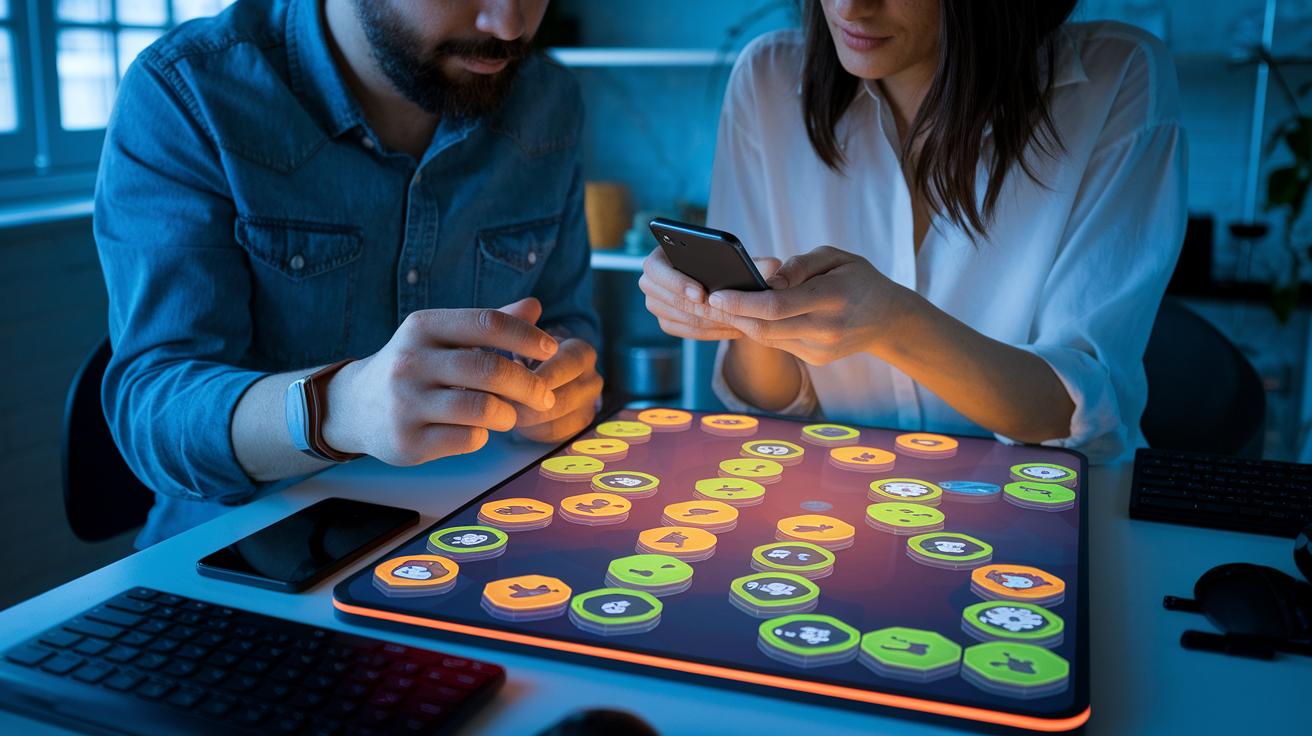
Interactive media and game design bring together creativity and technology to craft digital experiences that are fun, immersive, and sometimes educational. Think of it like building a digital playground where visuals, sounds, and user choices mix together to create a memorable adventure. Imagine a game where every choice, like deciding which path to take, changes what happens next. This blend of art and code lets designers create interactive spaces that excite and challenge you at every turn.
The industry is booming, with video games pulling in billions of dollars each year in the United States alone. It’s one of the fastest expanding creative fields out there. Take a look at examples like DimensionM; it turns everyday subjects like math into exciting quests that feel like a game rather than a lesson. The steady financial success and non-stop tech upgrades show just how much this field is shaking up both entertainment and education.
| Career Path | Description |
|---|---|
| Game Designer | Crafts the rules and story of the game, making each interaction count. |
| UX/UI Specialist | Ensures the digital world is easy to use and looks awesome. |
| Narrative Designer | Weaves the story into the gameplay so every decision feels personal. |
| Interactive Media Developer | Builds the digital environments where all the magic happens. |
| Simulation Engineer | Makes realistic systems that mimic real-life actions. |
When you dig into interactive media and game design, you see that it’s all about merging storytelling, art, and tech skills into one creative package. It’s a perfect fit for those eager to build digital projects that are as educational as they are fun. Whether you’re exploring the nuts and bolts of game mechanics or catching onto the latest digital trends, there’s a world of opportunities waiting to be discovered.
Core Game Design Fundamentals in Interactive Media

Game design basics are what hold every interactive project together. They’re like the secret sauce that makes every game feel fun and unforgettable. By understanding these core parts, creators can build digital worlds that not only work smoothly but also spark true emotion in players.
Mechanics
Mechanics cover all the rules and systems in a game. It’s like setting up the game’s playground, defining what players can do and what they can’t. Picture a game where a simple action kicks off a chain of smart moves that decide the score. These rules are the heart of the game, mapping out all the fun and frustration you might encounter during play.
Dynamics
Dynamics bring those mechanics to life when you start playing. They include how players interact with the game, how feedback loops work, and even those surprising twists that shake things up. Imagine every choice you make stirring the game’s environment, triggering unexpected challenges that keep you on your toes. It’s this ever-changing dance that makes the experience feel real and exciting.
Aesthetics
Aesthetics are all about the look and feel of a game, the mood, visuals, and sound that pull you into its world. Think of a scene with soft lighting and gentle music that slowly builds tension before a big, thrilling moment. These sensory touches are what make a game more than just code; they make it an experience that you can feel.
Put together, mechanics, dynamics, and aesthetics create interactive experiences that are as enjoyable as they are engaging. They’re the magic that turns a digital project into a living, breathing adventure.
Interactive Storytelling Techniques for Engaging Gameplay
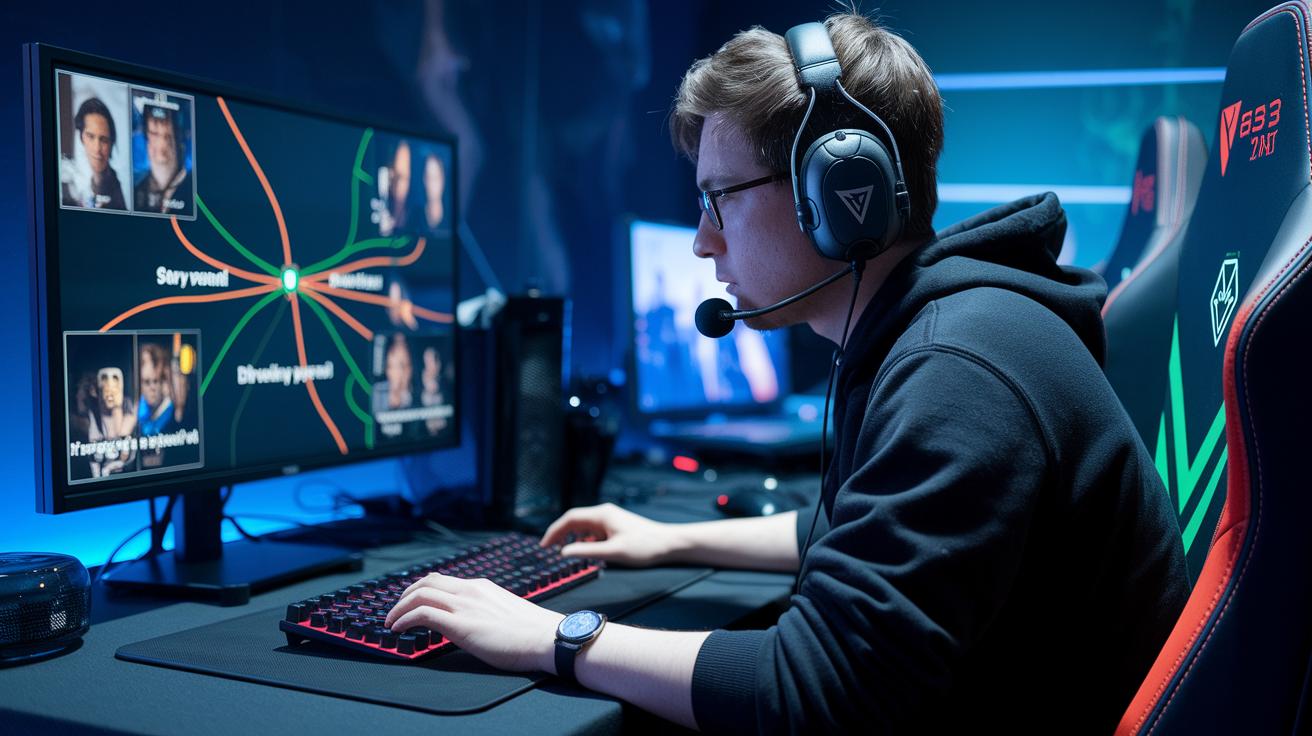
Games come alive when their stories draw you in like a warm conversation with an old friend. Every choice you make can lead to unexpected twists and turns, creating a pulse that beats through the game world. It’s not just about crafting a tale, it's about designing moments that respond to what you do, making the experience feel truly alive.
Imagine stepping into a game where every decision paints a new part of the story. Interactive storytelling techniques transform simple gameplay into a vibrant journey. By blending digital methods with creative design, developers turn regular play into a scene that buzzes with energy. Next, let’s break down some of the magic behind these methods:
- branching paths – Picture a moment where one decision branches off into completely different endings.
- dynamic dialogue – Think of conversations in a game that change based on your words, like chatting with a friend who really listens.
- environmental clues – Visualize walking through a level and spotting little hints that slowly reveal a hidden backstory.
- moral choices – Consider those times when your choices test your values, shifting the tone of the game in surprising ways.
- pacing tactics – Imagine the rhythm of gameplay balancing high tension scenes with peaceful exploration, much like a well-timed musical interlude.
- layered backstory – Envision a world where the surface story mixes with deeper, secret narratives waiting to be discovered.
Choosing the best interactive technique depends on what the game is about and what players need. Developers weigh each method to decide which one taps into the right feeling and keeps the adventure engaging. For instance, educational games might mix branching paths with dynamic dialogue to make learning fun and interactive. When you mix and match these creative approaches, you don’t just play a game, you become part of a story that stays with you long after the screen dims.
Digital Game Development Tools and Technologies

Game creation really depends on a solid set of tools that help shape every step of your project, from the brainstorming sketches to the final interactive play. These digital resources are the heart and soul behind lifelike environments, smooth animations, and physics that feel just right. Many students and pros learn to master these popular software programs to bring their creative ideas to life. Courses often mix in hands-on projects so you can jump right in, turning classroom lessons into real world magic.
| Tool | Purpose |
|---|---|
| Unity | Makes 2D and 3D game development friendly with its easy-to-use look and helpful community. |
| Unreal Engine | Delivers stunning visuals and detailed simulations, letting you build complex game worlds easily. |
| Blender | Offers a free, open-source way to create 3D models, animations, and renders for game assets. |
| Maya | Provides advanced tools for detailed character movements and high-quality visual effects. |
| AI-driven content tools | Help generate game content on the fly and streamline creative workflows with smart automation. |
Picking the perfect mix of these tools depends on your project’s size and your own skill level. For beginners, platforms like Unity are a great way to get started without feeling overwhelmed. If you’re a seasoned developer, you might enjoy the deeper details offered by Unreal Engine. And using programs like Blender or Maya can really boost your game’s graphics and animations, making everything look polished. Plus, new AI tools bring fresh ways to mix things up and add dynamic elements to gameplay. In short, choosing the right combination can help you create game experiences that are not only eye-catching but also super fun to play.
Media Design Methodologies and Interactive Design Strategy

Creating interactive media is all about trying, testing, and fine-tuning, like perfecting a favorite recipe until every taste pops just right. It starts with a simple plan, then grows step by step as developers test ideas, adjust on the fly, and polish their projects. Experienced folks, with years of industry know-how, rely on this hands-on approach to spark fresh ideas and ensure every change makes the final product smoother and more engaging.
- rapid prototyping – Quickly building simple models to see how an idea works in action, much like sketching out your first draft.
- agile sprint cycles – Working in short bursts that let the team test parts of the project, keeping the creative energy high.
- usability testing – Listening to real users to find out what’s clear and what might need a bit more work.
- feedback loops – Setting up a regular cycle of review and tweaks that keeps the project on the right track.
- design documentation – Jotting down every step and change so nothing is lost for future projects.
When you look at these methods, it’s clear that every detail matters. Rapid prototyping and agile practices let teams spot problems early, while usability testing and feedback loops keep the design friendly and easy to use. And with solid documentation, there’s always a roadmap for what comes next. Together, these processes help every digital creation stay smart and ready for any unexpected creative twists.
Virtual Reality Design and Emerging Immersive Experiences

Virtual reality design turns computer-made worlds into places that feel nearly as real as home. Designers work hard to plan every object and move so that everything feels just right. Ever thought about walking through a virtual museum where every step feels perfectly synced? It’s like the digital world comes alive with every move.
Augmented reality gaming brings cool digital bits into your everyday world. Imagine your coffee table suddenly turning into a fun puzzle board or a street corner hiding secret clues for you to find. It’s a playful mix that turns the ordinary into something exciting and new.
New gadgets and smart software are changing the game even more. With things like haptic feedback, you can actually feel soft touches or impacts in the digital space, and motion-capture systems make sure your moves match up exactly on screen. Picture a gamer in the heat of a virtual fight, when they get hit, they almost feel it. These fresh innovations keep pushing the limits of interactive design.
Career Paths and Academic Programs in Interactive Media and Game Design
If gaming, digital art, or interactive storytelling makes your heart race, these programs might be just your scene. They offer degrees like BA, BS, and BFA that mix creativity with technical know-how, setting you up for adventures in game studios, animation, and more. Imagine studying in a place that feels as electric as a live show!
You can pick from a wide range of courses, add on interdisciplinary minors or certificates, and design your own curriculum. And if you're ready for a deep dive, the Master of Science in Game Development gives you five paths to explore, perfect for tailoring your studies to your dream career.
| Feature | Description |
|---|---|
| Degree Types | BA, BS, and BFA programs that blend creative flair with technical skill. |
| Concentrations | Five customizable paths in the Master’s program let you zero in on what excites you most. |
| Tuition Models | Flat rates of $36,192 for residents and $47,712 for non-residents, or pay-as-you-go at $754/hr (resident) and $994/hr (non-resident). |
| Showcase Events | Annual events like the GSD Spring Showcase (2023–2025) and a 2024 International Conference give you a stage to shine. |
| Career Support | Dedicated resources connect you with opportunities in game design, animation, and related fields. |
Professors with real industry know-how guide you through lessons that mix theory with hands-on projects. They bring decades of experience right into the classroom, so you get to see what’s happening in the world of digital gaming in real time. With strong
Building a Game Design Portfolio with Interactive Projects

Your portfolio is like a backstage pass to your creative world. It shows off your skills, your passion, and your ability to mesh design ideas with solid tech know-how. Imagine turning your cool ideas into interactive adventures that grab attention – that's what we're talking about.
When you're working with tools like Unity or Unreal, your projects should shine by offering hands-on experiences. Think of it like inviting someone into the vibrant buzz of a live show. Each piece of work you share should let viewers feel the pulse of your design process.
Some ideas to include in your portfolio are:
- playable demos – let others try out your game mechanics and feel the excitement in every tap.
- VR scenes – create immersive worlds that pull viewers right into your digital space.
- narrative prototypes – build early story ideas that blend gameplay with storytelling in a fun way.
- UI mockups – show clear and friendly layouts that highlight your knack for smooth design.
- animation reels – compile lively motion graphics that bring your characters and scenes to life.
- interactive media case studies – break down your projects step by step to show how you tackled challenges, collaborated, and solved problems.
For each project, include a short, clear explanation of the idea, your part in it, the tools you used, and any teamwork involved. Explain the hurdles you faced and how you knocked them down. This way, your portfolio tells a lively story that not only catches the eye but also shares the creative spark behind each project.
Final Words
In the action, interactive media and game design takes center stage throughout our look at creative digital experiences. We explored the core fundamentals of game design, interactive storytelling, innovative development tools, and the excitement of virtual reality design. Each section brought insights into academic paths and showcased practical portfolio building for hands-on projects.
The article paints a picture of next-generation digital play, community connections, and fresh trends in interactive media and game design. Positive energy fuels every step, inviting you to step into a world of endless creative surprises.
FAQ
What is interactive media and game design?
Interactive media and game design means blending creative ideas with technical skills to create digital experiences that entertain and educate. It focuses on gameplay, visual art, and narrative storytelling.
What does an interactive media designer do?
An interactive media designer creates engaging digital projects by combining visual elements, sound, and interactive components. They design user-friendly interfaces and experiences that capture attention and invite participation.
What type of degree formats are available in interactive media and game design?
Interactive media and game design degrees are offered in various formats such as B.A., B.S., and B.F.A. programs. These degrees prepare students with practical projects, creative problem-solving, and technical development skills.
What are interactive media and game design courses like?
Interactive media and game design courses mix hands-on projects with core design principles. They teach students about game mechanics, narrative development, and digital tool use while encouraging creativity and technical growth.
What is the salary outlook for game design and interactive media professionals?
Game design and interactive media professionals can earn competitive salaries, thanks to a growing industry. Salaries vary by role, experience, and location, offering rewarding opportunities in both creative and technical fields.
What are UCI’s and USC’s game design programs?
UCI and USC offer game design programs that blend theory with practical training in interactive media. These programs feature project work, industry collaborations, and innovative courses to prepare students for creative digital careers.
What does a major in game and interactive media design cover?
A major in game and interactive media design covers game mechanics, visual design, narrative development, and digital production. It equips students with skills to create engaging entertainment and interactive content.
What are examples of interactive media design projects?
Interactive media design projects include playable demos, VR scenes, narrative prototypes, user interface mockups, and animation reels. These projects demonstrate a designer’s creativity and technical ability to make engaging digital experiences.
What are some notable institutions for interactive media and game design?
Notable institutions in this field include USC School of Cinematic Arts, USC Viterbi School of Engineering, American Film Institute, UCLA School of Theater, Film and Television, and Tisch School Of The Arts, each offering unique creative training.



tadalafil different mg
tadalafil different mg
cenforce vs viagra
cenforce vs viagra
20mg cialis reddit
20mg cialis reddit
domperidone alternative medication
domperidone alternative medication
sémaglutide oral rybelsus
sémaglutide oral rybelsus
minoxidil honest review
minoxidil honest review
cialis 20mg dosage
cialis 20mg dosage
ketoconazole cream introduction
ketoconazole cream introduction
terbinafine dosage quick guide
terbinafine dosage quick guide
ketoconazole shampoo therapy overview
ketoconazole shampoo therapy overview
terbinafine side effects
terbinafine side effects
toradol for severe migraine
toradol for severe migraine
ivermectin demodex medical overview
ivermectin demodex medical overview
minoxidil women’s treatment insights
minoxidil women’s treatment insights
sildenafil use restrictions
sildenafil use restrictions
vardenafil food guidelines
vardenafil food guidelines
branded tadalafil products
branded tadalafil products