
Have you ever wondered if music can break the rules? Some artists mix raw sounds with quirky digital beats to create something totally fresh.
Picture a song that starts with a steady rhythm and suddenly explodes into unexpected, wild tones, as if a sleepy city is suddenly buzzing with life.
These creative tracks challenge old ideas about melody and noise, crafting soundscapes that surprise and delight. In this post, we take a closer look at how musicians are reshaping music with a spontaneous, rule-breaking style.
Understanding Experimental Music Genres and Their Defining Traits
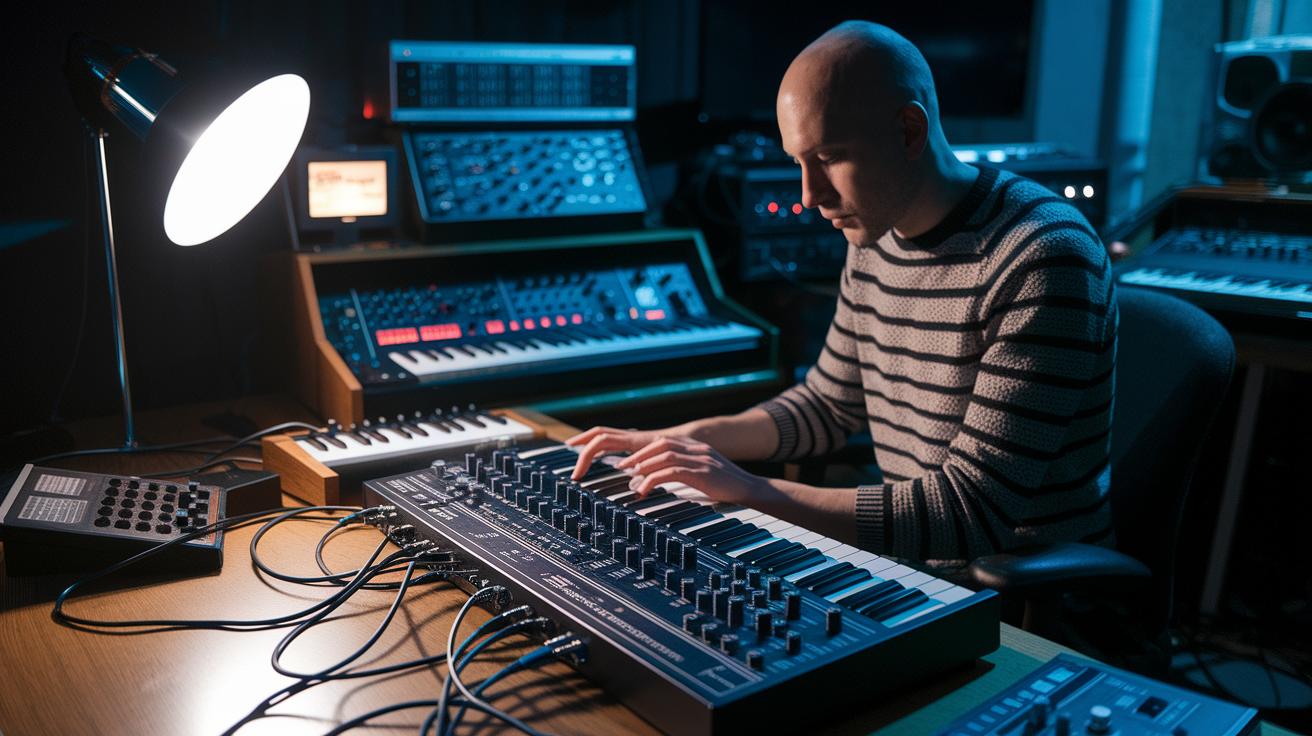
Experimental music genres break the old rules and create sounds that are totally unexpected. They blend everyday noises with live instruments and digital sounds to make music that feels raw and real. Think of a piece that starts with a steady beat, then suddenly erupts into a jumble of clanks and clicks, like a city coming to life at night. This love for surprise pushes the boundaries between melody and noise.
These styles also celebrate sounds that might seem odd at first. For example, noise music takes rough, jarring sounds and turns them into tunes that make you think. Imagine a track that begins with a quiet hum and slowly adds wobbly, distorted tones, like walking through a gallery where every step uncovers a hidden note. Glitch music joins in by using little digital errors and skips, showing that even mistakes can be artistic.
Artists in this world often let chance play a big role. They experiment with random sequences and live sound snippets, blurring the line between careful planning and spontaneous creation. This constant change mirrors the shifts in our culture and technology, making every new piece a true reflection of its time.
In the end, these creative adventures come together as a mix of precise improvisation and untamed experimentation. Every track proves that sound can be molded in a million ways, inviting listeners to dive into experiences that are as thrilling as they are original.
Experimental Music Genres: Creative Sonic Vibes
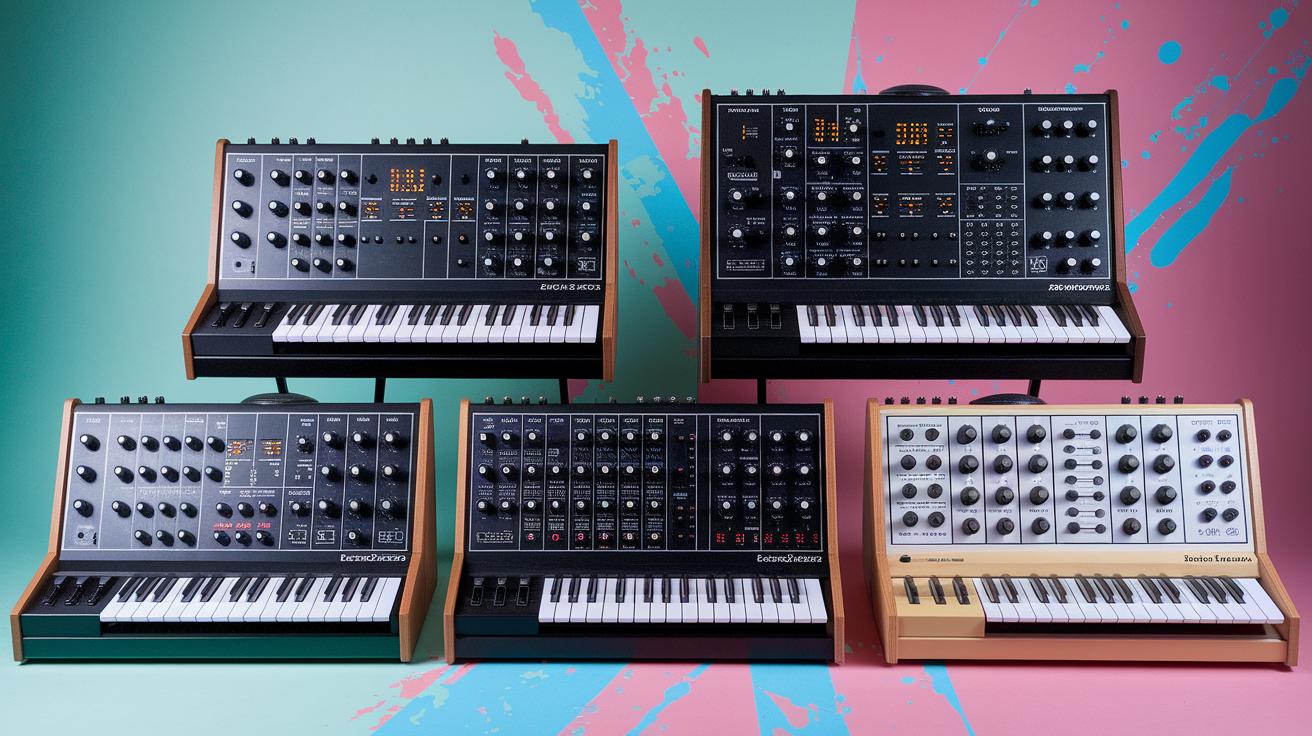
Avant-garde music opened the door to wild experiments in sound. Back in the mid-1900s, innovators like Karlheinz Stockhausen mixed tones in bold, unexpected ways, kind of like an artist splashing colors onto a canvas. It’s all about creating a space where even silence speaks volumes.
Noise music burst onto the scene in the 1970s and 1980s, turning everyday clatter into a surge of raw energy. Think of artists like Merzbow, whose tracks start with a soft rumble that quickly builds into a full-throttle wall of sound. Ever felt that kick, like the heartbeat of a bustling city at night?
Glitch music made its mark in the 2000s. Pioneers such as Oval played with little digital hiccups to create surprising beats. Imagine a song where a steady rhythm suddenly stutters for a breath, those tiny pauses add a layer of magic to the whole piece.
Shoegaze emerged in the late 1980s, wrapping you in dreamy layers of echo and reverb. Take My Bloody Valentine’s "Only Shallow," for example. The fuzzy guitars and hushed vocals pull you into a nearly otherworldly vibe, like drifting through a soft, hazy dream.
Vaporwave took off in the early 2010s by twisting retro samples into something fresh and nostalgic at the same time. It’s like reliving old memories while looking at today’s culture with a curious, playful eye.
Witch house, surfacing in the late 2000s with tracks like Salem’s "King Night," mixes eerie sounds with off-kilter beats to create a vibe that’s dark yet strangely enchanting. And then there are styles like gypsy jazz, chamber pop, and Tropicalia. From Django Reinhardt’s upbeat "Minor Swing" in the 1930s to Belle & Sebastian and Caetano Veloso later on, these genres show that creative sonic vibes can be as diverse and daring as our wildest imaginations.
Technology and Production Techniques in Experimental Music Genres
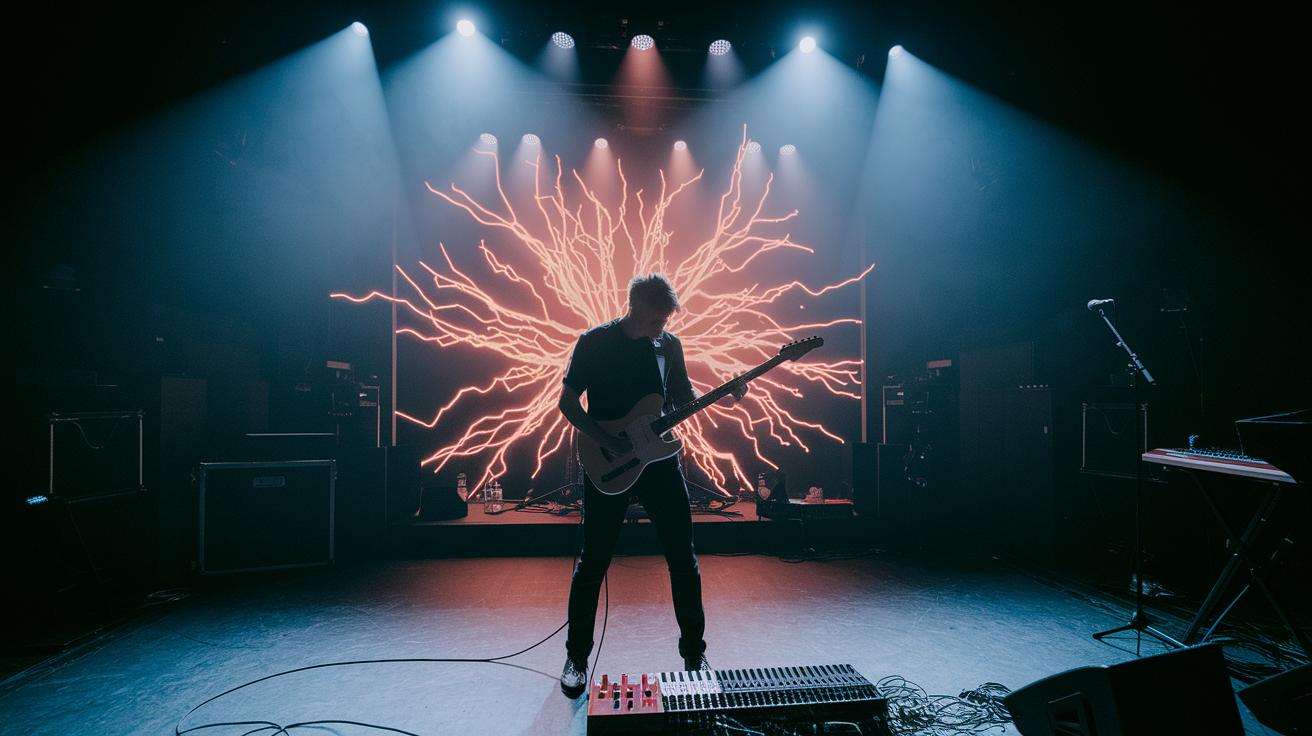
Recording innovations have totally changed how we create tunes. Think about the electric guitar, when you strum it, you feel that sudden burst of energy, like a live shock that connects everyone at the show. It’s simple: one crisp, powerful note can light up the room and get everyone buzzing.
Tape loops take things even further by rewinding time. Imagine hearing a snippet of your favorite melody over and over until the hidden rhythm hits you in a new way. It’s like listening to a familiar tune that keeps surprising you with every replay.
Then came modular synthesizers, the DIY sound boards of the music world. They let you mix beeps, buzzes, and a lot of unexpected noises, almost like building your own musical puzzle on the fly. It's creative and spontaneous, exactly like piecing together a story with sound.
Digital audio workstations turned studio work into a fun playground. You can stitch together live recordings and digital clips into one neat track, kind of like assembling a colorful collage. Each layer of sound fits just right to create a whole new musical experience.
And there’s more, circuit bending transforms old toys and simple electronics into quirky musical instruments in real time. Granular synthesis breaks sounds into tiny pieces, letting you create fresh, new layers from familiar tunes. Live sampling grabs random sounds as they happen, and algorithmic tweaks keep everything feeling unpredictable and exciting.
| Milestone | Impact |
|---|---|
| Electric Guitar | Injected raw energy into modern music |
| Modular Synthesizers | Offered endless sound combinations |
Historical Evolution and Cultural Impact of Experimental Music Genres
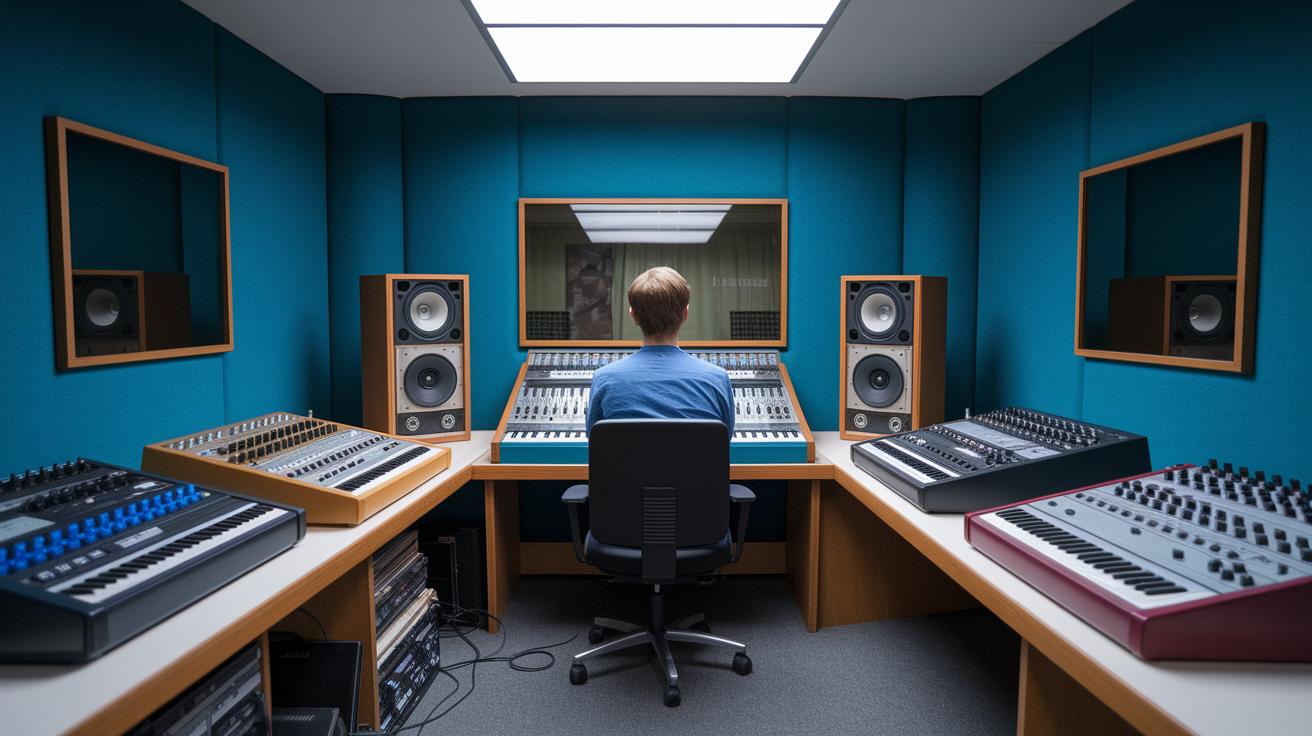
Back in 1913, Luigi Russolo stirred the pot by arguing that noise itself could be music. His bold ideas cracked open a door for musicians to explore sounds in ways no one had imagined. His manifesto sparked a fire that would inspire creative experiments for generations.
By 1948, Pierre Schaeffer was deep in his studio, playing around with tape techniques. He turned everyday sounds into musical treasures, a practice soon known as musique concrète – a fancy term that simply means using real-life noises as music. His work helped people see ordinary sounds in a whole new light.
In 1952, John Cage took things even further with his famous piece, 4’33”. Instead of using traditional notes, he encouraged listeners to embrace the sounds around them – from the rustling of papers to the gentle hum of the room. This fresh approach made silence and chance part of the music, challenging old ways of thinking about what a performance could be.
Then came the 1970s, when the rough edges of punk and industrial music broke onto the scene. These genres delivered raw, unpolished sounds that matched the energy of the times. They were the beat of a movement, echoing the demands for freedom and change, much like the social revolutions of the era.
In the 1980s, shoegaze wrapped listeners in a dreamy world of layered sound. Distorted guitars and soft vocals created a musical landscape that felt both mysterious and intimate. And as the new millennium arrived, glitch music emerged with its playful digital distortions and tiny pauses, offering rich textures that surprised and delighted audiences.
Meanwhile, in Brazil, Tropicalia mixed local beats with rock influences, creating a fusion of sounds that brought cultures together. These inventive artists turned studios and stages into playgrounds of creative freedom. Their daring spirit not only reshaped how music was made but also left an enduring mark on our cultural scene.
Exploring and Listening to Experimental Music Genres

Jump into the world of experimental music and treat it like a fun, sonic adventure. Nowadays, you can check out cool streaming playlists on Bandcamp and Spotify that mix live performance moments with creative, genre-mixing sounds. It’s like discovering a secret musical world where every note pulls you into a fresh, future-forward vibe.
Imagine being at a live show where artists blend digital clips with raw, unplugged energy. The experience is as exciting as a backstage chat, vibrant, surprising, and totally engaging. And if you love a good conversation about music, why not join online forums and artist collectives? There, fans swap ideas, share underground label highlights, and turn listening into a real journey of discovery.
- Explore themed playlists on Bandcamp or Spotify.
- Go to live shows or experimental music events.
- Join digital communities that celebrate unique sound experiments.
- Follow niche labels that put together cross-genre projects.
These ideas let you dive into sound experiments and join a group of listeners who love the unexpected. Try them out, and you might just uncover layers of sound that change the way you think about music. Enjoy each unique note and let the adventure begin.
Final Words
In the action, we explored the unique pulse of experimental music genres. We broke down the wild traits of creative sound styles, the tech magic behind them, and the cultural beats that shaped the scene.
Every segment reminded us that music is an ever-changing canvas where experimentation fuels fresh sound experiences. Stay curious, keep pushing your listening boundaries, and relish the creative sparks that make every listen feel like a live, unforgettable performance. Enjoy the beat and the thrill of experimental music genres.
FAQ
Who are some prominent experimental music artists and composers?
The question about experimental music artists and composers points to innovators such as John Cage, Karlheinz Stockhausen, and Merzbow. These creators use fresh methods and distinct sounds to push musical boundaries.
What are some experimental music examples and songs?
The inquiry regarding experimental music examples and songs highlights works like John Cage’s 4’33”, Merzbow’s intense releases, and My Bloody Valentine’s “Only Shallow,” which challenge standard musical styles with creative techniques.
What are modern experimental music genres?
The question about modern experimental music genres refers to styles such as avant-garde, noise, glitch, vaporwave, and witch house, known for breaking traditional rules and blending live sounds with digital elements.
What does experimental music mean?
The inquiry regarding experimental music meaning explains it as a style that challenges typical structures by using unconventional sounds, creative recording methods, and fresh approaches to engage listeners.
What is the most unique music genre?
The question about the most unique music genre suggests that experimental music stands out due to its innovative techniques, unpredictable structures, and clever mix of digital and live elements that defy expectations.
Is Linkin Park an experimental band?
The query about Linkin Park’s experimental style indicates that while they mix alternative rock with electronic elements, they are best known as a nu-metal band rather than fully pushing experimental boundaries.
Is EDM experimental music?
The question on whether EDM is experimental music explains that EDM focuses on dance rhythms with electronic techniques. Although some tracks use creative production, the genre mainly aims at energetic beats.
What kind of music does Gen Z like?
The inquiry regarding Gen Z’s music preferences shows they enjoy a blend of sounds, from indie pop and lo-fi beats to innovative tunes that mix digital production with creative twists reflecting diverse influences.


