Have you ever dreamed that school could be as fun as your favorite video game? Imagine stepping into a classroom where every decision feels like a turn in a thrilling adventure.
Interactive storytelling brings that very magic to education. It blends bright, engaging stories with hands-on tasks, letting students choose their own path and solve cooler puzzles along the way. It’s a fun mix of adventure and learning that keeps you on the edge of your seat while building real-life skills.
Leveraging interactive storytelling for education to boost student engagement and learning outcomes
Interactive storytelling in education mixes text, pictures, videos, and audio to turn a lesson into a fun, live adventure. Imagine reading a story that asks you to pick an ending or answer a quick quiz as you go. It feels a bit like choosing your own adventure where every decision matters. For example, think about a twist like, "When the mysterious letter arrived, Alex had to decide: Should he follow the clues or ignore the call to adventure?" This kind of prompt not only wraps you up in the story but also sparks creative thinking and problem-solving.
Studies and classroom tests back this up with solid numbers. Research shows that lessons with interactive elements can boost participation by up to 80%. Teachers say that when students choose their own narrative paths, like picking between clues in a mystery, they get way more engaged than when they simply follow a set script. In fact, many educators have noticed that interactive challenges help students understand the story better and let their creativity shine.
This method turns every class into a lively, hands-on experience. It builds critical thinking, helps with decision-making, and even improves digital skills. In short, interactive storytelling not only makes learning more exciting, it also gives students a boost in key skills that will help them both in school and beyond.
Designing interactive storytelling for education: methods and frameworks
Interactive storytelling in education turns regular lessons into truly engaging experiences by mixing simple storytelling with cool digital tools. Teachers can easily whip up interactive tales that tie the learning goals to a fun storyline. Imagine planning out a narrative with 8–12 paragraphs in just about an hour, thanks to clear decision points and key story beats. This method builds on trusted ideas like backward design, branching story paths, and the straightforward Somebody–Wanted–But–So approach.
- Character Goal
- Conflict
- Response
- Resolution
Backward Design Approach
Backward design is all about matching what students need to learn with the unfolding story. Teachers start by picking the goals they want students to hit, then they shape the narrative to guide them there. Every twist and turn in the story is designed to keep those curriculum goals front and center, making the whole experience feel connected and meaningful.
Branching Narrative Structure
Creating a branching narrative means building distinct decision points where students can choose their path. Simple markers like Option 1.1 or Option 1.2 let students steer the story, offering at least three different endings. These choices not only add fun by giving them control, but they also spark critical thinking as students weigh the outcomes of each decision.
Somebody–Wanted–But–So Framework
The Somebody–Wanted–But–So framework is a no-fuss way to build a captivating story. First, you lay out what the character aims to achieve. Then, you introduce a problem, show how the character tries to fix it, and bring it all to a neat conclusion. This simple structure helps teachers quickly design stories that captivate students and make learning interactive and fun.
| Framework Name | Key Steps | Ideal Use Case |
|---|---|---|
| Backward Design | Match definitions and objectives to choices in the story | Integrating curriculum with engaging narratives |
| Somebody–Wanted–But–So | Goal, Conflict, Response, Resolution | Quickly crafting fun, interactive tales |
Digital tools and multimedia in interactive storytelling for education
Digital Storyboarding Tools
Imagine having a creative toolbox that makes building interactive lessons feel like crafting your own mini movie. Tools like Twine, Padlet, and ReadWriteThink let teachers combine text, images, sounds, and ready-made templates in a flash. It’s like sketching a story and then instantly adding digital magic that makes characters and settings pop off the screen. This fast process means educators can spend more time reaching their learning goals and less time fussing over details.
Interactive Components
Now, think about quizzes, polls, and clickable maps that transform a regular lesson into a fun adventure. These cool features allow students to dive right in by choosing different paths or answering quick questions that challenge their thinking. For example, a story might pause to ask about a scientific observation, giving learners a chance to decide what happens next. It’s engaging and makes every lesson feel like a personal journey.
Multimedia Integration
Audio clips, video segments, and bright images add a whole new layer of excitement to learning. They bring abstract ideas to life, just like a short video can simplify a tricky experiment or an image can capture the mood of a historical moment. This mix of media grabs attention and helps each student connect with the material through sight, sound, and feeling. It’s like experiencing a live performance right in the classroom.
Implementing interactive storytelling for education: case studies and best practices
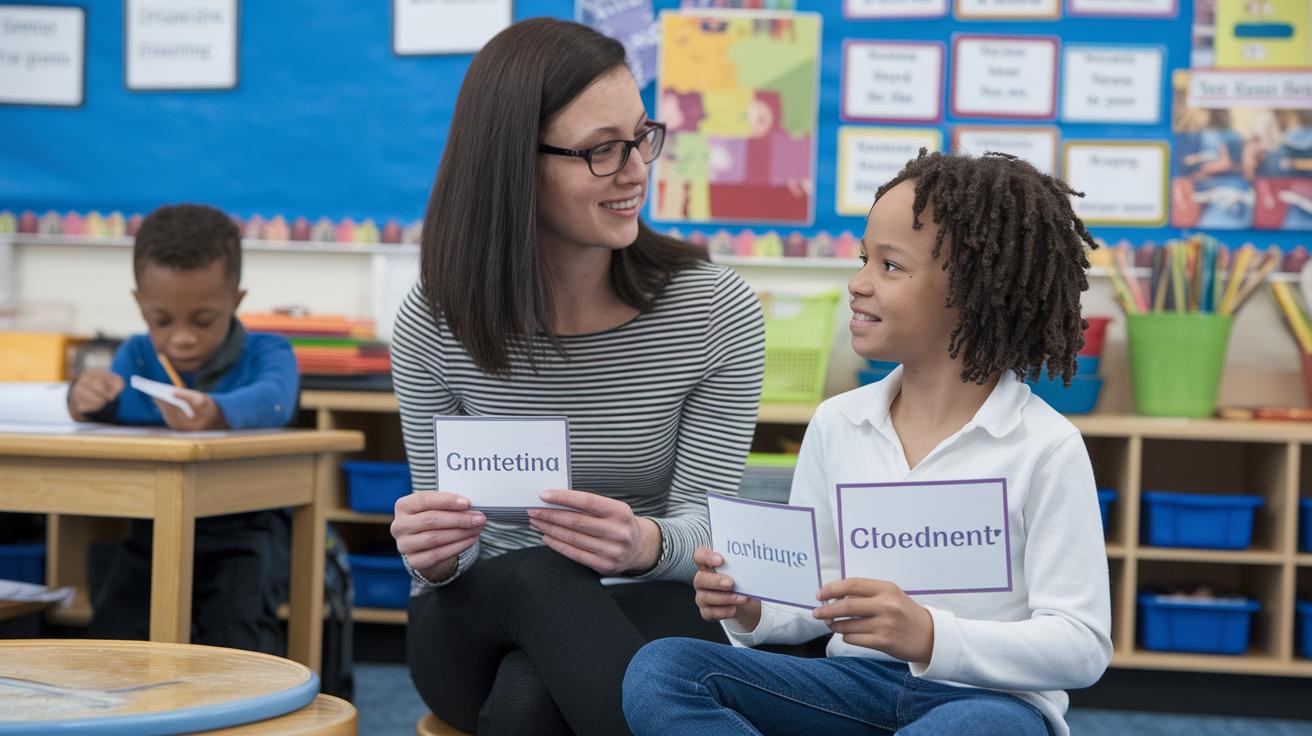
Interactive storytelling turns classrooms into lively labs where students aren’t just listening, they jump right into the action. For instance, a teacher in South Korea mixed key vocabulary right into the story, letting students feel every twist and turn more deeply. This fun method boosted vocabulary retention by 30%, showing how stories can make learning words memorable and engaging.
Next, some educators spiced up lessons with interactive quizzes at each step. After a twist in the tale, students picked choices like Option 1.1 or Option 1.2 that steered the direction of the story. This setup sparked critical thinking and led to a 25% improvement in understanding, as each quick quiz helped to lock in the lesson's ideas in a playful way. Teachers loved the flexibility, this approach fits solo tasks, group projects, and flipped classroom sessions, making learning feel like one big, immersive adventure.
Overall, teachers are discovering that when story activities match their goals and reinforce a clear narrative, the classroom becomes a more engaging space. Whether it’s a solo assignment or a hybrid model, using interactive storytelling inspires teamwork, creativity, and steady academic growth.
Measuring impact of interactive storytelling for education: assessment strategies
Evaluating interactive storytelling in classrooms goes beyond just keeping students entertained, it shows exactly how much they're learning and how engaged they are. Teachers often kick things off with a simple quiz before the story and wrap up with one afterward. These fun check-ins, which look at vocabulary skills and big ideas, help reveal if the story met its academic goals and give a clear picture of how much students improved after joining in on interactive fable workshops. In short, these digital tools prove that the art of storytelling can be both exciting and educational.
Then there’s the magic of numbers. Teachers dig collecting pure data, like how 60% of students might choose one narrative path while 40% lean toward another. This kind of information paints a vivid picture of student choices and interests. By mixing data from interactive quizzes with easy-to-track details like how many clicks a link gets or how long a page holds a student’s attention (gathered from platforms like Twine and Padlet), educators get a backstage pass into student behaviors during gamified story adventures. These insights pave the way for smart tweaks to lesson planning.
And let’s not forget the power of honest, thoughtful feedback. Beyond the numbers, teachers ask students what parts of the interactive story lit up their creativity or pushed them to think in new ways. This personal input helps catch moments of brilliance, and spots that might need a bit of extra polish. Together, this blend of hard data and heartfelt reflections drives continuous improvement, ensuring that interactive storytelling keeps sparking real growth and learning in the classroom.
Tips for educators integrating interactive storytelling for education in the classroom
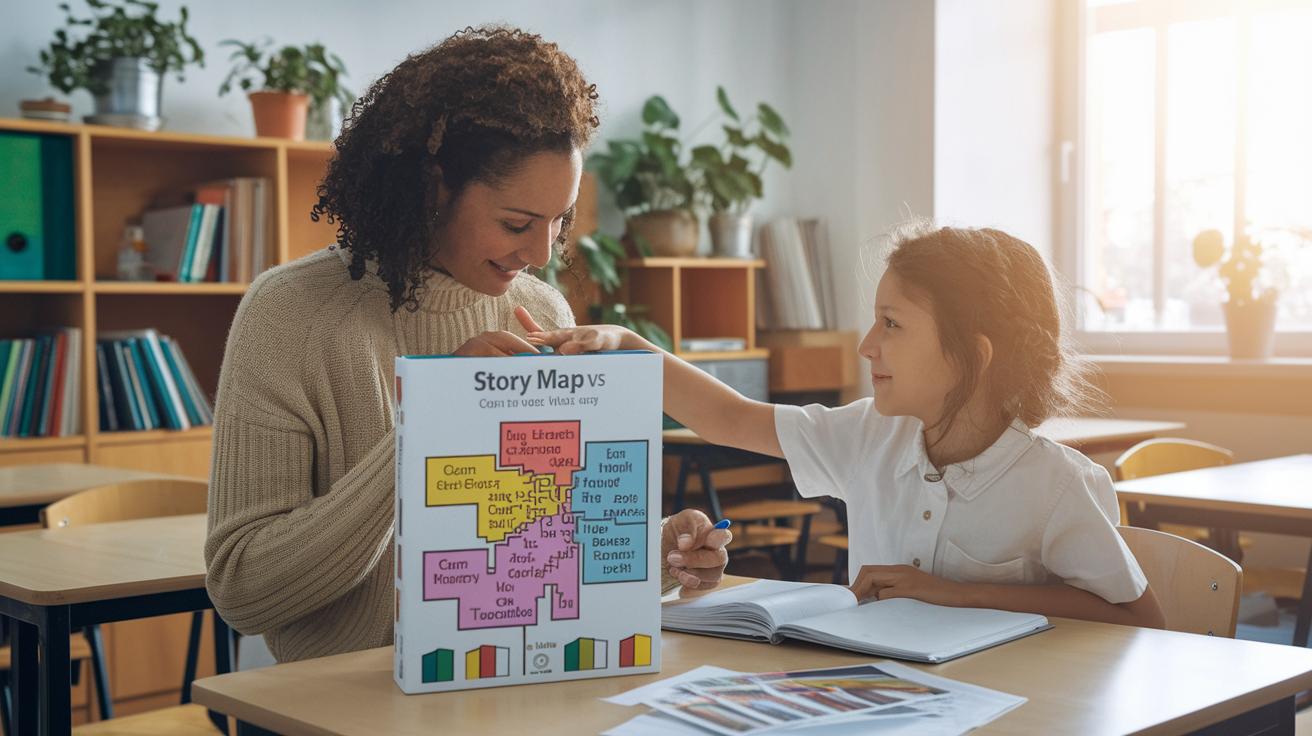
Start by sketching out your interactive module with a simple storyboard. Think of it as mapping out a journey where each scene sets the stage and gives students moments to choose what happens next. Imagine a quiet beginning that suddenly turns exciting at a key choice point.
Next, design your lesson to fit neatly into an hour. Break it into 8–12 clear segments with two exciting decision points. This setup works great whether students team up, work on their own, or even flip the classroom. Picture a part of the story where learners decide between exploring an old library or uncovering a hidden passage, each option adding its own spark.
After wrapping up the session, take a moment to gather what the students thought. Listen to which parts fired them up and note where the story might need a little more excitement. Use their thoughts to adjust the pace and fine-tune the interactive moments. It's like tweaking your favorite playlist, making small changes until everything feels just right.
Final Words
In the action, we explored how combining clear storytelling with digital tools sparks creativity in classrooms. The post highlighted methods like backward design and branching narratives, showing how interactive storytelling for education boosts engagement and learning outcomes.
We saw evidence from real-world examples and case studies that prove these techniques work. With a mix of multimedia prompts and thoughtful planning, teachers create exciting spaces for everyone to learn and have fun.
FAQ
Q: What are some interactive storytelling for education examples?
A: Interactive storytelling for education examples showcase multimedia projects where students choose story paths, boosting creativity and critical thinking while supporting reading and writing across subjects.
Q: Where can I find interactive storytelling for education PDFs and PPTs?
A: Interactive storytelling PDFs and PPTs are downloadable guides and presentation documents that illustrate narrative frameworks and visual examples designed to enhance learning through interactive methods.
Q: Where can I access free interactive storytelling resources for education?
A: Free interactive storytelling resources for education are available on various websites offering digital storytelling examples, templates, and tools that help teachers create engaging, choice-driven narratives in the classroom.
Q: What are some digital storytelling examples for education?
A: Digital storytelling examples for education blend text, audio, video, and images into engaging narratives that support lesson objectives while promoting active student participation and improved comprehension.
Q: Which methods are best for interactive storytelling in education?
A: The best interactive storytelling methods blend clear narrative structures, decision points, multimedia elements, and interactive prompts, all of which boost student engagement and foster critical thinking in diverse classrooms.
Q: Are there free digital storytelling websites and tools for teachers?
A: Free digital storytelling websites and tools for teachers offer platforms that integrate text, images, interactive maps, and quizzes, providing ready-to-use resources for creating dynamic classroom narratives.
Q: What are the 5 C’s of storytelling?
A: The 5 C’s of storytelling cover key elements like context, characters, conflict, clarity, and connection, all of which work together to create engaging narratives that effectively captivate and educate audiences.
Q: How does one make storytelling interactive?
A: Making storytelling interactive means embedding decision points, quizzes, and multimedia elements that allow students to choose narrative paths, ultimately fostering deeper engagement and hands-on learning experiences.
Q: What is interactive storytelling?
A: Interactive storytelling is a dynamic approach where multimedia and choice-driven paths engage learners, inviting them to shape the narrative while reinforcing concepts through active participation in the learning process.
Q: What are the 7 elements of digital storytelling?
A: The 7 elements of digital storytelling typically include point of view, dramatic question, emotional content, voice, soundtrack, pacing, and visuals, all of which work together to create an engaging, memorable narrative.
Q: Is there a digital storytelling course available?
A: A digital storytelling course offers step-by-step lessons on crafting interactive narratives using multimedia and decision points, perfect for educators and creators looking to enhance their storytelling skills.
Q: Can I use digital storytelling tools to write my story?
A: Digital storytelling tools let you draft and edit your narrative by combining text with multimedia elements, making it easier to create an engaging, interactive story that resonates with your audience.
Q: Is there a storytelling app for adults?
A: A storytelling app for adults provides features for creating, sharing, and exploring interactive narratives, offering a user-friendly interface that supports both personal expression and professional storytelling projects.
Q: What is a digital storyboard?
A: A digital storyboard is a planning tool that uses images, text, and multimedia elements to outline a narrative, helping creators organize the flow of their interactive storytelling projects efficiently.