Ever notice how some campaigns stick with you while others just seem to disappear? A great plan brings together clear goals, smart insights, and the right tools to create something memorable. Imagine your campaign working like a smooth machine, where every move is important.
This guide shows you how blending a solid strategy with fresh creative ideas can set your campaign apart and bring real results. Think of it like mixing your favorite songs to create the perfect playlist, each element plays its part to create an unforgettable experience.
Get ready to dive in and discover how brave, bold ideas can transform your campaign into a true powerhouse.
Campaign design: Bold Tactics for Bigger Impact

Every great campaign starts with a solid plan. When you sketch out a clear blueprint from the very start, you set yourself up for boosting brand awareness, driving more sales, or really connecting with your audience. A good plan helps the team stay on track and makes it easy to measure each move.
It all boils down to setting clear, S.M.A.R.T. goals (that means goals that are Specific, Measurable, Achievable, Relevant, and Time-bound) and picking the channels that click with your crowd. Whether you’re diving into social media, shooting out newsletters, writing blog posts, or even using offline materials, mixing these approaches can really make your campaign shine.
- Audience Research
- Goal Setting (S.M.A.R.T.)
- Creative Development
- Asset Production
- Channel Scheduling
- Performance Tracking
By linking these steps together, your campaign runs like a well-oiled machine. When you match what your audience needs with clear, measurable goals, your creative and strategy teams can whip up content that fits perfectly on every platform. This smooth collaboration also means you spend your budget smartly, hit your deadlines, and keep a close watch on the numbers like engagement and conversion rates. Every part of the campaign works hand in hand to create a powerful and effective promotional plan.
Strategic Campaign Design: Audience Insights and Goal Setting

Audience insights are the lifeblood of any good campaign. Knowing what your customers care about builds a rock-solid foundation for your creative work. When you listen to your audience, fresh ideas light up every step of the design process.
Gathering honest feedback is key. Simple surveys, friendly group chats, and clear data reviews help you spot patterns in what people do and like. These tools also let you see what your competitors are missing, giving you a chance to stand out. For instance, try asking, "What matters most to you in a brand?" This kind of input helps you craft a campaign that feels personal and different.
Armed with these insights, you can set S.M.A.R.T. goals that are clear and measurable. Turning your research into solid objectives keeps the creative process on track and helps you frame messages that truly connect with your audience. In the end, every part of your campaign will reflect your brand and resonate on a personal level.
Creative Campaign Design Layout: Messaging, Visual Storytelling, and Prototypes
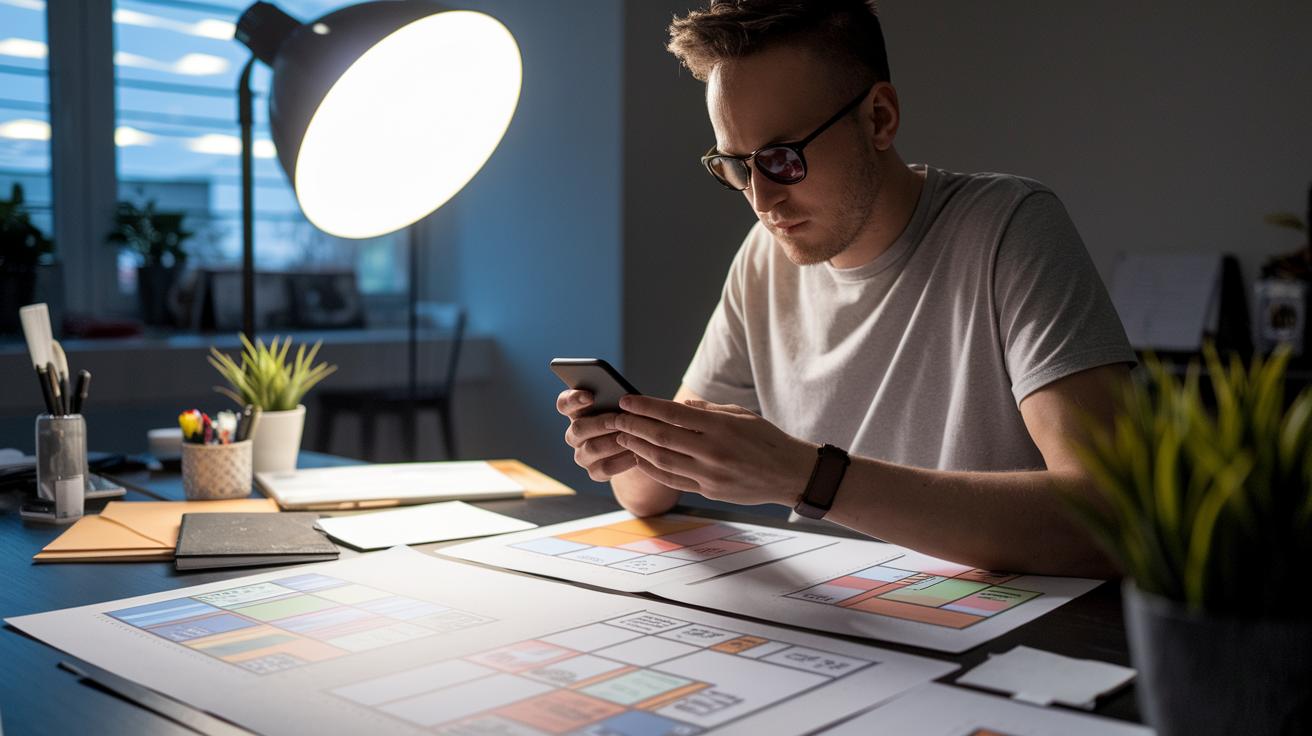
A creative brief is the first step in making a campaign truly memorable. It lays out clear goals, shows who the message is for, and sets the order of the messages. This guide helps everyone on the team know what key ideas to share, the tone to use, and the design touches that match the brand. Think of it like a quick snapshot that captures the perfect moment, simple, relatable, and impactful.
Next come the mockups, storyboards, and prototypes. These tools let you see your ideas come to life. You sketch out ads, social posts, emails, and landing pages so that you have a visual draft of your concepts. Then, you get feedback from your team to tweak and improve each draft until everything fits just right. This hands-on process makes sure that every final piece is strong, consistent, and exactly what you imagined.
| Component | Purpose | Format |
|---|---|---|
| Creative Brief | Aligns everyone on the message | Document |
| Storyboard | Shows the visual flow | Sketches |
| Mockup | Proves the design concept | Digital prototype |
| Final Asset | Ready for production | PSD/AI, video |
Campaign Design for Digital Outreach and Multi-Channel Coordination

Email outreach is all about making each message feel like a personal note from a friend. Imagine sending an email that kicks off with a catchy subject line and ends with a clear invitation to act, like getting a special invite to your favorite local gig. We use smart triggers and adaptable templates that change based on real-time actions from each reader, ensuring that everyone feels uniquely acknowledged.
Social media is where the fun really happens. Think of it as setting up your own mini-concert on platforms like Instagram, Facebook, and LinkedIn. By choosing standout images and writing lively, relatable captions, you grab attention even in a busy feed. It’s like telling a captivating story at a party where your visuals and words suddenly make everyone pause and listen.
In truth, tying all these digital elements together is what creates the magic. Every channel, from blog posts with clever narrative hooks to sleek visuals on website banners, contributes to a consistent vibe that keeps your audience engaged. Whether you're connecting through online posts or even printed materials, the result is a campaign that feels unified and lively, much like the synchronized energy of a live show.
Campaign Design Asset Creation: Graphics, Video, and Print Production

Designers take the creative brief and turn it into real, eye-catching pieces like digital banners, social ads, email templates, snappy video clips, print posters, and signage. They use high-quality images, clear branded text, and a steady color scheme to bring your campaign to life, just like watching your favorite live show light up the screen.
Quality matters here. The teams work hard to make every asset look polished and professional with sharp visuals and clean layouts. And if you ever need extra help, check out our digital content page for handy resources that make the creative process a breeze.
A solid version control system is key for smooth handoffs between the creative, design, and production teams. This setup means every file comes with clear guidelines about its details and updates, making sure everyone stays on the same page. Regular feedback rounds help fine-tune each piece, so tracking changes is easy and every part stays true to the campaign’s main vibe. In the end, organized work means every team member is clued in and the final assets shine with clarity and style.
Campaign Design Execution and Coordination: Launching the Campaign

When you kick off your campaign, it all starts with a simple schedule and timeline. Write down when each piece of content goes live and match it with the moments your audience is most tuned in. This plan helps you release posts, ads, and live events right when they can make the biggest splash.
Working together is a must. Chat with your media buyers, digital marketing pros, and social media managers to set up each step. Everyone plays a part, and when all the creative pieces come together in sync, it feels like the electric buzz of a live concert.
And don’t forget to plan for the unexpected. Have a backup ready for tech hiccups or sudden creative tweaks. Being prepared lets you adjust on the fly, keeping the momentum steady and your campaign on track, no matter what surprises come your way.
Campaign Design Performance Metrics and Effectiveness Analysis

When you build a campaign, picking the right measurement tools is the solid base you need. Start by matching your numbers with your goals: track likes and shares to see how engaged your audience is, check click-throughs and sign-ups to measure how many people take action, and compare your earnings with your spend to understand your return on investment. This clear picture shows what is working and which parts might need a tweak.
Using real-time monitoring is like having a live update during a game. Analytics dashboards, simple tools that show data as it happens, let you quickly see trends and spot any surprises. For example, if there’s a sudden drop in shares, a small content change might be just what’s needed to get your audience back in the groove. This constant check-in keeps your campaign energized from beginning to end.
After the campaign finishes, take time for a good review. Compare your numbers against the SMART goals you set at the start. Gather your team for an honest chat about the hits and misses, and figure out how you can do even better next time. Writing down these ideas makes a handy guide for planning your next bold move. This thoughtful wrap-up not only sharpens your current marketing efforts but also lights the way for future success.
Final Words
In the action, we unraveled the pulse of campaign design, from setting clear goals and pinpointing the target audience to selecting channels and tracking performance. A well-crafted framework lets teams sync smoothly and keeps every creative spark alive.
Each step in the campaign design process builds on the last, fueling a seamless flow from creative development to real-time results. Embrace these insights and carry that energy forward into your next captivating campaign.
FAQ
What is a design campaign?
A design campaign is a planned creative effort that uses visuals and clear messaging to achieve goals such as raising brand awareness or increasing customer engagement.
How do you make a campaign design?
Making a campaign design starts with clear objectives, audience research, creative development, and selecting the right channels while tracking performance to optimize results.
What are some campaign design ideas or templates?
Campaign design ideas and templates can include graphic examples, social media layouts, and marketing campaign examples that blend creative visuals with strategic messages to capture attention.
What are the 4 types of design?
The four types of design can include product, graphic, environmental, and digital. Each type focuses on different methods to present information and evoke specific responses.
What are the three types of campaigns?
The three types of campaigns often focus on promotion, engagement, and conversion. Each campaign type uses unique strategies and design elements to meet distinct business objectives.
Which platforms support campaign design?
Platforms like Canva, Pinterest, Freepik, Adobe, Wix.com, and HubSpot offer tools, templates, and creative resources that help produce effective campaign designs for various channels.
What is marketing campaign design?
Marketing campaign design involves developing a strategic plan that combines compelling visuals and messaging with targeted distribution to drive customer engagement and brand loyalty.
How does political campaign design differ?
Political campaign design emphasizes persuasive messaging and impactful visuals that connect with supporters, clearly communicate policy ideas, and build trust during election cycles.
What defines the latest design campaign trends?
The latest design campaigns often feature fresh visuals, interactive content, and integrated social media strategies that reflect current trends and resonate with today’s audiences.