Have you ever felt music wrap around you like you're in the middle of a live show? Immersive music turns everyday sounds into a three-dimensional experience. Imagine notes floating down from above or gently brushing past you, it almost feels like the sound is alive.
This cool approach uses smart speaker setups and special sound processing to treat you to a one-of-a-kind listening adventure. In this post, we'll dig into how immersive music mixes art and technology to create a vibe that's both engaging and fresh.
Immersive Music Defined: An Overview
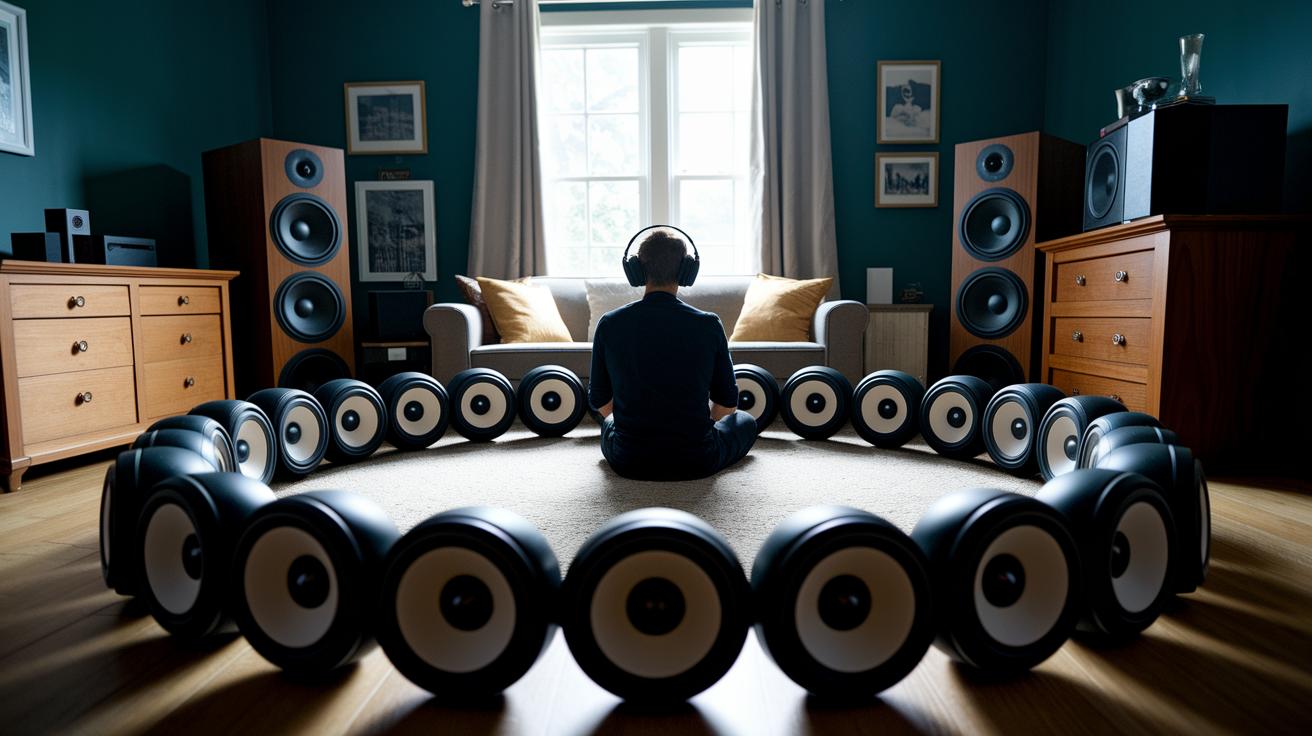
Immersive music changes the way you listen by going beyond the usual left-to-right stereo. It wraps sound around you, creating a three-dimensional experience. Imagine being at a live show where one moment you hear notes falling from above and the next, from your side. It’s as if the music surrounds you and feels almost alive.
This magic happens thanks to multiple speakers that work together, side and overhead, to give you clear clues about where every sound is coming from. Think of it like being right in the middle of a live performance, with each instrument taking its own spot on stage.
Binaural processing is another cool trick that helps tailor the sound when you’re using headphones or earbuds. It mimics the tiny differences our ears naturally pick up, like the varying delays and strengths in sound, so you really feel every bit of the performance.
In the end, immersive music isn’t just about hearing tunes, it’s about stepping into a vibrant sound scene where every beat and flourish creates its own special moment.
Origins and Evolution of Immersive Music
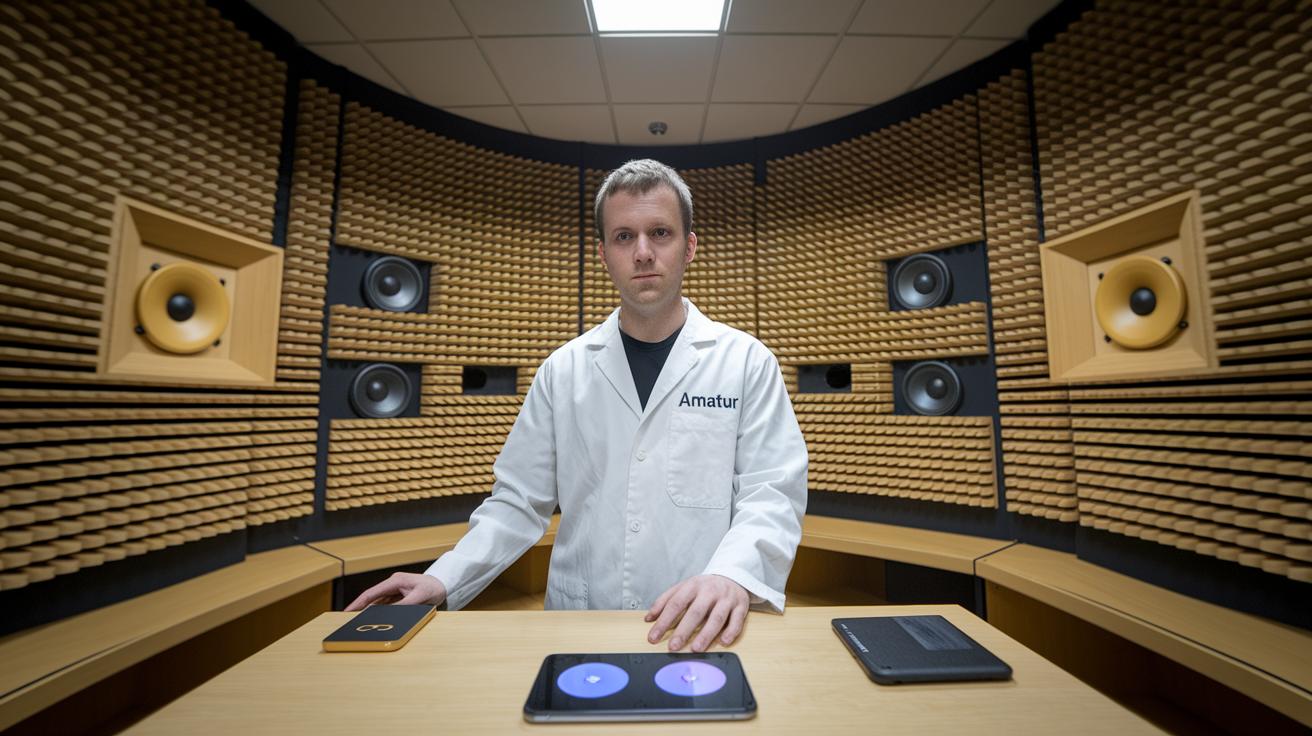
Immersive music got its start in university labs, where researchers played around with sound in ways that went way beyond simple left-and-right stereo. Imagine engineers in a lab, setting up speakers in unexpected spots to make you feel like the sound was coming from all around you, like being in the middle of a live show. It was a hands-on experiment that hinted at a completely new world of listening.
Today, those early creative trials have blossomed into fully developed immersive audio systems that totally change how we hear music. Dolby Atmos takes the lead by placing sounds exactly where they belong in a three-dimensional space, while Sony 360 and Auro 3D stick to strict rules with multichannel and overhead speakers so every note feels layered and real. Meanwhile, Apple Spatial Audio brings this breakthrough to everyday music lovers, making immersive listening accessible right from your phone or computer. Fun fact: before these setups became popular, studios only had left-and-right channels! Now, immersive music connects scholarly innovation with the everyday thrill of a complete sound experience.
Key Techniques in Immersive Music Production
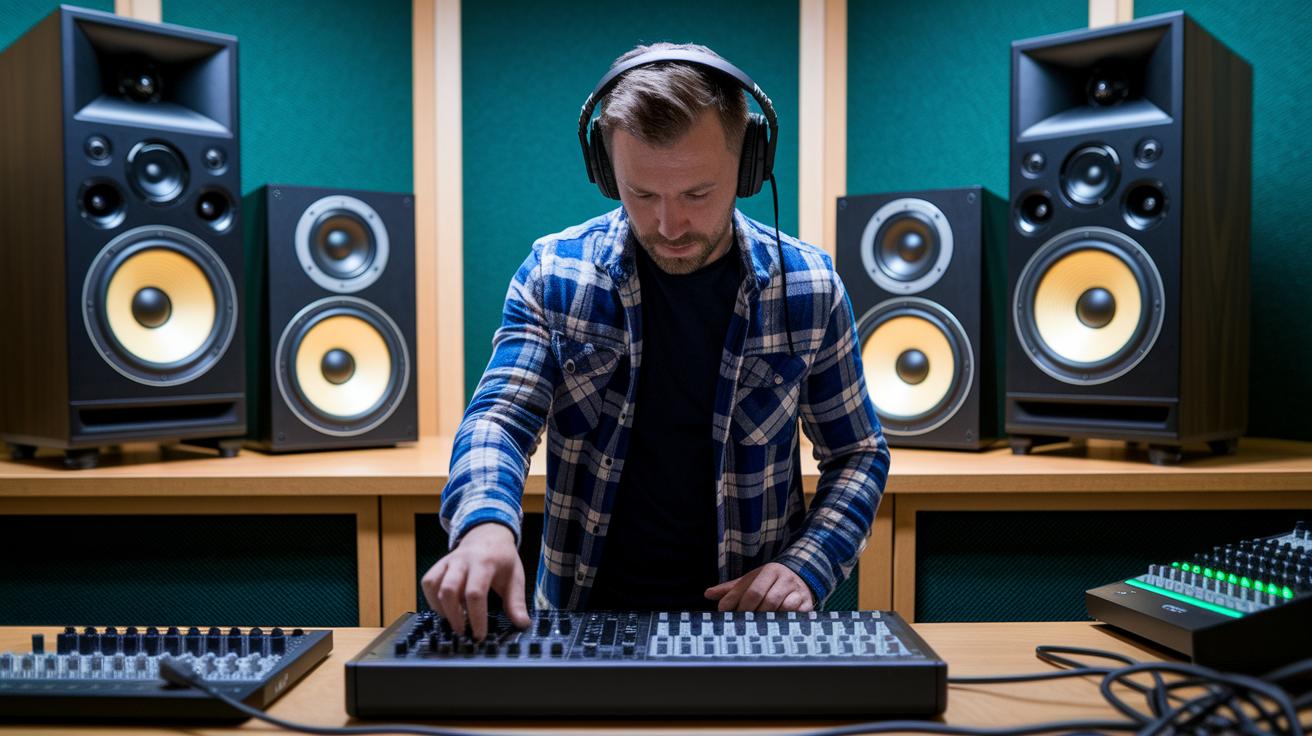
Step into a world that goes beyond simply hearing music, in this space, every sound feels like a personal experience. Immersive music production builds a three-dimensional environment where every note and beat comes alive in ways that tickle your senses. Advanced tech turns everyday recordings into almost magical adventures, much like a live studio session where every instrument seems to have its own little corner. With techniques such as object based mixing, producers can set up each sound exactly where it belongs, crafting the perfect stage for a memorable show.
Here are five main methods that create this all-around sound experience:
- Object based mixing and channel based formats: Imagine a live concert where every instrument has its own spot. This method treats each sound as a unique performer, setting the stage so that everything has its own special place.
- Binaural recording: This approach captures sound the way your ears naturally hear it. In other words, it creates a headphone experience that feels like you are right in the middle of the action.
- Speaker arrays: Using a mix of side and overhead speakers, as seen in setups like Dolby Atmos, Sony 360, and Auro 3D, this technique surrounds you with sound, telling a vibrant story from every angle.
- Ambisonic microphones: Think of these as cameras for sound. They pick up audio from every direction so you can reposition it later, giving you the freedom to craft a soundscape exactly the way you want.
- Dedicated immersive-audio software: This smart software manages all the tiny details in real time, ensuring each sound element fits perfectly together to create a seamless audio adventure.
Each of these techniques plays its own role as they come together to bridge traditional sound setups with the modern, vibrant world of immersive audio. Every beat, whisper, and crescendo pulls you deeper into the experience, making music feel like a living, breathing event.
Applications of Immersive Music Across Mediums
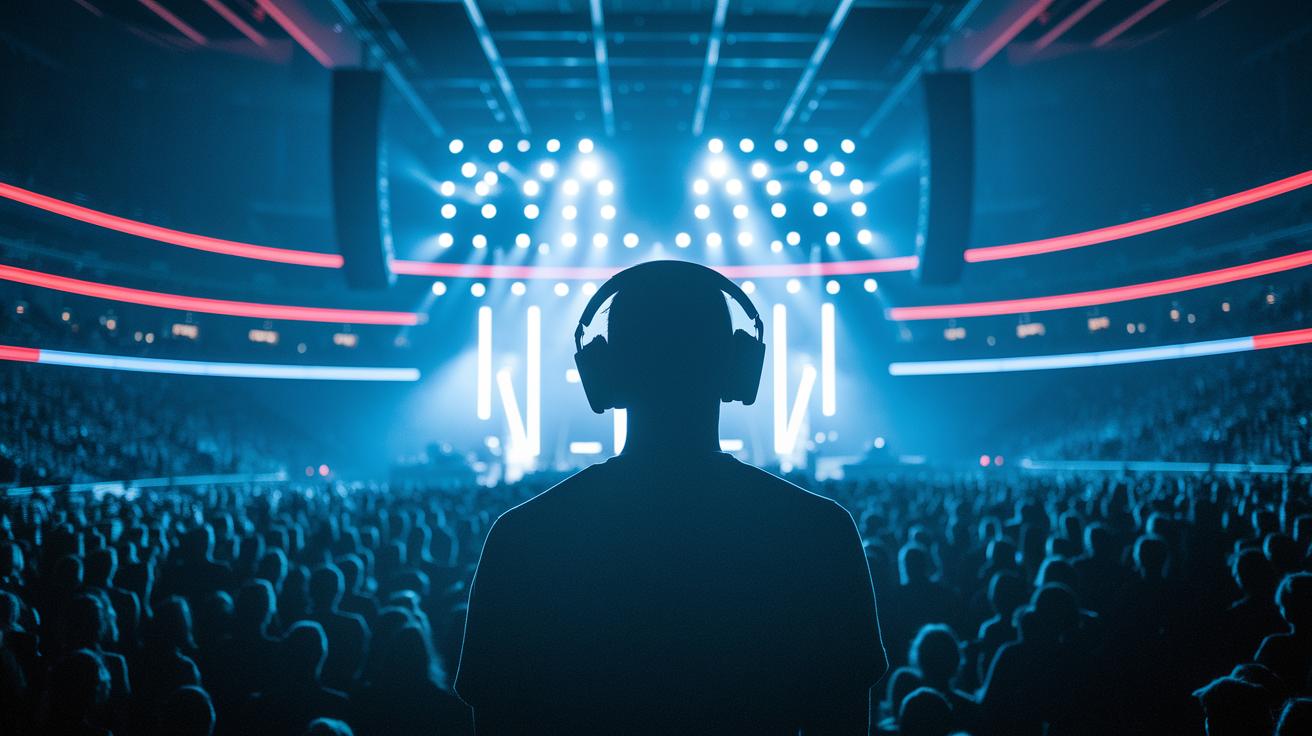
Immersive music shows up in all kinds of settings, turning everyday moments into unforgettable auditory adventures. At live events like concerts and sports games, sound isn’t just something you hear, it’s something you can feel. Picture yourself in a stadium where every cheer, every note, and every beat fills the air, making you a part of the moment. Spatial audio techniques recreate the buzz and energy of a live crowd, pulling you right into the heart of the experience.
Virtual reality takes things even further by surrounding you with a 3D soundscape that feels almost magical. In VR, interactive music lets you explore a digital world where sound moves with you, almost like walking through a living painting. Every step you take reveals new layers of audio detail, making the experience feel personal and immersive.
Gaming, too, benefits from this approach with object-based audio that places sounds all around you. Whether it’s footsteps echoing behind you or vibrant ambient noises coming from a distant corner, this smart audio design makes the game world feel real and exciting. It’s like having your favorite game come to life with every sound perfectly placed.
Movies have joined the fun as well. With technology like Dolby Atmos, soundtracks wrap you in a rich audio blanket that follows the action on screen. And even luxury cars are getting in on the trend, with spatial audio systems that give drivers and passengers a theater-like experience on every drive.
| Application | Description | Example |
|---|---|---|
| Live Events | Concerts and sports arenas use spatial audio to recreate the excitement of being there. | Stadium concert with immersive surround sound. |
| Virtual Reality | Interactive 3D audio that follows your movements in real time. | VR experience where soundscapes change as you move. |
| Gaming | Audio engines that position sounds around you to enhance realism. | Game sounds from specific directions enriching the play. |
| Automotive | High-end vehicles use spatial audio for a theater-like ride experience. | Luxury cars with premium, immersive sound systems. |
Notable Examples of Immersive Music Experiences
Imagine you’re tuning in to your favorite streaming app when a classic track suddenly bursts with incredible clarity. It’s almost as if the music has stepped right out of your speakers. Apple Music and Tidal now offer Dolby Atmos and spatial-audio releases that make both new hits and old favorites feel fresh and alive. One listener even said that a pop ballad felt like the vocals were lifting off the page, wrapping the room in warmth.
Take Disney’s Fantasia immersive exhibit, for example. Imagine walking into a space where every note is placed with care, as if you’re stepping into a living, breathing painting that sings. These curated soundscapes turn familiar tunes into dynamic, interactive art and create an experience that feels truly magical.
Virtual concerts are another cool way to get lost in the music. Platforms like TheWaveVR offer fully interactive 3D audio performances where every beat moves around you. It’s like being at an online concert where the sounds wrap around you under a digital sky, making each moment feel special.
Fans are saying these immersive methods pack a real emotional punch. They mention how the audio feels almost tangible, like sharing a personal moment with the artist, and it brings each song to life in a way that hits you right in the heart.
Highlights include:
- Dolby Atmos releases that breathe new life into classics
- Immersive exhibits featuring carefully curated soundscapes
- Digital concerts with interactive 3D audio environments
- Genuine fan reactions to the unmatched presence of immersive mixes
Future Trends in Immersive Music Technology
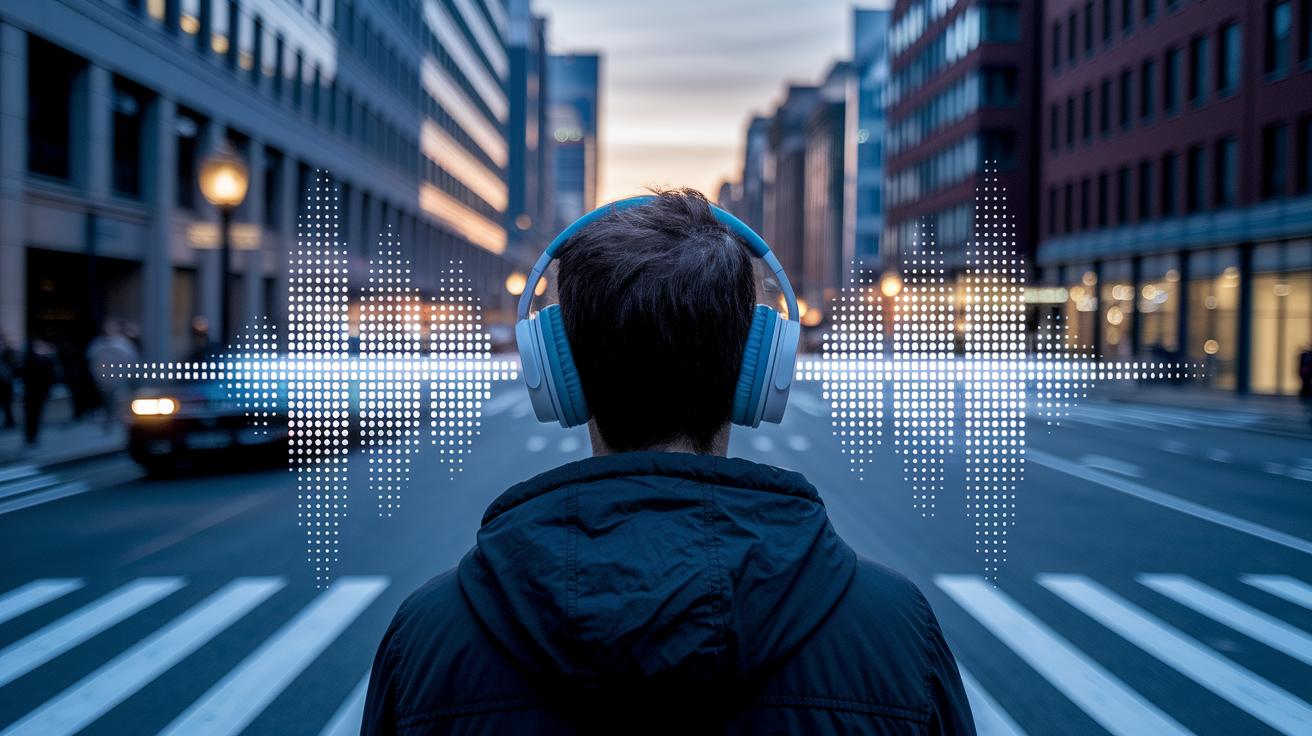
New trends in immersive music are changing how we enjoy every beat and note. Imagine carrying a powerful audio setup in your pocket, a pair of headphones that fill your ears with rich, enveloping sound, making every step feel like entering your own personal concert.
Sound is being treated like art now. With object-based audio and cloud-powered rendering, creators can place sounds exactly where they want in a 3D space, making every performance feel fresh and tailored. It’s as if the sound is painted in real time on a digital canvas.
Then there’s the boost from AI-assisted mixing tools and acoustic modeling that make crafting these soundscapes easier than ever. It’s a bit like putting together your perfect playlist: choose your favorite beats, arrange the sounds, and watch everything come alive in a flash.
Live shows are getting even more interactive. Performances might soon adjust their audio in real time based on the audience’s energy. Thanks to these innovations, every concert could soon feel like a unique, shared experience, ensuring every listener is not just in the crowd but part of the show.
Final Words
In the action, we explored immersive music by breaking down its definition, evolution, and production techniques. We saw how 3D sound moves beyond stereo to deliver a surround experience using speaker arrays and binaural processing. We also touched on how immersive music brings life to live events, VR, and more. By examining real-life examples and future trends, the piece clearly shows what is immersive music and why it’s a game-changer. It's all about making sound feel real and connecting us through shared, next-level entertainment.
FAQ
What does immersive music mean and what are some examples?
Immersive music means a three-dimensional sound experience that surrounds listeners using advanced audio techniques. Examples include Dolby Atmos tracks and binaural recordings that place sounds all around you.
What is immersive audio?
Immersive audio is a sound mix that goes beyond standard stereo by arranging sounds in three dimensions using techniques like binaural processing and multiple speaker setups to wrap the listener in sound.
What are immersive sound speakers?
Immersive sound speakers are designed to position audio around and above the listener using lateral and overhead setups. They help create a full, three-dimensional audio atmosphere in both recordings and live events.
How does immersive audio differ from spatial audio and Dolby Atmos?
Immersive audio creates a complete 3-D experience, while spatial audio also uses three-dimensional cues. Dolby Atmos is a specific format that uses overhead speakers and object-based mixing for precise sound placement.
What are immersive audio headphones and does Bose offer any?
Immersive audio headphones simulate a 3-D sound space through binaural processing, giving a room-like experience. Bose offers models with features designed to create a more engaging, surround-sound effect.
What is immersive music as discussed on Reddit?
On Reddit, immersive music refers to sharing tracks that use spatial audio and binaural techniques to create a surround-sound effect, sparking discussions about enhanced listening experiences and innovative sound design.
What’s the point of immersive audio?
The point of immersive audio is to create a lifelike, surround-sound experience that makes music, films, or games feel more natural and engaging, drawing listeners deeper into the audio.
What qualifies as an immersive audio album?
An immersive audio album qualifies when it uses multi-channel setups or binaural techniques to deliver a detailed three-dimensional soundscape, providing listeners with a fully enveloping and dynamic auditory experience.