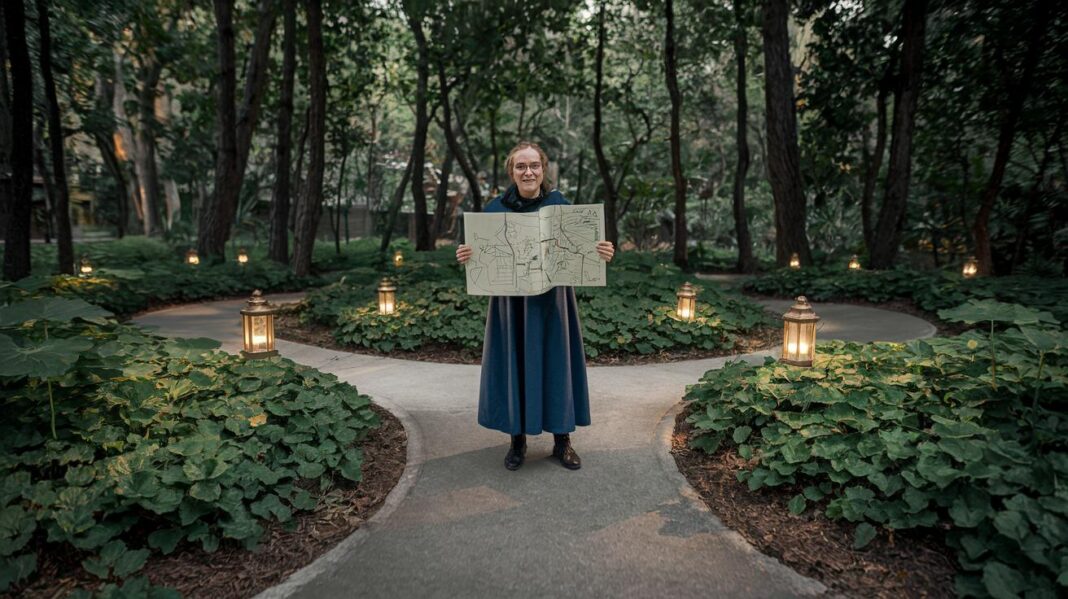
Ever wondered what it feels like to control a story with your own choices? With branching paths storytelling, you jump right into the action. Every choice you make adds a twist to the tale, almost like you're directing a live show. And the best part is, you can change the story in unexpected ways just by picking a different route. In this post, we'll take a look at a few examples that show how a story becomes more interactive and fun when you get to decide what happens next. Stick with us to see how your next story might transform with each choice you make.
Branching Paths Storytelling Examples: Captivating Tales

Imagine stepping into a story where every choice you make sends the plot down a new, exciting road. That's what branching paths storytelling is all about. It feels like you're not just watching or reading, you’re part of an adventure where every decision tweaks the tale in a fresh, personal way.
This style grabs you because it lets you see the real impact of your choices. One moment, you're in a calm room; the next, you're in the thick of a twist you never saw coming. It’s like the buzz you feel right before a live concert heats up the crowd. Whether you're gaming, reading a book, or watching an interactive film, the experience is as engaging as picking your own path in a maze.
Check out these cool examples:
- Baldur’s Gate 3 offers an epic role-playing journey, where you build your character and steer the story through your choices.
- Choose Your Own Adventure books whisk you away on mini detours where every decision gives you a peek into a new twist before reconnecting with the main narrative.
- Black Mirror: Bandersnatch transforms movie-watching into a hands-on experience, throwing decision points your way that lead to totally different endings.
Each example shows how branching paths storytelling lets everyone find an outcome that fits their vibe. It's like choosing your own playlist, you pick the beats and the mood. And that makes the whole ride as thrilling as the destination.
Visualizing Branching Paths Through Decision Tree Narratives

Imagine making choices that light up your story like a vibrant light switch. Every decision gives you a new twist or turn that feels real and exciting. Decision tree narratives work by letting you pick answers to simple questions, and each pick guides you to a different part of your adventure. Some choices quickly bring you back to the main path, while others lead you into a maze of events that feel both surprising and connected.
Think of it as drawing a colorful map of your story. Every little turn you take makes the whole narrative feel more alive and intentional. With this clear visual map, you can see how even a small choice can change the whole vibe of your tale.
| Example | Decision Point | Outcomes | Story Impact |
|---|---|---|---|
| Video Game Titles | Choosing a weapon | Unique fighting styles | Changes battle strategies |
| Interactive Film | Selecting a route | Different endings | Gives emotional impact |
| Online Training Module | Answering scenario questions | Feedback through character moods | Deepens the learning experience |
| Adventure Book | Turning the page at a decision | Temporary detours then return to the main plot | Keeps the overall storyline strong |
Visual mapping is like sketching a clear picture from vague ideas. It gives creators a handy guide to plan and polish a story that feels fresh, engaging, and totally connected.
Shallow vs Deep Branching Paths in Multi-Outcome Story Design

Multi-outcome story design is all about giving you choices that either circle you back quickly or change things for the long run. We've looked at examples and maps before, so here are the key differences in simple terms.
Shallow Branching Overview
Imagine flipping through a Choose Your Own Adventure book. There’s a moment when you choose to go into the forest, and then, boom, you're back on track. Shallow branching works just like that, a quick detour that spices up the story without steering you too far off the main path. For example, you might see a short choice like, "Take the left path. If you choose the cave, you'll soon uncover a hidden door that reconnects with your quest." It adds a twist without muddying the overall plot.
Deep Branching Models
Deep branching is where your choices really stick and shape what happens next. Think about a game like Baldur’s Gate 3: each decision can lead to new adventures, secret quests, or even change how you relate to other characters for a long time. One choice might be, "Choose to spare the guard." This isn't just about what happens right away, it sets off a chain reaction that can change major parts of the story later on. Digital storytelling today shows us how these deep choices can weave multiple storylines together, giving you an experience that feels both vast and personal.
Branching Paths in Books and Interactive Films

Choose Your Own Adventure books changed the way we enjoy stories. They let you pick your path, whether you venture down a shadowy corridor or take a bright, scenic route. With every decision, you unlock a new chapter full of surprises. Picture turning the page and finding yourself in a hidden garden full of mystery and excitement.
Interactive films take this idea even further. They put you in control, letting you steer the story just like in Black Mirror: Bandersnatch or Late Shift. Each click changes the course of the tale, maybe you decide to face a curious stranger or slip into the shadows, leading to a completely new ending. This interactive twist makes you feel like you’re really part of the action.
Audiences love this fresh approach because it makes every story personal. Each choice sends ripples through the narrative, inviting you to experience the tale again and again. Imagine stepping into a secret room that might reveal a helpful ally or throw a surprising twist at you. Every decision keeps the adventure alive and full of new discoveries.
Rewards and Risks in Branching Paths Story Development

Branching narratives light up the experience by giving audiences the power to choose their own adventure. Every choice adds a little twist that pulls you right into the action, making you feel like you're part of the story rather than just a bystander.
Building these stories takes careful planning. Every decision point needs a clear path so that nothing feels out of place. Think of it like laying out a map where each road leads to a new surprise, and every twist is as engaging as the last.
Sometimes, though, not every branch gets the love it needs. When a storyline feels rushed or incomplete, it can leave you a bit disappointed. It’s like starting a game or a book only to hit a dead end that saps the magic of the journey.
At the end of the day, balancing rewards with potential risks is all about trust in the creative process. Not every path will sparkle, but a well-designed story makes sure each choice feels worthwhile and true to the adventure you're on.
Best Practices for Branching Paths Storytelling Design

Clear choice moments are the lifeblood of a great narrative. Every option you offer should have a real impact, pushing the story forward. Think of each decision as a fork in the road, one simple choice can totally change the course of the tale. For example, you might prompt, "Step into the busy market and uncover a secret that turns everything upside down." A neat, engaging decision builds trust and invites your audience to explore different story paths.
Mapping tools are key to keeping your story neat and connected. A visual diagram or a simple flowchart lets you see every branch of your narrative in one clear view. Picture sketching a story where each decision lights up a new mini-adventure before coming back to the main plot. This approach makes it super easy to adjust the paths without losing sight of the overall story.
Feedback also plays a big role in interactive plots. Rather than calling choices simply right or wrong, show how the characters feel about each decision. You might have a character express hesitation or burst into joy depending on the choice made. This kind of emotional response brings a personal touch, making the experience more immersive for your audience.
Keeping branch complexity in check is equally important. Limit the depth of choices to avoid a tangled mess while still offering diverse outcomes. By making each decision’s impact clear, you guide the flow of your story and ensure every path feels thoughtful and rewarding.
Final Words
In the action, we explored the magic behind branching paths storytelling examples. The article broke down how different media, games, interactive films, and books, use decision-making moments to create varied outcomes. It highlighted key narrative approaches and design tips that make every choice count.
We saw how examples from Baldur’s Gate 3 and Black Mirror: Bandersnatch illustrate unique paths and influence interactive storytelling. The ideas here spark fresh, high-energy ideas for digital enthusiasts. Enjoy the creative process and celebrate every twist in your interactive narrative design.
FAQ
What is a branching story?
A branching story means that the narrative splits into multiple paths based on decisions. It offers different outcomes and creates an interactive experience that feels personal and dynamic.
What are some branching storytelling examples?
Branching storytelling examples range from interactive discussions on Reddit and games with various endings to planners that map decision points, much like interactive films that offer alternate narrative routes.
How do you write a branching story with dialogue?
Writing a branching story involves outlining key decision points and planning alternative dialogue. Start with a clear plot map and craft dialogue options that naturally guide readers along different narrative paths.
What are the five stages of storytelling?
The five stages often include setting the stage, building rising action, reaching a turning point, exploring consequences, and wrapping up the narrative. Each stage shapes an interactive and engaging experience.
What are the four P’s of storytelling examples?
The four P’s refer to pivotal elements like point, path, progression, and payoff. They help frame the narrative so that each choice feels meaningful and connected to the overall story.
What is branching in games?
Branching in games means designing storylines that split based on player decisions. This method creates varied playthroughs, extends replay value, and offers players a unique and adaptive narrative experience.


