Ever notice how some brands just click with you? They pull off integrated campaigns that are like your favorite band playing in perfect harmony. Each piece, whether it's on your screen or in a local ad, adds to the whole sound.
When everything lines up just right, the brand talks with one clear, friendly voice that really grabs your attention and earns your trust. Blending online and offline media makes every campaign feel like a well-rehearsed performance full of genuine connection.
Give it a try and see how mixing these channels can keep your message tight, on beat, and always within reach.
integrated campaigns Spark Seamless Brand Unity
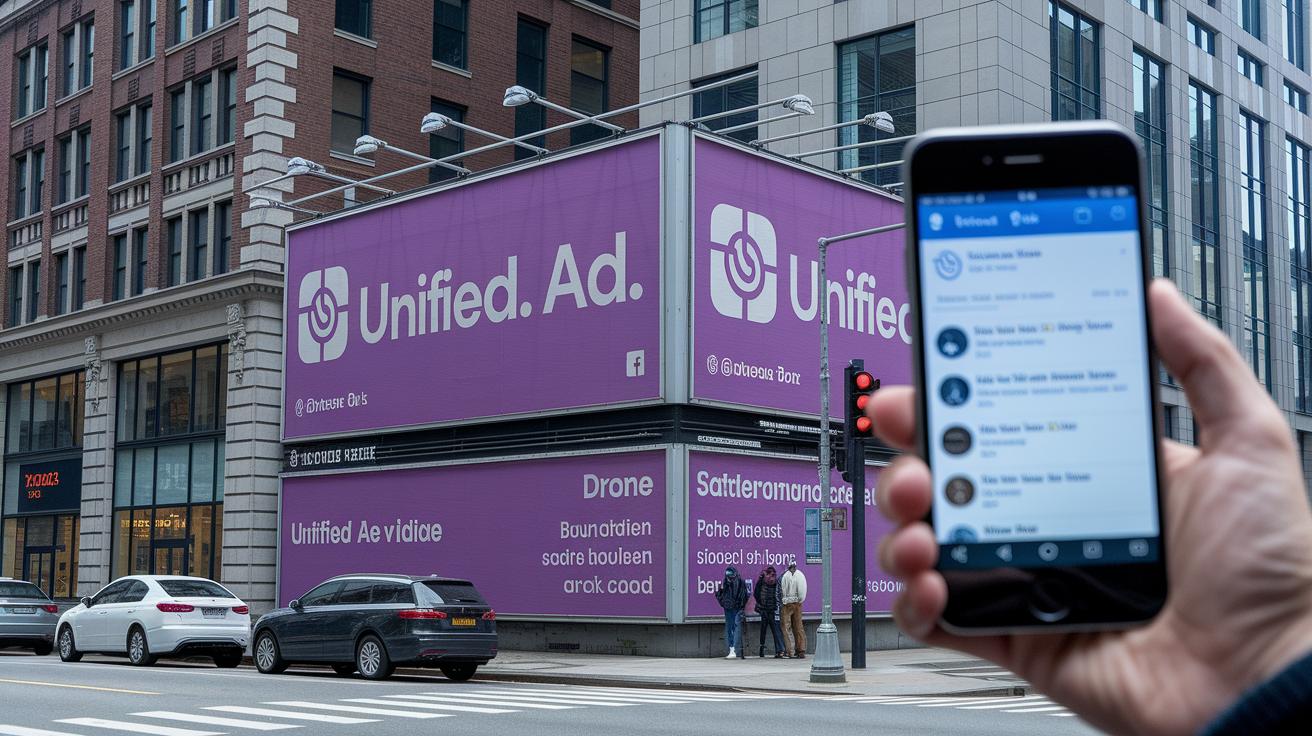
Integrated campaigns blend digital, social, and traditional channels with a mix of paid, earned, and owned media to deliver one smooth brand message. Every touchpoint, from a TV ad to a social media post, shares the same story, creating a vibe that feels both consistent and genuine.
Imagine your favorite brand spinning one captivating tale across a billboard, a tweet, and a website banner. Each piece works together like parts of a great playlist, reinforcing the message and making it impossible to ignore.
When the messaging stays on point, audiences see the brand as reliable and clear. A united voice avoids those jarring moments when different ads seem to speak in different languages. Instead, it builds a connection that feels natural and trustworthy.
Using an integrated approach also means reaching a larger crowd. By mixing digital promotions with traditional ads, brands tap into a wider pool of potential fans. Think of it like combining the best of both worlds, where each medium supports the other to light up both awareness and sales.
When you compare digital and traditional channels, a well-planned multi-channel campaign makes every interaction count. By streaming together cross-channel ideas, brands create an engaging journey that not only boosts revenue but also nurtures a loyal fan base.
Key Steps for Building Integrated Campaigns

Kick things off by setting clear, measurable goals using the SMART approach, goals that are specific, measurable, achievable, relevant, and time-bound. Imagine this: a tech startup boosted its engagement by 40% in one month just by sharpening its messaging. That surprising fact shows how important a solid plan is from the very start.
Then, get to know your audience. Who are they, and where do they hang out? Whether they're scrolling on social feeds, watching TV, or flipping through magazines, a quick survey or some simple analytics can help you create a friendly profile of your ideal customer. This insight is like having a backstage pass, it guides you in choosing the right channels for your campaign.
Next, mix and match different channels to spread your message. Think of it as assembling your favorite playlist. Combine digital, social, traditional, paid, earned, and owned media in a way that every touch feels connected. If you use visual storytelling, for example, make sure your video ads and website graphics share the same vibe and style.
After that, craft content that fits naturally on each platform. Adapt your message just enough to suit the medium while keeping your core story intact. Use handy automations and expert templates to spark your creativity and keep everything on track, ensuring that your campaign feels unified no matter where it appears.
Finally, launch your campaign and watch it go live. Keep track of how everything performs with tools that offer over 130 pre-built integrations. Monitor key metrics, and let AI-driven insights and simple email tools guide you as you tweak your strategy for the next round.
- Set clear goals using the SMART approach
- Get to know your audience and their channel habits
- Mix various channels that work well together
- Create tailored content that ties everything together
- Launch your campaign and track its progress
Each of these steps builds on the last, making sure your integrated campaign stays cohesive, engaging, and ready to fuel growth.
Integrated Campaigns Strategy in Practice: Real-World Examples
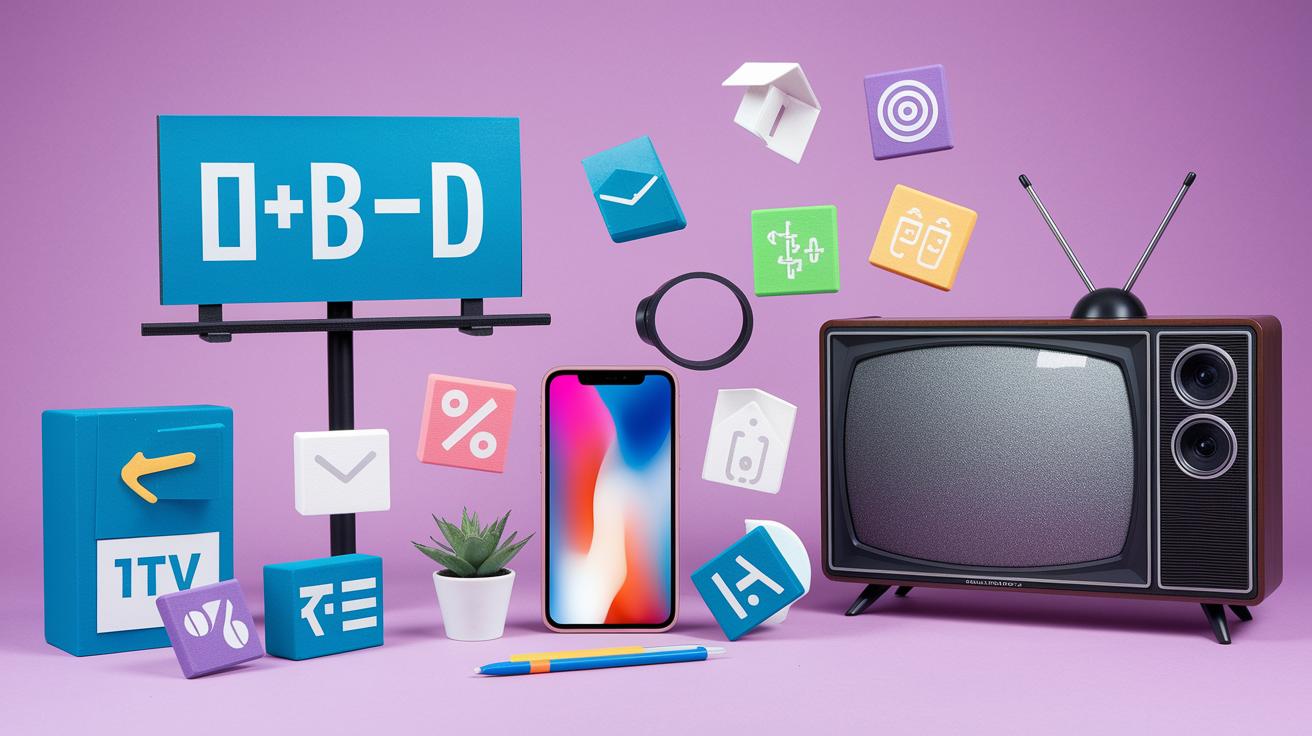
Watch how big brands mix their messages across all kinds of channels. Take Starbucks Pumpkin Spice Latte, for instance. Since 2003, it has reached people on social media, TV, print, and email. Imagine a story that pops up on your phone and then shines on a billboard, like that tune you simply can’t get out of your head.
Apple’s Shot on iPhone campaign is just as cool. It shows off photos taken by everyday users on YouTube, TV, and social apps. Picture one snapshot turning into a global story that millions share. This approach pulls you in by making you part of the creative process.
Next up is the Hyundai Elantra campaign from 2021. It rocked with a smart blend of online ads and TV spots. This campaign shows that a well-thought-out plan across channels can win awards and claims hearts at the same time.
Then there’s the film Fatima. It made its debut on Facebook and then sparked talks on other social channels. This mix of traditional event launches with new media stokes curiosity and keeps conversations going.
Victoria Monet’s Audience campaign also hit the mark. It brought together Instagram posts, Facebook updates, and even outdoor billboards to share a bright, steady message. Similarly, REI’s #RecreateResponsibly campaign teamed up with local wildlife groups in Washington to celebrate the great outdoors.
Melt Cosmetics got its fans buzzing with a lively mix on its website, Instagram, and Facebook in the She’s in Parties campaign. This shows just how powerful it is when digital tools work in harmony. And then there’s Brew Dr. Kombucha’s Love Wins campaign, which featured limited-edition rainbow packaging during Pride Month to add an extra burst of festive flair.
Each of these stories proves that syncing multiple channels can really boost brand engagement and even drive sales.
Best Practices for Managing Integrated Campaigns

Team up marketing, sales, and product groups to break down barriers. Working together lets everyone see the big picture and keeps your brand message clear. Try using visual collaboration tools, like digital whiteboards, so ideas keep flowing without any mix-ups. This close teamwork makes every campaign step feel naturally connected.
Gather your data all in one place with ready-made integrations and flexible APIs. With everything on one view, you won’t need to jump between systems. It’s like having a single dashboard that shows all the key numbers and details guiding your strategy.
Use AI-driven insights combined with standard templates. When you notice a sudden spike in engagement, these smart insights help you adjust your content quickly. And with set templates, everyone stays on the same page, keeping your message consistent across channels.
Set clear messaging rules and approval steps so nothing off-brand slips through. This means using cross-team collaboration, visual tools, centralized data, AI insights with templates, and consistent messaging standards to keep your work tight and true.
Follow these steps to keep your campaign perfectly aligned and ready to impress at every touchpoint.
Measuring Integrated Campaigns: Metrics and Tools

Integrated campaigns live and breathe through numbers. Think of reach, engagement rate, conversion rate, and ROI as the heartbeat of your show. Each metric delivers a flash of insight into how your audience is vibing with your message. For example, imagine learning that a campaign can lift conversion rates by more than 30% when every piece, from a social post to a TV ad, plays its part perfectly.
To really see what’s happening, use analytics platforms that pull all your data together. These tools let you enjoy the full picture by connecting every channel like scenes in a live performance. You get real-time feedback, almost like feeling the electric buzz of a live concert, thanks to AI-driven insights and handy email capture tools.
When a campaign isn’t hitting the mark, digging into the numbers is key. If your engagement rate dips or ROI isn’t what you expected, take a closer look. Break things down channel by channel to spot where the tune isn’t quite right. This step-by-step process guides you to fine-tune your approach and make each new effort shine brighter than the last.
For those who love a tech edge, check out campaign software like this one: https://thezeff.com?p=. It’s designed to make choosing and syncing up the right analytics tools a breeze. With real-time data and detailed performance insights, you’re empowered to tweak your strategy on the fly, keeping your digital efforts as dynamic and connected as you are.
Final Words
In the action of merging digital, social, and traditional channels, this blog post explored how a unified message sparks customer engagement. We walked through a step-by-step campaign planning guide, shared real-world examples, and outlined essential best practices. The discussion also shed light on measuring outcomes with the right tools and metrics. Integrated campaigns bring together diverse media to create a cohesive brand experience, inspiring creativity and strong connections. Let the energy of these insights motivate you to drive your next integrated campaigns toward success.
FAQ
What is an integrated campaign?
An integrated campaign is a marketing effort that brings digital, social, and traditional channels together into one consistent message across every touchpoint to boost brand impact.
What are some recent examples of integrated marketing campaigns?
Recent integrated marketing campaigns include well-known efforts like Starbucks’ seasonal promotions, Apple’s user-generated content events, and DECA examples where digital and in-person channels combine to spread a unified brand message.
What is an integrated marketing campaign template?
An integrated marketing campaign template is a ready-to-use guide outlining steps from setting SMART goals and understanding the audience to choosing the right channel mix and tracking performance, helping you build smooth campaigns.
What are the three types of campaigns?
The three campaign types often refer to digital, traditional, and integrated campaigns that blend elements from both, offering a full, connected approach to engaging audiences.