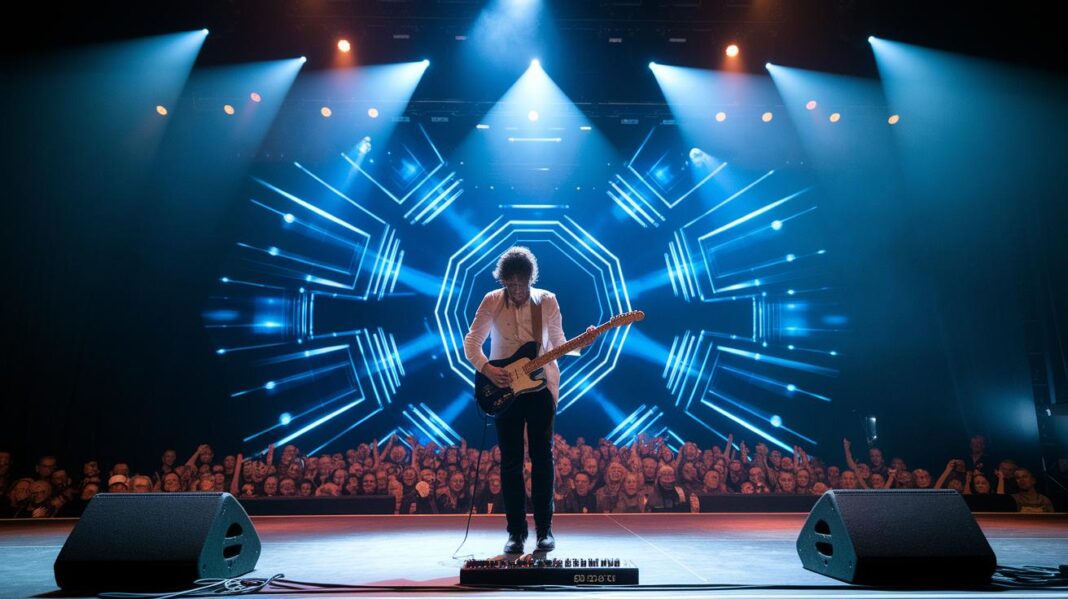
Have you ever felt like you stepped right into the music at your favorite concert? Thanks to immersive live music technology, every show transforms into something much more than a simple performance. Imagine blending vivid visuals, real-time sounds, and digital art to create a full-sensory journey. Every beat pulses to life with graphics that perfectly match the rhythm, making you feel like you're part of the magic. This fresh, breakthrough method is turning concerts into interactive adventures you won't soon forget.
Immersive Live Music Technology: Inspiring Every Performance
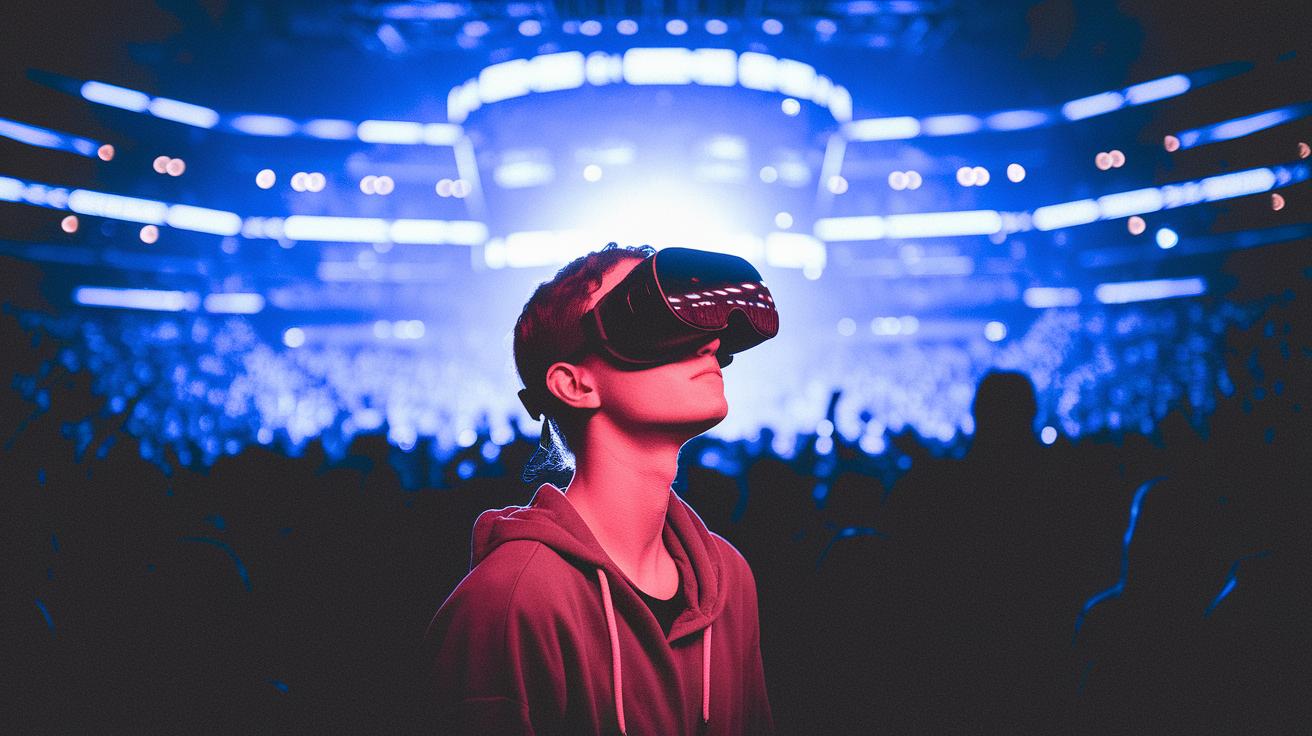
Immersive live music technology turns a regular show into a vibrant, multi-sensory event that pulls you right into the action. It uses cool tools like virtual reality, which lets you feel like you're in the front row even from afar, augmented reality that adds sparkling digital graphics over the stage, and mixed reality that blends live instruments with digital tunes to heighten the experience.
- Virtual reality: Watch shows from fresh angles, whether it's from the front row or backstage.
- Augmented reality: See digital art and graphics come alive on stage, adding extra flair to the performance.
- Mixed reality: Combine the energy of live music with digital soundscapes for a richer, more interactive vibe.
- Spatial audio craftsmanship: Enjoy sound that surrounds you from all sides, creating a 360-degree acoustic wonder.
- Digital concert augmentation: Experience live visuals and production elements that dance perfectly with the music and your reactions in real time.
Innovative moments like Metallica’s VR concert in Mexico City using Apple Vision Pro have reshaped what a live show feels like. Imagine being so close that every note seems made just for you. Amazing, right?
Over 150 immersive projects have shown that merging live sound artistry with cutting-edge visuals can transform any concert into an interactive treat. With features that let fans trigger cool effects through apps and web-based AR, like the FanPort project at AWE 2024, live music becomes a shared, unforgettable experience.
Hardware Breakthroughs in Concert Visual Synergy
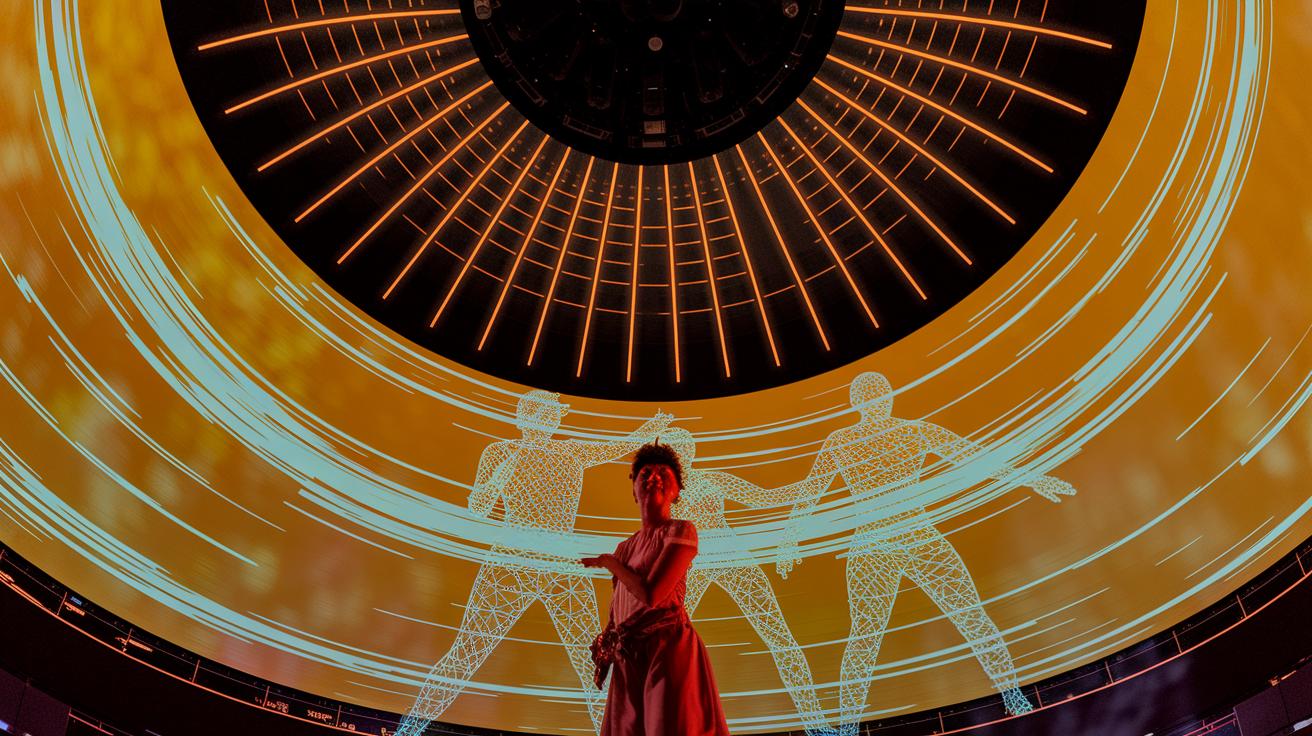
At Sphere Las Vegas, concert visuals have reached a whole new level. Picture a 16K×16K LED dome that covers the walls and ceiling, making every inch of the space burst with light. This setup mixes vibrant LED displays with smart sound beamforming to match every beat perfectly, pulling you right into the heart of the show.
3D projection mapping steals the spotlight as images flow and shift with the music in real time. The stage turns into a lively canvas where visuals dance to each song's rhythm. Curious about how it all works? Check out "Immersive Art and Digital Storytelling" to see how these interactive scenes come alive with every note.
The magic continues with holographic displays and mixed-reality installations that bring virtual performers straight onto the stage. Even costumes and instruments play a part, triggering cool visual effects with their built-in sensors. All these elements blend together to create a show that's both futuristic and full of life.
Crafting 360-Degree Acoustic Environments with Advanced Sound Engineering
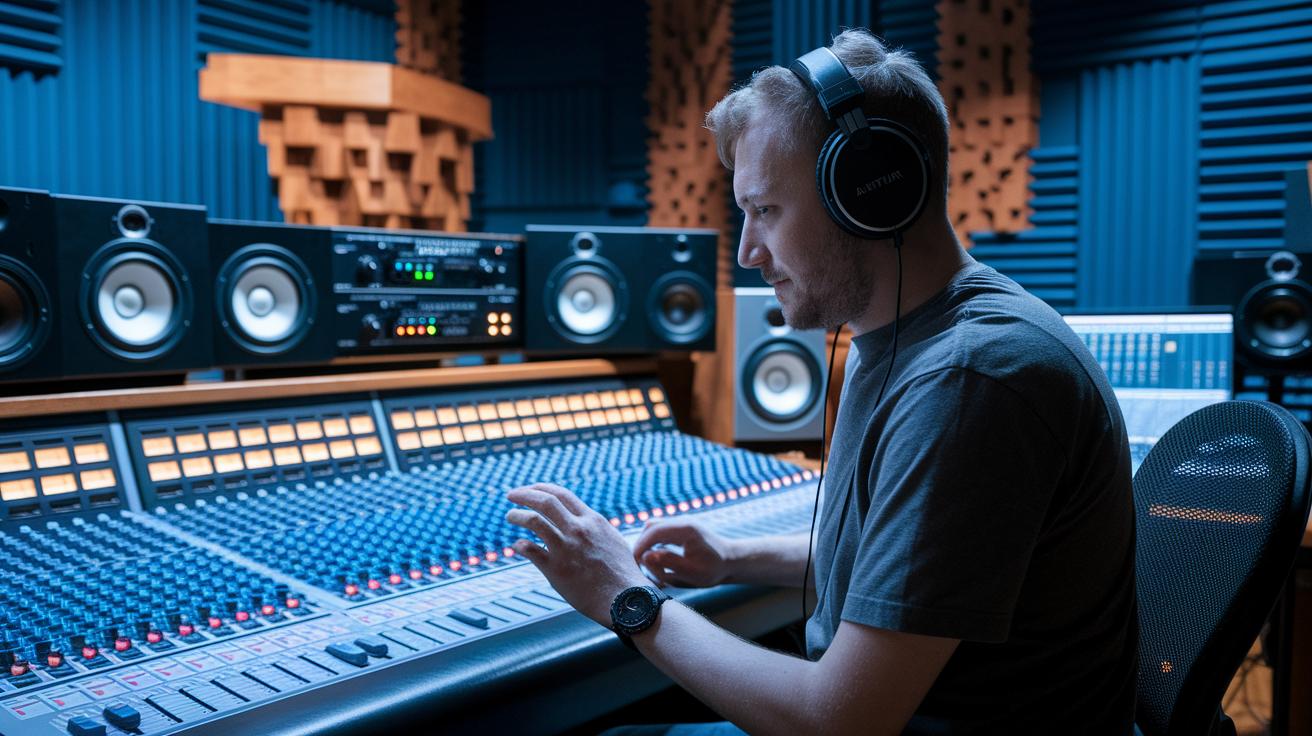
Dolby Atmos uses many speakers to create a 3D sound world that makes live shows feel all-embracing. Think about Hans Zimmer rocking live performances, where the music seems to come from every angle. If you’re curious about how it all works, check out "Immersive Sound Design Techniques" (https://thezeff.com?p=207). Imagine a concert where every note seems to play from everywhere!
Beamforming works like magic by sending sound straight to your seat. Picture sitting in a theater where your spot gets its own perfect audio mix. This clever trick upgrades us from a basic stereo system to a rich, layered sound that stays clear no matter where you are in the crowd.
Binaural mixes create a personal sound bubble that wraps around you, making it feel like you're right there with the artist in the studio. It’s the secret behind those amazing headphone tracks, like the ones you hear on The Weeknd’s albums.
At home, sound creators are using tools like dearVR and Waves Nx to bring this immersive vibe into their own studios. By moving from simple stereo systems to complex sound setups, these plugins open up a whole new world of spatial audio that feels truly next-level.
Interactive Performance Networks and Audience Engagement Frameworks
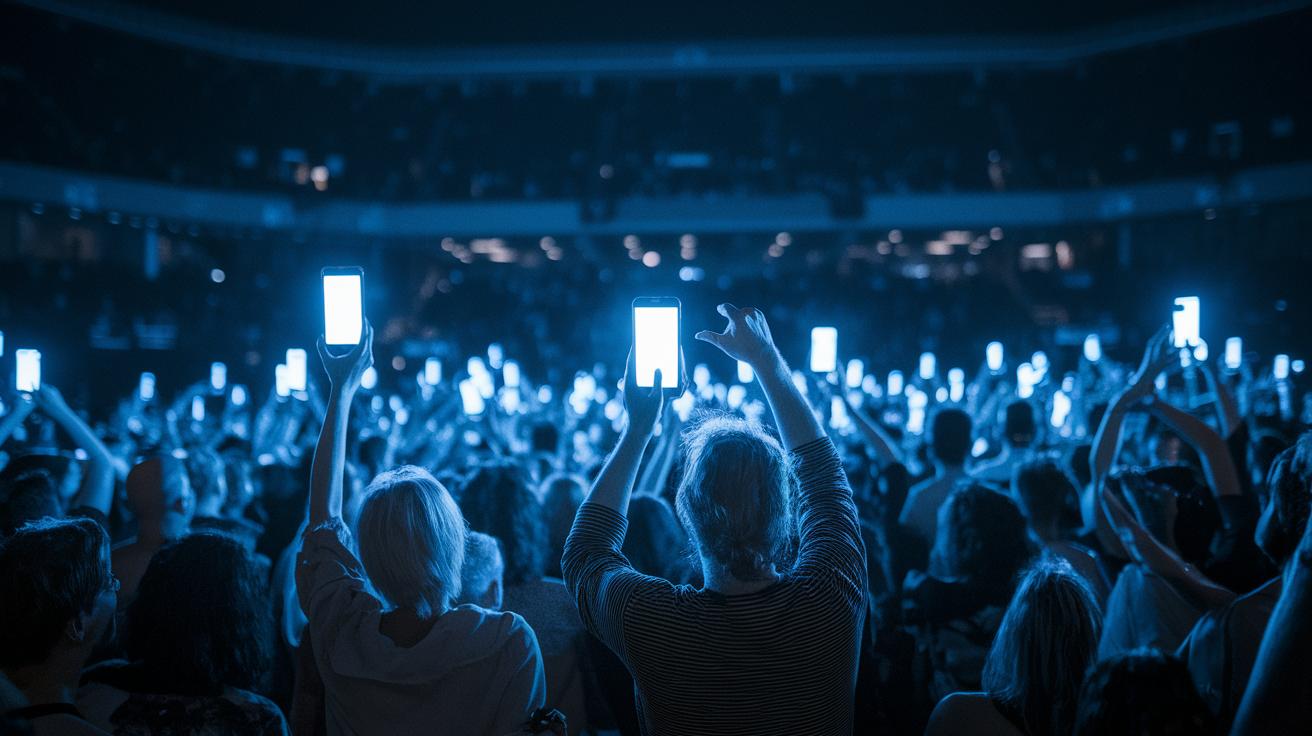
When artists mix live shows with smart tech, the experience feels like a spontaneous chat among friends. With smartphones, wearables, and clever stage sensors all in sync, every beat and lyric becomes a shared moment with everyone in the room. Ever tapped your phone and seen the stage light up just because of your energy? That’s the kind of magic in these performances.
Imagine a concert where your tap on a device triggers dazzling visuals that blur the line between the performer and you, the audience. At a recent show, fans sent off signals from their phones that burst into vibrant effects on stage, turning each song into a unique celebration built on crowd energy.
| Artist/Project | Technology Used | Venue | Interaction Type |
|---|---|---|---|
| Metallica VR Concert | Spatial Audio + VR | Mexico City | User-triggered cameras |
| U2 Sphere Residency | LED Dome + Immersive Sound | Sphere Las Vegas | Live Q&A via app |
| FanPort AWE 2024 | WebAR + Sensors | AWE Conference | Mobile-triggered visuals |
Bringing together live creativity with social media and custom apps, producers can adjust beats, loops, and visuals right on the fly. This means that every performance adapts to the mood of the crowd, making you feel like you’re part of something truly unique.
Artists who use these interactive networks create shows that naturally evolve with every tap and swipe. It’s a spontaneous, real-time conversation that connects the artist and the audience in a way that feels as intimate as an unscripted backstage moment.
Automated Stage Mechanics and Intelligent Lighting Choreography
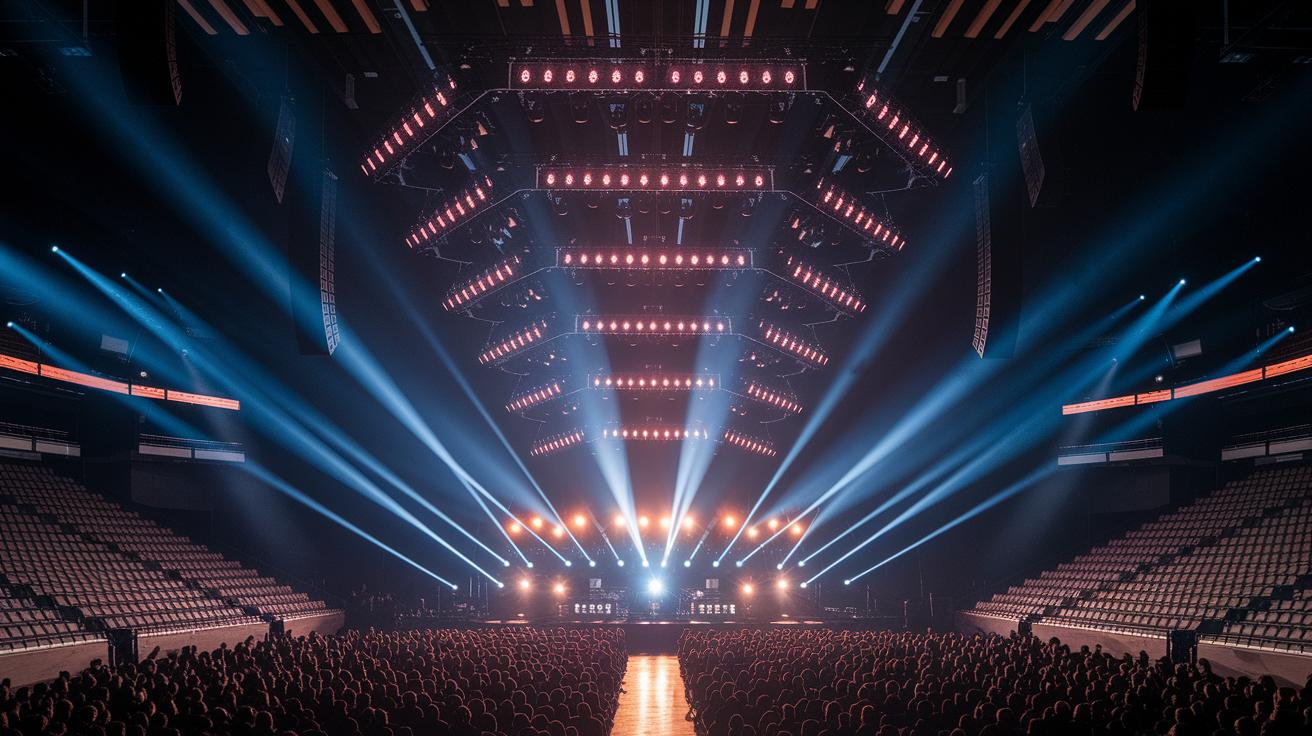
Automated rigging systems are changing live shows by moving stage parts and LED screens right when the music calls. They use DMX and RFID triggers, which are simple signals that tell the equipment when to shift backdrops and panels. For example, when a fast beat kicks in, a bright screen might slide into view, instantly giving the stage a fresh new look.
Intelligent lighting rigs now use AI to choose colors and light patterns that match the music's rhythm. This means that as the tune plays, you see lights that shift in tone and brightness right before your eyes. Imagine a gentle melody starting, and soft warm hues gradually spreading across the stage, perfectly matching every note.
Dynamic light sequences follow where the performers are, thanks to infrared sensors that track movements. This constant dance of light creates a vibrant show that feels alive. And with special effects like fog and haze, the atmosphere builds even more drama. Picture a solo act stepping into the spotlight, the fleeting mist parts to reveal bright beams that move with every step, adding a special touch of magic.
Future Trends in Multimedia Performance Fusion and Experiential Show Design
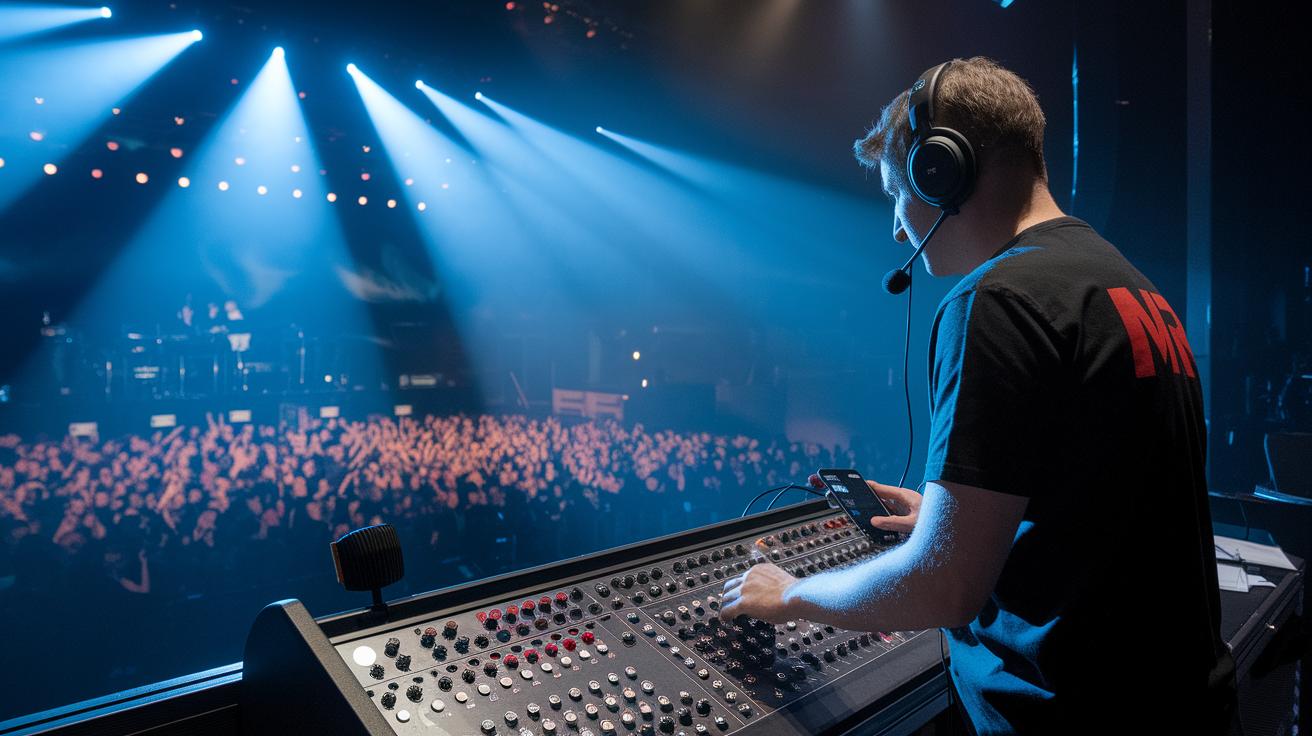
AI-powered stage assistants are about to change live shows in a big way. Recently seen at Meta Connect 2023, these smart helpers can adjust sound and visuals on the fly, almost like an always-on backstage crew. Imagine the lights and sound shifting in real time because the system picked up on a sudden burst of energy from the performer.
Mixed-reality headsets are set to play a major role in connecting live and remote audiences. Picture slipping on a headset and suddenly feeling like you're right there with the band, even if you're miles away. This tech makes the vibe of a live event as vivid as a front-row experience.
Digital twins of venues are another cool breakthrough. Organizers can now run full dress rehearsals in a virtual space, like trying out a mini version of the venue on your computer. This way, you can tweak everything from the acoustics to how the crowd might move before the big show starts.
Sustainability is also taking center stage. Future builds will use eco-friendly materials and energy-saving lighting that still deliver an amazing show. Imagine a stage that’s kind to the planet, where every bulb is designed to use less power while keeping the magic of performance.
Then there’s data-driven show design. By using real-time insights, the performance can shift its energy and setlist according to the crowd’s reactions. Think of a concert that adjusts its tempo and vibe based on live feedback, crafting an unforgettable experience each time.
Final Words
In the action, this article showed how immersive live music technology transforms shows with VR, AR, MR, and spatial audio, making every performance a multi-sensory delight. The piece highlighted innovative hardware that powers dynamic visuals and smart sound systems that create a 360-degree acoustic experience.
We also saw how interactive networks and automated stage elements drive real-time engagement. The future promises new breakthroughs, inviting more fans to share exclusive, hands-on experiences. Enjoy the ride and keep embracing the magic of live tech.
FAQ
Q: What are some immersive live music technology examples, including 360 live concerts, 360 Reality, and various streaming formats?
A: Immersive live music tech examples include interactive 360 concerts, VR showings, real-time streaming, and high-resolution recordings. Formats like Amazon Music HD and 192kHz deliver clearer, richer sound experiences.
Q: What is immersive audio technology?
A: Immersive audio technology creates a three-dimensional sound space using spatial audio techniques and advanced speaker layouts, making listeners feel as if they are in the midst of the live performance.
Q: What are the three types of immersive technology?
A: The three types of immersive technology are virtual reality, augmented reality, and mixed reality. Each type blends digital and physical elements to create engaging, multi-sensory entertainment experiences.
Q: What does immersive mean in music?
A: In music, immersive means designing shows and recordings that envelop the audience in dynamic sound and visuals, transforming traditional concerts into engaging, sensory-rich experiences.
Q: What is the AI in live music performance?
A: The AI in live music performance uses smart algorithms to adjust lighting, visuals, and sound in real time. This technology fine-tunes the show based on musical cues and audience reactions.
Q: What are the differences among Amazon Music HD, Amazon Music 192kHz, and Amazon Music Standard?
A: Amazon Music HD and 192kHz offer high-resolution audio for added clarity, while Amazon Music Standard provides typical streaming quality. Each option meets different listener preferences for sound fidelity.