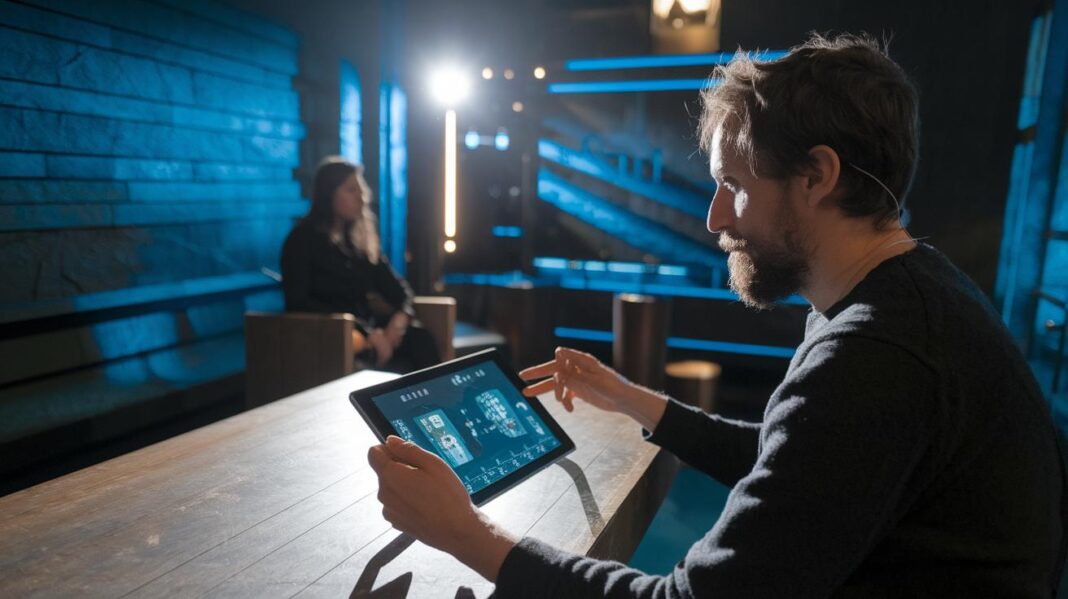
Ever thought a click could change the course of a story? Interactive media pulls you into the action. You see sounds, pictures, and cool data displays that feel almost alive.
When you choose what happens next, you’re not just watching, you become a big part of the adventure. It’s like stepping onto a digital stage where every moment feels personal. And honestly, it shows how powerful it is when you take part in a story.
How Storytelling in Interactive Media Engages Users Through Participatory Narration
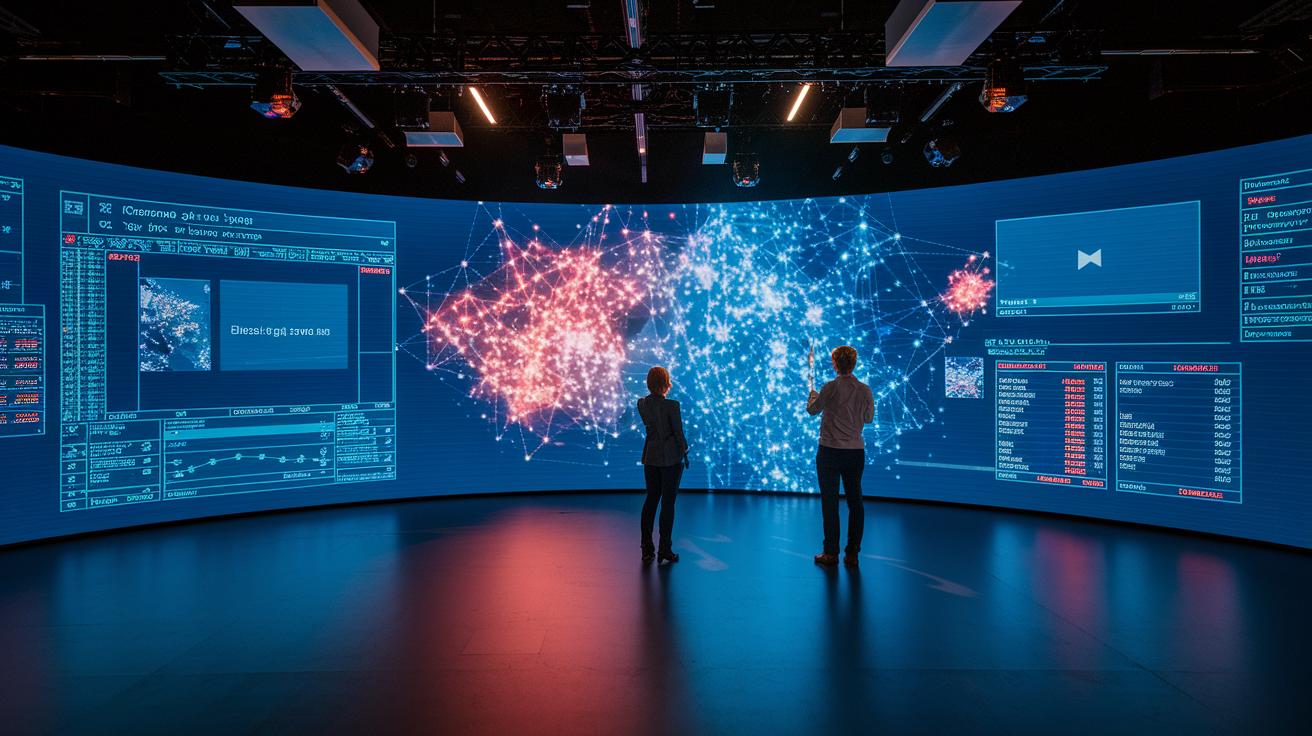
Interactive media is like a digital playground where videos, pictures, sounds, and cool data graphics come together to create real-life stories. Imagine stepping into a world that buzzes with energy, where every visual and sound pulls you deeper into a tale that feels almost alive. Platforms like these (https://thezeff.com?p=782) help storytellers mix all these vivid elements into one exciting narrative.
Participatory narration is all about inviting you to help shape the story as it unfolds. Instead of just watching, you get to make choices and decide where the adventure goes, turning the experience into a true team effort. Ever felt that spark when you know your decision matters? That’s the magic here, social media posts, live updates, and interactive timelines let you influence the story in real time.
Here’s what you might see:
| Feature | Description |
|---|---|
| Branching Paths | Multiple story outcomes based on your choices |
| Interactive Maps | Guides you through digital spaces as if you were exploring a new city |
| Dynamic Audio | Immersive sound effects that bring important moments to life |
| Data-Driven Infographics | Simple visuals that explain complex ideas easily |
| Real-Time Animations | Visuals that respond instantly to what you do |
When every click feels like it matters, the experience becomes personal. This design turns you from a bystander to an active part of the story, giving you a sense of ownership with every decision. With each interaction, the narrative becomes uniquely yours and the connection to the unfolding events grows deeper, creating an unforgettable digital journey.
Core Concepts and Evolution of Narrative Design in Interactive Media
Back in the day, interactive storytelling had a lot of challenges. Internet speeds were slow, browsers couldn’t do much, and high development costs meant only a few people could create cool digital tales. It was hard to bring creative visions to life without a lot of custom coding, much like trying to run today’s apps on really old tech. The experience often felt clunky and limited.
Today, narrative design has come a long way. It now features ideas like branching plots, cross-channel mapping, and dynamic feedback loops. Branching plots change the story based on your choices, while cross-channel mapping spreads the narrative across various digital spaces, making it feel fresh and exciting. And with dynamic feedback loops, the story can respond in real time, turning every decision into a moment of surprise.
Modern collaborative platforms and no-code tools have made it easier for everyone to join in. Cloud-based editors and easy drag-and-drop features let writers, artists, and developers work together without needing expensive custom builds. It’s a true team effort where every creative mind helps shape a story that spans multiple platforms, keeping the magic alive throughout the journey.
Multimedia Chronicle Design and Immersive Channel Synthesis for Interactive Narratives

Imagine a story that lives and breathes with you. Multimedia storytelling mixes pictures, videos, sounds, and even live data to create an adventure that reacts to your every move. It ties together stunning visuals, exciting clips, catchy tunes, and interactive charts to give you a rich, hands-on experience that feels like you’re right in the middle of it all.
Photography kicks things off by setting a scene filled with vibrant images that you can explore as you please. Picture browsing through a gallery where each crisp photograph reveals a new piece of the story, much like flipping through your favorite photo album to uncover hidden details.
Video takes the stage next, letting you shape the journey. With choices that steer you down different paths and interviews that share heartfelt insights, every cutscene feels like an invitation to dive deeper. Ever made a decision in a video and watched the story twist right before your eyes? That’s the magic here.
Audio brings the adventure to life, layering in dynamic sounds that pump up the emotions. Whether it’s a whisper that hints at something secret or a melody that elevates the moment, sound cues guide you through each chapter of the narrative, much like the beat of your favorite live concert.
Then there’s data visualization. Interactive charts and map overlays transform numbers and facts into a living story. It’s like watching a digital canvas paint the rise and fall of events, helping you see the bigger picture in a simple, engaging way.
| Media Type | Narrative Purpose | Interactive Example |
|---|---|---|
| Photography | Sets the visual scene | Explorable image galleries |
| Video | Lets you steer the story | Decision-driven video clips |
| Audio | Deepens the emotional vibe | Adaptive soundtracks and cues |
| Data Visualization | Makes info engaging | Interactive charts and maps |
Interactive Mechanics and Branching Narratives in Digital Storytelling

Interactive storytelling now brings together choices that change the story, quick reactions to your clicks, and fun puzzles that reveal new secrets as you play. Every choice feels like a jump into a live event, where each decision shifts the adventure in a way that's both surprising and personal.
Branching Narratives
Decision moments now mean more than a simple yes or no. Each choice can steer the story along a brand-new path. Imagine a mystery game where selecting "Open the hidden drawer" suddenly starts a whole new investigation. One moment you’re wandering through familiar streets; the next, a hidden clue pulls you into an unexpected twist.
Dynamic Interactive Feedback
Ever noticed how some games instantly change the vibe when you make a move? That’s the magic of real-time feedback. When you tap a button or pick an option, the scene reacts immediately. For instance, if you click "Decline the offer," you might see the mood darken with a gloomy tune, hinting at deeper doubts and setting a fresh tone. It feels like the game is talking right to you, responding to every decision in the blink of an eye.
Interactive Puzzles and Scenario Development
Puzzles now play a big role in uncovering hidden parts of the story and building character backgrounds. They aren’t just challenges; they unlock secret layers of the narrative. Picture entering a special code like "213" and suddenly a hidden subplot bursts onto the scene, adding a fresh twist to the ongoing drama. These puzzles give you more than just a game, they pull you into a rich, ever-changing adventure where your cleverness is the key to new surprises.
Case Studies of Storytelling Innovations in Interactive Media

Interactive case studies show off how digital tales come alive when you get involved. These stories blend tech with hands-on fun, turning old events into living experiences that feel personal and dynamic.
Enduring: Restoring the Heart of Te Urewera
Imagine taking a virtual stroll through wild, breathtaking landscapes while warm local voices share their heartfelt memories. This immersive tour mixes guided audio with beautiful scenery, letting you choose which part of the story to explore next. It's like wandering through your own pop-up museum exhibit that changes with every step.
Bulldozed and Bisected
Ever scrolled down and seen a city transform right before your eyes? In this case, scroll-driven animations bring the effects of the Federal-Aid Highway Act to life. Each scroll adds a new twist, making policy changes feel immediate and personal, almost as if history is unfolding just for you.
The Lost Tablet and the Secret Documents
This story throws open the doors to hidden histories with clickable archival footage. You become a digital detective as you sift through old documents and video clips, piecing together clues to uncover secret tales. Each click draws you further into a playful mystery where history feels like a game with real stakes.
Hamilton Commission’s Interactive Timeline
Step into an interactive timeline that takes you through key moments in motorsports diversity. This digital journey highlights important milestones and shows how many voices came together to shape a more inclusive story. It gives you a front-row seat to history, letting you control the pace and feel the impact of every revolutionary moment.
These case studies prove that when you steer the narrative, the digital experience turns into something truly personal and unforgettable.
Best Practices and Emerging Trends in Storytelling for Interactive Media

Recommended tools and design templates help creators build interactive stories without needing a steep learning curve. With user-friendly drag-and-drop editors and ready-made templates, anyone can put together branching narratives in a snap. For instance, a template might prompt you with, "Begin your tale with a choice: step into the bustling market or wander into the mysterious forest." These easy-to-use tools smooth out the creative process and make storytelling fun for everyone.
Community forums and expert newsletters are the go-to spot for learning and sharing tricks of the trade in interactive narrative design. Creators come together to chat about audio layering, simple data visuals, and cool animation techniques. Imagine it like gathering around a friendly table where someone might say, "Try mixing lively sound effects with interactive visuals to boost your story’s vibe." These conversations keep ideas flowing and fuel creativity every single day.
Innovative trends are shaking up how we tell interactive stories. AI-powered tools now offer suggestions for branching paths and adjust narratives based on user actions, creating genuine emotional moments. Plus, cross-platform continuity lets your story flow smoothly from one device to another, while adaptive storylines tweak themselves in real time based on your choices. Picture a narrative that changes its mood as your decisions unlock hidden feelings, it's a game changer that makes your interactive saga feel more alive than ever.
Final Words
In the action from the start, this article showed how blending videos, images, sounds, and data creates a unique participatory narrative. It broke down key interactive elements like branching plots and real-time feedback while examining the evolution of narrative design. Each section offered a clear look at user choices shaping dynamic content and innovative case studies that celebrate community creativity.
Every insight highlighted the power of storytelling in interactive media. Let this spark your creative side and set you up for many great digital experiences ahead.
FAQ
What are some examples of interactive media storytelling?
The examples of interactive media storytelling include multimedia experiments that combine video, audio, images, and animations to engage users. They feature branching paths and decision points that let the audience shape the narrative.
What should a storytelling in interactive media PPT cover?
The storytelling in interactive media PPT covers techniques like branching plots, user-led decisions, and multimedia elements. It provides a clear visual guide on how participatory narration transforms traditional storytelling.
Why is storytelling important in interactive media?
The importance of storytelling in interactive media lies in its ability to captivate audiences. It integrates user participation, deepens engagement, and creates an immersive experience that transforms passive viewers into active participants.
What defines digital storytelling and are there examples for students?
Digital storytelling uses digital tools to craft narratives through videos, images, and audio. For students, examples include multimedia projects, interactive timelines, and storytelling games that make learning engaging and accessible.
What are interactive storytelling games?
Interactive storytelling games rely on user choices to shape the plot. They blend gameplay with narrative elements, offering branching storylines and puzzles that actively immerse players in a dynamic story experience.
What is interactive storytelling?
Interactive storytelling is a narrative process that lets users shape the plot through their decisions. It mixes traditional narratives with digital interactivity, resulting in engaging experiences where the user truly influences the outcome.
What are the 5 C’s of storytelling?
The 5 C’s of storytelling focus on characters, conflict, context, communication, and climax. They form a framework that ensures the narrative remains clear, engaging, and consistently compelling throughout.
What are the 5 P’s of storytelling?
The 5 P’s of storytelling emphasize purpose, plot, protagonists, perspective, and progression. They provide guidance on structuring a story that is coherent, engaging, and paced in a way that captivates the audience.
How can storytelling be made interactive?
Storytelling becomes interactive by adding user choices, branching narratives, and decision points along with multimedia components. These elements let the audience actively participate, steering the course of the story as it unfolds.