
Ever thought a story could change every time you make a choice? Interactive adventures let you steer the narrative with every decision you take. Picture yourself at a crossroads, where each option splashes new colors onto the tale. In this guide, we share easy steps to mix classic storytelling with live interactivity so that every moment feels fresh and made just for you. Even the smallest choice can turn a simple story into a vibrant, personal adventure.
Core Steps for Creating Immersive Interactive Stories

Interactive stories mix classic storytelling with your own input, making the tale something you help create. Every choice you make shifts the plot, much like picking a turn in a maze. One choice might reveal hidden secrets, while another opens the door to fresh challenges. Imagine standing at a crossroads, where each decision paints a brand new picture, inviting you right into the heart of the adventure.
- Define your goals and figure out who you're talking to
- Map out the twists, turns, and decision points
- Build characters, settings, and moments that tug at your heart
- Pick the right platforms and tech tools (for an extra immersive feel, check out interactive digital experiences at https://thezeff.com?p=782)
- Create a rough version, gather feedback, and fine-tune every piece
Testing is where the magic happens. Each step adds a layer of depth, linking you closer with the story as it unfolds. Even a small tweak can spark a burst of excitement, just like tuning an instrument until it sings perfectly. This journey turns every decision into a chance to dive deeper into an experience that’s as vibrant as a live show.
Designing Branch-Based Structures for Interactive Stories
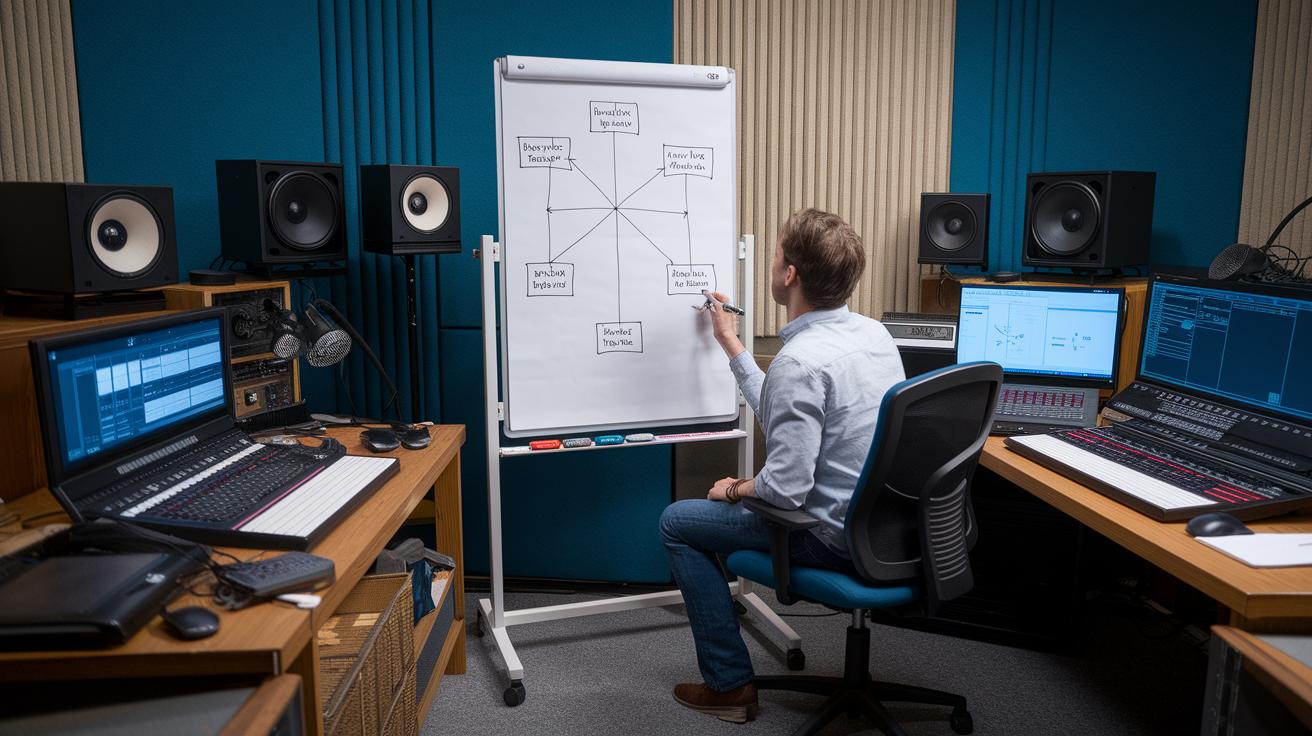
Branch-based design turns a simple story into a lively adventure that changes with every choice you make. It works by setting up decision spots that can steer the story one way or another while keeping the main message clear. This method helps writers plan out different routes that all fit with the key moments of the story. In short, a clear map of content means that no matter which twist you explore, everything stays connected and makes sense.
Plot-Based Interactive Structure
Think of plot-based interactive design as planning the major stops on a fun road trip while letting you decide which side streets to wander down. The big events are set in stone, and your choices color in the details in between. For example, picture a moment where the hero stumbles upon an old map that promises hidden wonders. Even as your decisions change smaller details, the main journey stays on track.
Character-Based Interactive Structure
Character-based design is all about making the story feel personal by letting your choices shape how characters act and connect. With this approach, each character’s responses change based on what you do, but they still keep the traits that make them who they are. It’s like having a favorite actor on stage who stays true to their role, no matter how the scene changes. Combining both plot and character approaches creates a balanced experience that feels exciting and true to the story's heart.
Integrating Technology in Immersive Interactive Stories

Technology turns a simple story into an adventure that changes with every choice you make. It transforms flat digital content into a lively playground where every click shapes the journey.
German e-learning experts use the ThingLink Pano to 360 app to create these immersive scenes. They pick a background that sets the vibe and then craft 360° images filled with special spots for you to explore. They add little overlays with extra details, turning each scene into a mini interactive show. Then, fun game-like features pop up, inviting you to dig deeper, like finding a hidden room in a cool digital museum.
Other tools like Unity, Unreal Engine, and AR toolkits add even more magic to your creative toolbox. These platforms help you build rich visuals and make the story react to your inputs, letting you adjust the tale to fit your style and skills. Some projects even mix in VR hand controllers, so you can make choices in real time and feel every twist and turn of the story. Choosing the right tool means picking the one that best matches your vision and know-how.
creating immersive interactive stories: Spark Joy

Stirring up real emotions is key to drawing your audience in. Think about mixing feelings like calm, delight, a bit of fear, and even nostalgia to create little pockets where people can stop, take a breath, and savor the moment. Well-timed surprises and subtle hints let the story unfold naturally, making you feel part of the magic when a sudden laugh or a quiet moment catches you off guard.
Now, add a playful twist with gamification. Imagine a progress bar ticking up as you explore secret spots, or uncovering bonus content just because you were curious. Each choice nudges the story in a new direction, making every twist feel personal and exciting. This approach makes every click and decision a chance to connect deeper with the unfolding tale.
Interactive Story Case Studies: Real-World Immersive Experiences

Imagine watching ideas turn into experiences you can really feel. Real-life stories show that mixing clever storytelling with smart tech creates moments that stick with you long after the show ends. When you see these successes up close, you quickly realize that immersive media storytelling isn’t just fancy digital art, it's about connecting with people in a warm, personal way.
In one cool example, German e-learning experts took advantage of ThingLink’s Pano to 360. They built AI-powered story templates in just minutes, leaving educators pleasantly surprised by how easy and imaginative it was. Teachers who once used routine methods now see these interactive modules as a fresh tool to spark student curiosity. Next, projects like Active Lunch Break aim to blend guided meditation and breathing exercises with interactive features, making learning and well-being a very hands-on, engaging experience.
Then there's the case from Foresta Lumina’s long-running event. Custom lighting and carefully mixed audio set up a mythical creature tale that felt both suspenseful and unifying. The design brought everyone together in a shared story that was as thoughtful as it was exciting. Moments like these show how multimedia storytelling can create a collective, unforgettable memory that lingers long after the lights come up.
Authoring Tools for Creating Interactive Stories

Choosing the right tool to build your interactive story is like finding the perfect instrument for a live concert, it transforms a plain tale into an immersive experience. Picture this: with ThingLink Pano to 360, you can quickly create a 360° environment that feels like stepping into a vibrant, interactive world, all without writing a single line of code.
Other great choices include Twine, which is as friendly as a chat with an old buddy, offering an HTML-based setup ideal for stories that branch off in many exciting directions. Then there's Ren’Py, a fantastic option for visual novels where you can mix in dynamic storytelling with the power of Python. And let’s not forget Inklewriter, a simple web-based platform that makes crafting branching prose feel as natural as scribbling your thoughts on a napkin.
Each tool brings its own cool features to the table. They differ in how steep the learning curve is, the kind of media they support, and how complex your interactive choices can be. So, when you’re picking your next creative partner, think about how its strengths match your project, your team's skills, and the level of interactive magic you’re aiming for.
| Tool | Best For | Key Feature |
|---|---|---|
| Twine | Branching Narratives | Open-source, easy-to-read HTML system |
| Ren’Py | Visual Novels | Flexibility powered by Python |
| Inklewriter | Branching Prose | Straightforward web-based storytelling |
| ThingLink | 360° Environments | Quick asset creation without coding |
Remember, matching the platform’s unique strengths with the size of your project, your team’s expertise, and how deep you want the interactive journey to go is key to making your story truly shine.
Testing and Iterating Immersive Interactive Story Designs

Teachers and creative storytellers know that the best interactive story begins with a simple prototype and real feedback. When users try out an early version, tools like flow maps, heatmaps, and choice analytics (which track where you click) help show the path they take and reveal spots where they might lose interest. For example, one test found that too many choices in a scene made users pause. That tells you the branch could be streamlined. This kind of insight shows which parts light up the audience and which parts need a little extra spark.
Next, it’s time to adjust the narrative based on what you learned. Designers use this feedback to fine-tune the pacing and add engaging hooks, so every part of the story feels natural and fun. They might trim or expand scenes, tweak the dialogue tempo, or rework decision points where too many viewers drop off. By updating the story in real time with audience insights, the experience stays fresh, interactive, and just the right mix of emotional and engaging.
Final Words
in the action, the post explored how interactive stories change the way we experience plots. Each section laid out simple steps from mapping out choices and using smart tech, to testing ideas that keep you engaged.
We learned to build stories that invite participation and create a community feel. This guide leaves you ready and excited for creating immersive interactive stories next time you craft your digital tale. Enjoy the fun and creativity that comes with every twist in your story.
FAQ
Where can I find resources for creating immersive interactive stories?
Finding these resources means exploring platforms like Reddit, online tutorials, free resource sites, and downloadable PDFs. These sources offer guides, examples, and tips to kickstart your creative process.
What are some examples of immersive interactive and digital storytelling?
Examples include stories with decision nodes where user choices shape the plot, interactive projects for students, and digital narratives that blend visual elements with storytelling for engaging experiences.
How do you create an immersive story?
Creating an immersive story involves mapping decision points, crafting interactive characters and settings, and designing choices that let readers affect the plot, making the narrative engaging and participatory.
What are the 5 C’s of storytelling?
The five C’s include clarity, context, character, conflict, and connection, which work together to build stories that are easy to follow, engaging, and true to the creator’s vision.
What are the 5 P’s of storytelling?
The five P’s consist of plot, pace, personality, perspective, and payoff, providing a framework to construct narratives that guide the audience smoothly through the story.
What is immersive storytelling?
Immersive storytelling is a method where the audience interacts with the narrative through choices and dynamic elements, turning a simple tale into a rich, engaging experience.