
Have you ever wondered what really pushes a business forward during a big marketing push? Setting clear campaign goals is like drawing a roadmap from a pile of scattered ideas.
Imagine each goal as a step, guiding your team toward things like more website visits or better customer connections. Every focused move builds on the last, helping your business grow stronger and more confident.
This post shows how turning vague ideas into clear targets can lead to real growth and impressive results.
Understanding Campaign Objectives for Marketing Success

Campaign objectives are specific, measurable goals that businesses set to get real results. They guide every marketing move so that each step fits into the bigger business picture. Imagine them as a roadmap that points you toward clear targets, like boosting your website visits by a set percent or increasing customer engagement. For example, you might say, "We plan to grow our website visits by 15% next quarter." That kind of clear goal mixes inspiration with precision.
Next, try using the SMART method. This means your goals should be Specific, Measurable, Attainable, Relevant, and Timely. Start by picking one clear goal, check its impact with the right numbers, make sure it's realistic, and tie it to your overall business vision, all within a set time frame. These easy-to-follow rules guide everything from choosing your audience to deciding on the best ad formats. Plus, tools like Google Analytics and Facebook Ads Manager let you track your progress, so you can see what’s working and where to improve.
A clear objective is the heart of a winning campaign. It guides your advertising strategies and ties every part of your marketing plan together, ensuring every piece has its purpose. Think of it like putting together a puzzle: every ad, webpage, and social post must fit just right to complete the big picture. For instance, a top brand once set a goal to double their leads in six months, and they did it. Setting such focused targets can really turn planning into true performance.
Core Types of Campaign Objectives: From Awareness to Advocacy
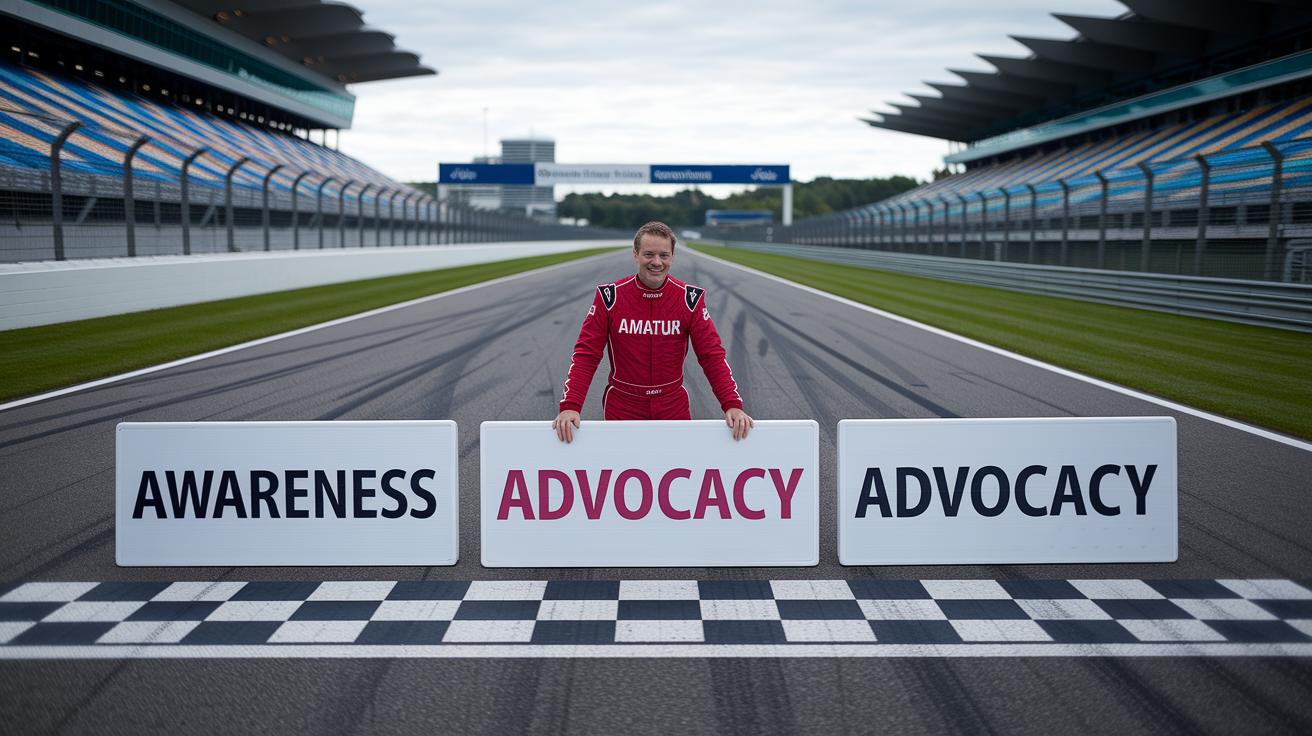
Campaign objectives are like markers along a race track, guiding your ads step by step toward your business goal. Imagine this: launching a new product and seeing a 30% boost in recognition just by tuning into Brand Awareness. When you’re starting out or revealing your brand to a wide group, awareness goals like Brand Awareness and Reach are your best friends.
Then there are the consideration objectives. These get people curious and nudge them to visit your site or interact with your posts. Think of Traffic as the gentle push that guides users to your landing page, while Engagement fuels comments, likes, and shares. And if you want users to try an app or watch a cool video message, App Installs and Video Views are right on target. It’s all about sparking conversation and inviting a closer look at what you offer.
Next up, conversion objectives step in to make things happen, like encouraging someone to add a product to their shopping cart. Conversion, Catalog Sales, or direct Sales objectives help turn interest into actual sales. At the same time, goals like Retention work on turning first-time buyers into regulars, Educational goals boost customer know-how, and Community Building creates a loyal crew rallying behind your brand. And then there’s Advocacy, which inspires happy customers to shout out about your brand and add that extra personal touch.
Recently, Meta simplified things by cutting its list of objectives from 11 down to 6. Now you have Traffic, Leads, Awareness, Sales, Engagement, and App Promotion to choose from. This lean setup makes it easier to pinpoint the right goals based on where your audience is in their buying journey.
| Clarity | Focus | Measurement |
|---|---|---|
| Know which goal fits your current needs. | Choose an objective that best supports your overall business aim. | Set up clear, simple metrics to track progress. |
Advanced Strategies for Campaign Objectives

Ready to take your campaign to the next level? Let’s explore some fresh ideas that help sharpen your objectives and bring new life to your strategy.
Start by using your past performance to guide creative choices. Look back at old campaigns, notice when excitement peaked, and tailor your goals to capture that energy. For example, if you see that sales jump during summer, adjust your focus to ride that wave.
Next, mix things up with segmented campaigns and A/B testing. Think of it like trying two different concert setlists to see which one gets a bigger cheer. Run different versions with new visuals or calls to action, and compare which one creates more buzz.
Also, let automation tools do some of the heavy lifting. Imagine your software tuning your ad spend on the fly when it spots more video views, it’s like having a smart assistant that keeps everything in perfect rhythm.
Finally, schedule quick reviews based on seasonal trends. Setting aside moments to check your data keeps your strategy fresh and ready for any changing vibe. For example, plan a review before a big shopping period so you can adjust your approach as trends shift.
| Strategy | Action Item |
|---|---|
| Data Insights | Review past trends and tweak your objectives to match key moments |
| Segmented Testing | Run A/B tests to see which calls to action resonate best |
| Automation | Employ tools that adjust strategies in real time based on feedback |
| Regular Reviews | Plan check-ins before peak seasons to update and fine-tune plans |
These advanced tactics add a fresh twist to your strategy without rehashing the old playbook, setting you up for a campaign that feels both dynamic and in tune with your audience's pulse.
Tracking Performance: Essential Metrics and Tools for Objectives

When you're running a campaign, you know that watching the numbers is key. First, check out basic metrics like impressions, which simply count each time your ad appears – picture your ad seen 10,000 times in a day. Then there’s the click-through rate, found by dividing the number of clicks by those impressions. It gives you a snapshot of how many people actually interact with your ad after spotting it.
Next up, the conversion rate shows how many folks complete the desired action, like signing up or making a purchase, after clicking. Think of it as the actions achieved over the number of clicks. And don’t forget about return on ad spend, which measures if each dollar you invest is paying off.
Tools like Google Analytics let you see what’s happening on your website, while Facebook Ads Manager dives deep into individual ad performance. Plus, HubSpot makes following up with potential customers a breeze. Each tool adds its own piece to the puzzle, ensuring you get a complete view of your campaign.
| Metric | What It Measures | Ideal Use Case |
|---|---|---|
| Impressions | Total ad views | Brand exposure |
| Click-Through Rate | Ad interaction percentage | User interest |
| Conversion Rate | Actions per click | Sales and sign-ups |
| Return on Ad Spend | Revenue per ad dollar | Ad profitability |
Keeping a close eye on these metrics with solid tools helps you really understand how your campaign is doing and lets you adjust your strategy in real-time.
Aligning Objectives with Audience Targeting and Budget Strategy

Building a campaign is a bit like setting the stage for an awesome live show. First, you need to line up your goals with the audience you want to reach. Consider everyday details like age, location, interests, and how people act online. For instance, if you're aiming at busy young professionals, you might set a goal like "Boost website visits by 10% from our key 25-34 audience" to make sure everything stays clear and focused.
Budget is another key part of the mix. When funds are tight, it's smart to lean into lower-cost moves that drive traffic or engagement. On the flip side, if you've got extra dollars to spend, you can invest in conversion goals that lead to real results like sales or sign-ups, even if the cost per click is a bit higher. Think of it like deciding between a regular seat and a VIP pass at your favorite concert!
| Key Steps | Description |
|---|---|
| Match objectives to audience traits | Use demographics, behaviors, and interests to shape your goals. |
| Choose the right channels | Select platforms where your target audience is most active. |
| Manage your budget | Opt for low-cost targets when funds are low, and conversion strategies when the budget allows. |
When you combine these elements, you're creating a strategy that not only meets business needs but also fits perfectly within your budget. It’s all about syncing your goals, audience, and resources so your campaign shines like the best show in town.
Campaign Objective Examples: Case Studies and Real-World Results

Back on June 8, 2021, Meta dropped a fresh update that showed how zooming in on key campaign goals can make all the difference. They pared down Facebook Ads options from 11 to 6 – Traffic, Leads, Awareness, Sales, Engagement, and App Promotion – so marketers can keep things simple and laser-focused. One global brand even rolled out dedicated landing pages with over 400 templates, AI-powered text, and live data updates, pushing their conversions up by 20%. Imagine setting a goal like, "Let’s boost our conversions by 20% next quarter with smart landing pages" – it feels like you’re on the fast track to success.
Real-life case studies back up this focused approach. Take the Meta Ads Manager Overhaul, for example. The aim was to simplify the campaign, and that tweak led to a 15% boost in campaign ROI. It’s like fine-tuning an instrument where every adjustment brings out a clearer note. Then there’s the Dynamic Landing Page Rollout, which centered on gathering leads. With dynamic data and a personal touch in messaging, the campaign saw a 20% jump in form completions, sparking more engagement and opening doors to new business.
| Campaign | Objective | Outcome |
|---|---|---|
| Meta Ads Manager Overhaul | Simplify focus | 15% lift in campaign ROI |
| Dynamic Landing Page Rollout | Drive lead gen | 20% rise in form completions |
These results show that when campaign goals are crystal clear, every tactic works better. There’s a real kick in the air when a campaign not only hits its marks but also builds up the whole brand. Each example reminds us that smart, well-defined objectives are the secret sauce to campaign success, helping you sharpen each move with confidence.
Final Words
In the action, we saw how campaign objectives drive smart strategies and clear performance measurement. The blog broke down setting practical goals, matching them with the right audience, and tracking results with real tools.
Our discussion painted a picture of creative planning that blends measurable targets with genuine interaction. Each step builds a path toward high-quality experiences and community sharing. Keep embracing fresh ideas and enjoy every exciting twist along your digital entertainment path.
FAQ
- Campaign objectives examples
- The term campaign objectives examples refers to sample goals that set clear, measurable actions aligned with business targets, often using a structured approach like the SMART framework.
<dt>Campaign objectives Facebook</dt>
<dd>The phrase campaign objectives Facebook describes goals set within Facebook’s ad tools, aiming to increase engagement, drive traffic, and track measurable outcomes using Facebook Ads Manager.</dd>

<dt>Campaign objectives Meta</dt>
<dd>The phrase campaign objectives Meta indicates clear, measurable goals designed for Meta’s ad platforms, guiding audience targeting and creative messaging while tracking performance effectively.</dd>

<dt>Campaign objectives in Google Ads</dt>
<dd>The term campaign objectives in Google Ads describes setting specific, measurable targets for ad performance, helping to choose keywords, plan ad formats, and track results with tools like Google Analytics.</dd>

<dt>Marketing campaign objectives</dt>
<dd>Marketing campaign objectives define clear and measurable targets for marketing efforts, guiding every step from boosting brand awareness to driving conversions in line with business goals.</dd>

<dt>Brand campaign objectives</dt>
<dd>Brand campaign objectives outline goals focused on enhancing brand recognition and recall, using targeted messaging and engagement strategies to build a stronger presence in the marketplace.</dd>

<dt>TikTok campaign objectives</dt>
<dd>TikTok campaign objectives refer to clear, measurable goals designed for content on TikTok, aiming to increase audience engagement and brand visibility through creative, short-form videos.</dd>

<dt>LinkedIn campaign objectives</dt>
<dd>LinkedIn campaign objectives set clear targets for professional engagement, helping businesses build industry connections, drive business leads, and promote thought leadership through tailored messaging.</dd>

<dt>What is the objective of a campaign?</dt>
<dd>What is the objective of a campaign means setting a clear, measurable target that directs all campaign actions and helps track progress against specific business outcomes using defined metrics.</dd>

<dt>How to write a campaign objective?</dt>
<dd>How to write a campaign objective involves clearly defining a business goal with measurable targets, outlining the audience, and using a structured approach like the SMART framework for guidance.</dd>

<dt>What are the campaign goals?</dt>
<dd>What are the campaign goals refers to the specific, measurable targets set within a campaign, ranging from building awareness to driving conversions that align with overall business strategies.</dd>

<dt>How do you choose your campaign objective?</dt>
<dd>How do you choose your campaign objective is about matching your business goals with your audience’s needs, and selecting measurable targets that guide creative messaging and performance tracking.</dd>