Ever experienced that moment when a booming beat just drags you to the dance floor? Back in the late 80s, acid house music exploded with raw, unapologetic energy. The steady rhythm, wobbly bass, and snappy claps turned clubs into electric playgrounds where you could feel the pulse of every track. Every beat feels alive, pulling you in like an unexpected twist at your favorite concert. The vibe is so bold and magnetic that every second on the floor becomes a memory you won’t forget.
Understanding Acid House Music: Origins, Sound, and Cultural Impact

Back in late-1980s Chicago, acid house music exploded in underground clubs, with DJs like Ron Hardy pushing a whole new vibe of dance beats. In those smoky, up-close club scenes, the sound found its unique rhythm with a squelching bass from the Roland TB-303 and sharp hand-claps from the 808. Imagine walking into a club where every beat feels like a pulse, steady, electric, and inviting you to move.
This music thrives on hypnotic loops and a constant 4/4 drum beat that drives the energy. Tracks usually run between 120 and 130 beats per minute, keeping the dance floor alive with an infectious groove. It’s like feeling the heartbeat of the night, compelling you to sway and lose yourself in the moment.
What makes acid house so unforgettable is its simple mix of key elements:
- 4/4 Beat: A steady drum rhythm that powers every move.
- TB-303 Squelch: That signature, squelching bassline, edgy and memorable.
- 808 Snaps: Crisp, syncopated hand-claps that add a cool layer of texture.
- Tempo: A vibrant pace of 120–130 BPM that keeps things upbeat.
- Minimalism: Stripped-down sounds letting every note shine.
- Looped Patterns: Repeating sequences that build tension and invite deep groove exploration.
For clubbers, acid house quickly became a symbol of togetherness and creative freedom. Its raw energy and DIY spirit turned every night into a celebration, transforming underground venues into vibrant spaces of authentic expression.
The Roland TB-303 and Essential Acid House Gear
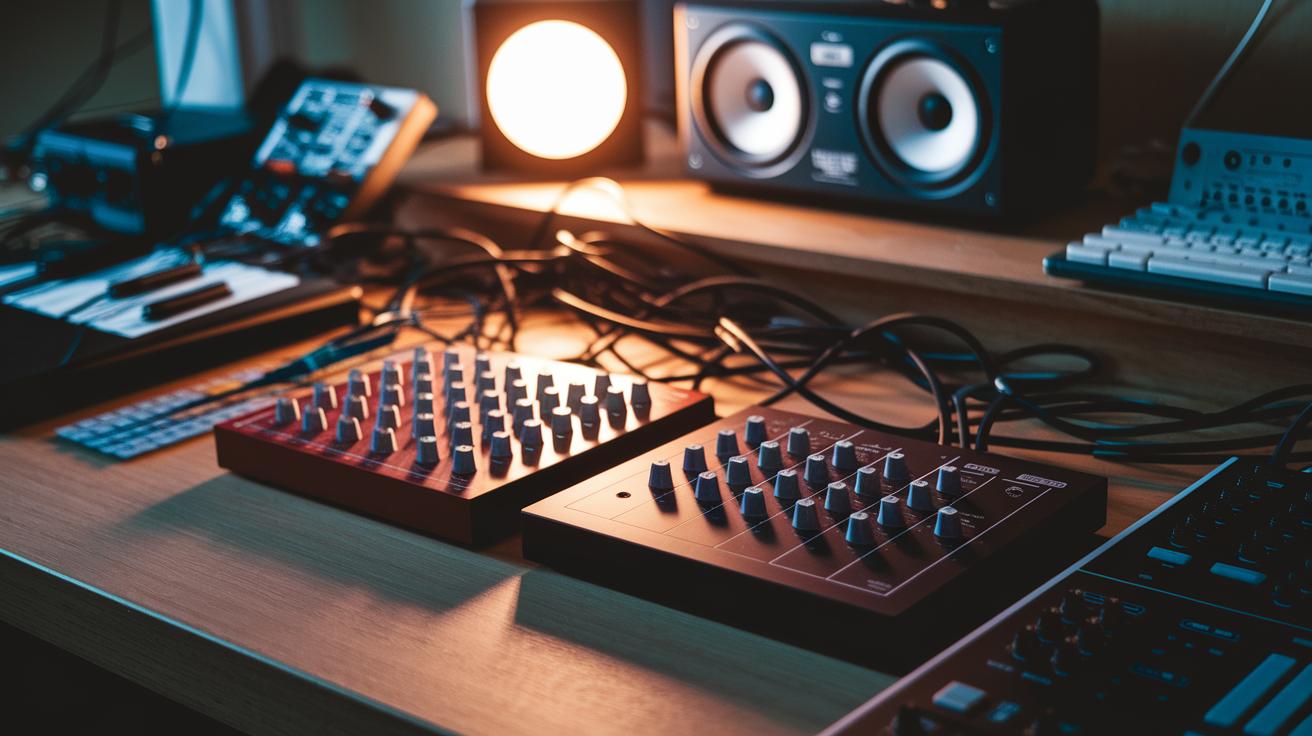
Gear isn’t just sound makers, it’s the heart and soul of acid house. Every piece of equipment brings its own twist, turning plain beats into wild, immersive soundscapes that pull you right in.
The TB-303, made in Japan from 1981 to 1984, is famous for its quirky, squelchy vibe. Its old-school buttons let you tweak the filter and resonance by hand, creating basslines that feel almost hypnotic. It’s like holding a tiny piece of magic that packs a punch.
Then there’s the Roland TR-808. This guy lays down a rock-solid beat with a steady kick, snappy snare, and crisp claps that drive the groove. It’s the heartbeat of acid house, keeping every track pulsing with energy.
Producers mix and match these tools by looping short segments and tweaking them on the fly. This hands-on play gives each performance a unique spark that feels fresh every time. And with modern gear clones and software versions, anyone can dive in and experiment with these classic sounds.
acid house music Radiates Bold Energy

Acid house music bursts with bold energy that grabs you from the first beat. Its iconic tracks spark a vibe that keeps dance floors jumping and brings together fans from all walks of life. Born from fun experiments with vintage gear, this music style uses sounds like the pulsing TB-303 rhythm to create magic that you can almost feel in your bones. In 1987, Phuture dropped "Acid Tracks" with its unmistakable electronic squelch that lit up underground clubs everywhere. Frankie Knuckles then reimagined the familiar with "Your Love," adding a fresh twist that turned heads and touched hearts. Across the ocean, A Guy Called Gerald’s "Voodoo Ray" spread its unique groove in the UK rave scene, and 808 State’s "Flow Coma" offered an expansive mix full of rich layers. DJ Pierre’s "Box Energy" pushed boundaries with wild stutters and sweeping echoes, proving that acid house isn’t just music, it’s a bold force that keeps evolving.
| Track | Artist | Year | Signature Element |
|---|---|---|---|
| Acid Tracks | Phuture | 1987 | First full TB-303 pattern |
| Your Love | Frankie Knuckles | 1987 | Repurposed bass line twist |
| Voodoo Ray | A Guy Called Gerald | 1988 | Squelchy arpeggio |
| Flow Coma | 808 State | 1989 | Expansive acid mix |
| Box Energy | DJ Pierre | 1988 | Experimental 303 stutters |
Acid House’s Rise in the UK Rave Scene

In 1988, acid house kicked off a wild ride in the United Kingdom. Secret warehouse raves in London and Manchester transformed small club nights into huge outdoor parties. Ravers showed up in bold, colorful outfits with those iconic smiley faces, and the energy was simply contagious.
The media wasn’t having it. Critics quickly painted the scene as a dangerous party culture, raising alarms about ecstasy use and unruly behavior. Still, clubbers kept the vibe alive, rallying behind a spirit of freedom and raw self-expression that just wouldn’t be tamed.
The visual magic of these raves was unforgettable. Strobe lights, puffs of smoke, and vibrant graffiti set a dreamy stage for every gathering. When you stepped onto the dance floor, it felt like entering another world, a space where each beat and light pulse teamed up to create an experience that was both electric and deeply immersive.
Production Techniques Behind Acid House Music

Acid house music runs on a simple looping idea that layers sounds with small changes. Producers play short loops over and over, letting each sound breathe. They adjust filters by hand and sweep through resonance to add surprise shifts as the track moves along. This hands-on style creates a vibrant, living sound that feels raw and exciting.
Drum-machine programming is at the heart of acid tracks. The famous Roland TR-808 kicks off a steady 4/4 beat with claps and sharp hi-hats playing off-beat. These sounds form the core of the track, pushing a nonstop vibe that fires up the dance floor. Producers mix these beats together to craft grooves that throb with energy.
Using filter tweaks and layering patterns adds another level of depth. By stacking multiple 303 loops, producers build intricate sound layers that change gradually. Each little tweak of the filter adds a unique texture, giving the music both precision and surprise. This approach keeps the beat exciting and unpredictable.
Modern production blends old hardware with new software tools. Digital audio workstations and plug-ins like TT303 emulations let producers twist knobs and shape sounds just like on classic gear. They use these tools to mix clear, bold tracks that light up club PA systems (immersive acoustic design principles).
The Enduring Legacy and Modern Evolution of Acid House
Artists like Chris Moss Acid and TB Arthur are shaking up the acid house scene by mixing that classic 303 sound with bright, modern beats. They’re showing us that the do-it-yourself vibe is still alive and kicking, thanks to affordable gear and easy-to-use software. It’s like catching a new twist on an old favorite, where familiar rhythms blend with fresh, creative production.
Today’s acid house events aren’t just club nights anymore. They’re full-blown festivals with special stages dedicated to acid music, where timeless tracks meet inventive new spins. Live sets burst with pulsing bass and evolving loops that light up the night, drawing in fans from every corner of the globe. And with global online communities keeping the underground vibe alive, both old-school devotees and new listeners come together for one unforgettable, energetic celebration.
Final Words
in the action, acid house music exploded from Chicago clubs to spark a wave of energetic, underground club nights across the UK. We tracked its roots, highlighted the magic of the TB-303 and TR-808, and celebrated landmark tracks that continue to groove with DIY spirit.
We also peeked into studio techniques and modern reinterpretations that keep the beat fresh. Every pulse fuels a community that shares in the rhythm of pure, unbridled creativity.
FAQ
Acid house music playlist
The acid house music playlist features a curated collection of tracks that embody the genre’s signature squelching bass, steady 4/4 beats, and hypnotic loops, offering listeners an immersive taste of acid house history.
Acid house music YouTube and acid house music videos
The acid house music YouTube selection showcases clips that capture the live energy and iconic visuals of club scenes, featuring both classic tracks and modern interpretations of acid house grooves.
What are some notable acid house tracks and artists from different eras?
The acid house scene is known for landmark tracks from the 80s and 90s, like “Acid Tracks” and “Voodoo Ray,” created by pioneering artists whose work continues to influence the genre’s rhythmic energy.
What makes a song “Acid House” and what kind of music is acid house?
The acid house sound is marked by repetitive 4/4 beats, squelching synth lines from the TB-303, and simple, looped patterns that create a hypnotic, club-ready atmosphere, distinguishing it from other dance tracks.
Who is the father of acid house music?
The acid house music father is often credited to early innovators like Phuture and club pioneer Ron Hardy, whose groundbreaking work in Chicago set the stage for the genre’s distinct sound and cultural impact.
What’s the difference between house and acid house?
The difference lies in style; while traditional house focuses on smooth, melodic beats, acid house emphasizes experimental sounds with squelchy bass and hypnotic loops, giving it a raw, edgy energy.