Have you ever felt the thrill of stumbling into a surprise party in a hidden club? The 90s rave scene turned quiet corners into lively spots where deep beats lit up the night. DJs tossed the rule book aside, filling every moment with a pulse that still lingers today.
Let's take a trip back to a time when dancing was wild and music felt like magic. This post dives into how those unforgettable nights sparked a wave of nostalgia that inspires today's dance and club scenes all over the world.
Historical Overview of 90s Rave Culture
Back in the late 80s, UK acid house was like the spark that set off a wild new sound. Small, hidden clubs came alive with pulsing beats and strange, experimental rhythms. Picture a secret London basement party where every beat filled the room with raw, electrifying energy.
In these cozy spots, the rave scene grew by nurturing underground vibes. DJs would drop tracks that broke all the rules, and the crowd felt each beat up close like a shared, spontaneous heartbeat. It was a private world of music and movement where nothing was off-limits.
Then, between 1990 and 1992, things really shifted. Local laws relaxed and allowed all-night dancing, which turned those hidden gatherings into fully legal parties. Imagine city streets glowing as people spilled out from dim rooms, dancing freely until dawn.
By the mid-90s, what began in small clubs had exploded into a worldwide movement. UK rave culture transformed from intimate underground sessions to giant festivals that captured that same electric spirit. And that energy? It went on to inspire modern club scenes and dance events all around the globe.
Essential Music Genres and Classic Dance Anthems of 90s Rave

Back in the 90s, the rave scene exploded with raw energy and sounds that made every beat feel like a heartbeat. The music ranged from driving club beats to dreamy, hypnotic sounds that got everyone bouncing and swaying. Every song mixed a few different styles, which soon gave rise to new beats like jungle, drum & bass, trance, and gabber. Even today, these classic dance tracks light up modern festivals, reminding us of the days when underground parties had a mind of their own.
Imagine the rush when a track like "Energy Flash" hits. Before the beat even drops, the dancefloor is buzzing in anticipation, ready to jump into wild motion. It was like the music held a special kind of magic, raw samples, cool drum patterns, and experimental vocals that spoke a whole new language, marking a new era in club culture.
| Track | Year | Subgenre | Origin City |
|---|---|---|---|
| Energy Flash – Joey Beltram | 1990 | Techno/Acid House | New York |
| Go – Moby | 1990 | Breakbeat | New York |
| Outta Limits – Mission Control | 1992 | House | Chicago |
| Blue – LaTour | 1992 | House/New Wave | Detroit |
| Deep Inside – Hardrive | 1993 | Deep House | Chicago |
| The Bomb! (These Sounds Fall Into My Mind) – The Bucketheads | 1994 | House/Breakbeat | New York |
| Higher State of Consciousness – Josh Wink | 1995 | Acid House/Breakbeat | Philadelphia |
| Flash – Green Velvet | 1995 | House/Techno | Chicago |
Every new track wasn’t just another song, it was a heartbeat of the dancefloor. The fresh blend of sounds kept the crowd charged up and ready for the next surprise. Each release was a crafted moment that changed how we experienced music, turning a simple night out into a personal celebration of sound.
Retro Fashion and Style Trends in 90s Rave Scene
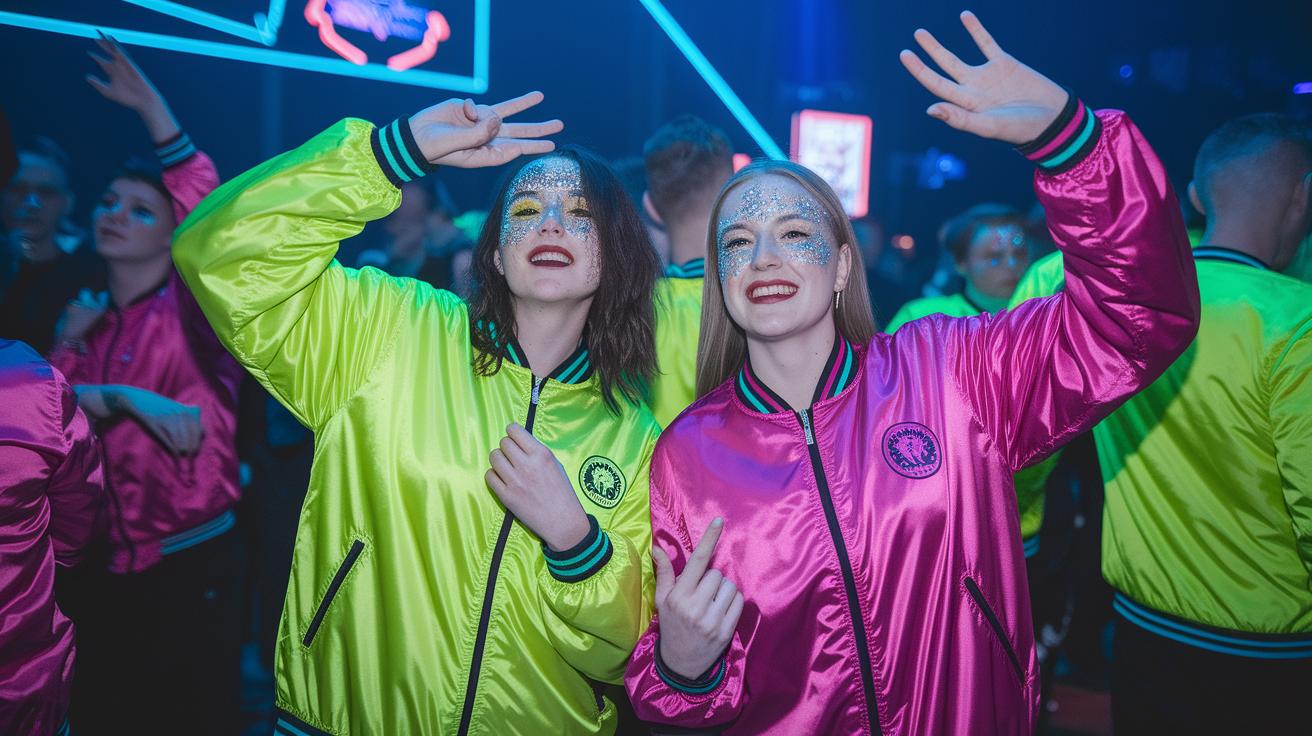
The 90s rave scene was all about shaking off the old norms and letting your personality shine through your clothes. Ravers weren’t about following trends, they turned every party into a playground of self-expression. They dressed to match the electric vibe of the night, using bold styles to scream freedom and energy.
Imagine popping on neon windbreakers and parachute pants, or rocking platform boots and sneakers that made you feel like you could dance forever. They jazzed things up with glitter makeup, UV body paint, and even DIY PVC or holographic outfits. Graphic tees sporting acid-house logos paired with wild, crimped or spiked hair turned every look into a statement.
Each piece had its own tale, a bright flash of neon lighting up the darkness, hair that shouted individuality, and makeup that glowed under blacklights. These weren’t just costume choices; they were personal badges of freedom, turning the dancefloor into a burst of creative energy. By mixing daring patterns and experimenting with DIY designs, ravers celebrated the beauty of being uniquely themselves, just like the beats that kept them moving.
90s rave Bursts with Electric Nostalgia
Remember when abandoned warehouses and secret basements became the pulse of a wild, no-holds-barred night? These hidden spots buzzed with raw energy and music that felt as free as the air, inviting everyone to dance like they meant it. Every venue had its own groove, letting young partygoers write a new chapter for club culture.
Haçienda (Manchester): Catalyst for UK acid-house
Over in Manchester, the Haçienda made nights unforgettable with its fresh acid-house sound. It wasn’t just a venue, it was a bold move against the usual, sparking an energy that felt like a burst of rebellion with every set.
The Loft (NYC): Birthplace of all-night dance parties
New York’s The Loft redefined what a night out could be. Think of endless dance marathons where every hour felt as lively as the one before. It welcomed everyone with a big, open spirit, turning simple gatherings into sunrise celebrations.
Shelter (Chicago): Hub for deep-house and techno
Chicago’s Shelter quickly became a magnet for fans of deep-house beats and techno rhythms. That raw, pulsing vibe brought people together, making every track feel like a shared secret and every moment deeply personal.
Castlemorton Commons Festival: 1992 free outdoor rave that spurred UK licensing laws
Castlemorton Commons in 1992 was something else, a giant outdoor rave under open skies that changed everything. The event was so wild it even prompted new safety rules and licensing practices in the UK. By evolving from secret spots to open-air festivals, rave culture showed how to keep that fierce energy alive while staying a bit safer on the dancefloor.
Influential DJs and Party Pioneers of the 90s Rave Movement
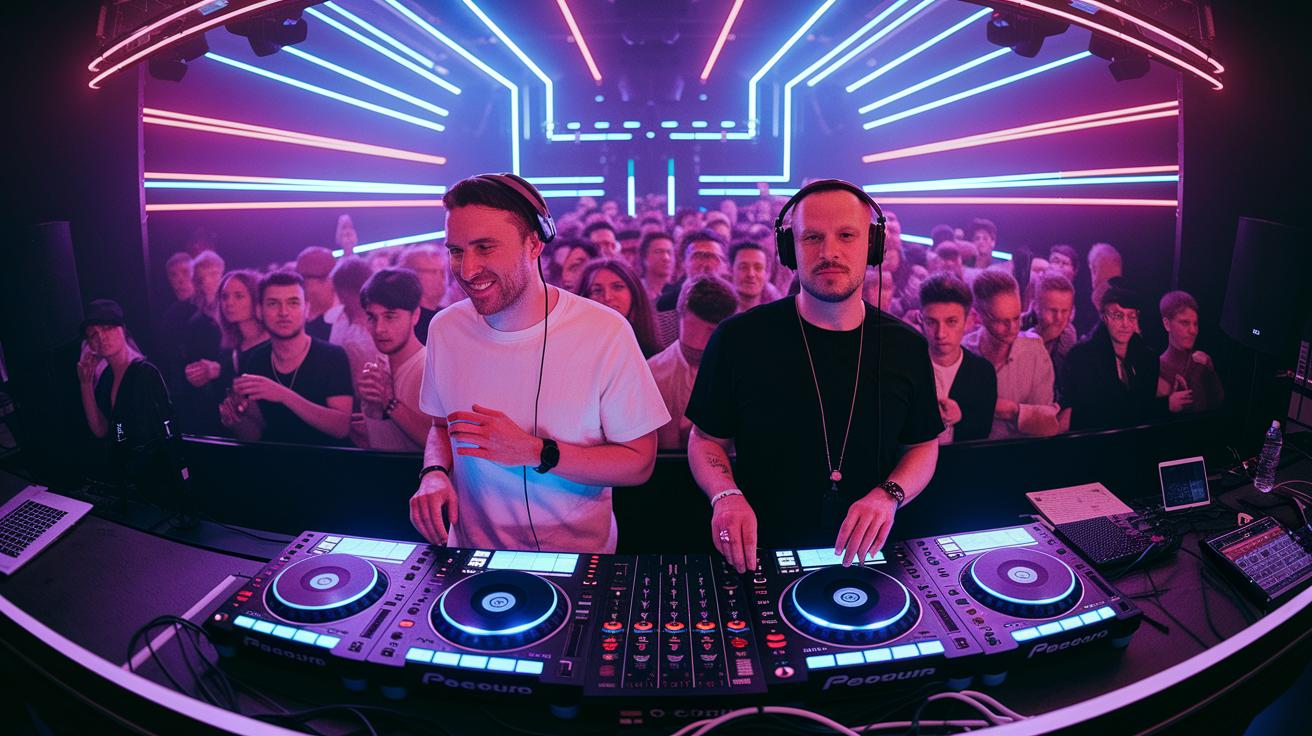
In the UK, pioneering DJs kicked off a rave revolution that completely changed the club scene. Think of legends like Paul Oakenfold, Carl Cox, Sasha & John Digweed, and Danny Rampling. They rocked famous venues with sets that blended deep, thumping beats and clever, twisty mixes, making every night feel electric.
These icons built club residencies that now serve as the blueprint for modern electronic parties. Their regular gigs at places bursting with eye-catching visuals and booming sound drew crowds who still remember how each live mix transformed a club into a vibrant hub of creativity and communal rhythm.
Across the world, DJs like Lenny Dee from New York brought a unique house vibe, while talents like Neil Landstrumm from Edinburgh and Tokyo’s Soichi Terada spiced up local scenes with eclectic beats. And in London, DJ Mayhem showed off a mix of textures that spanned different genres, proving that every city had its own remix revolution.
Mixing and remixing became the heartbeat of the rave scene. DJs reimagined tracks by layering unexpected samples and shifting tempos in a flash. This style turned every beat into a live conversation, drawing the crowd into a shared sonic adventure that kept the party alive and buzzing.
Visuals, Flyer Art, and Light Shows Defining 90s Rave Aesthetics
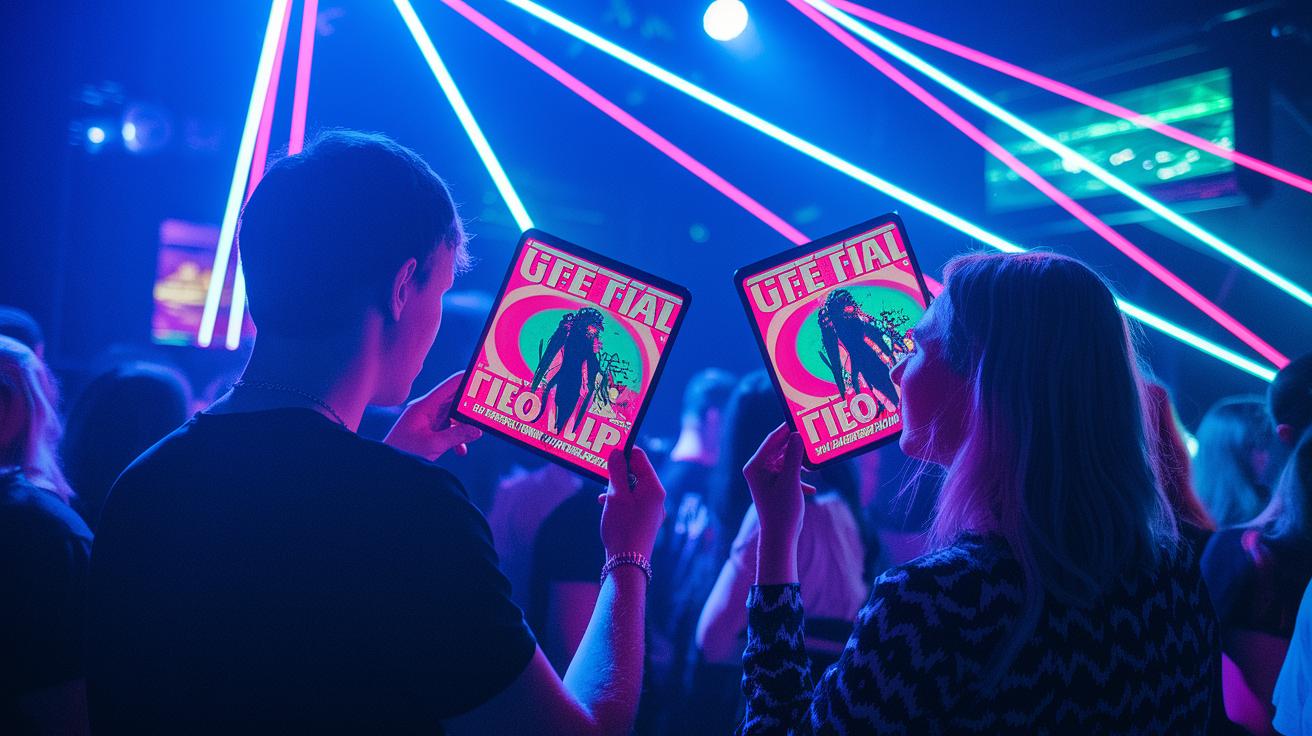
Back in the 90s, creating your own flyer was a way of life. Promoters would hand-print or screen-print these vibrant, UV-reactive flyers, producing a burst of color that lit up under blacklight. Imagine a flyer that practically glows, a homemade invitation setting the stage for an unforgettable night.
Then came the cool tech. Early digital projectors, strobe lights, and laser systems turned dark venues into animated wonderlands. Lasers sliced through the dark while strobes pulsed in time with the beat, transforming simple club spaces into dazzling displays of light and shadow.
On the dancefloor, everything came together perfectly. The wild graphics moved in sync with the thumping bass, creating a lively blend of visuals and sound. This mix of creative flyer art and innovative lighting turned every track into a full, multisensory experience that captured the magic of the night.
90s Rave Legacy: Revival and Impact on Modern Electronic Music
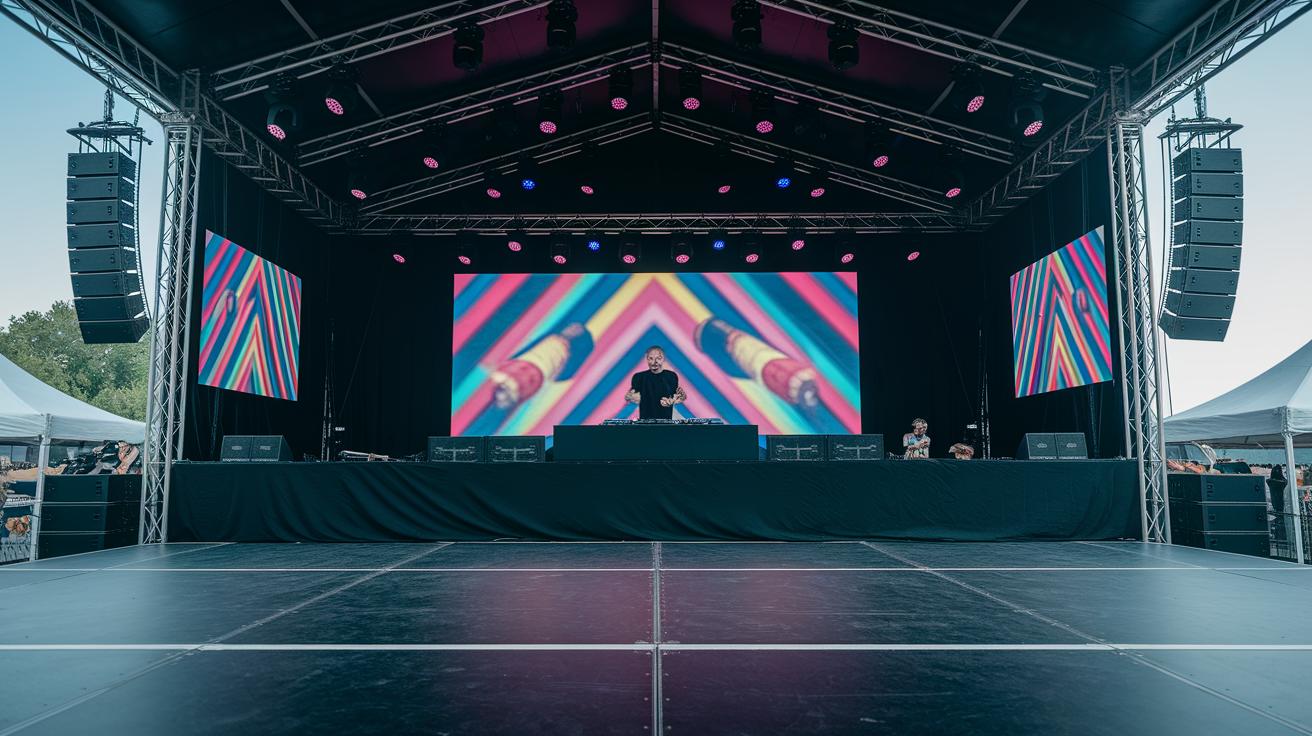
Today’s events pulse with the nostalgic vibe of the 90s. Festival organizers throw themed nights where vintage visuals and reissued tracks bring back the underground magic. Picture this: at one festival, a stage spun only reissued vinyl that instantly reawakened the raw excitement of live dance. These throwbacks show us that the spirit of the past still grooves strong in today’s beats.
Even now, 90s production techniques leave their vibe on modern tunes. Many EDM, techno, and trance producers mix old-school methods , like using white-label records and experimental sampling , with today’s digital effects. Imagine a producer drawing inspiration from a 90s acid house loop, layering warm analog synths with crisp digital sounds to bridge two eras with every beat. This blend keeps old-school energy alive while fueling fresh creativity.
Rave culture remains the heartbeat of unforgettable parties and global dance floors. Archival projects and nostalgia-filled compilations keep the era’s spirit shining, inspiring new remixes and live shows that echo that timeless thrill.
Final Words
In the action, we took a ride through the underground tales of 90s rave culture. We saw how small, secretive clubs and legal, safe events set the stage for a worldwide explosion of energy. The mix of classic dance tracks, bold fashion, and creative event visuals showcased the passion that defined the scene. Influential DJs and iconic venues paved the way for today’s electronic beats. This nod to 90s rave leaves us inspired by a past that still shines bright in modern entertainment.
FAQ
What was a rave in the 90s?
A 90s rave referred to all-night dance events that featured pulsing electronic beats, dynamic lighting, and an atmosphere of creative expression where people gathered to experience an electrifying music culture.
What did ravers wear and how did they use makeup during 90s raves?
The 90s rave style featured bold, unconventional outfits like neon and baggy garments, DIY costumes, glitter makeup, and UV-reactive accessories that matched the high-energy party vibe.
What defines 90s rave music and where can I find top songs from that era?
The 90s rave music scene is known for its groundbreaking acid house, techno, and trance tracks. Curated lists and playlists still highlight top hits that once filled packed dance floors with innovative rhythms.
Who were some influential 90s rave artists?
Influential 90s rave artists were pioneers whose unique sounds powered underground parties, shaping beats and remixes that continue to inspire modern electronic music styles.
What do classic 90s rave photos capture about the era?
Classic 90s rave photos capture the raw energy, eye-catching outfits, and vibrant, dimly lit environments that defined the underground scene and evoke a sense of nostalgia.
Were 90s raves legal, and why might rave parties be considered illegal in some parts of the USA?
The legality of 90s raves varied; many events began as unlicensed underground gatherings. In some parts of the USA, strict safety and licensing rules led to crackdowns on parties that didn’t comply with regulations.
What are some landmark tracks from the 90s rave era?
Landmark tracks like Anasthasia, Playing With Knives, Out of Space, Energy Flash, Evapor 8, and Let Me Be Your Fantasy blended distinctive beats and innovative sounds that powered the rave movement and energized dance floors.


