
Ever wondered why some campaigns really click while others just miss the mark? It all starts with a solid game plan, like picking the perfect mix for your favorite playlist. When you set clear goals and choose the right channels to share your message, every step feels intentional.
In this post, we break things down into simple, clear steps that guide you in building campaigns that truly resonate. Think of it as crafting a live show where every moment connects with your audience, making every move count on the road to success.
Essential Components of Strategic Campaign Planning

Campaign planning is like setting the stage for a great live show. You break down the journey into simple, clear steps that guide you along the way. One tried-and-true method has six steps: start by setting your goals, get to know your audience, decide on a budget, come up with fresh ideas, create engaging assets, and finally, keep an eye on your results. It’s a bit like crafting your own playlist – you choose your favorite songs, line them up perfectly, and then let the music play.
Another simple approach uses five easy steps. First, pin down your goals and budget. Next, figure out who you want to reach and the best channels to get your message out. Then, let your creativity flow and brainstorm ideas that genuinely connect. After that, map out your plan using a shared calendar, so everyone on your team is in sync. And finally, launch your campaign while tracking key numbers like new leads or audience buzz. For instance, you might set a clear goal such as “Increase brand awareness by 20% in three months.”
Both methods are built on the idea of a clear roadmap – a bonus blueprint that covers everything from social media shouts to old-school techniques. This blueprint is more than just a set of instructions; it’s a living guide that ties together everything from creative processes to smart scheduling tools. It’s like having a step-by-step guide that marries your creative vision with real-world actions.
By mixing a hands-on framework with a clear, step-by-step plan, you make sure every part of your campaign works perfectly together. This thoughtful plan can simplify even the trickiest projects and even provide ready-made templates for things like new product launches or local service promotions. It helps teams drive real results while staying flexible and ready to adapt as the campaign unfolds.
Defining Goals and Objectives for Your Campaign

When you plan a campaign, start by matching your business goals with clear, measurable targets. Use the SMART method, making your objectives Specific, Measurable, Achievable, Relevant, and Time-bound. For example, you might set a goal to "boost brand awareness by 20% in Q3" or "capture 500 quality leads in 8 weeks." These targets guide every creative choice and budget decision.
Next, tie each goal to key performance indicators (KPIs) that show results, whether that's tracking the number of leads or checking engagement levels. Think of this step like setting cues for a live show, where every metric leads seamlessly into the next act.
By combining clear objectives with defined KPIs, every part of your plan, whether it's choosing channels or allocating funds, works together smoothly. Each goal acts like a step in a well-coordinated journey towards success.
Audience Targeting Framework in Campaign Planning

Let's start by really getting to know your audience. Begin by grouping people based on age, location, interests, and even buying habits. This way, you can send messages that truly speak to each group. Imagine splitting your contacts into young adults who crave fresh, trendy updates and families who appreciate practical, heartfelt tips.
Next, bring these groups to life with detailed personas. Use simple tools like social media insights and competitor reviews to learn what makes each group tick. Picture a persona that says, "Loves getting hands-on, prefers quick updates, and responds best to eye-catching visuals." This turns plain numbers into a clear picture of the real people you're connecting with.
Then, have some fun with A/B testing to see what works best. Try comparing two ideas, like a cool video ad against a bright, graphic post, and discover which one your audience loves more. And don’t forget to set up a multi-channel content calendar. This keeps everyone on the same page, whether you're a solo operator or part of a big team, making sure every update hits just the right note every time.
Crafting Your Campaign Blueprint Methodology
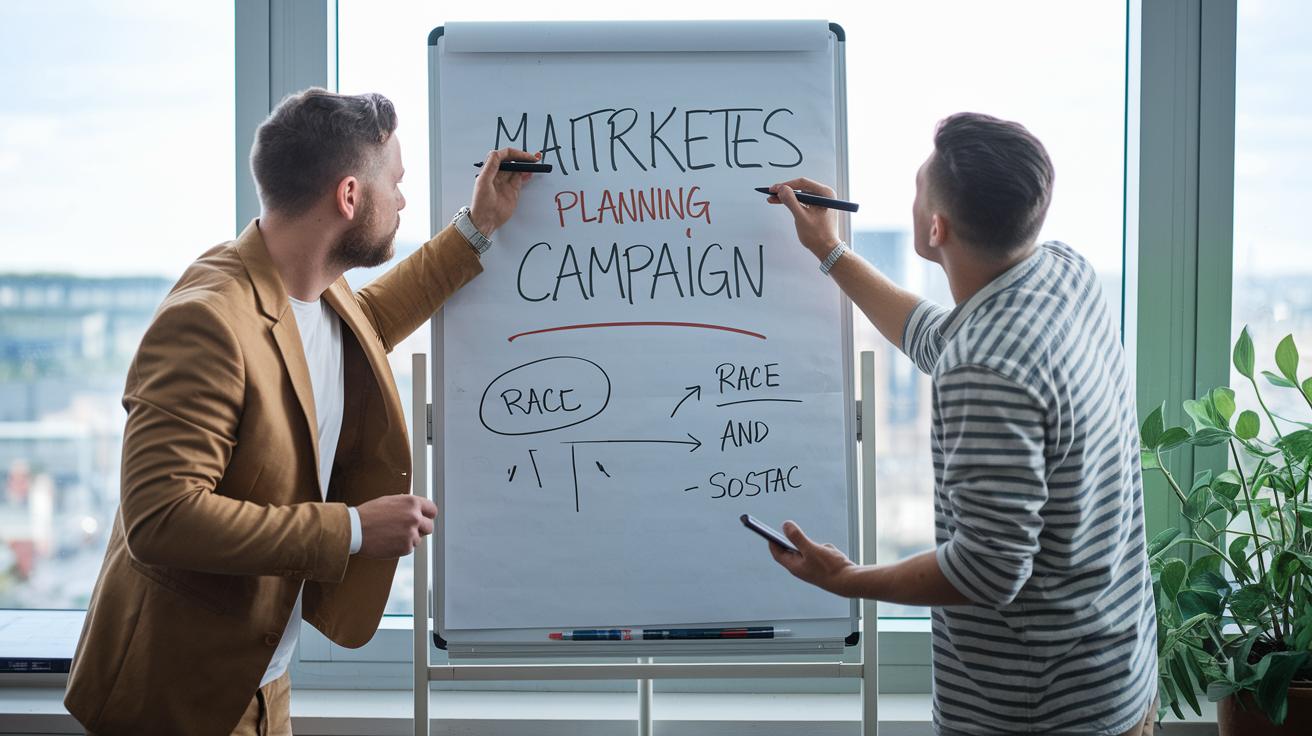
Campaign blueprint methodology uses proven, step-by-step techniques to plan out every bit of your campaign. There are two friendly models to choose from: the RACE Framework and PR Smith’s SOSTAC®. With RACE, you cover four main steps: Reach, Act, Convert, and Engage. You start by grabbing attention, spark interactions, turn interest into action, and then keep people coming back for more. Imagine launching an ad campaign that first shines a spotlight on your message, like a crowd buzzing with excitement as your bright idea appears on their screens.
SOSTAC® gives you even more clarity. You begin by checking out your current situation, set clear objectives, map out a strategy on how to hit those goals, list the tactics you’ll use, plan the actions, and finally set up control measures to track progress. Think of it as building a solid structure where every block matters; nothing is left to chance. For example, you might say, “Start with SOSTAC®, picture a sturdy plan where every tactic is a building block for lasting success.”
Next, an integrated market framework means lining up all your messages across paid, owned, and earned channels. This method ties together creative workflows, approval steps, and automated tools into one smooth plan. It makes sure that all parts of your campaign, whether in design or distribution, fit together perfectly to create a winning performance.
Campaign planning fuels winning execution

Planning a campaign is like setting up a game plan for each move. When you start, break your budget into clear slices, say, a part for digital ads, another for creative content, some for events, and a piece for influencer partnerships. For example, you might say, "I’ll spend 35% on digital ads, 30% on creative content, 20% on events, and 15% on influencer support." This clear split helps you see exactly where your money goes.
Next, using a budget framework lets you focus your funds on the channels that seem the most promising. It’s like balancing fresh digital ideas with classic methods. You can even use simple social media budget tools to see how your spending shifts in real time. Every dollar has its role.
And then there’s the team, make sure everyone knows their part. Assign tasks like keeping an eye on ad performance or tweaking the content schedule. When everyone understands their job, your funds support both creative ideas and technical work at every step of the campaign.
Timeline Creation and Execution Checklist Tool

Imagine planning your campaign timeline like mapping out a fun road trip, every stop matters. Tools like Gantt charts help you see big milestones, while Kanban boards keep your daily tasks in check. Picture a Gantt chart with rows for each task, clearly marking a date like “Launch Date – July 1: Kick off campaign.”
Using simple request forms makes it easy for the team to share creative work. For example, you might set a note that says, “Submit final video by May 15,” so everyone knows when to finish their part. This clear plan helps with reviews and last-minute checks.
An execution checklist is your best friend when it comes to staying organized. Write down each step of your campaign, cross them off as you go, and add a spot for quick fixes.
- Launch date confirmed
- Graphics approved
- Copy revised
- KPI tracking set up
It’s always smart to have backup plans for surprises, like a video coming in late or a sudden change. With a plan that mixes careful scheduling, task management, and room for quick adjustments, you keep things running smoothly even when unexpected things happen.
A strong timeline not only keeps everyone on task but also makes quick changes feel easy. This thoughtful planning is what drives your campaign to success every single time.
Monitoring Performance: KPIs and Analytics in Campaign Planning

Keeping an eye on your campaign’s progress is super important. By setting up real-time dashboards, you can see your tactics in action as they happen. Imagine getting an hour-by-hour update on how many people visited your campaign page – it’s like watching your project’s heartbeat live. This immediate insight helps you spot what’s working and what could use a little tweak.
A/B testing is a neat trick to make your creative work even better. Picture comparing two headlines, like "Grab Your Chance Today!" versus "Don't Miss Out, Act Now!" A quick test like this shows you which one grabs attention, guiding your next creative steps. You can use the same idea for images or call-to-action buttons, keeping your campaign fresh and engaging.
It’s also key to review every part of your campaign. That means looking at each stage – how you reach people, how they act, whether they convert, and if they keep coming back. Think of it as checking the pulse of your project. For instance, if conversions are lower than expected, maybe your call-to-action needs a boost or your offer should be fine-tuned.
Linking feedback systems with automated reporting sets up a smart, data-driven plan for the whole team. This approach doesn’t just show you a snapshot of current results; it also lights the way for future strategies. For example, once a small headline change jumped engagement by 15% overnight! This continuous flow of feedback keeps your campaign sharp and always ready for the next big move.
Tools, Templates, and Case Studies for Effective Campaign Planning

Campaign planning can feel like a breeze with the right resources. Many free tools make it simple: imagine a social media price calculator that quickly shows you costs, or a fun quiz that reveals what role each team member naturally plays. There are even ready-made templates that walk you through every step, from dreaming up the idea to scheduling creative content. For example, one quiz asks, "Discover your real job title in today's marketing scene," and instantly surprises you with insights like, "Before a rising brand used our template, their social buzz doubled overnight."
Next, picture using visual collaboration software side by side with project management tools such as Gantt charts, Kanban boards, and smart request forms. This combo turns planning into a lively team effort, streamlining creative work and approval processes. Imagine a design board that clearly maps out every task, keeping everyone perfectly in sync. One case study even shared, "After aligning their project on a digital marketing roadmap, a brand saw department coordination jump by 30 percent."
Several real-world examples back up these claims. One case study shows how a brand awareness campaign refined with these tools achieved better reach and audience engagement. Another story reveals how a full campaign template, tweaked in real time, took lead generation to whole new heights. Even event marketing benefits, with clear visual plans ensuring assets arrive on time and social media promotions click together seamlessly.
Finally, specialized toolkits for digital and social media marketing offer around-the-clock support and customization options that can grow with your needs. These resources work for both agencies and in-house teams, making it easy to run an all-in-one campaign that fits a variety of goals. Check out this multi-channel promotion plan for fresh ideas on blending various media and messages into one clear, actionable plan: https://thezeff.com?p=221.
Final Words
In the action, you’ve seen how strategic campaign planning breaks down into six clear steps, from setting SMART goals and targeting the right audiences to organizing budgets and scheduling timelines. The guide showed you how to integrate effective blueprints and use useful tools, all to keep your campaign on track. It’s been a hands-on look into planning that makes complex tasks feel manageable. This approach encourages confident, creative digital efforts that spark excitement and build strong communities. Enjoy planning your next inspiring project!
FAQ
Campaign planning template
The campaign planning template lays out a clear roadmap for your campaign by defining goals, identifying audiences, allocating resources, and scheduling tasks, making strategy execution straightforward.
Campaign planning PDF
The campaign planning PDF is a ready-to-use guide that visually arranges steps, tools, and tracking methods, helping you structure and execute your marketing campaign efficiently.
Campaign planning and execution
The campaign planning and execution process combines strategic goal setting with detailed scheduling and resource management, ensuring each phase of your marketing initiative is timed and measured for effectiveness.
Campaign plan example pdf
The campaign plan example PDF illustrates a complete blueprint, outlining steps from defining objectives to monitoring performance, providing a practical model you can adapt for your own marketing campaign.
Military Campaign Planning process
The military campaign planning process follows structured steps that include mission objectives, resource allocation, and precise operational planning, ensuring clarity and control from planning to execution.
Campaign planning tools
The campaign planning tools consist of templates, budget calculators, and scheduling software that help streamline setting goals, managing resources, and tracking performance throughout your campaign.
Types of campaign planning
The types of campaign planning range from digital and traditional marketing to integrated multi-channel initiatives, each designed to meet unique business goals and reach targeted audience segments.
Advertising campaign planning PDF
The advertising campaign planning PDF delivers a clear guide focused on creating ad strategies by outlining budgeting, audience targeting, and performance metrics to effectively launch and manage advertising efforts.
What is a planning campaign?
The planning campaign is a coordinated effort where teams define goals, identify target audiences, and map out actionable steps, resulting in a focused initiative aimed at boosting brand visibility or sales.
How to prepare a campaign plan?
The process of preparing a campaign plan involves setting clear goals, researching your target audience, allocating resources effectively, and creating a detailed timeline to guide each stage from concept to launch.
What are the basic principles of campaign planning?
The basic principles of campaign planning include defining SMART objectives, understanding your audience, coordinating resources, and establishing clear metrics for performance, forming a foundation for a successful campaign.
What are the 7 steps in the promotional planning process?
The 7 steps in the promotional planning process cover steps like setting goals and budgets, targeting the audience, brainstorming ideas, detailing distribution schedules, launching the campaign, and tracking performance with clear KPIs.