Ever noticed how a great song can sweep you off your feet? A track only shines when it pulls you right in, making you feel every beat. Today, I'm excited to share some fun tips that will make your mixes buzz with life and energy. Imagine each beat and echo working together like a close-knit crew, creating a vibe that grabs you from the start. These creative ideas are all about helping your music stand out and spark fresh, inspiring vibes.
Essential Techniques for Immersive Music Production
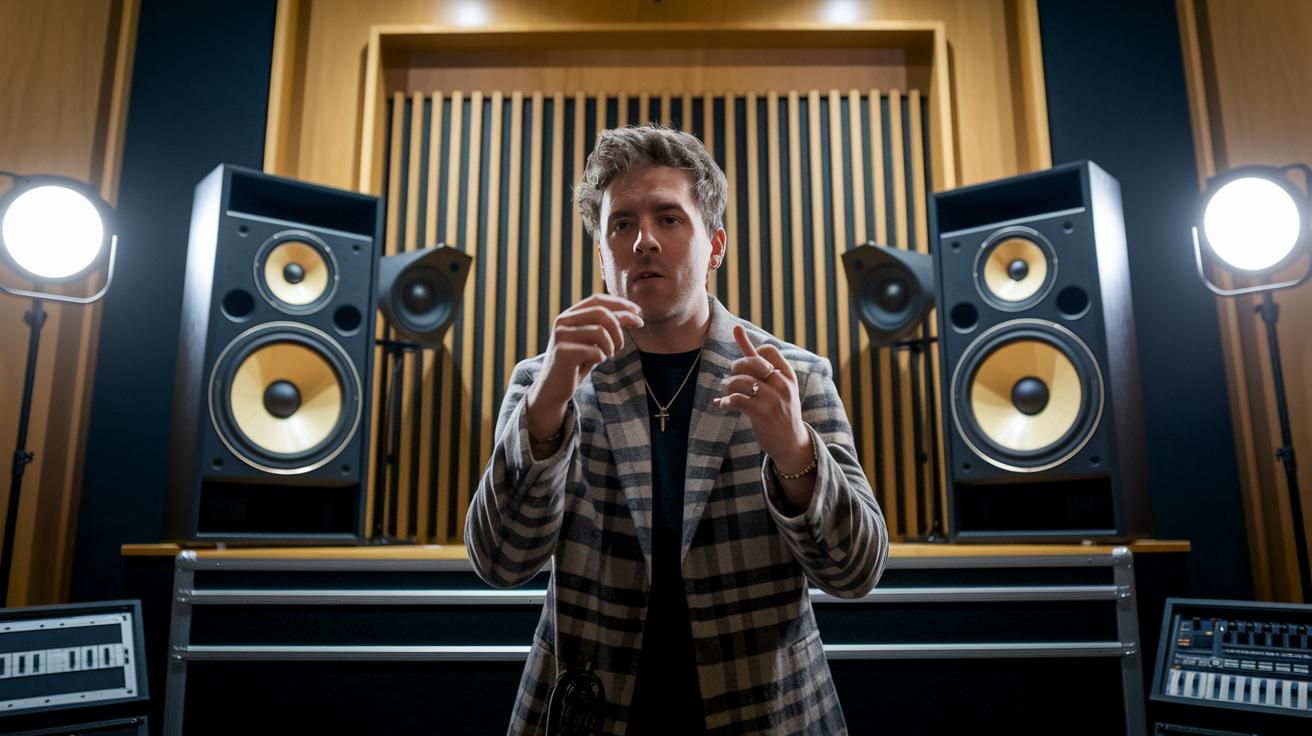
Ever thought about how to pull someone right into your music? Immersive music production is all about letting sound lead the way. You’re aiming to let the main sounds take the spotlight while letting supportive sounds gently drift around. Imagine a singer shining in the front while soft echoes create a cozy backdrop, it’s like giving your mix its own personality.
Here are seven cool techniques to get you going:
| Technique | Description |
|---|---|
| Spatial Panning | Picture moving a guitar from the center to a gentle sweep along the listener’s side, making the sound feel alive. |
| Layered Texture | Build your sound like a layered collage, adding ambient textures that set a dreamy scene. |
| Reverb Tail Sculpting | Imagine adding reverb that slowly changes over time, giving each part of the track its own magic twist. |
| Depth Perception | Create sounds that seem closer or farther away, making the mix feel like a full, three-dimensional space. |
| Effect Chaining | Let several effects work together, almost like a live performance that builds energy with every beat. |
| Instrumental Balance | Arrange each instrument so it finds its perfect spot, ensuring every sound has a role and nothing gets crowded. |
| Enhancing Depth | Add subtle tweaks that boost the sense of space, deepening the immersive vibe of your mix. |
These techniques turn mixing into more than just a technical task, it transforms it into a creative story. Many producers got hooked on this art after feeling the excitement of Atmos audio, and now they use these methods for projects ranging from jazz to pop. It’s all about experimenting boldly with placements and effects until each track feels like a live, engaging experience that truly draws in the listener.
Spatial Audio and Surround Mix Essentials for Immersive Tracks
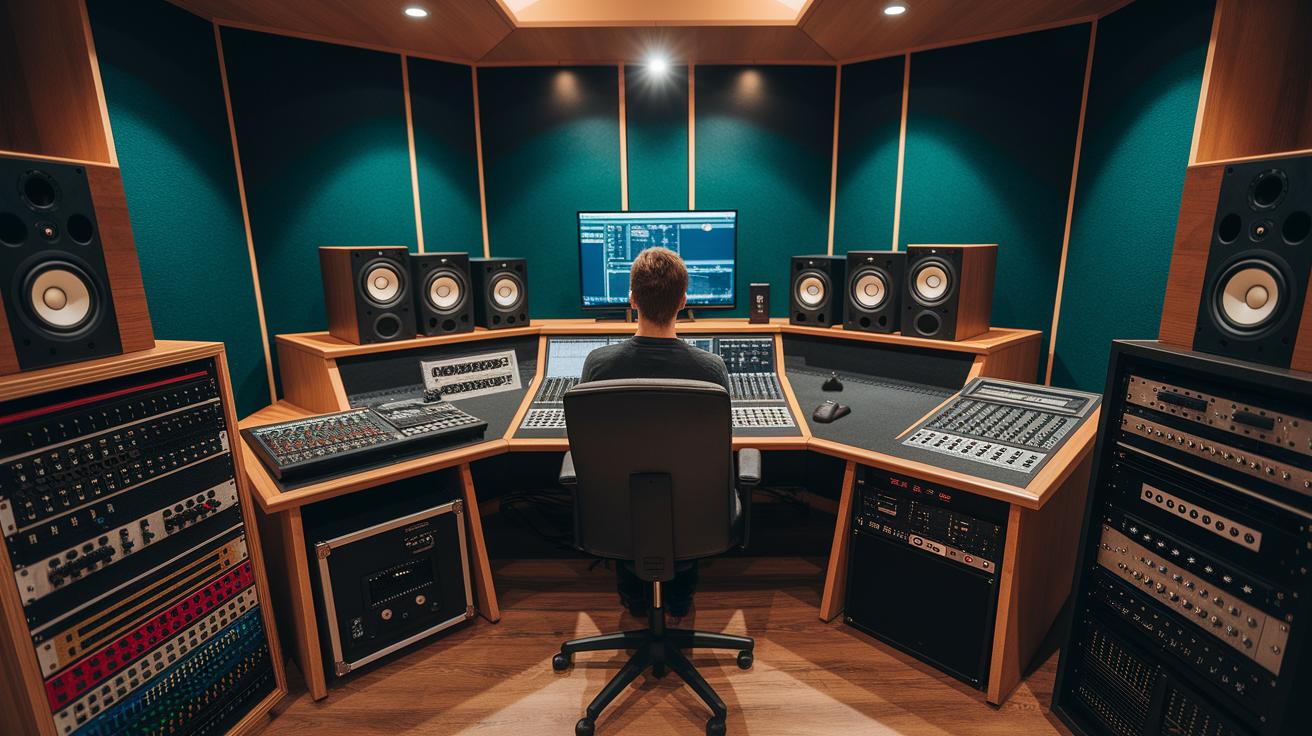
Step into a mix room where creative spark meets true precision. Imagine a small, cozy space, about 4 m by 3 m, transformed with a 7.2.4 setup. This rig lets you work with immersive Atmos and stereo mix tracks separately, giving you the freedom to play with spatial audio. It’s like setting up a mini live performance where every sound has its own spot, from the main focus upfront to the surround layers floating around you.
When making immersive music, knowing your surround mix tricks is key to a three-dimensional sound adventure. By placing channels just right, you can guide your listeners through a rich soundscape that feels almost magical. Even if your stems aren’t perfectly prepped, this setup helps you tackle any challenge head-on. Think of it as setting the stage in a small mix room and watching the sound come alive all around you. With careful tweaks and creative channel use, you can build a mix that feels lively, inviting, and totally immersive.
| Configuration | Use Case |
|---|---|
| Stereo | Reference for basic immersive checks |
| 5.1 | Home-theater clarity |
| 7.1 | Expanded surround imaging |
| 7.1.4 | Full Atmos cinema environments |
Creative Layering and Acoustic Environment Enhancement in Immersive Music Production

Have you ever felt like you were inside the music when you listened to your favorite song? That is the magic of immersive music production. It’s all about using the space around you to build a fresh musical story. Instead of just moving stereo tracks around, you create a sound world where each sound finds its perfect spot. Think of it like mixing colors on a painter’s palette, where every shade adds a special touch to the vibe.
This creative technique is all about telling a story with sound. When you mix layers, let your main sounds take center stage while gentle background textures fill in the rest. Try adding ambient touches like soft echoes or quiet crowd murmurs that feel like real life. This way, each track adds a bit more depth to the whole experience. For a step-by-step look at how immersive audio works, check out this link: how immersive audio works.
Shaping the acoustic environment is more than just throwing in effects. It is like sculpting the very space where your music comes alive. By fine-tuning things like reverb, echo, and how sounds bounce around, you make your mix feel like a live experience. Every note gets a chance to shine with clear, vibrant emotion that pulls you right into the performance.
Advanced Mixing Techniques for Depth in Immersive Tracks

Advanced mixing isn’t just about tweaking settings, it’s about finding that perfect balance between EQ, compression, and effects so the sound feels like it surrounds you. Think of it as setting up your favorite band where every instrument gets its own spotlight without stealing the show from the others.
When working on a mix, you can use creative EQ and smart compression together, almost like giving each instrument its own little stage. Sometimes you boost a frequency here or cut one there, letting each sound breathe without clashing with its neighbor. Compression helps keep louder parts in check so the energy stays intact, crucial when you want your immersive track to feel as vivid and inviting as a live concert across any style from jazz to pop.
And then there’s the magic of effect chaining. Picture layers of effects dropping in just at the right moment, much like the surprise shifts you feel at your favorite live performance. This technique not only keeps the original tone of the music clear, it also adds a deep, animated feel that turns every mix into a dynamic, unforgettable experience.
Software Tools and Workflow Optimization for Immersive Music Production

Choosing the right software can totally change the vibe of your project. It sets the mood, letting your musical story shine while you explore cool spatial effects. Working in an intuitive DAW, basically a digital audio workstation that helps you mix and create music, feels like a creative jam session. It's a time when technical tasks mix with artistic choices, making it easy to let your creativity take over.
A neat trick to lift your immersive sound is to try free binauralizer plugins. These handy tools let you experiment without getting lost in techy details. Picture placing sounds in a virtual space, much like arranging instruments for a live show. Start with a simple plugin and watch how little tweaks can open up a whole new dimension, making each part of your track feel alive.
Next, streamlining your DAW workflow is like clearing the stage before a big performance. Organizing your tracks into clear groups, setting up shortcut keys, and using session templates transforms cluttered projects into smooth, straightforward sessions. This way, you spend less time navigating menus and more time creating those immersive vibes that pull your listeners right into the heart of your music.
Recording and Calibration Techniques for Authentic Immersive Capture
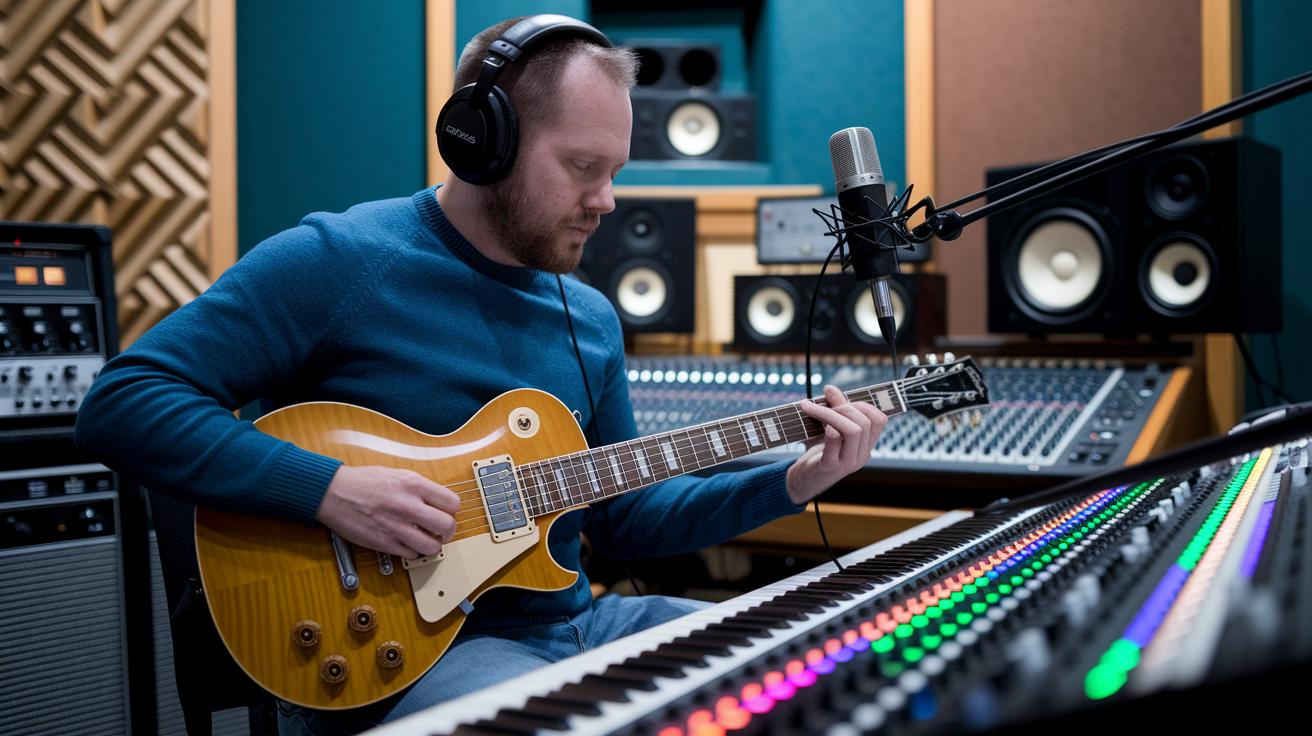
At our studio, we believe that precision makes all the difference. We took a small 4 by 3 meter room and transformed it with a 7.2.4 rig, giving us a crisp split between immersive and stereo tracks. We carefully set up our microphones and speakers so that every sound lands exactly where it should, thanks to our smart panning techniques.
During the Flow project at Real World Studios, we pushed the limits of creativity. Imagine recording seven guitars at once using DI with an eight-microphone setup, while arranging amps in a circle to mirror their stage positions. This clever mic placement, paired with fine-tuned virtual room acoustics (that's just a fancy way of saying we recreate natural room reflections), brought out a real sense of depth and space. Each instrument shone through with its true character, and our careful panning made the whole mix feel natural and alive.
Getting our gear calibrated isn’t just a step, it’s the key to a real, live sound experience. We meticulously tune the virtual room acoustics to capture the natural echoes and warm reflections you’d get at a live show. This careful work ensures that whether you’re listening in immersive or stereo mode, every note is crystal-clear and perfectly placed. Every sound finds its own spot, just like in a lively performance where you can feel the energy in every beat.
Mastering and Final Output Optimization in Immersive Music Production
Once you finish mixing your track, mastering becomes that secret ingredient that ties everything together. In immersive projects, it’s key to keep Atmos and stereo setups separate during mastering. This way, every sound keeps its own space. The deep surround vibes and the classic stereo info both shine on their own, like separate stories weaving into one musical experience.
Looking ahead, many projects are mixing different output formats into a single release. Picture a record with eight songs in stereo, one in mono, and a few tracks in immersive audio for a creative twist. This mix lets listeners pick the vibe that fits their mood and gear. Fine-tuning each version takes careful work, so every master track holds its own unique flavor while building a unified, cutting-edge final product.
Final Words
In the action, we explored key techniques that shape spatial sound and creative layering, along with smart insights for mixing and mastering. The article walked through practical steps, from placing sounds in the mix to fine-tuning digital workflows, showing how each layer contributes to rich, interactive audio experiences. Using immersive music production tips as a guide, the post brings fresh ideas that encourage experimentation and meaningful connection. Enjoy experimenting with these techniques and share the magic of your creative process.
FAQ
What do stereo microphone setups like AB and Double MS offer for immersive recording?
Stereo setups such as AB and Double MS, along with proximity effect condenser mics, capture sound from multiple angles. They reveal spatial cues that make recordings feel dynamic and three-dimensional.
What is the DPA 4061 and how is it used in immersive production?
The DPA 4061 is a high-quality condenser mic that delivers clear sound with a wide dynamic range. It’s valued for capturing fine details that enhance the immersive quality of audio productions.
How does the Doac Microphone contribute to immersive audio capture?
The Doac Microphone offers precise sound capture with excellent off-axis rejection. Its focused pickup ensures nuanced recordings, adding clarity and depth to immersive audio projects.
How do proximity effect condenser microphones enhance immersive sound production?
Proximity effect condenser mics boost low-frequency response when close to a sound source, adding warmth and fullness. This quality enriches recordings with a deeper, more engaging sound texture.
What is Hamasaki Square in music production?
Hamasaki Square typically refers to a specific studio setup or creative method. Checking current industry trends will offer clearer insight into its evolving role in immersive sound design.
How can sound be made more immersive?
Sound becomes more immersive by integrating spatial effects, precise panning, dynamic reverb, and layered ambiance. This combination creates a three-dimensional audio experience that draws listeners in.
Is 23 too late to start music production?
Starting music production at 23 brings fresh insight and energy. Age rarely limits creativity; passion and consistent practice are the real keys to building strong production skills.
Is immersive sound good for music?
Immersive sound enhances music by adding depth and realism. It creates an engaging listening environment where sounds feel alive, making tracks more captivating and enjoyable.
How can music production be made more interesting?
Music production becomes more interesting by experimenting with creative layering, innovative effect chains, and varied mixing techniques. This approach leads to unique sounds that captivate listeners.