
Have you ever thought that numbers could create a whole visual adventure? Imagine clicking on simple stats and finding hidden stories and cool trends waiting to be discovered.
Interactive data turns plain numbers into lively art that pulls you in, kind of like watching your favorite band light up the stage. It morphs ordinary details into clear, picture-like tales that help you make smart choices.
In this post, I'll show you how interactive data makes everything easier to understand and invites you to see numbers from a brand new angle.
data design interactive Sparks Visual Brilliance

Interactive data visualization transforms plain numbers into bright, clickable art that pulls you in. It takes boring data and turns it into fun images you can play with, kind of like a game that asks simple yes or no questions to stir up your curiosity. Ever seen a map online where you click different spots to uncover secrets? That’s the magic of turning data into clear, story-telling visuals.
This style gives you a chance to see the patterns and hidden links in data that might otherwise slip by unnoticed. A lively visual display grabs your attention and helps you compare info at a glance, giving real-time updates to guide you along. It’s like watching a quick play where every scene makes it easier to catch the important parts and make smart choices.
At the heart of interactive data tools are many different visuals coming together like a team. Picture a map that walks you through trends in different areas, a dashboard that updates with fresh performance snapshots, and graphs that show the highs and lows over time. Each piece plays a part in creating a vibrant display where data isn’t just numbers, it’s a story bursting with new ideas at every click.
Strategic Principles for Data-Driven Interactive Design

Interactive data visualization works best when it backs up real business goals and clicks with what users expect. Imagine a financial dashboard that doesn’t just list trends but also helps an investor decide their next move, like a map that points you in the right direction with a simple click. This careful match-up turns data into something that feels both useful and inviting.
Data-focused design frameworks make sure updates happen the moment new info comes in, a bit like a live show where every beat and light perfectly match the music. There’s an instant flow of accurate, timely insights that keeps everything running smoothly, just like experiencing a concert without any hiccups.
Striking a balance between detailed features and easy use is key. Picture an interface crafted like a well-organized room where every tool is exactly where you expect it to be. When intricate data meets clear, simple navigation, it transforms raw numbers into a lively story that feels as refreshing as an unforgettable live performance.
Essential Tools for Data Design Interactive Projects

When diving into interactive data design, there are lots of cool tools each playing its part in the creative journey. Some tools let developers quickly add custom features with simple scripts, while others give you a visual workspace to play and test ideas. And then there are mapping frameworks that bring out exciting, clickable maps. These resources blend the art of data visuals with workflows that feel smooth and fast. They let design teams stick to best practices while turning raw numbers into stories that really pop.
Picking the right tool is a game changer. It helps you test and refine your work faster, so you can put your creative ideas front and center. Using a library designed for interactive visuals can transform plain data into an experience that feels alive, imagine building a fun, quiz-like interface that works like your favorite video game! Below is an HTML table showing five popular tools, their standout features, and the projects they shine on the most.
| Tool | Main Feature | Ideal Project |
|---|---|---|
| D3.js | Connects data to lively, dynamic visuals | Detailed interactive charts |
| Tableau | Delivers real-time dashboards | Business analytics and reporting |
| Leaflet | Enables simple, responsive map interactions | Web mapping projects |
| Adobe XD | Makes prototyping and interface design a breeze | User interface testing |
| Processing | Powers creative coding for art projects | Digital art and immersive installations |
UI/UX Best Practices in Data Design Interactive Interfaces

Visual hierarchy is the foundation of any great interactive interface. When you choose fonts, sizes, and colors thoughtfully, it naturally guides the eye from one element to the next, making information easy to read. Think of it like creating a roadmap where every stop is clearly marked, big headlines lead the way and supporting text maintains the flow. Keeping the typography consistent and the color palette balanced makes the whole design feel neat and inviting.
Interactive feedback brings a spark to your design. Simple micro-interactions, like a button that softly shifts color when your pointer hovers over it, can make exploring your interface feel like a mini adventure. These small touches let users know the system is paying attention, which in turn builds confidence and adds a bit of playful magic to everyday navigation.
Responsive design is key for smooth experiences across all devices. Build layouts that naturally adjust to different screen sizes and test these changes with a bit of usability checking. When something feels off, listen closely to what users say and tweak it until it fits perfectly. Imagine it like mixing a great story with useful feedback, each adjustment helps create a more personal and engaging experience.
For more ideas on blending interactive design with creative storytelling, check out the interactive story development process on our site.
Case Studies of Data Design Interactive Projects
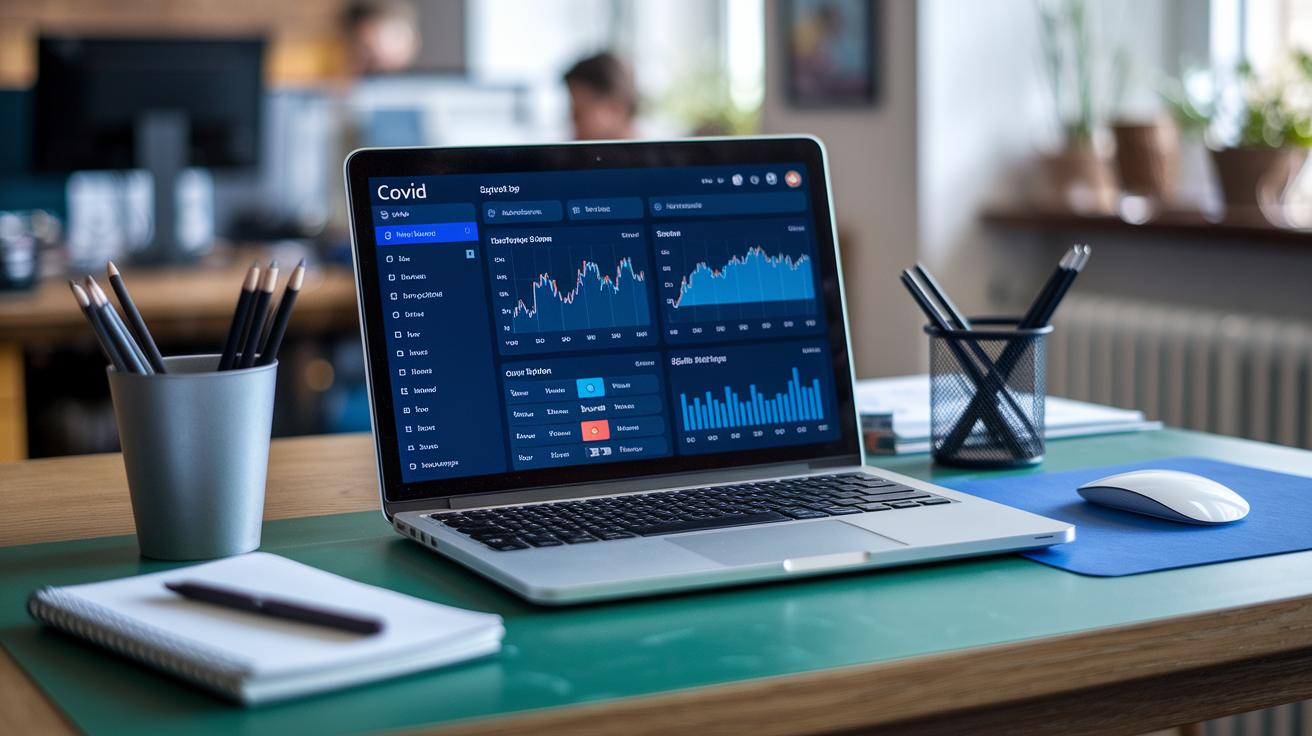
The Interactive COVID-19 Dashboard relies on live data from public health records and news updates. It gives users the power to filter info by region, date, or case type, turning tough numbers into clear, lively visuals. Built with modern data tools, the dashboard updates quickly so you can spot trends as they happen. Imagine a moment when real-time alerts point out a sudden spike, warning you of shifting patterns right away.
People love these features, and data shows that the filtering options and shifting graphs really draw them in. The color-coded maps and visual hints work together like pieces of a puzzle, guiding you through a story hidden in the numbers. It proves that smart data design can turn raw figures into insights that feel both personal and timely, almost like watching a story come alive right before your eyes.
The Geospatial Analytics Map uses popular map tools and custom coding to show location stats in a fun, easy way. Just click on an area to explore layers of details that clear up tricky data. Think of it like an unfolding play where every click reveals something new, making the experience smooth and engaging.
Tests showed that easy-to-use controls and fast updates make this map a hit. Each simple interaction becomes a moment of discovery, turning basic clicks into sparks of insight. The map blends clever design with real-time feedback to transform numbers into an experience that's as clear as it is interactive.
| Project | Toolset | Interaction Type | Outcome |
|---|---|---|---|
| Interactive COVID-19 Dashboard | D3.js, Leaflet | Real-time filtering, dynamic graphs | High user engagement and actionable insights |
| Geospatial Analytics Map | Mapbox, Custom Scripting | Intuitive map navigation, layered information | User testing indicated clear, interactive experience |
Performance Optimization for Real-Time Interactive Data

Interactive designs stay lightning fast thanks to smart tricks like data caching, streaming pipelines, and incremental updates. Caching holds onto the data you use all the time so it pops up almost immediately. Streaming pipelines send out data in smooth bursts, like playing a fun game where every move builds on the last one. And incremental updates only refresh the parts that actually change, which keeps your screen responsive even as fresh info arrives.
Load testing gives you a taste of real-life action by mimicking lots of users interacting at once. This way, you can spot any lag or hiccups before real people experience them. Monitoring, on the other hand, keeps an eye on all the performance numbers in real time, catching slowdowns early. Imagine a sudden rush of activity that shows you might need extra resources to keep things running smoothly, that’s what these tests help you see.
It all comes together with lightweight frameworks, asynchronous processing, and network tweaks. Lightweight frameworks cut out the extra baggage, like picking a small, handy tool for quick fixes. Asynchronous processing lets tasks run side by side without waiting on each other, speeding things up even more. And smarter network routing means data travels a shorter path to reach you, ensuring your interactive design stays sharp and speedy.
Final Words
In the action, interactive data visualization design transformed raw figures into lively, hands-on experiences. This article explored topics from basic visualization concepts and strategic design principles to UI/UX best practices and real-world case studies.
We reviewed essential toolsets and performance tips, all while highlighting the creative pulse that powers data design interactive projects. The discussion blended technical insights with engaging storytelling, leaving you with ideas to spark next-generation entertainment. Embrace these insights and take on new digital experiences with a fresh, energetic outlook.
FAQ
Q: Data design interactive games
A: The phrase data design interactive games refers to crafting game experiences that use data-driven visuals and interactions to create engaging, playful experiences.
Q: Data Design Interactive Wikipedia
A: The phrase data design interactive Wikipedia typically highlights discussion pages or articles about interactive data projects and visualization techniques on Wikipedia.
Q: Data Design Interactive Sonic
A: The term data design interactive Sonic suggests projects that use Sonic-themed elements paired with interactive data design, creating engaging visuals and interactive experiences for fans.
Q: Data design interactive wii
A: The wording data design interactive wii points to designing interactive experiences on the Wii console, blending gameplay with data-guided design elements for enhanced user engagement.
Q: Data design interactive lego
A: The phrase data design interactive lego describes projects that blend Lego elements with interactive digital design, merging creative play with data visualization techniques.
Q: Data design interactive switch
A: The term data design interactive switch focuses on designing engaging, data-driven interactions for Nintendo Switch, making digital experiences more lively and user-friendly.
Q: Data Design Interactive reddit
A: The phrase data design interactive reddit refers to online discussions found on Reddit where enthusiasts share insights and projects related to interactive data visualization and design.
Q: Data Design Interactive logo
A: The term data design interactive logo denotes a logo created using principles of data design, often featuring motion or interactive elements to highlight a brand’s dynamic identity.
Q: How is interactive data design used in marketing?
A: Interactive data design is used in marketing by converting raw numbers into clear, engaging visuals that help brands tell their story and connect with customers.
Q: What is game and interactive design?
A: Game and interactive design is the process of planning and creating digital experiences where users actively participate, blending compelling visual elements with interactive elements.
Q: What is meant by data design?
A: Data design means turning raw information into clear, attractive visuals that make data easier to understand and interact with.
Q: How does interactive data design aid decision-making?
A: Interactive data design aids decision-making by presenting data in engaging, easy-to-understand visuals, helping users spot trends and make informed choices quickly.


