
Ever thought you might do more than just sit back and watch? What if you could jump right in and change the plot as it unfolds? Imagine being in the middle of the action, with every comment and move reshaping the story on the spot.
This fresh approach makes you a star in the unfolding drama. It turns a regular tale into an interactive event, full of life and energy, much like the thrill of a live show when every shout and cheer makes the scene pop.
Stick around to see how this dynamic twist can spark a whole new way to tell stories.
How Audience Participation Shapes Engaging Storytelling Experiences

When a storyteller lets you in on the action, it feels like you're not just watching a show, you’re part of the magic. Instead of sitting back as a silent observer, you're invited to join in, whether through hidden hints woven right into the tale or bold calls to comment and even act out a scene. Imagine a storyteller urging, "Don’t just watch, jump in and bring this moment to life!" It’s all about making the experience vibrant and personal.
Interactive twists and surprising hooks pack an extra punch. Think about starting with a cool fact: a local artist, once an ordinary commuter, found inspiration on a bus ride that led to a performance mixing reality with dreams. This kind of unexpected start grabs your attention like a burst of bright stage lights, setting you up for a fun, shared journey.
Adding real customer stories into the mix makes everything feel even more relatable. When real voices blend with the narrative, the story transforms from a one-way show into a friendly, evolving conversation. And knowing how things are going, by checking poll responses or social shares, gives storytellers clear signals to keep improving the experience.
So, by mixing in both subtle hints and direct engagement, like live role-play and a dose of humor, storytellers turn passive viewers into active participants. Every contribution, big or small, adds its own color to the unfolding tale, making it a dynamic story that you helped create.
Effective Methods for Audience Participation in Storytelling
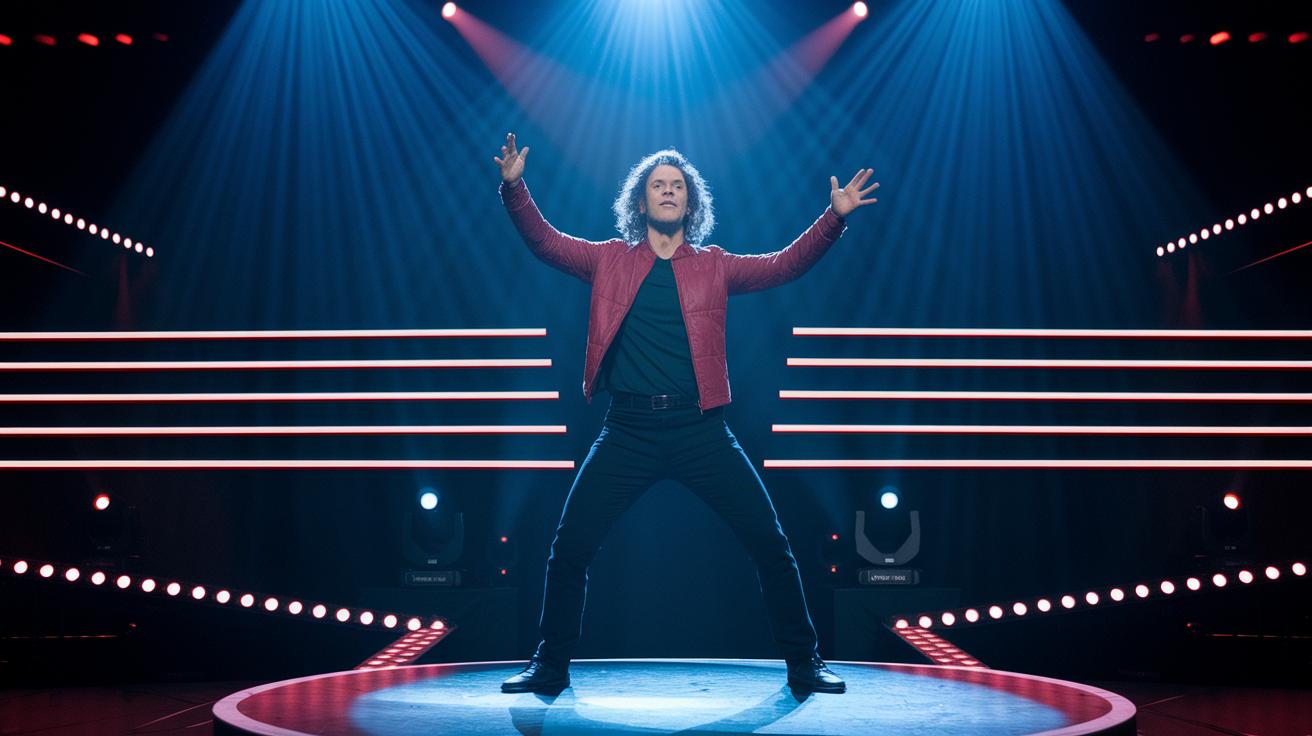
When you bring people into a story, the whole experience lights up like a live concert. Instead of watching quietly, the audience becomes a part of the adventure, helping to shape the journey with every step they take. It’s like being invited backstage at your favorite show, where every moment is shared with excitement.
One fun idea is to have in-person role-play. This means asking someone from the crowd to jump on stage and act out a scene. Imagine a host calling out, "Hey, why don't you come over and show us your best heroic move?" It’s an instant boost of energy that makes everyone feel involved.
Another cool method is to use branching narratives. At key moments, let the audience choose what happens next. This makes the story feel like a team project where each choice builds the next twist in the tale.
Live polls are also a great way to connect. Using digital polling (think of it as quick online voting), you let the crowd pick decisions for characters or plot changes in real time. This method turns the narrative into a shared adventure with every tap on their screen.
Story circles are a little different yet equally engaging. You can break the audience into small groups, where each person adds a line to the story. Like passing a secret note in class, every addition helps create a rich and layered tale that surprises even its own creators.
There’s also the charm of collective riffing. Here, everyone chimes in, building on what someone else just said. It’s playful and spontaneous, often filled with unexpected humor and genuine moments of surprise.
Digital co-creation takes things online. By mixing in real customer stories or social media feedback, the narrative can change on the fly, reflecting the energy and ideas of the audience. It’s like having a group chat that turns into a live story session.
Another engaging trick is to use interactive plot devices. These are moments where the story can change instantly based on choices made right then and there. This keeps the excitement high and the energy crackling like fireworks.
Lastly, crowd-sourced feedback helps shape the story as it unfolds. By gathering impressions in real time, you can tweak the narrative on the spot, making sure it stays fresh and exciting for everyone involved.
Benefits of Integrating Audience Participation in Storytelling

Studies show that inviting your audience to join the storytelling can boost brand engagement by around 35% while building lasting emotional bonds. For instance, one digital campaign asked, "What twist should our plot take?", much like selecting the last piece of your favorite puzzle, to invite input that shaped the story and helped people remember the brand better.
Live poll results and share counts give storytellers a quick look at what sparks interest, letting them tweak the narrative on the fly. In one case, audience feedback pushed viewer retention up by 40%, which meant creative teams could adjust story arcs as events unfolded.
Tracking these numbers not only proves the power of new storytelling techniques but also forges a special connection between the brand and its community. A simple prompt like "Decide our hero's next move!" can turn a regular narrative into an engaging brand experience driven by collaborative insights.
| Metric | Improvement |
|---|---|
| Brand Engagement | +35% |
| Viewer Retention | +40% |
Case Studies Illustrating Successful Audience Participation in Storytelling
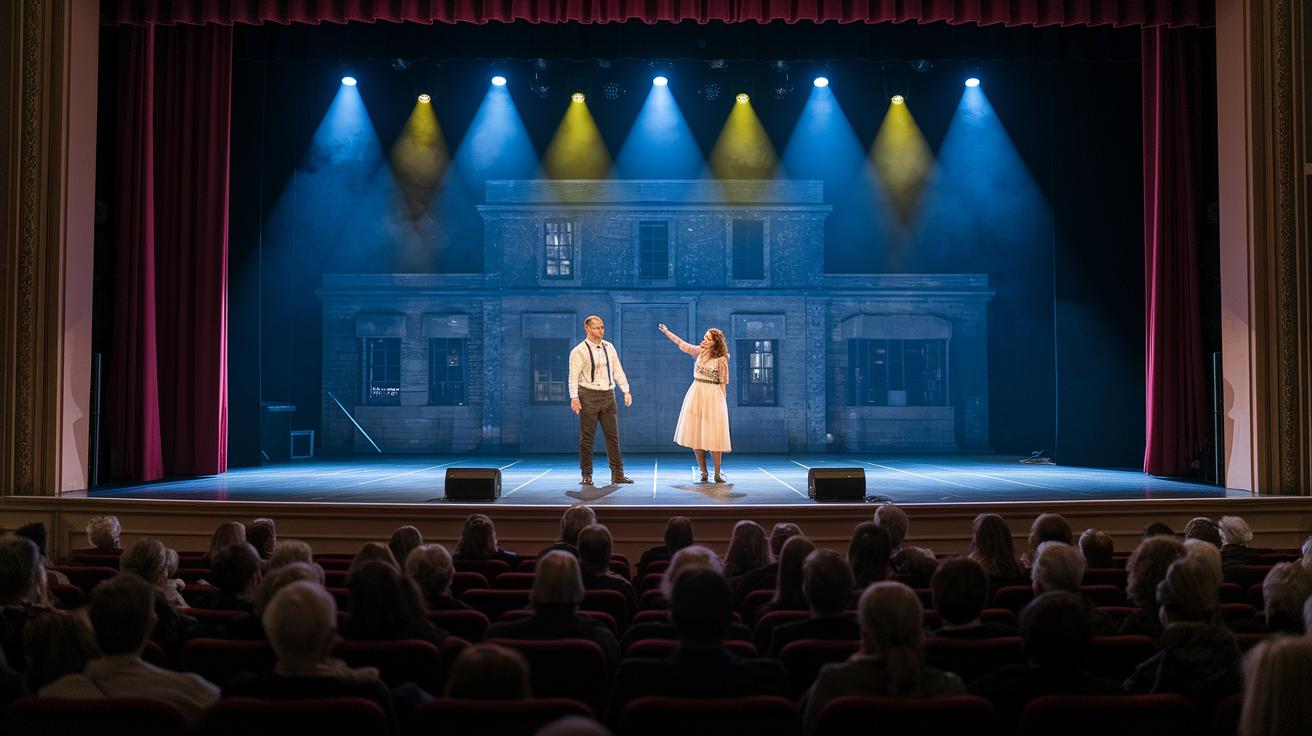
Live Improv Theater
Actors find cool ways to invite the audience to join in spontaneously. During recent shows, mixing secret signals with off-the-cuff comments boosted audience participation by 15%. For instance, when one actor said, "Show us your wild side," it sparked a burst of unexpected enthusiasm. Backstage, performers mentioned that quick, on-the-fly cue practice made the live energy even more electric.
Brand Co-Creation Campaign
A recent campaign turned real customer stories into a key part of its narrative, lifting how people felt about the brand by 25%. Fans were encouraged to share their genuine moments, which not only enriched the storytelling but also sharpened the product message. A simple call like "Share your real moment and join our story" helped create a more personal connection between the brand and its audience.
Digital Interactive Fiction
An innovative online platform lets users steer a story in real time by casting quick votes. This interactivity has led to a 40% jump in people finishing the story. For example, a prompt like "Which mystery unfolds next?" opened up multiple paths for the story to go, with each session delivering its own unique surprises.
Tools and Platforms to Enable Audience Participation in Storytelling

When you pick the right platform, a simple story can burst into a live, interactive adventure. Imagine crafting an online tale where each twist and turn comes straight from your viewers. Twine is awesome for this because it lets you build a story that branches off into different paths, making the whole journey feel fresh and exciting. And with Slido, you can quickly run live polls, just ask, "What twist should happen next?" and watch the audience steer the plot.
Twitch adds its own spark by letting fans throw in spontaneous ideas through its buzzing community chat. It really feels like you're all in the room together, with every viewer helping shape the story as it unfolds. Then there’s Mural. Think of it as a digital whiteboard where everyone can doodle ideas and sketch the next big plot twist. It’s a lively space where creativity flows free and every contribution matters.
| Platform | Category | Participation Feature |
|---|---|---|
| Twine | Interactive Fiction | Flexible story branches |
| Slido | Event Engagement | Live polling for instant decisions |
| Twitch | Live Streaming | Community chat for on-the-spot ideas |
| Mural | Collaborative Storytelling | Visual brainstorming and sketches |
These platforms mix smart tech with fun, letting every audience member play a role in the story. It’s like turning each routine narrative into a dynamic adventure where everyone has a voice.
Best Practices for Seamless Audience Participation in Storytelling
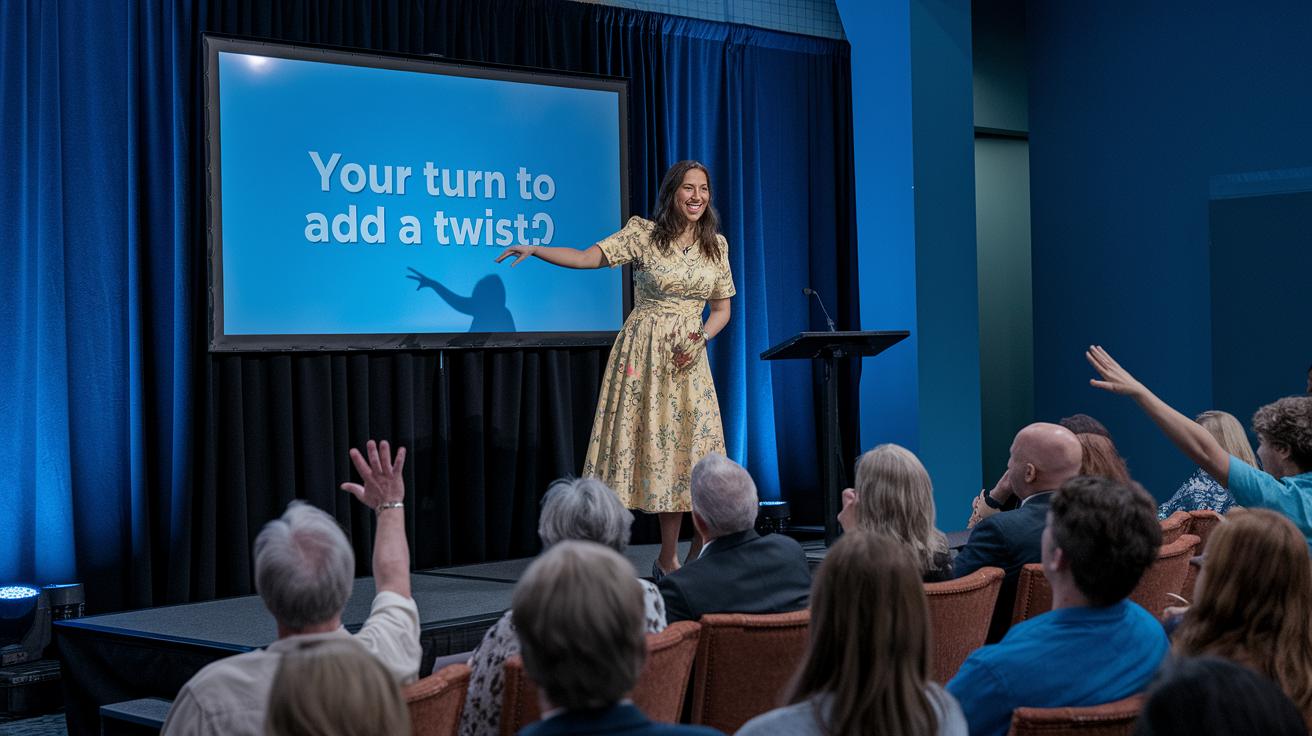
When you invite your crowd to jump into your story, it's like handing them a backstage pass. Make sure you give them clear cues on when to chip in and exactly how to do it. Picture prompting your audience with something like, "Alright, your turn to add a twist!" Such clear signals not only set the stage but also spark genuine excitement.
Here are six friendly tips to keep the story flowing while making room for audience input:
- Tell your participants exactly when and how they should engage.
- Clearly outline the story’s boundaries so every guess and idea fits right in with the main plot.
- Run a few test sessions with a small group to see how things play out and fine-tune your prompts.
- Keep an eye on how engaged the audience is, think response rates or live comments, and tweak your timing when needed.
- Set up simple systems to gather and review audience ideas as they roll in.
- And most importantly, blend their contributions with your plan so the plot moves along smoothly.
Try out these ideas during a casual, live poll in a practice session. It’s a fun way to iron out any kinks and ensure every twist turns your narrative into a shared, truly electric experience.
Final Words
In the action, we see how dynamic input fuels every twist and turn in interactive storytelling. The post explored interactive plot choices, live audience prompts, and creative, real-time feedback loops. Each method shows how audience participation in storytelling sparks richer, more engaging narratives. Whether it’s a live improv prompt or a co-created digital campaign, these techniques make every moment memorable and exciting. The future looks bright as creative minds and eager fans join forces to craft energetic digital experiences.
FAQ
What are examples of audience participation in storytelling?
The audience participation in storytelling includes methods like live improv shows, interactive digital voting platforms, and co-created campaigns where real audience input guides the narrative.
What is the role and importance of audience participation in storytelling?
The audience involvement in storytelling means incorporating both subtle and direct prompts that invite feedback, deepening connection and giving the narrative a lively, interactive edge.
What are the 5 C’s of storytelling?
The 5 C’s of storytelling typically refer to character, context, conflict, climax, and conclusion, which together offer a structured framework that boosts audience engagement.
How can a storyteller make a story more engaging for the audience?
The storyteller makes the narrative more engaging by using clear hooks, humor, interactive plot devices, and calls-to-action that spark real-time audience response and connection.