
Ever wonder if machines could spark ideas as fresh as a human mind? AI marketing campaigns mix smart technology with a bit of storytelling magic to create ads that really connect.
This clever combo lets brands change their messages quickly while saving tons of time on manual work. Big names are already diving in, using computer power and creative flair to design ads that feel personal and true.
In this article, we're showing you how to build an AI-powered campaign that wins big and makes every word count. Get ready to see how tech and creativity come together in the most exciting way.
Core Components of an AI Marketing Campaign

AI marketing campaigns mix cool tech like machine learning, NLP (which helps computers understand human language), and generative AI to craft ads that feel personal. They blend smart automation with creative storytelling, making each ad feel like it was made just for you. For example, large language models, like ChatGPT, let teams whip up fresh ideas and adjust content for specific groups. Plus, image recognition tools check that visuals line up with today's trends and what people love.
Then there's predictive analytics. This smart tool guesses what customers might do next, so brands can tweak their messages and budgets on the fly. The best part? Marketers use these real-time insights to automatically adjust campaigns, cutting out a lot of tedious work along the way.
Big names like Heinz, Coca-Cola, Nike, Virgin Voyages, and Nutella are already using these techniques. They rely on AI for everything, from sparking creative ideas and crunching data to whipping up content and keeping campaigns on track. Quick updates based on live info keep everything fresh and engaging throughout the campaign.
- Machine learning spots trends.
- NLP makes interactions feel personal.
- Generative AI keeps content exciting.
Start with a fun fact: "Before it became a marketing powerhouse, AI was simply a tool for automating repetitive tasks." This mix of creative flair and smart automation is what makes an AI marketing campaign a real game-changer.
Step-by-Step Guide to Designing an AI Marketing Campaign Strategy

Let’s kick things off by setting clear goals and knowing exactly which numbers matter. Think of it like planning a fun road trip, you decide where you want to go before you hit the road. Maybe you want to boost how people connect with your brand or speed up how fast your creative ideas come to life. For example, you might set a goal like “Increase click-through rates by 15% next quarter.” Start by gathering data from everywhere, website visits, social media chatter, even in-store feedback. It’s all about building a strong foundation.
Next, let your AI tools work their magic! Use them to come up with fresh ideas and get a feel for what your audience loves. Imagine a tool that scans customer reviews or social posts to catch the vibe, they can help you see which ad ideas spark conversation. Try creating several ad versions and watch which one sends the best message. Tweak your copy, images, and calls to action until you find the mix that really clicks.
Then, keep adjusting your campaign as you go. Real-time data is like a live performance: you feel the energy and can make quick changes. Check your performance dashboards regularly to see how things are shifting. Update your audience groups and refine your creative elements as soon as you spot what’s working, and what isn’t. These small, continuous tweaks ensure your campaign stays fresh and exciting.
By following this three-step journey, setting clear goals, experimenting with creative ideas, and tweaking your campaign along the way, you’ll build an AI-powered campaign that’s both imaginative and data-driven. Isn’t it amazing to know that every change brings you closer to a winning strategy?
Top AI Tools and Platforms for Marketing Campaign Execution

Imagine your campaign powered by a digital helper that tracks info in real time and shares smart ideas along the way. Tools like Google Looker Studio and Mixpanel turn piles of numbers into clear, eye-catching visuals on custom dashboards. This makes it really easy to check how your ads are doing.
AI Agents are another clever marketing sidekick. They adjust bids automatically and send you alerts as things change, ensuring you never miss a beat. Whether you're using ChatGPT for creative brainstorming or sentiment analysis tools to feel out your audience, these platforms cover every part of your campaign.
You'll find some handy, free AI marketing software too. These let you craft engaging digital content and schedule posts without the hassle of manual work. And if planning every detail is what you need, specialized campaign software handles scheduling and budget management, making everything a breeze.
From building content to tracking performance, these automated solutions blend creative flair with smart data insights. They become your behind-the-scenes partners, helping you run unforgettable, high-performing ads.
Not only do these advanced tools save you time, but they also provide live insights to help sharpen your strategy.
Leveraging Marketing Analytics Powered by AI for Data-Driven Campaign Insights

We’re diving into cutting-edge techniques that go way beyond your typical dashboard. One cool tool uses anomaly detection, basically, it spots sudden rises or falls in campaign numbers. I recall a time when the tool flagged a sharp drop in online engagement for a product, and the team quickly discovered a flaw in a recent ad. This method gives us a much richer view than just looking at simple stats.
Next up are adaptive learning models that continuously refine themselves with every campaign. These smart systems pick up on the little shifts in customer behavior that static dashboards might miss. Imagine a model noticing a gradual change in audience mood over several campaigns, nudging artists to switch up visuals to match the new vibe.
And then there’s a real-world example where network analysis uncovered hidden links in customer interactions. One brand used this insight to improve internal communication, letting them adjust things live during events. For instance, a real-time alert from the network analysis tool helped balance exposure across channels, which really amplified the campaign’s impact.
| Advanced Tool | Practical Outcome |
|---|---|
| Anomaly Detection | Quick identification of performance dips |
| Adaptive Learning Models | Refined tactics based on evolving behaviors |
| Network Analysis | Uncovered unseen customer engagement links |
Case Studies on AI‐Driven Ad Execution in Marketing Campaigns

Heinz grabbed attention by creating ketchup ads that spoke directly to a younger crowd. They used AI to mix local trends with real consumer insights, crafting messages that felt personal and spot on. Imagine a tagline like "Taste the tradition reimagined for you", it’s a nod to classic flavor with a fresh twist. This shows just how smart AI can be in shaping messages for different age groups and local vibes.
Coca-Cola stepped up its game by weaving in cool AR experiences. Their ads invited you to interact with virtual soda cans that magically turned into little art displays. Think about it: "Scan and experience art in a can." This playful idea got people excited and made the brand unforgettable. The AR touch added a whole new layer to storytelling, making moments perfect for sharing.
Nutella Unica got creative by producing 7 million one-of-a-kind jar labels. Every jar became its own mini art piece and a collector’s dream. A catchy line like "Every jar tells its own delicious story" really sums up how art and tech come together to surprise and delight. It’s a fun way to connect with consumers on a personal level.
Nike took a heartfelt route by using AI-driven stories to highlight athletes’ journeys in 2023. Their campaign mixed video, numbers, and real-life moments to celebrate sports careers in an inspiring way. It was all about blending technology with genuine emotions, showing that every athlete has a memorable story to tell.
Virgin Voyages broke the mold with an AI virtual ambassador named “Jen AI.” Teaming up with a famous pop star, they struck a chord with tech-savvy travelers hunting for unique cruise vibes. It was a fresh spin that made cruise promotion feel modern and engaging.
Ben & Jerry’s jumped into the future by mixing customer creativity with smart data insights to craft new ice cream flavors. Their campaign let consumers shape flavors in real time, resulting in treats as unique as each taste bud. Every example here shows how brands are merging data, creative spark, and tech to pull off bold, game-changing campaigns.
Performance Optimization Strategies for AI Marketing Campaigns

Speeding up your campaign’s turnaround time is super important. Using LLM sentiment analysis, advanced tech that reads customer feelings, can cut your time-to-market by a whole day by quickly spotting what your audience cares about. For instance, one team managed to shorten their approval cycle by a day simply by noticing key reactions right away.
AI-powered budget reallocation puts your money exactly where it matters. Imagine watching your ad spend adjust on the fly; when one creative lights up with engagement, funds automatically shift to boost its performance further.
Optimizing email send times is another game-changer. It’s like finding the perfect moment when your audience is most ready to listen. By scheduling emails based on real-time behavior, you make sure your messages land right when readers are most receptive.
Dynamic bid adjustments keep your campaign agile. With AI fine-tuning your bids in real time, your ads stay competitive even if the market suddenly changes.
Large-scale A/B testing can run nearly by itself. Try out different creative ideas at the same time and let AI decide which ones drive more clicks and conversions.
- LLM sentiment analysis speeds things up
- AI shifts budgets in real time
- Emails are sent at the right moment for your readers
- Bids adjust automatically to market trends
- AI-powered A/B testing finds the best strategies
All these tactics work together to boost your campaign’s performance, ensuring that your creative assets and budgets are working smarter, not harder.
Integrating Agile Methodologies for Continuous Improvement in AI Marketing Campaigns
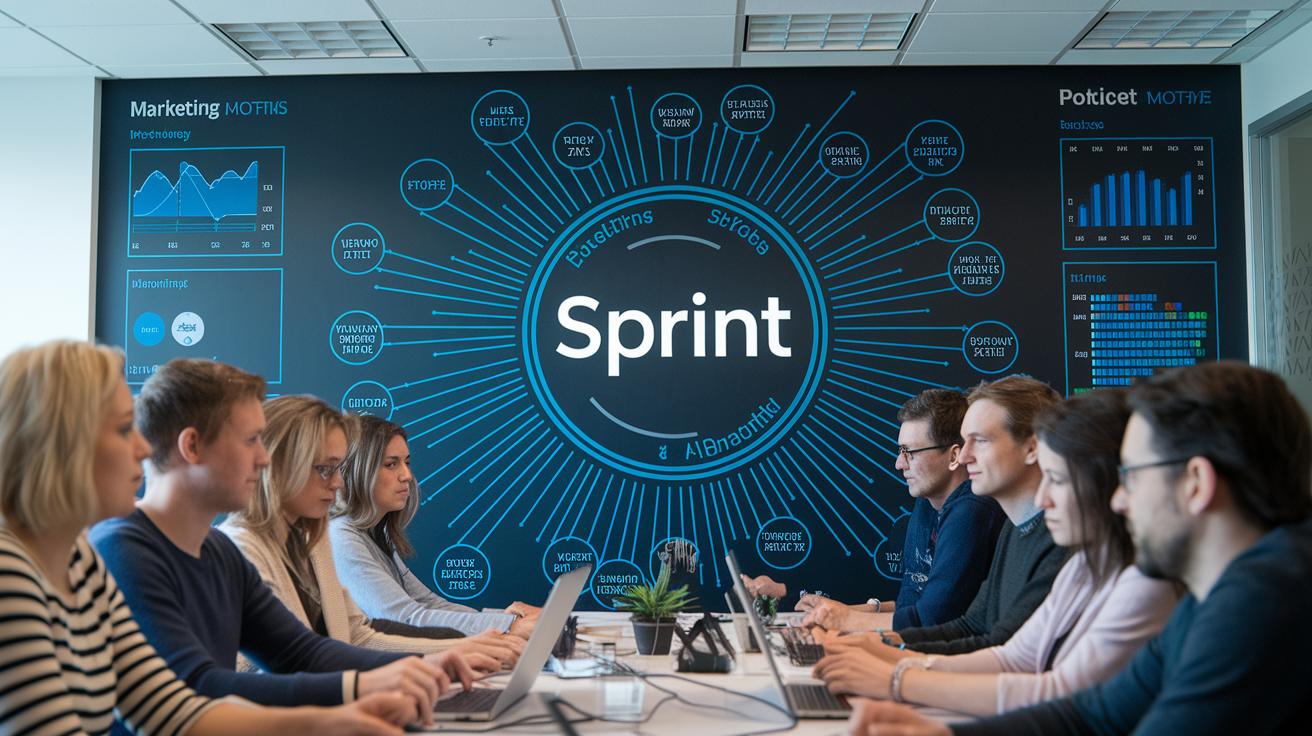
Mixing agile ways with AI tools really gives your marketing team a head start. Start by setting a clear goal that acts like a solid foundation for every sprint. Imagine aiming to cut your time-to-market by just one day using smart tasks, that little nudge sparks big improvements as you go along. This clear goal makes sure every experiment feels planned and purposeful, not random.
Run these experiments in quick, focused bursts, much like mini jam sessions. Try out different ad messages and watch how the campaign adjusts almost instantly. Each sprint becomes its own little lab where real-time feedback guides what happens next. Then, take a moment to see what worked best. These insights help you fine-tune your strategy even more, adding a bit more magic to your marketing mix every time.
These quick, steady bursts of testing, all backed by solid numbers, let you make smooth tweaks without missing a beat. With every test, your campaign gets sharper and keeps its edge. Think of it like fine-tuning a live show, every small change makes the overall experience even better, keeping your AI marketing in tune with your big-picture goals.
Final Words
In the action, this article broke down the essence of crafting an ai marketing campaign from solid foundations to actionable steps. We covered every aspect, from setting goals and using smart tools for real-time insights, to agile techniques for refining creative strategies.
The conversation sparkles with examples that show just how interactive digital content can transform campaigns. Every detail adds up to a bright future in digital entertainment and innovation. Enjoy the ride ahead!
FAQ
What are some AI marketing campaign examples and ideas?
AI marketing campaigns use machine learning to create personalized ads and automate workflows. Brands like Coca-Cola and Nike inspire ideas such as dynamic content generation and real-time audience targeting.
What is the best AI marketing campaign?
The best AI marketing campaign combines data analysis, creative storytelling, and automation to deliver personalized, engaging ads that adjust in real time, meeting both creative and business goals effectively.
What AI marketing tools are available for businesses and small businesses?
AI marketing tools range from content generation software to analytics dashboards. They help streamline campaign management, automate bid adjustments, and offer real-time insights, making them ideal for businesses of any size.
What free AI tools exist for marketing?
Free AI tools for marketing include content generators and sentiment analysis software that support campaign ideation and data tracking, offering accessible solutions for marketers on a budget.
How is AI being used for marketing?
AI is used for content creation, audience analysis, and campaign automation. It helps tailor messages with real-time data insights and predictive modeling, making marketing efforts more targeted and efficient.
How do I start AI marketing?
Starting AI marketing means setting clear goals, gathering and preparing data, and testing AI-driven tools for idea generation and sentiment analysis, then refining your strategy using real-time feedback.
Is it legal to use AI for advertising?
AI advertising is legal in most areas, provided you adhere to advertising regulations and ethical standards, ensuring transparency and trust in your marketing practices.
Are AI ads worth it?
AI ads offer precise targeting, automated optimizations, and faster adjustments, often leading to higher engagement and improved return on investment, which makes them a worthwhile marketing investment.
What are some popular AI platforms like Jasper AI, CopyAI, OpenAI, Runway, Google, and Stability AI?
These platforms offer innovative marketing services. Jasper AI and CopyAI generate creative content, OpenAI supports idea development, Runway and Stability AI provide visual tools, and Google delivers robust analytics for campaign insights.