Have you ever felt like a song could light up your day just like splashes of color on your favorite canvas? Immersive music sessions bring you live tunes paired with cool visuals that pull you right into the moment. Picture stepping into a live art show where every beat feels like a spark of joy. This guide shows you how these creative spaces mix sound with fun interactive elements to turn a simple visit into a memorable adventure. Get ready to dive into a world of creativity that feels like it was made just for you.
Defining Immersive Music Installations: Concepts, Venues, and Participation
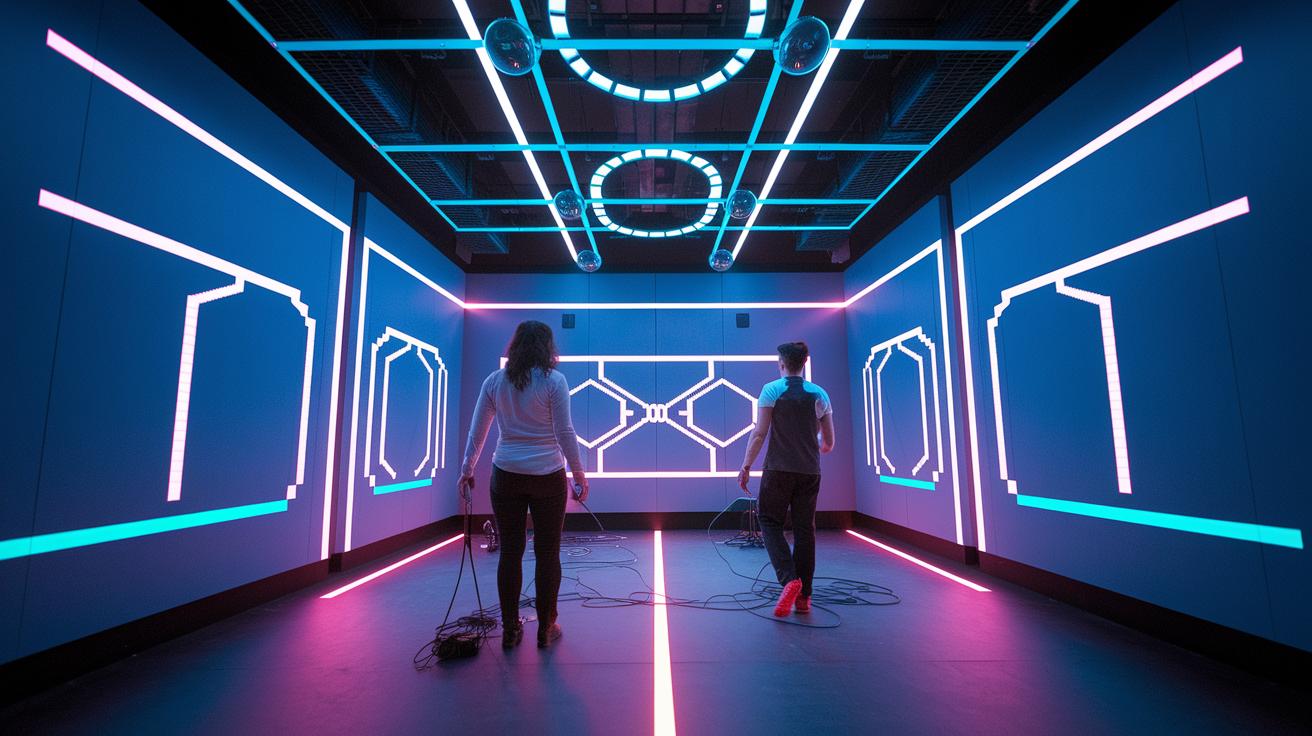
Imagine stepping into a space where sound and light come together in the most delightful way. Immersive music installations mix live music, cool sound effects, and even sensors that trigger audio and visual surprises to pull you right into the action. It’s like walking into a story where every chime or whisper of sound guides you on a fun quest. For more on this neat idea, check out What Is Immersive Music.
These experiences are popping up everywhere, from museums and art galleries to special pop-up events and digital art spaces. As you wander around, you'll see how simple it is to get involved. You might tap a sensor, move from one area to the next, or even use your phone to change the sounds around you. It’s all set up so that every step feels personal and full of surprises.
What really makes these installations special is how you become part of the magic. Instead of just watching a show, you get to play a key role in it. Every time you react to a sound or spark a new visual, the whole space changes just for you. It's like you're a co-creator, turning each visit into a memorable, one-of-a-kind adventure with art.
Immersive Music Installations Guide: Sound Design and Spatial Audio Techniques
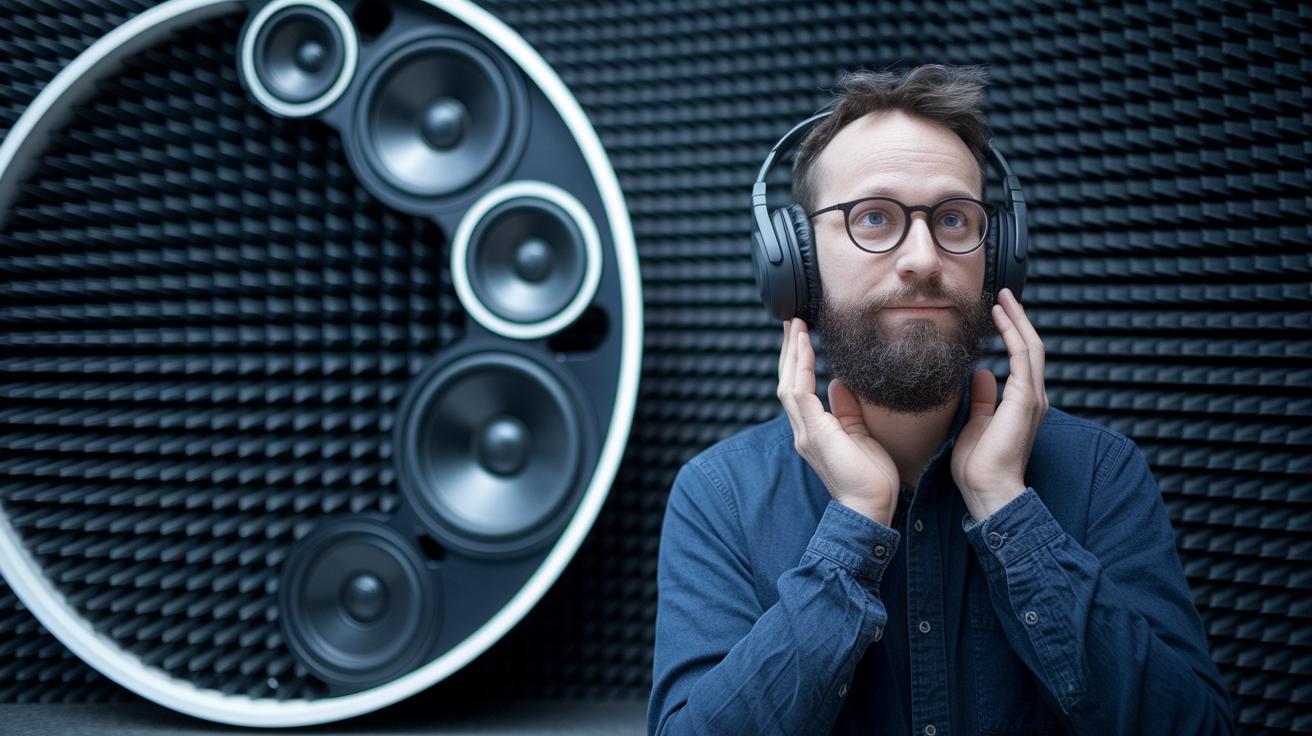
Sound design is the heartbeat of immersive music installations. It sets the mood, steers the story, and wraps you in emotion with every beat and sound cue. Imagine a soft chord that makes you smile, it’s like audio magic pulling you into a shared experience.
Spatial audio cranks up the excitement even more. By blending clever speaker layouts with smart algorithms, it builds a 3D sound landscape that wanders with you as you move. It works like natural hearing, making every sound feel more real and connected.
Here are some cool techniques:
- Binaural recording for headphone-based depth – Think of it as tuning into a secret melody meant just for you.
- Ambisonic mixing to encode full-sphere soundfields – Picture a sound bubble that completely surrounds you.
- Wave-field synthesis for large-area coverage – Imagine sound filling every nook and cranny of the room.
- Object-based audio for dynamic sound objects – Visualize sound elements that drift and flow along with your movement.
- Real-time spatial tracking tied to your movement – Envision audio that shifts exactly as you change your position.
These approaches make the audio feel alive, letting you experience every beat and sound cue as though you’re right in the middle of the performance.
Immersive Music Installations: Audio-Visual Integration and Projection Mapping
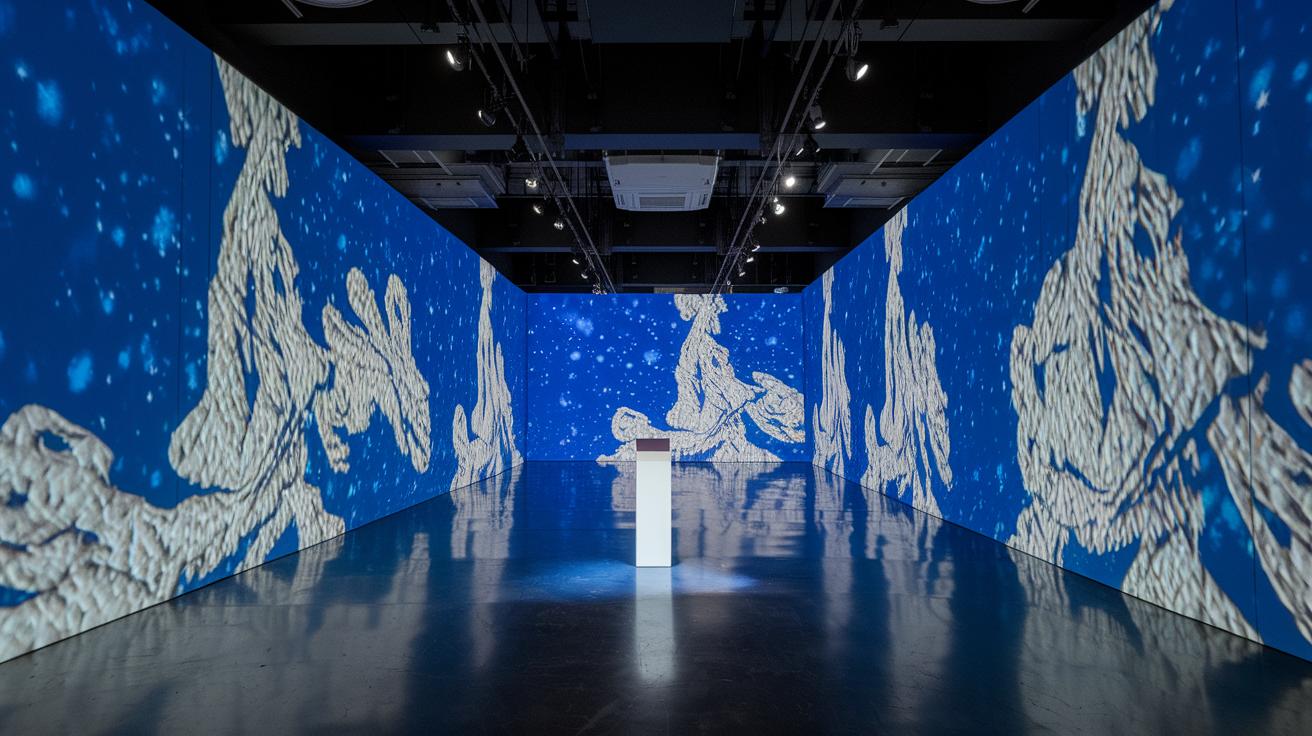
Imagine a room where art, sound, and light all join in a playful dance. Projection mapping turns plain walls into colorful canvases, adding life to any space. When the visuals sync up perfectly with curated sounds, each beat feels like it sparks a burst of light, making the whole experience both natural and wonderfully unexpected.
Think about the thrill of a live show, the moment a bright flash meets a booming chord, it feels as if the space itself is breathing. Every light cue guides your eyes while the sounds push the energy higher, drawing you right into the moment.
At a digital art museum in Tokyo, they take this magic to heart. Clever sensors and dynamic audio work hand in hand to highlight unique architectural details as you move through the exhibit. Every time you step into a new zone, the music and visuals shift, inviting you deeper into the immersive environment. Here, the blend of sound and image doesn’t just decorate the space, it transforms it, leaving you both surprised and connected.
Step-by-Step Guide to Creating an Immersive Music Installation

Creating your very own immersive music installation starts with a clear and exciting vision. Imagine that rush when one note sparks life in a room, sound moving you like a good melody on a sunny day. Kick things off by brainstorming and figuring out just what you want your audio and visual space to say. Remember the time when your favorite song instantly lifted your mood? That’s the same spark you want to capture. For a deeper dive into forming your ideas, check out this link: Immersive Music Experiences Explained. Getting your concept down is like setting a beat that guides every decision next.
- Concept and vision development – Begin with a solid idea. Think about creating a space where a soft melody mirrors the calm of a quiet morning.
- Detailed planning and design – Sketch out every part; decide which sounds and visuals should dance together to create a smooth vibe.
- Securing funding and partnerships – Reach out to folks who get your vision. Even a small grant or a local sponsor can help turn your idea into reality.
- Content creation and customization – Craft and polish your music, sound effects, and visuals. Tailor each element so the atmosphere is both surprising and delightful.
- Venue selection (physical or virtual) – Pick a spot that fits your world, whether it’s a snug gallery or an online space that invites people to explore.
- Marketing strategy and launch execution – Plan how you’ll share your installation with everyone. Use creative promotions and real, heartfelt storytelling to invite your audience in.
Once everything’s set up, keep an eye on how people interact with your creation. Notice which sounds or visuals bring the biggest smiles and use that feedback to fine-tune your installation. This way, your immersive experience keeps growing and continues to captivate everyone who steps inside.
Essential Tools and Software for Immersive Music Installations
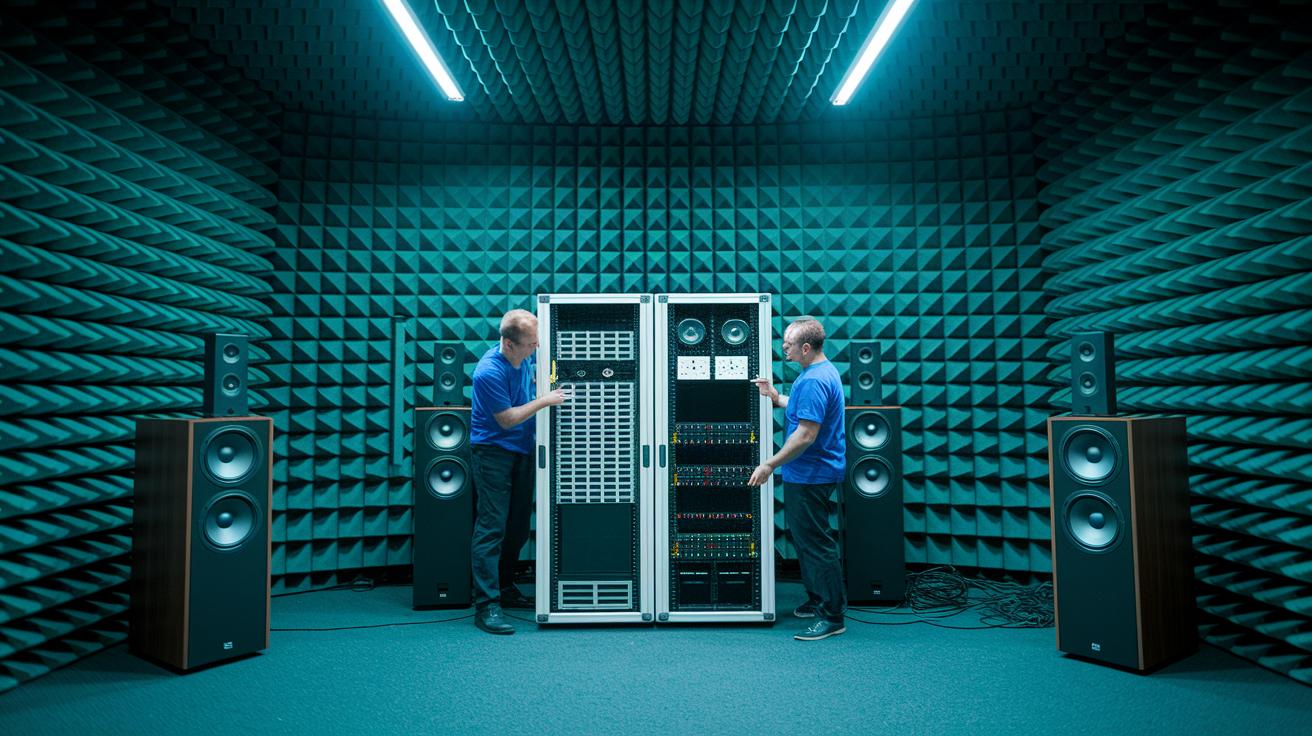
HeavyM Server is a small yet dependable tool designed for long-term setups. Its easy drag-and-drop interface makes it super simple to sync audio and video, so creators can focus on their art rather than getting tangled in tech details. And with its ability to work with multi-channel systems, your content flows perfectly and on time, which is perfect for installations that need to keep going without hiccups.
Spatial audio engines add another exciting layer by creating soundscapes that feel as natural as the world around us. Many popular platforms let sounds move and change based on where you go, almost like the buzz of a live concert adapting to the crowd. By mixing smart digital audio setups with dedicated servers, these systems sync sound and visuals so well that they turn ordinary places into interactive and lively experiences.
When you pick your software, keep in mind how big your project is and how interactive you want it to be. Smaller setups really work well with simple plug-and-play features that need hardly any tweaks, while larger installations might call for strong frameworks built for interactive sound design. Think about the complexity of your design, the need for live responses, and how quickly you can make custom content so that you can choose the right tools for your ideal immersive adventure.
Case Study: Tokyo Digital Art Museum’s Immersive Music Installation
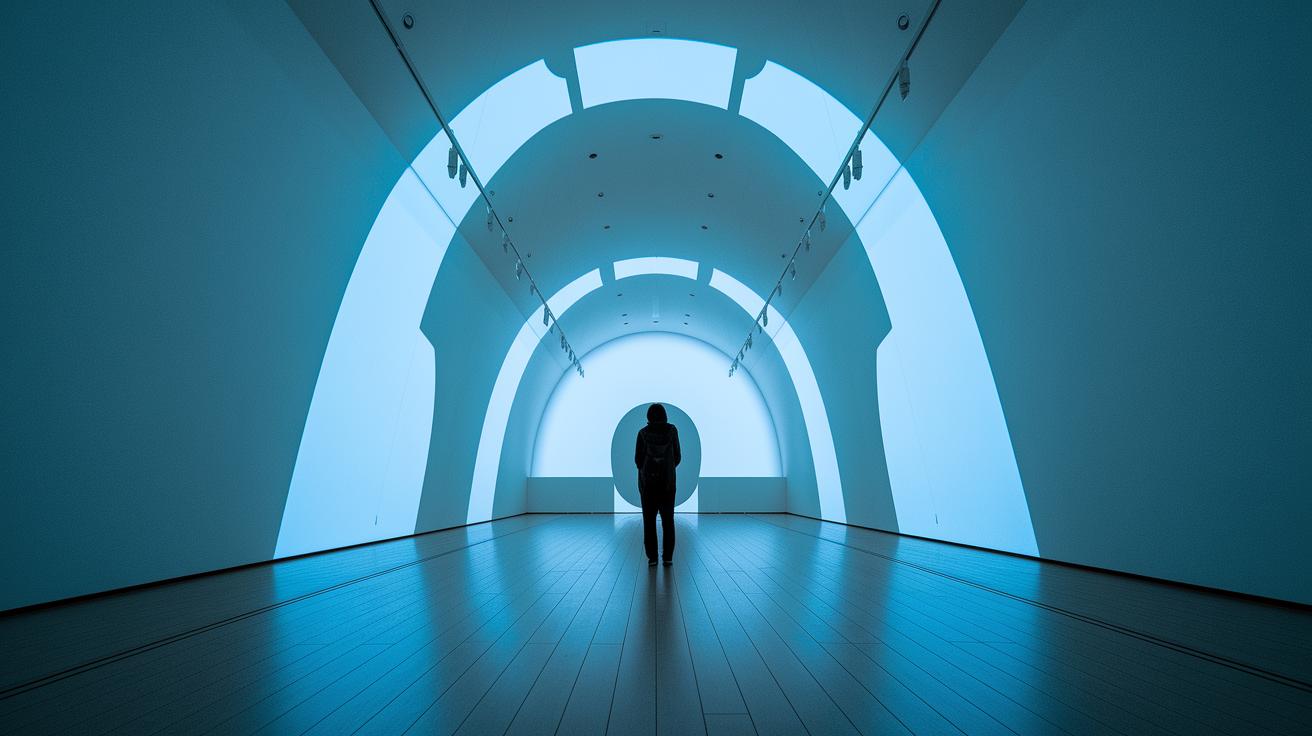
At Tokyo Digital Art Museum, over 20 speakers are set up just right to bring the art to life. Smart computer rules fine-tune each speaker, making tiny timing tweaks that keep sounds in sync with shifting projections. Imagine sensors near high arches catching even the slightest movement, which gradually builds the sound in tune with the room's changing light.
Visitors can now spark live responses as they move through the space. Hidden sensors pick up motion, and even a bit of warmth, to change the audio almost immediately. For example, when you get close to a mural, you might hear a layered burst of sound that grows stronger the nearer you are, turning your walk into an interactive music moment. Designers noted that these mini audio surprises keep people around longer, making the experience more engaging.
Data shows that this hands-on approach boosted visitor time in active zones by about 25%. Behind the scenes, the team continuously fine-tunes the system using live feedback to perfect every audio cue. This ongoing tweaking transforms the installation into a dynamic piece of art, giving everyone a fresh, always-evolving experience.
Best Global Venues for Immersive Music Installations
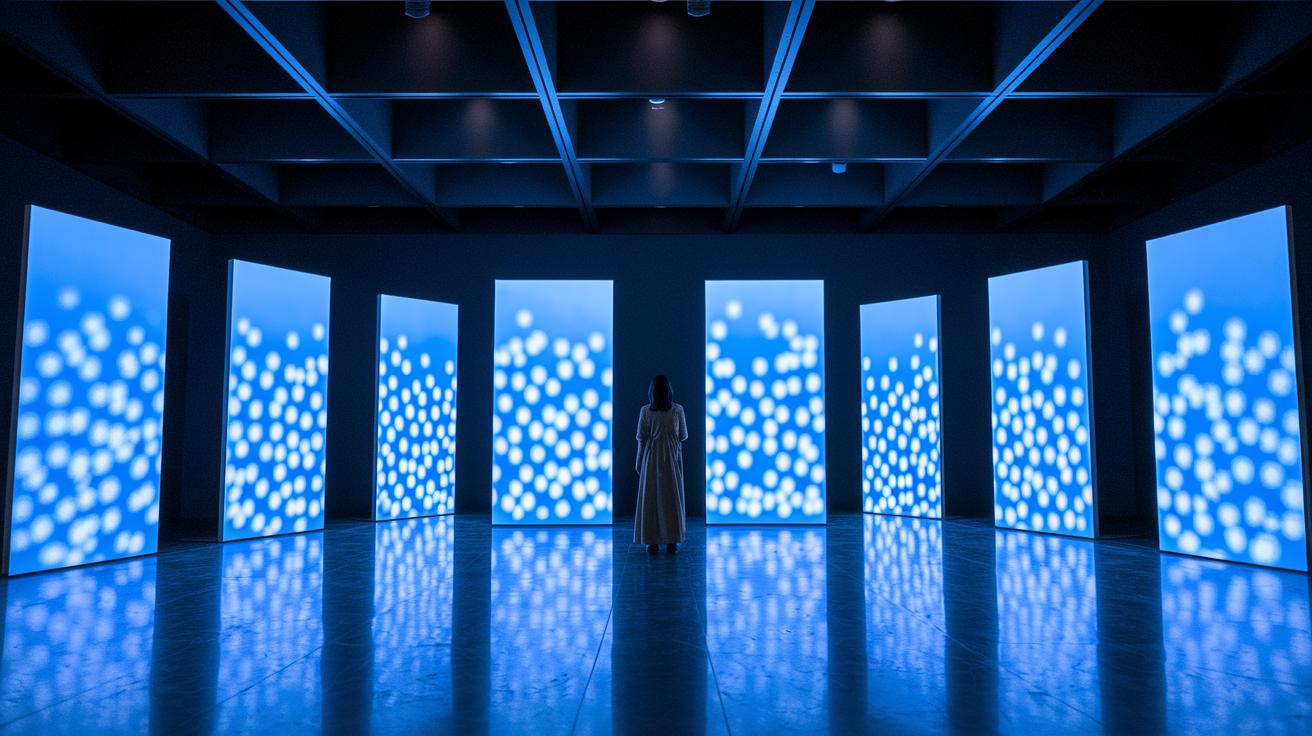
In Tokyo, the Tokyo Digital Art Museum fuses cutting-edge tech with art. Every move you make sparks a blend of sound and light, like each sensor adds a new note to the mix.
Also in Tokyo, teamLab Borderless welcomes you into a digital wonderland. Imagine canvases that shift and sounds that flow around you, turning every step into a playful journey through art.
Head over to Santa Fe to check out Meow Wolf, where traditional exhibits burst into interactive life. Bold visuals and vibrant audio cues make every corner feel like a mini adventure waiting to be explored.
In New York, Artechouse takes digital art to fresh, urban heights. It invites you to wander among installations that sing, shimmer, and react as you move, making you a part of the experience.
Over in Paris, Centre Pompidou blends modern art with interactive sound. This museum setting becomes a stage for creative innovation, letting you dive into art in an exciting new way.
And in London, Guerilla Science turns pop-up events into hands-on experiences. Every touch and sound pulls you into the art, offering a fun, spontaneous encounter at every turn.
Tips for Visitors to Maximize Their Immersive Music Installation Experience
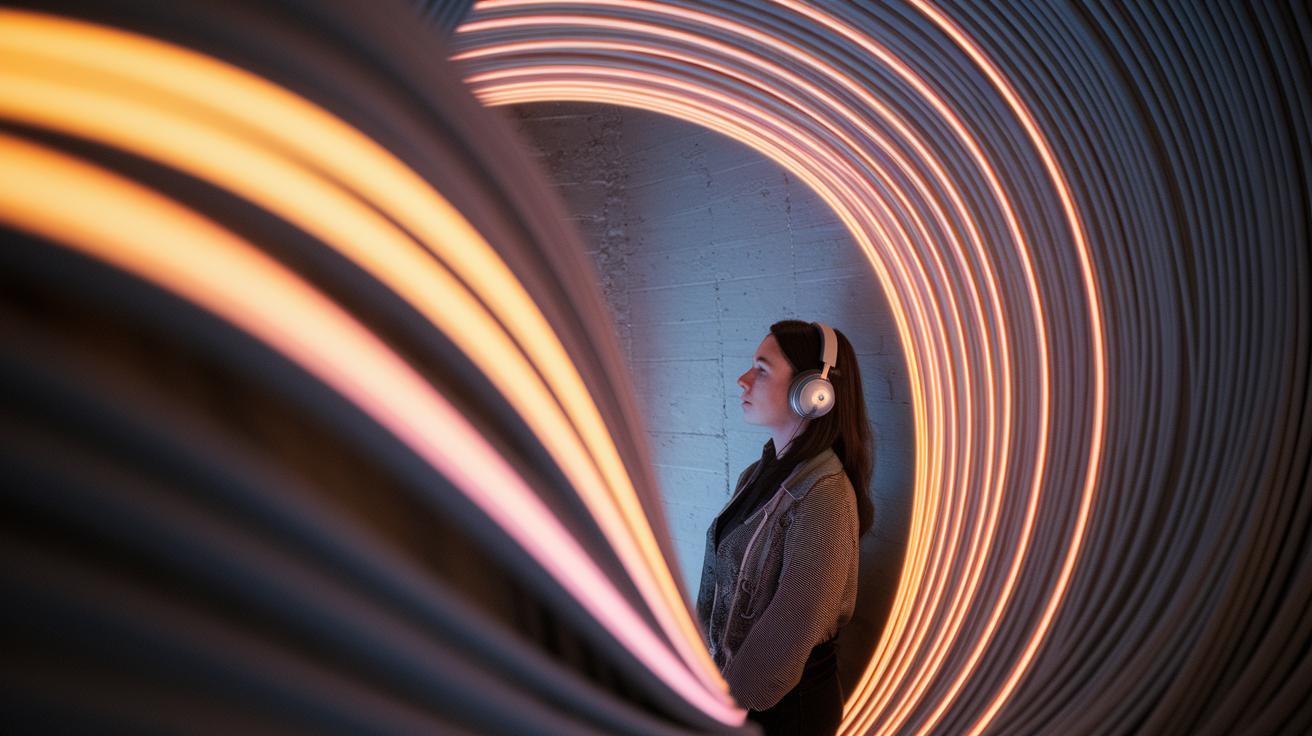
Arrive early so you can catch every beat and feel every nuance of the installation. When you get there before the crowd, it’s like being first in line at your favorite theme park ride, you get to explore each interactive zone at your own pace. Plus, check out any companion apps or devices available. They let you control parts of the audio setup in real time, adding a playful twist to your journey.
Keep all your senses on high alert throughout the experience. Listen to the audio cues that hint at changes and guide your movement. If one spot really grabs your attention, don’t hesitate to return and explore it in more detail. You might even snap a few photos or share your thoughts, sparking fun conversations with fellow visitors. Enjoy every note and every step as the space transforms with each interaction.
Final Words
In the action, we explored how immersive music installations blend sound, visuals, and interactive elements to create unforgettable experiences. We walked through various venues, practical creation steps, and ideas on how visitors can fully enjoy and share these events.
This immersive music installations guide shows that creativity and connection fuel every piece of a well-crafted setup. Nothing beats the thrill of engaging with art in real time, feel the pulse and keep the magic alive.
FAQ
Frequently Asked Questions
How can I download the Immersive Music Installations Guide PDF for free?
The Immersive Music Installations Guide PDF is available for free download, offering clear insights into planning creative sound installations and engaging experiences. Simply click the provided download link to get started.
What topics does the Immersive Music Installations Guide PDF cover?
The Immersive Music Installations Guide PDF covers key subjects like installation concepts, sound design techniques, audio-visual integration, step-by-step creation, essential tools, and visitor tips for maximum engagement.
Is the Immersive Music Installations Guide PDF suitable for beginners?
The Immersive Music Installations Guide PDF is designed with beginners in mind by providing straightforward instructions, practical examples, and clear steps to spark creativity in interactive audio experiences.