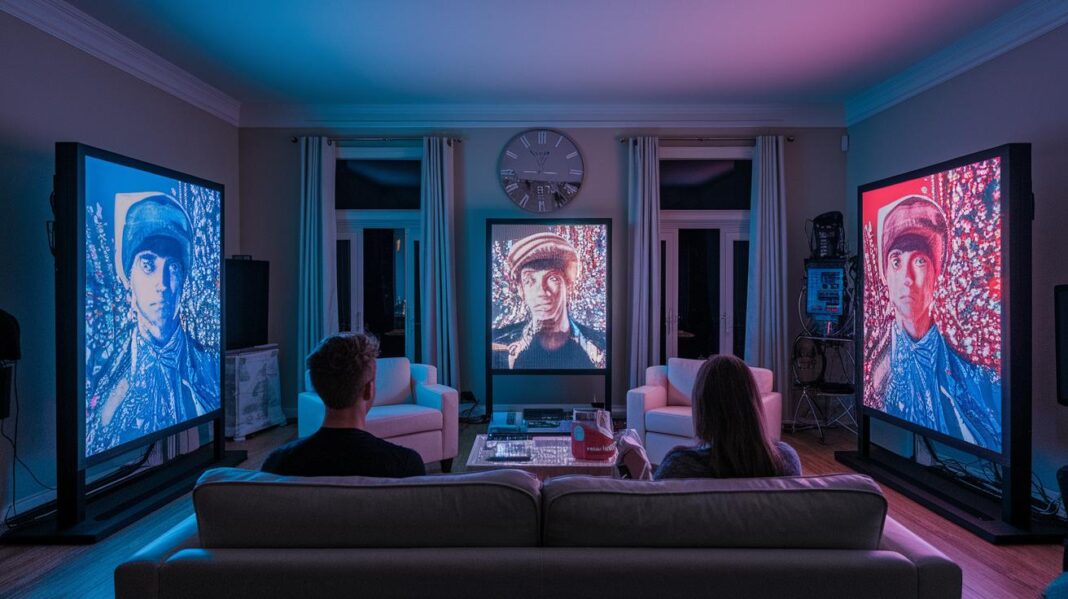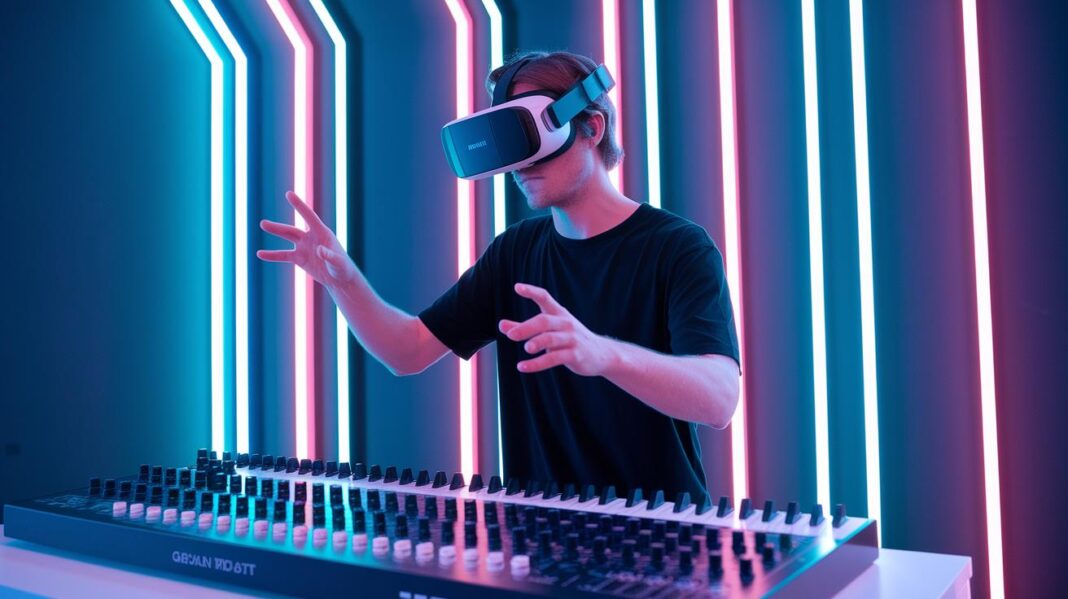
Have you ever felt like a concert wraps you up in sound? Immersive music technology is changing live shows, making every beat feel like a warm embrace. Picture stepping into a place where virtual reality mixes with real-time effects and powerful speakers. This cool blend of tech and live performance sparks excitement and turns every event into a full sensory experience. It invites you to feel every note like it's a part of you.
Cutting-Edge Innovations in Immersive Music Technology
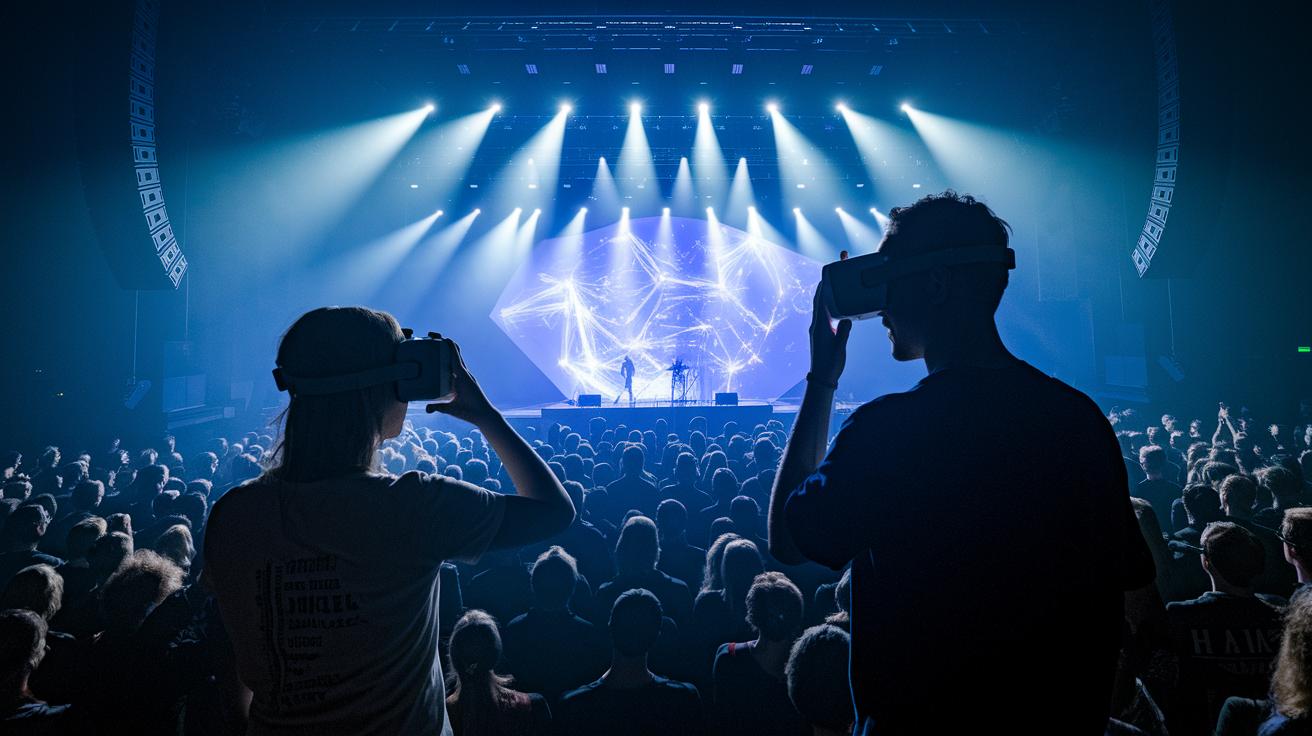
Imagine a live show where every note and beat feels like it's wrapping around you. Immersive music technology is shaking up live concerts by mixing cutting-edge digital stuff with real-life vibes. Today, artists use virtual reality and augmented reality, think digital layers over reality, to create a concert hall experience like no other. It’s like stepping into a scene where the stage comes alive all around you.
Dolby Atmos plays a big role here. It’s a system that sends sound in all directions, up, down, front, and back, making a hit song feel like a living, breathing event. Picture your favorite track flowing around you like a gentle stream. Over the last 20 years, music has moved from vinyl to digital, and these new sound systems not only dazzle our ears but also help artists and venues think of fresh ways to earn money.
Mixed reality adds even more magic. This tech blends digital images with real instruments on stage, so you see digital art interacting with live performers. It feels like you’re getting a behind-the-scenes look at a unique story unfolding just for you during each show.
By combining VR, AR, Dolby Atmos, and mixed reality, immersive music technology is completely rethinking the live event. It builds a full-on theater of sound and visuals that pulls you right into the heart of the performance, making every moment feel personal and electrifying.
Virtual and Augmented Reality Applications in Immersive Music Technology
VR changes the game for live shows. It moves you into a digital world where sound feels just like a real concert hall. You wear a headset and step into a virtual arena, where every note comes through naturally, like you’re really there.
AR brings digital magic to live events by adding graphics that groove with the music. Imagine visuals rippling across the stage in time with the beat. At one streamed concert, fans even mentioned feeling like the artist was playing a private show for them because of that mix of live sound and digital effects.
MR takes it further by combining real instruments with digital visuals. This setup creates a cool, interactive scene where holograms and musicians work together on stage. It gives you a unique chance to adjust your view and control the sound, making every moment feel personal.
These smart technologies blend digital creativity with live performance, opening up a whole new way to experience concerts without bogging you down in too many details.
Spatial Audio and 3D Sound Techniques in Immersive Music Technology
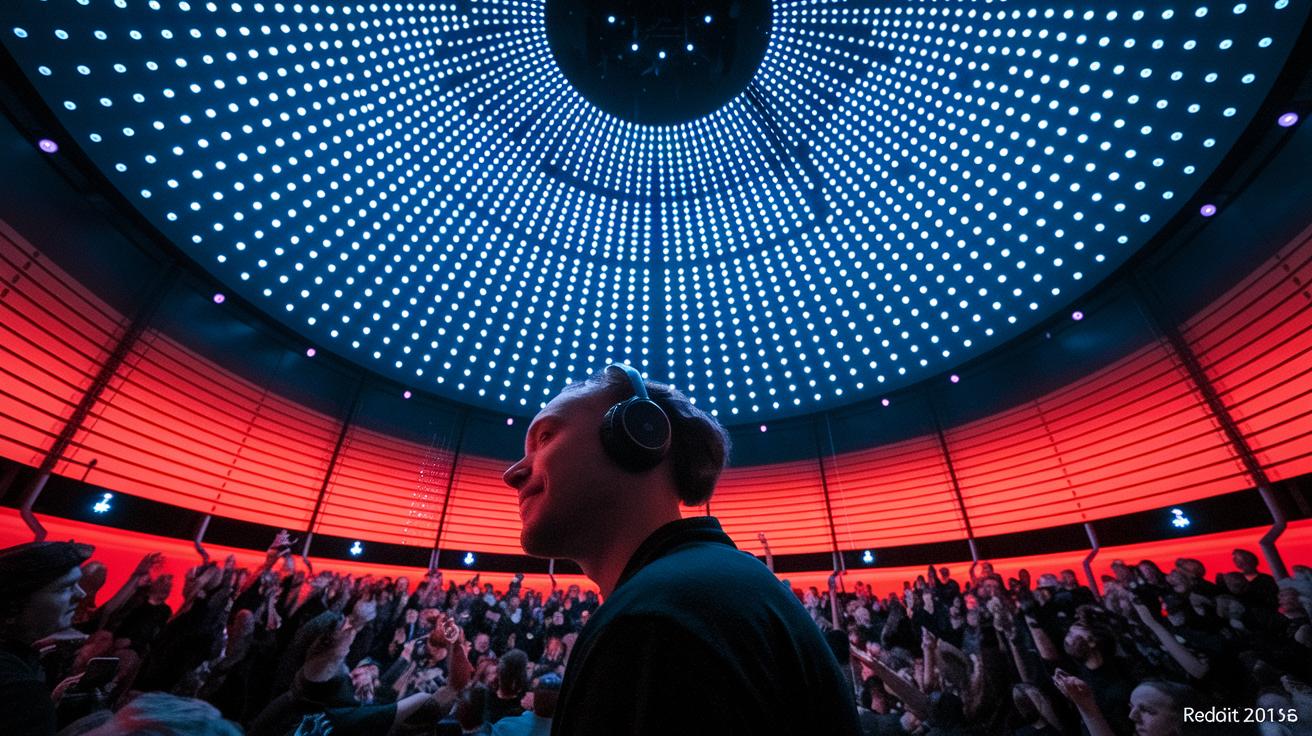
Imagine your favorite song wrapping around you like a warm hug. Dolby Atmos changes how you listen by filling the room with sound from every direction, above, below, and all around. Every note feels alive, like you're right in the middle of a vibrant, real-life performance.
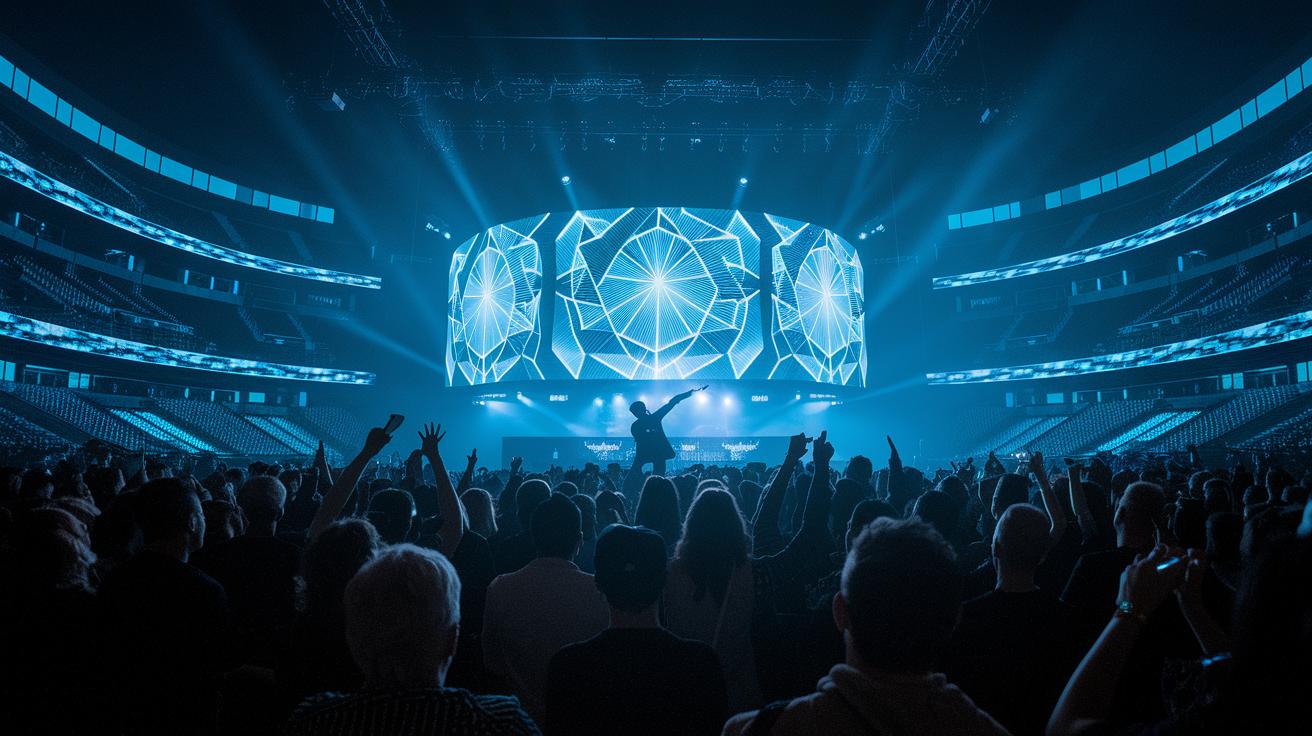
At Sphere Las Vegas, a giant LED dome lights up the night with a clever mix of technology and precision sound placement. With a 16K×16K LED dome combined with beamforming, every seat gets its own tailored sound experience. It’s like sitting in a concert hall where every spot in the room mirrors the pulse and energy of the live show.
Modern tech now uses three-dimensional sonic modeling to put sounds exactly where they belong in a digital space. These sound "objects" move around naturally, so every beat feels perfectly placed as if the music is dancing just for you. It’s a creative blend of art and tech, turning a simple tune into an interactive adventure that pulls you right into the heart of the action.
Take this fun fact: In one test, a concert hall using advanced three-dimensional sonic modeling let listeners pinpoint sounds moving overhead, as if watching fireworks burst in the night sky.
Real-World Case Studies in Immersive Music Technology
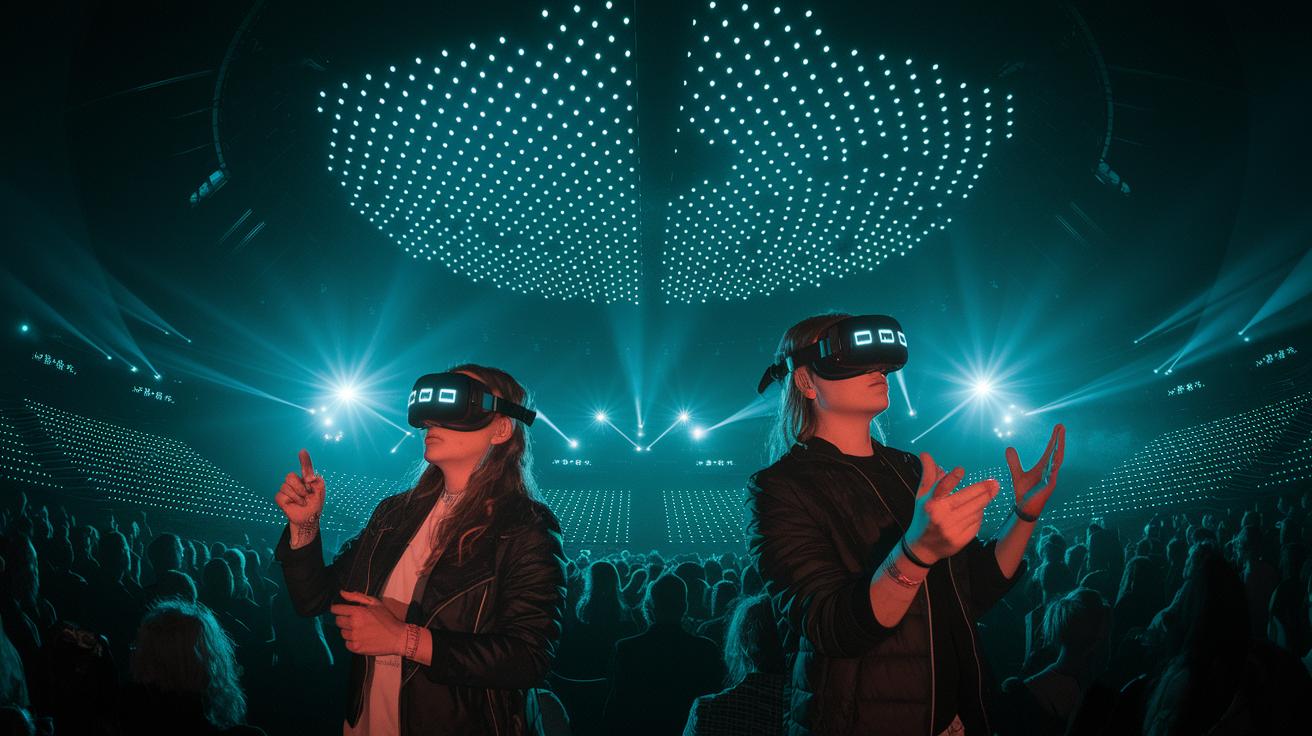
Metallica's VR concert in Mexico City was a game-changer. Fans, sporting top-notch headsets, found themselves surrounded by sound from every angle, almost as if the band was playing in the room with them. It was an experience that made live music feel dynamic and personal.
U2 then upped the ante at Las Vegas' Sphere. Their residency was a visual and audio spectacle, mixing a giant LED dome with crisp, spot-on sound. Even the classic hit “With or Without You” transformed into a rich, multisensory journey that felt both fresh and unforgettable.
The Weeknd took a more personal route with his new album. By using binaural headphone mixes, a technique that makes sound seem to come from all around, you feel like the music was made just for you. It’s like each song takes you on its own little adventure.
Bjork also broke new ground with her VR music videos. Mixing ambient sound techniques with bold visuals, she created a dreamlike world that pulls you into a surreal digital space. It’s a fresh take on music videos that blurs the edges between reality and imagination.
Then there’s Imogen Heap and Hans Zimmer, who show just how versatile immersive tech can be. Imogen Heap layers her vocals and natural sounds into 3D spaces, pushing the boundaries of traditional recording. Meanwhile, Hans Zimmer uses smart speaker setups at his live concerts so every note feels right on target, even in a massive venue. And with Rareform Audio offering custom sound designs that perfectly pair with striking visuals, immersive music events are setting the pace for a whole new way to enjoy live shows.
Next-Generation Tools Powering Immersive Music Technology
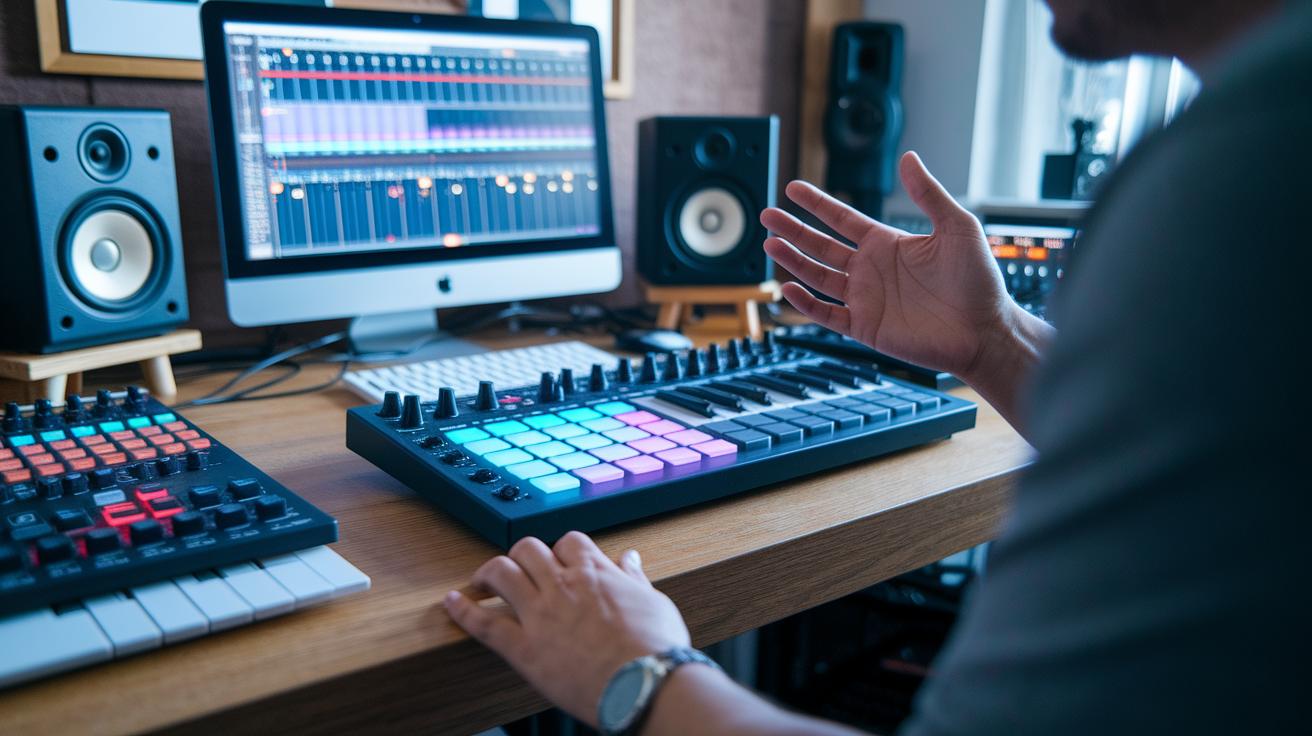
Home studio creators are turning their workspaces into vibrant sound playgrounds. They’re mixing modern tools like FL Studio, DearVR, Waves Nx, and Ableton plugins to produce soundscapes that move and breathe in real time. Imagine tweaking your mix with a swift gesture – it’s like watching your track come alive before your very eyes.
Tech like sensor-based audio activation adds a whole new layer of excitement. With simple motions or touches, a wave of your hand can shift audio levels or spark cool effects instantly, making every beat feel like an intimate performance.
Then there are digital orchestration platforms that blend AI-driven composition with dynamic sound visuals. These systems respond as you create, adapting and inspiring you with instant feedback. With head-tracking tech included, your mix even adjusts for different listening angles, offering a performance experience that’s as personal as it is electrifying.
Emerging Trends and Future Directions in Immersive Music Technology
Industry experts like Stefan Kostaras are mixing fresh sound techniques that push production quality to new heights. As the digital audio scene grows, every beat feels like part of an unfolding adventure. Young talents such as Harmony Redford are breaking new ground in alt-pop, reminding us that creative passion drives innovation. And soon, with AI composition tools, music production will get even more personal, imagine a system that senses your mood and tweaks the beat on the fly, almost like a musical chameleon.
Neural synthesis is also stepping into the spotlight. These techniques create soundscapes that feel almost touchable. Picture yourself at a live show, with music swirling around you as the energy of the crowd lifts each note. Plus, adaptive sonic algorithms are being developed to make every beat react to its surroundings, turning even huge events into intimate experiences.
Imagine a sensor-powered module that lets fans adjust audio with just a wave of the hand. At a concert, you might see someone swiping in mid-air to change the mix, as if they’re conducting their own private show. Meanwhile, neural synthesis and adaptive sound techniques team up to create next-level digital audio experiences. Cloud-based virtual music spaces are also emerging, where artists come together to create in real time.
As Rareform Audio refines its advanced sound design, blending AI-driven music tools with gesture-controlled audio opens the door to an exciting new era in immersive music tech.
Final Words
in the action, we saw immersive music technology redefine live experiences. Breakthroughs in VR, AR, and Dolby Atmos create soundscapes that extend beyond traditional audio. The post explored how spatial audio techniques and real-time tools build interactive environments that resonate with creativity. We highlighted case studies featuring groundbreaking performances and next-generation tools that amplify live interaction. Every detail reinforces that innovations in immersive music technology keep reshaping the future of listening and performance. Keep your excitement alive and explore these creative digital experiments wherever they unfold.
FAQ
What are the technological innovations in music?
The technological innovations in music include immersive systems such as virtual reality, augmented reality, and advanced audio formats like Dolby Atmos, which blend digital elements with live performance for exciting experiences.
What is the new immersive technology?
The new immersive technology refers to the blend of VR, AR, and mixed reality, paired with spatial audio techniques that reshape how sound is experienced, making concerts and soundscapes feel all around you.
What are the innovations in the music industry?
The innovations in the music industry center on using advanced immersive audio, holographic performance design, and sensor-based setups that create interactive sound experiences, modernizing both live concerts and studio productions.
What is the most popular immersive technology?
The most popular immersive technology is often seen in platforms like Dolby Atmos, which delivers three-dimensional audio, providing listeners with a rich, enveloping sound experience in both recordings and live events.