Ever notice how live online shows grab you right away? During the tough times of COVID-19, people turned to online events, making them lively hangouts where friends and fans could connect. Think about the rush you feel at a live concert or a fun Q&A session with an expert, where every moment feels exciting and easy. Today, we’re sharing two cool digital experiences that show just how tech can turn every moment into something special and full of real energy.
Understanding live digital experiences: core definitions and formats
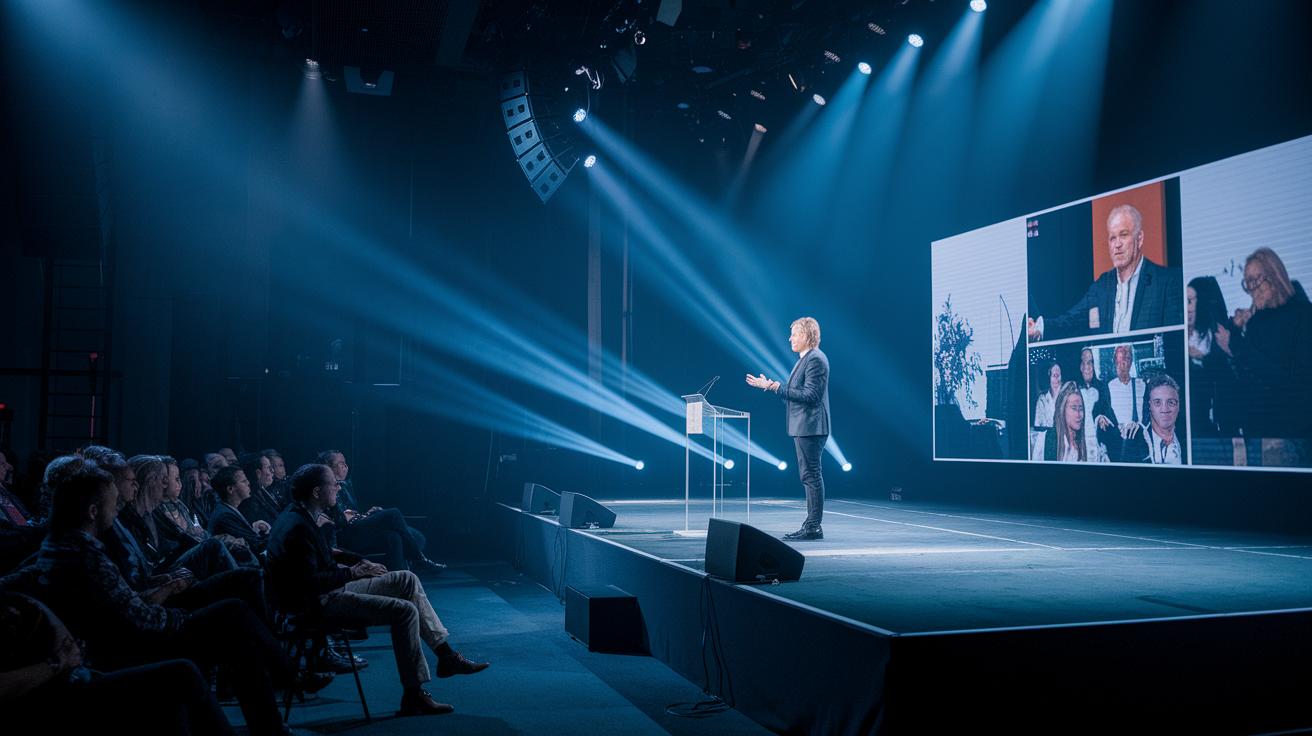
Live digital experiences have really taken off because they blend the fun of being in the moment with the convenience of online interaction. They first caught everyone's eye during the COVID-19 days when people got creative with staying connected. Artists, teachers, and speakers now get to share their passions with local fans and people all over the world simultaneously. Fun fact: during the pandemic, tons of live concerts moved online, pulling in thousands of remote viewers and laying the groundwork for today's hybrid events.
These experiences come with a bunch of cool perks. They break down walls and let you connect with a wider crowd no matter where you are. With a mix of live streaming and in-person excitement, you can feel that rush of a live event while also enjoying the ease of digital access. You can join chats, ask questions on the fly, and even interact directly with performers or speakers, keeping the vibe genuine and charged.
- Live-streamed concerts
- Virtual conferences
- Interactive webinars
- Digital workshops
Each type offers its own special appeal. Live-streamed concerts create an electric buzz as fans share the moment together. Virtual conferences and interactive webinars let ideas flow quickly between professionals and enthusiasts. And digital workshops give you a chance to learn by doing. All in all, these live digital experiences hook you with real-time interactions and engaging online energy.
Technical foundations for live digital experiences
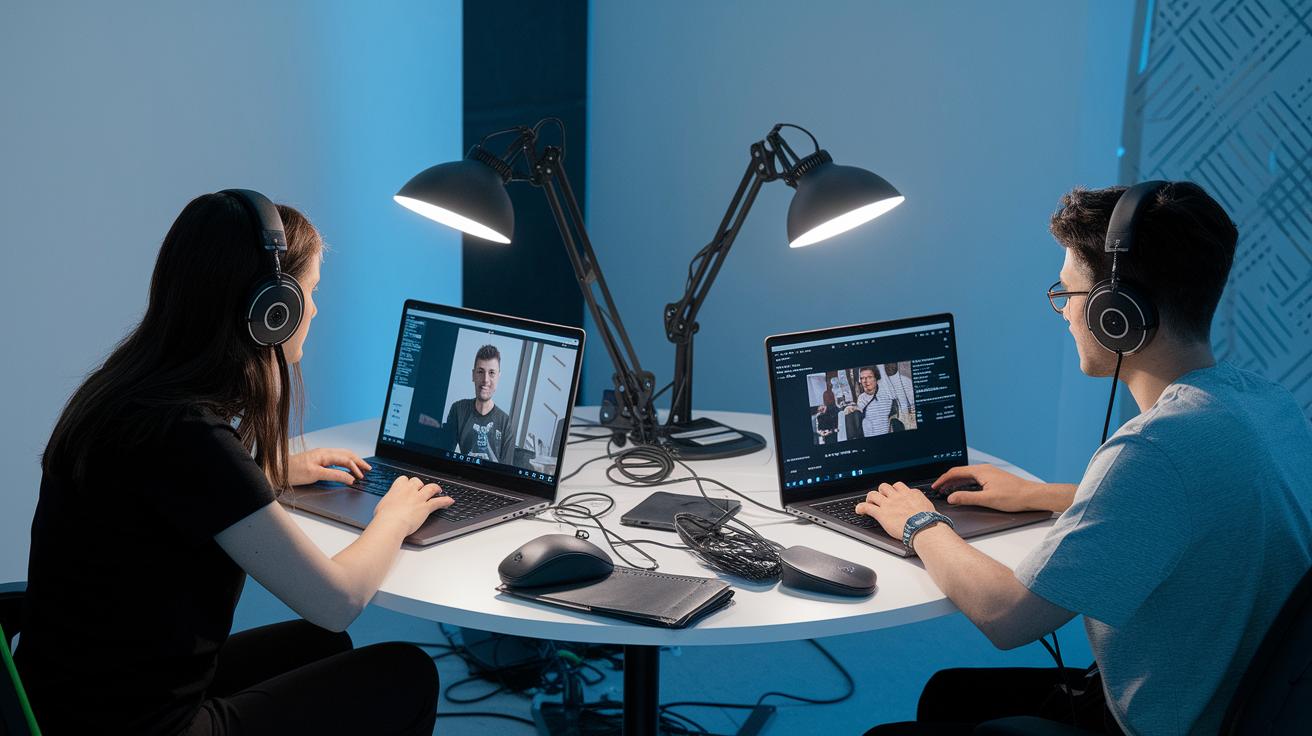
Live digital experiences depend on smart, fast systems that connect with audiences without delay. Think of protocols like WebRTC, which keeps communication almost instantaneous with delays under 500 milliseconds, and RTMP, which handles the live feeds. Then there’s HLS that spreads the content widely using CDNs. Together, these protocols make sure viewers enjoy smooth, real-time interactions, whether the event is online or mixes in-person elements.
When it comes to encoding, quality is key. For great streams, a resolution of 1080p combined with a video bitrate of 4 to 6 Mbps and an audio bitrate between 128 and 320 kbps keeps visuals clear and sound crisp. This mix of settings balances quality with performance, even when technical challenges come up. Many enterprise-grade digital experience platform providers use these detailed guidelines to ensure consistency and reliability. They often incorporate advanced streaming techniques that adjust to shifts in network speed, keeping live content engaging without interruption.
And then there’s the hardware, every bit as important. Top-notch cameras capture vibrant visuals, while quality microphones pick up every detail clearly. Dedicated encoders then swiftly convert these signals into digital streams, keeping images and sound perfectly in sync. With this solid setup, live digital experiences truly come alive, blending the buzz of in-person events with the magic of online interaction.
Engaging audiences with live digital experiences through interactive features
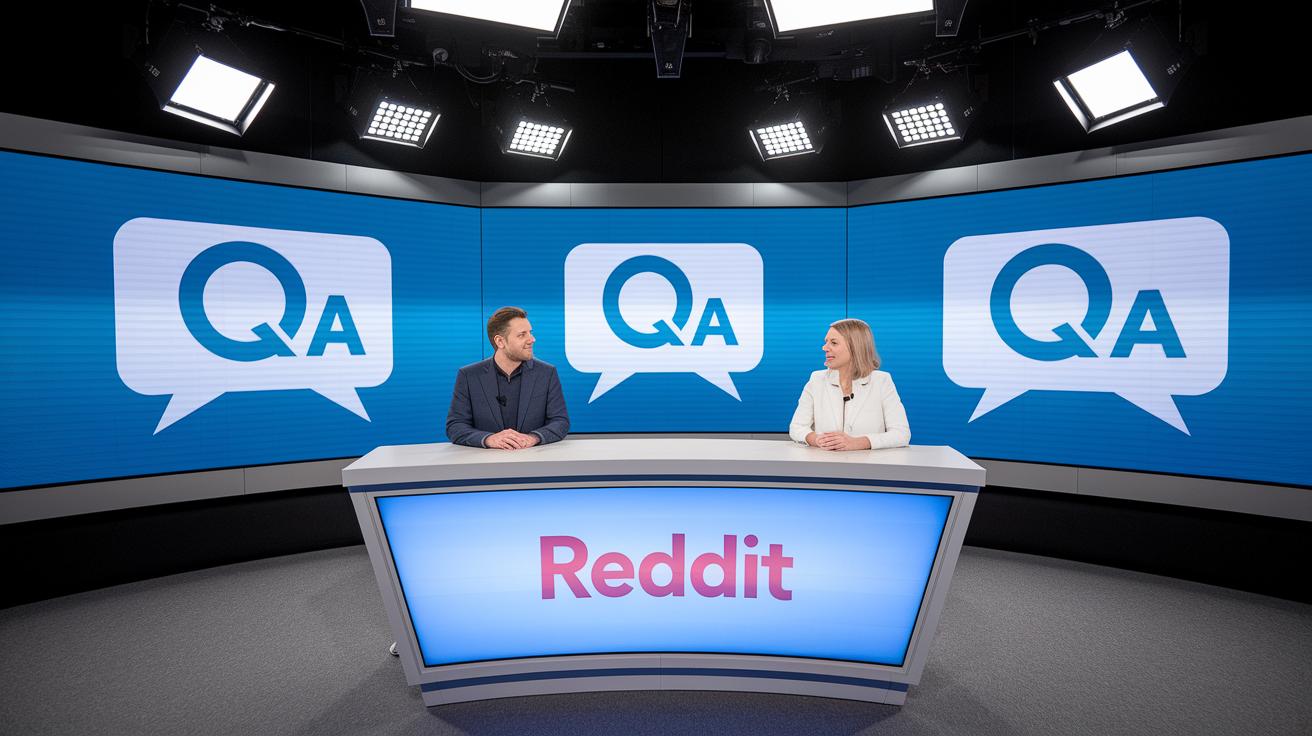
Interaction makes live digital shows unforgettable. When people truly feel part of the action, they get emotionally involved, turning a simple viewing into a lively conversation. It’s like reliving a cherished memory with friends, where everyone plays a role in the experience.
Tools like live chat, Q&A sessions, and social media links spark extra energy on screen. With clever event engagement methods, the gap between the performer and the audience fades away. This means viewers can share their opinions, ask questions, and even help steer the show's direction, making the experience as personal as being in the front row.
And there’s more. Advanced features, such as breakout rooms, allow small groups to chat and explore ideas together, creating strong bonds among participants. Live polls add a fun twist with instant feedback, letting the host feel exactly what the audience is thinking. These tactics keep the excitement flowing and ensure every viewer feels like a star in the live experience.
Comparing top platforms for live digital experiences
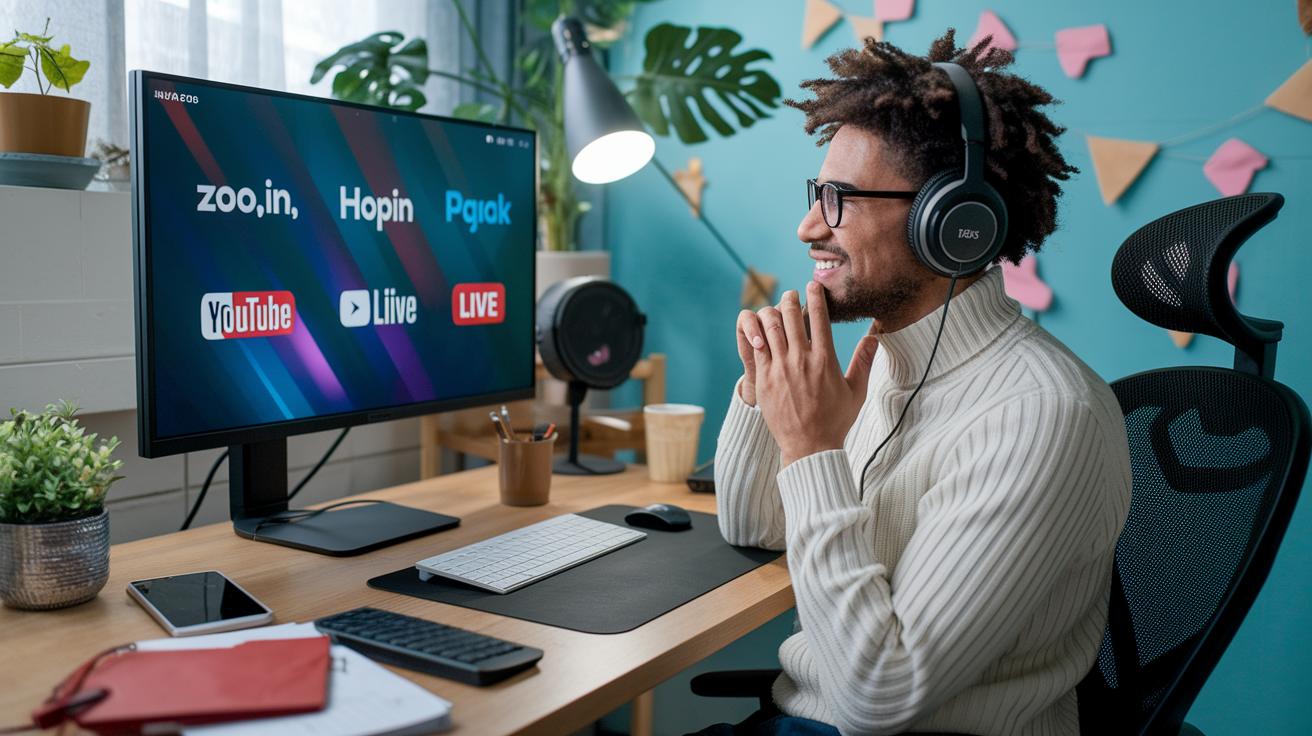
When you're diving into the world of live streaming, it's all about finding the platform that gets you. You know, one that fits your audience size, brings a fun set of features to the table, and matches your budget. Whether you're planning an intimate chat or a massive show with thousands tuning in, keep these points in mind.
Imagine putting on a live concert with the buzz of an excited crowd. You might need big audience capacity along with interactive tools like live chat and donation options to spark that energy. On the other hand, if you're holding a business meeting, a platform that offers breakout rooms and recording features might be just what you need. It’s like choosing the perfect stage for your unique performance.
| Platform | Audience Capacity | Key Features |
|---|---|---|
| Zoom | Up to 10,000 viewers | Breakouts, polling, recording |
| Hopin | Up to 100,000 attendees | Expo areas, networking |
| Twitch | Unlimited | Live chat, donations |
| YouTube Live | Unlimited | Monetization, DVR playback |
When you're picking a platform, think about the vibe you want to create. A smaller event might gel well with Zoom’s friendly setup and hands-on tools. Meanwhile, events bursting with audience interaction could really light up on Twitch with its active live chat, or on Hopin with its huge networking scenes. Matching your event’s energy with a platform that’s built for live, interactive broadcasts ensures every moment connects with your viewers. So, take a good look at what matters most to you, it’s the secret sauce for creating unforgettable live experiences.
Measuring success: analytics for live digital experiences
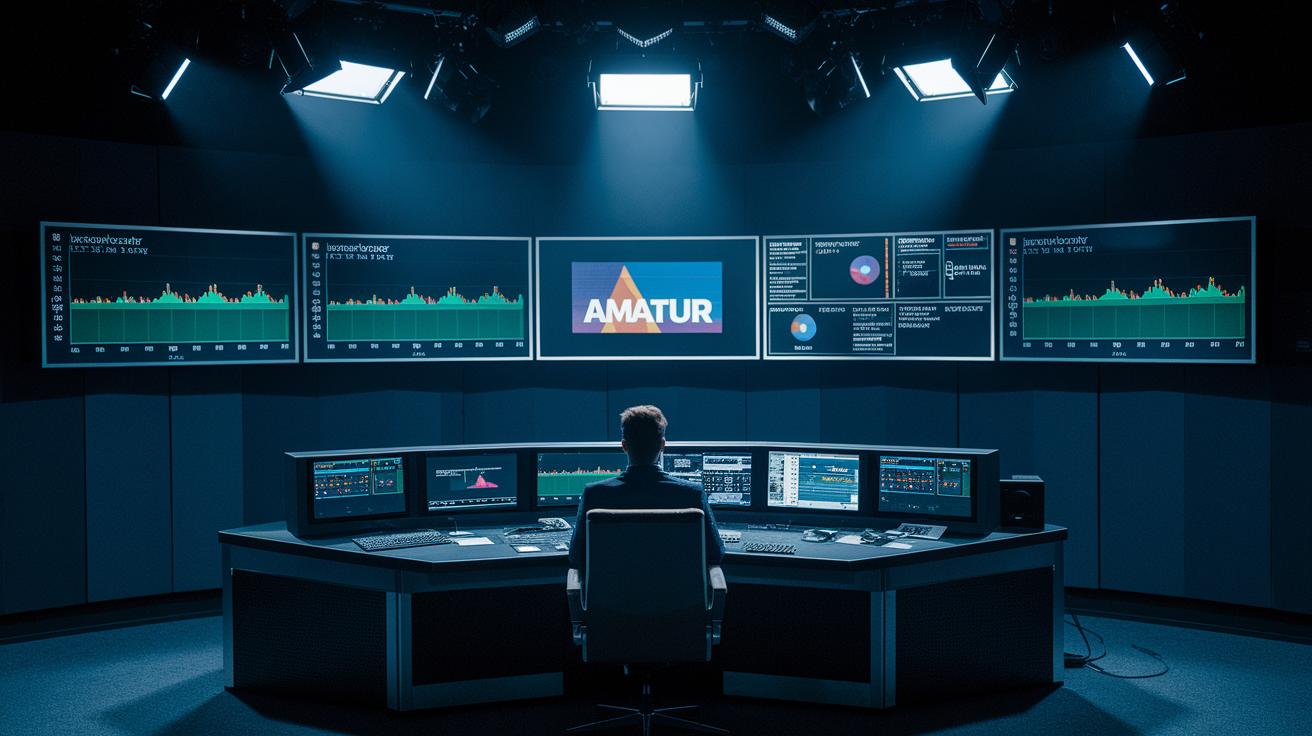
When you're hosting a live digital event, keeping an eye on key numbers is what really matters. Think of metrics like the highest number of viewers at once, how long people stick around, the overall engagement, and the moments when viewers decide to leave. These figures offer a real-time glimpse into how your audience is feeling and interacting. Ever notice a sudden drop in viewers? It’s your cue to ask what might have thrown them off. This kind of insight lets you tweak things on the fly, ensuring your event stays exciting and on point.
Dashboards and handy tools are like your behind-the-scenes crew here. Many platforms provide easy-to-read charts and graphs that update in real time, a bit like watching stage lights change during a live show. These visual cues help you spot trends and adjust your performance as needed. Plus, they guide you in planning future events that build on what worked best. In short, a clear, data-driven approach keeps your live digital experiences vibrant and ever-evolving.
Emerging trends in live digital experiences and future outlook
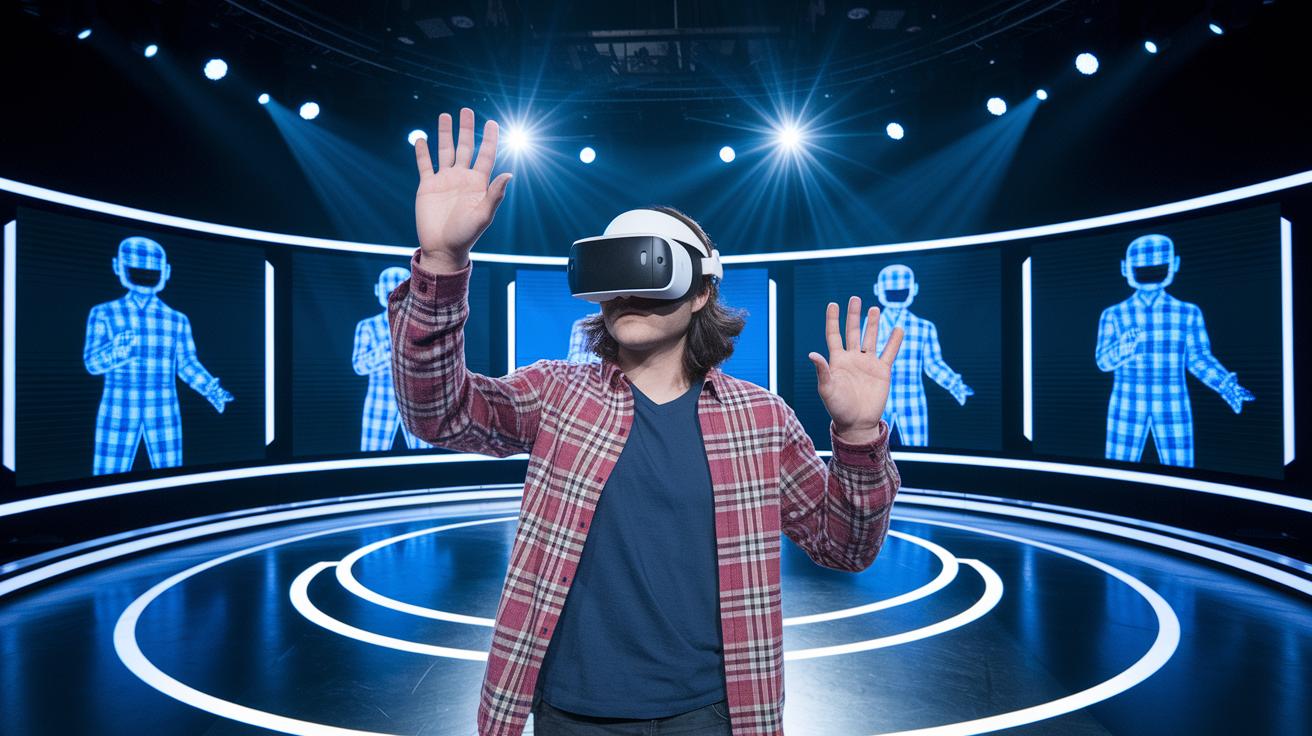
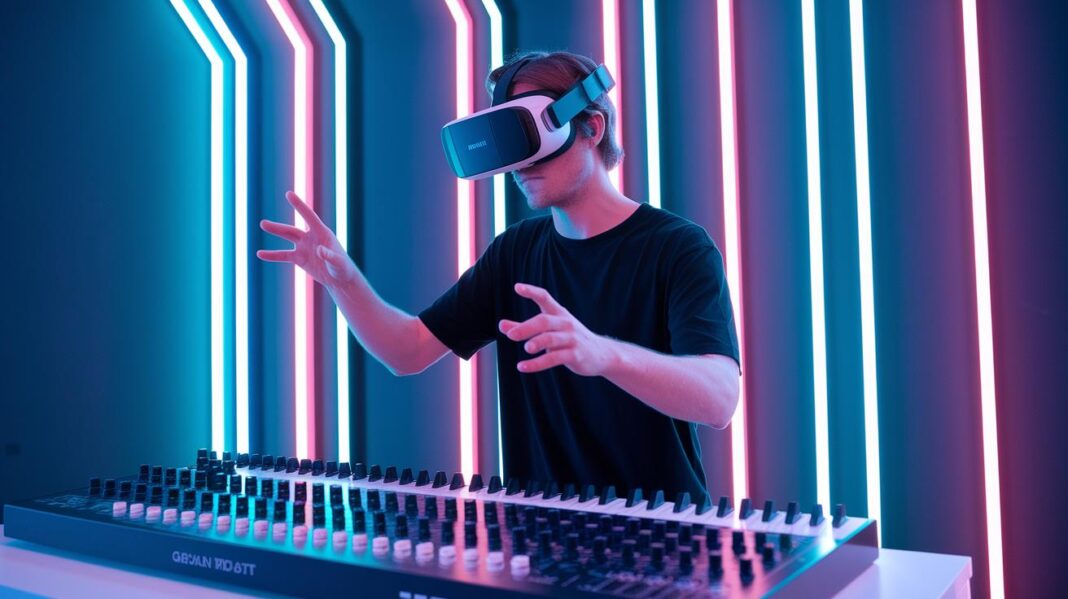
Imagine slipping on a VR headset and feeling like you're right on stage at a live concert, where the music wraps around you in a vibrant burst of sound. Or picture exploring a virtual campus through a 360° video that makes you feel like you're actually walking the halls. Technologies like VR, AR, and 360° video are turning traditional live events into immersive adventures, mixing real-time streaming with engaging, lifelike visuals.
Ever notice how your favorite music app seems to know exactly what you’re in the mood for? That same magic is happening in live digital experiences thanks to AI-driven personalization. When you join a digital event, smart algorithms tune into your interests, almost like getting a playlist made just for you. Whether you're tuning in for an online class or diving into a webinar, the content adjusts in real-time, offering extra insights and fun surprises between sessions.
Hybrid models, which blend in-person and digital interactions, are quickly becoming the new normal. In education, many students now prefer a mix of both classroom and online learning, while over three-quarters of corporate event organizers are planning more hybrid meetings. With upcoming innovations like seamless app integrations and enhanced sound experiences, these advancements ensure every live digital event is as interactive and engaging as your favorite concert.
Final Words
In the action, we explored what makes live digital experiences a game-changing medium, covering everything from the tech that powers streams to ways to spark real-time audience energy. The discussion broke down key formats like live concerts, virtual conferences, webinars, and digital workshops while weighing technical foundations and engagement tactics.
This read helped show how creative, interactive content connects fans and sparks conversations. The positive pulse of live digital experiences encourages us all to share and celebrate the next wave of immersive entertainment.
FAQ
What are digital experiences and what are some live digital entertainment examples?
Digital experiences encompass interactive online events like live-streamed concerts, webinars, and digital workshops. They combine real-time interaction with multimedia to create a dynamic form of entertainment.
How can you access live digital experiences for free?
You can enjoy live digital experiences free by exploring public platforms such as YouTube Live and Twitch, attending no-cost webinars, or taking advantage of complimentary event promotions.
What is an example of a digital experience platform and what makes a good digital experience?
A digital experience platform integrates media streaming, interactive elements, and an intuitive interface. A good digital experience is engaging, seamless, and reliable, giving both creators and viewers a smooth, immersive encounter.