
Have you ever felt like you were stepping right into a story? Digital storytelling turns you from a quiet reader into an explorer in a world that reacts to every move you make. Imagine making a choice and suddenly a new twist appears, or hearing sounds and seeing images that light up just for you. This fresh mix of virtual and augmented technology brings stories to life in a way that feels real and magical. It sparks creativity and transforms everyday moments into fun, interactive adventures for artists, teachers, and fans alike.
Understanding the Fundamentals of Immersive Digital Storytelling
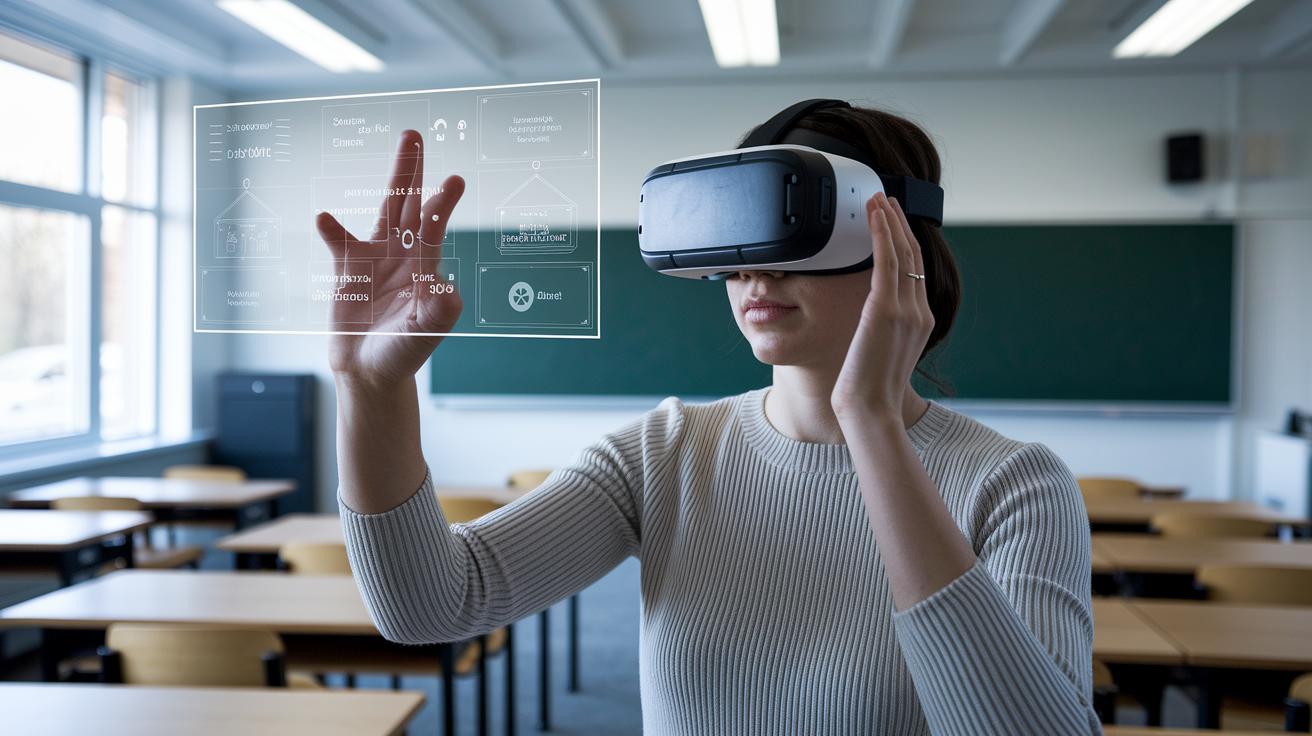
Immersive digital storytelling is like stepping right into a story. It mixes virtual reality, augmented reality (using digital overlays on the real world), 360° media, and interactive screens into one dynamic experience. Instead of just reading or watching, you get to explore every twist and turn based on your own choices.
Imagine moving from a printed page to a digital world where you're part of the adventure. Artists, teachers, and tech fans are all embracing this fresh way to tell stories, whether they’re shaking up a classroom or revamping a museum exhibition. It’s about making you an active participant in the narrative.
At its core, this approach uses elements like branching story paths (think of it as a modern choose-your-own-adventure), spatial audio that surrounds you, haptic feedback so you can actually feel parts of the experience, and real-time 3D visuals that react to your moves. Each component works together to turn a simple story into an engaging, multi-layered journey.
The magic really happens when you see how your actions change everything. Picture sitting in a room where the lights and sounds respond to you, as if the experience was made just for you. That's immersive digital storytelling, transforming passive viewing into a memorable, interactive adventure that truly shines with creativity and personal touch.
Technology Platforms Powering Immersive Digital Storytelling

When picking a platform for your digital story, think of it as finding a partner that brings real-time 3D visuals to life, handles AR filters or WebXR (basically turning your screen into a mini virtual world), and fits your budget and skill level. We look at how well these creative tools let you build and upload your content, as well as the fresh features they keep adding, like capturing scenes in 3D and using smart AI to help weave your narrative.
- Unity – Perfect if you’re aiming for rich, real-time 3D scenes. It’s a favorite for detailed effects, offers a free version, and comes with paid plans for when you need that extra punch.
- Unreal Engine – Famous for its stunning visuals and powerful production tools, it works on a royalty basis. Plus, if you’re starting small, you can use it for free.
- A-Frame – A handy web framework for building virtual reality experiences. It’s great if you want to mix in WebXR without a lot of heavy coding, and it’s totally open-source.
- Spark AR – This one’s all about creating AR filters and effects, making it a top pick for lively social media campaigns with simple subscription pricing.
- Adobe Aero – Makes designing interactive AR experiences a breeze with its user-friendly interface and built-in asset libraries.
- Godot – An up-and-coming open-source tool perfect for those who need a cost-effective and community-supported option for crafting interactive experiences.
Open-source gems like A-Frame and Godot give you room to experiment with community advice, while more established options like Unity and Adobe Aero offer a complete, polished suite of tools.
Interactive Narrative Techniques in Immersive Digital Storytelling
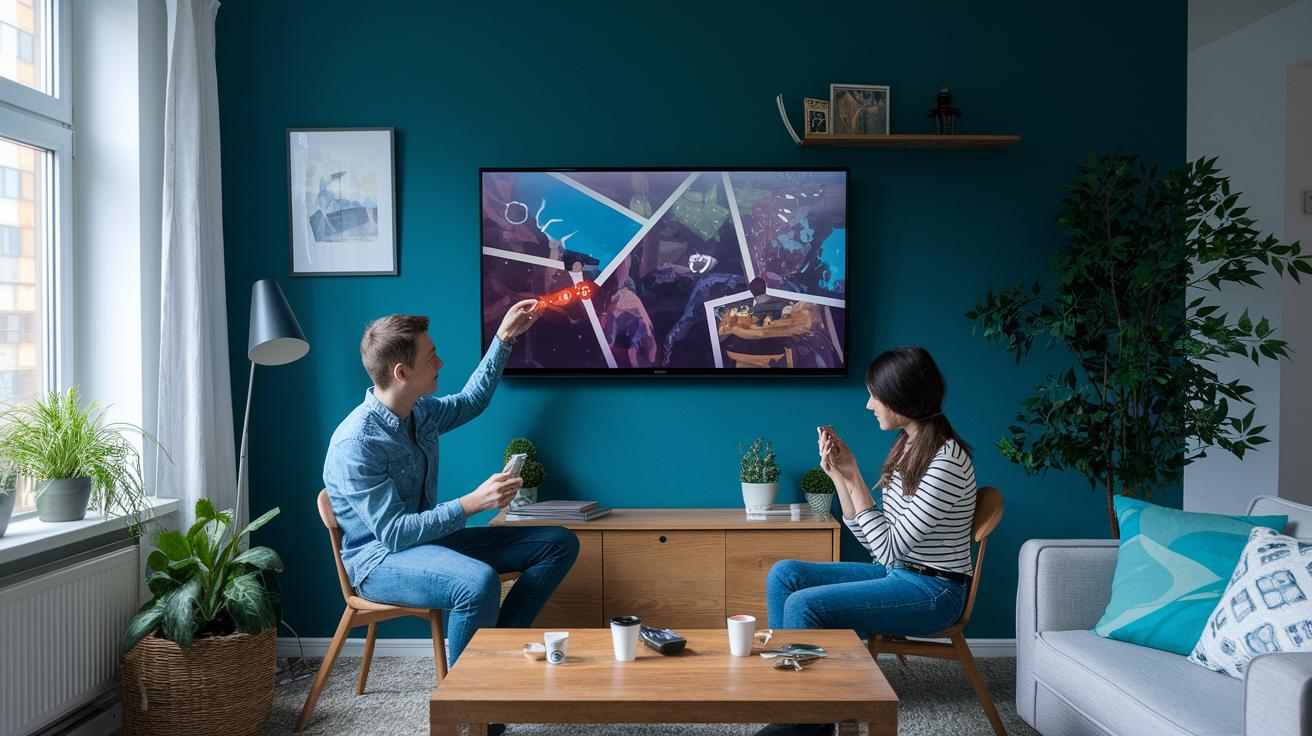
Digital storytelling comes alive when you’re not just watching but actively part of the tale. Here, you can steer the adventure, turning a plain old story into an exciting, ever-changing ride. Imagine crafting your very own world where every decision sends ripples through the plot. It’s like being the hero of a live, interactive show.
Branching Narrative Paths
Think of branching paths as a choose-your-own-adventure game. One minute, you’re deciding whether to explore a secret room or follow a mysterious sound. Your choice shapes exactly what comes next, making every moment feel uniquely tailored to you.
Adaptive Story Nodes
Ever wish the story could change based on how you react? With adaptive nodes, the plot shifts in real time. If a character responds to your choice in a brand new way, it’s like the narrative is whispering, “Hey, this experience was made just for you.”
Real-Time Audience Feedback Loops
Imagine scenes that change based on live feedback. Whether it’s a quick poll or a heartbeat sensor, your instant reactions can nudge the story’s mood or a character’s move. It’s as if the entire scene is tuned into your vibe, creating an immersive shared experience.
Multi-Perspective Story Worlds
This technique lets you jump between different viewpoints within the same world. It’s like putting on a new pair of glasses each time, revealing secret corners or hidden feelings that you might have missed from just one angle.
Dynamic Environment Triggers
Here, your actions can spark sudden changes, like lights shifting or sounds evolving. These little surprises make the story feel like a living, breathing world that reacts right along with you, making every interaction packed with energy.
immersive digital storytelling fuels creative magic
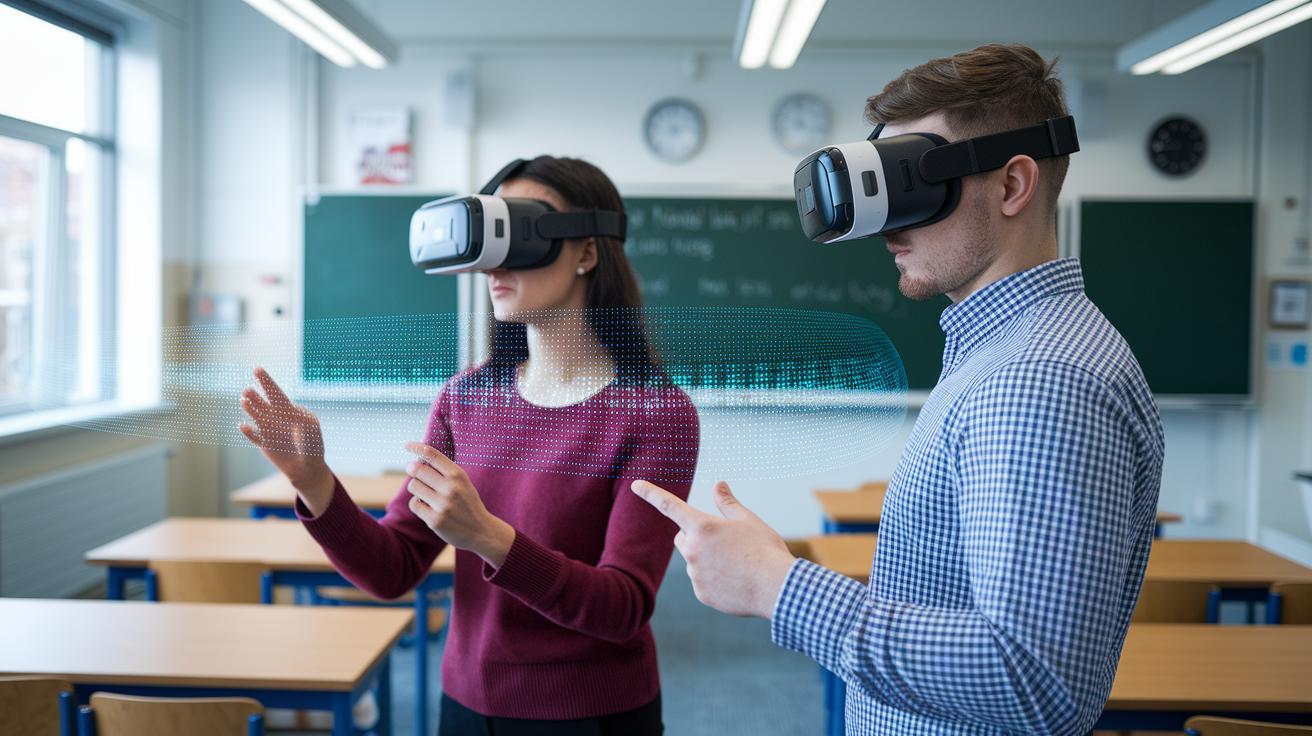
Every day, interactive stories pull you in and turn viewers into active participants. Think about a live historical reenactment or a documentary that uses spatial sound, these aren’t just about facts, they bring feelings and memories to life. It’s like stepping into a world where history, art, and tech all mix together, made just for media fans, teachers, and digital artists alike.
| Project | Type | Technology | Outcome |
|---|---|---|---|
| The Walk VR | 360° history experience | 360° video, spatial sound, interactive tools | Brings history to life with deep engagement |
| Notes on Blindness | Interactive documentary | Spatial sound, story design, live feedback | Changed digital storytelling in journalism by creating strong emotional ties |
| IKEA Place AR campaign | Branded augmented reality | AR filters, real object views, smartphone integration | Boosted brand connection with realistic in-app scenes |
These real-life examples show just how powerful immersive digital storytelling can be. Mixing art with tech creates experiences that are not only innovative but also unforgettable. Whether it's a historical scene that makes the past come alive, a documentary that stirs your emotions with sound, or an interactive ad campaign inviting you to explore, every detail counts. The key is to keep things interactive, match the tech with your story, and always put the user first.
immersive digital storytelling in Education and Training
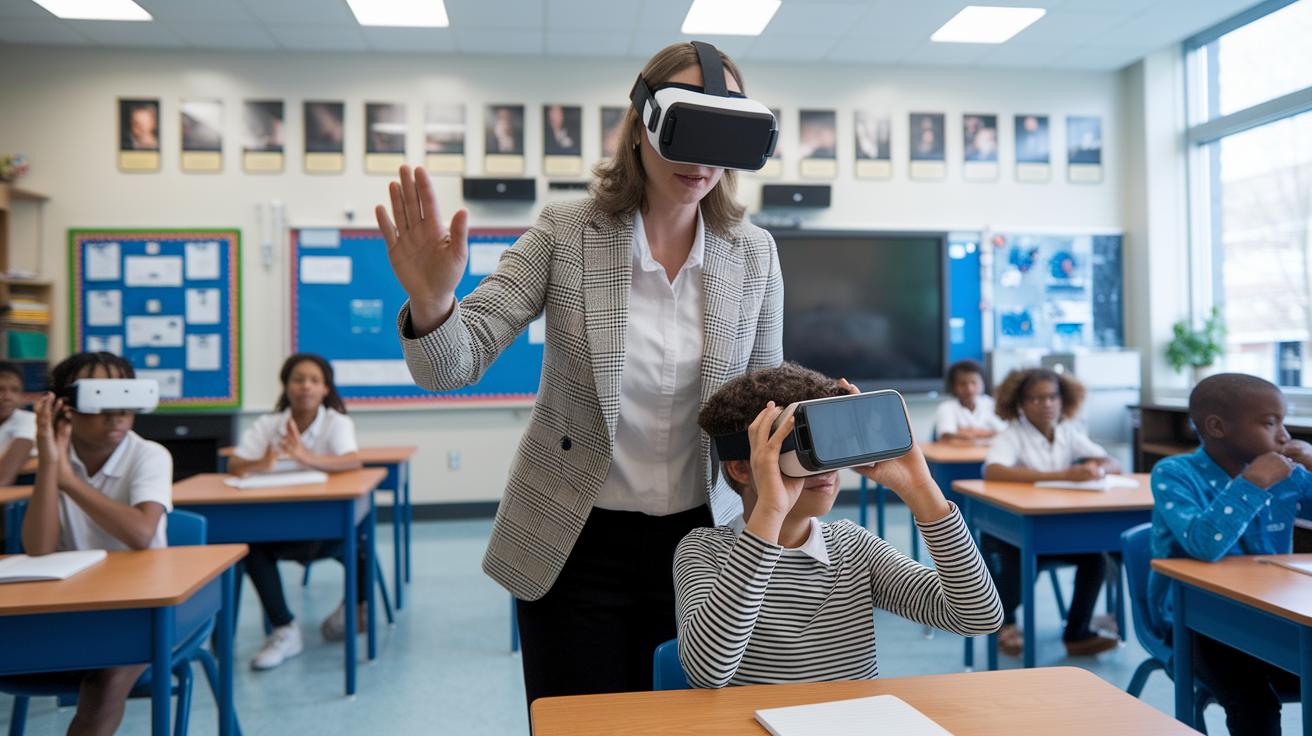
Traditional classrooms are coming alive with digital storytelling. Virtual field trips let students wander through ancient ruins or journey to distant planets without ever leaving their seats. Lab simulations create a safe digital space where experiments happen right before their eyes. And with language immersion in VR, kids can step into busy markets or quiet cafés, practicing new words like they’re part of a real conversation. AR anatomy lessons even let them explore the human body layer by layer, making every class feel hands-on. For example, a teacher might invite the class to explore a digital fossil site with a simple, "Imagine walking alongside ancient creatures!"
Next, educators in both K–12 and higher education are using practical, interactive methods. They mix captivating stories with clear learning goals to weave together traditional lessons and modern digital tools. Many schools have run pilot programs that show a 40 to 60 percent boost in student engagement and retention, pushing them to use more interactive content across different subjects.
Students are noticing the difference too. When lessons are delivered through engaging digital stories, curiosity and motivation soar. One teacher shared that a virtual field trip sparked thoughtful questions and helped students understand history in a way they never had before.
Teachers are also changing their approach by blending quick feedback with creative storytelling. When classroom narratives pull students right into the action, every lesson leaves a lasting impression. Many educators adjust their techniques based on real-time projects and immersive story experiences, ensuring that each class is as memorable as a live performance.
Measuring Impact and Future Trends in immersive digital storytelling
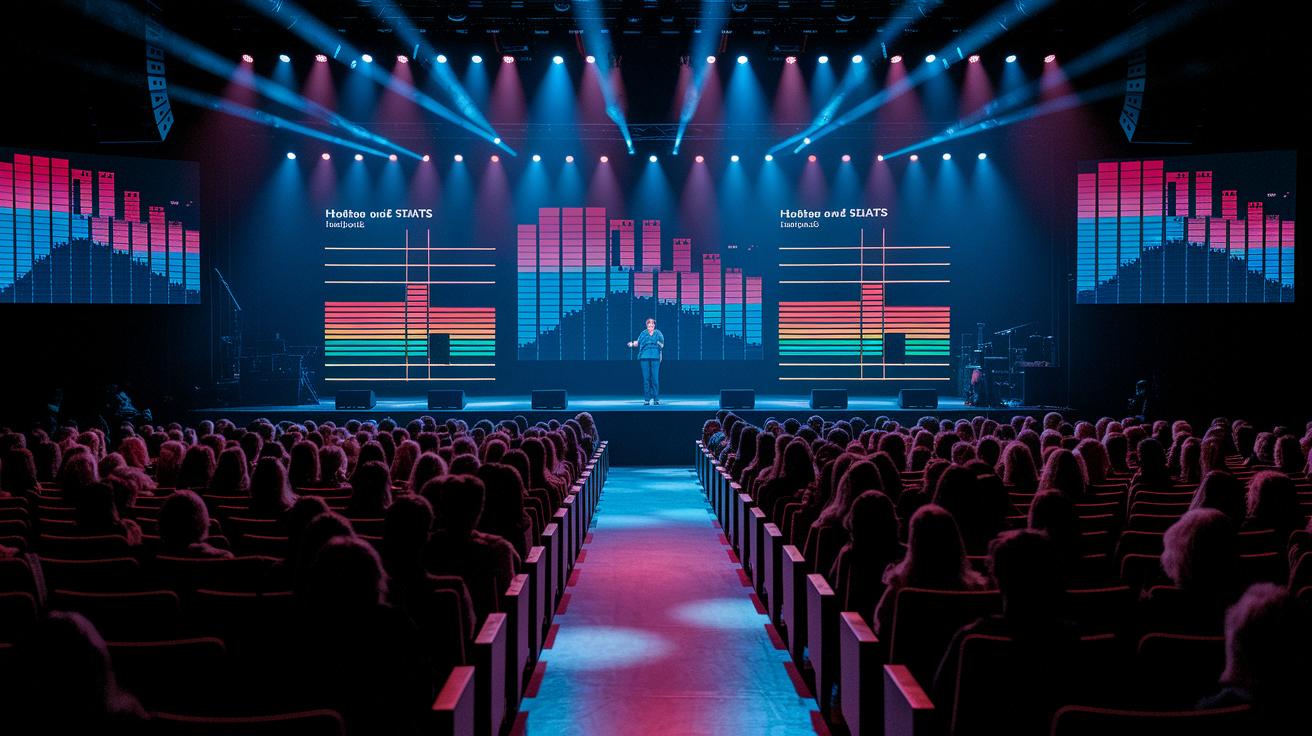
Keeping an eye on the important numbers is key for any project. Think of it like watching a live stage show, where every gesture and pause gives you clues about how the audience is feeling. We track things like finish rates, how long people stick around on a scene, and even their feelings measured with simple tech. For example, one study found that adding interactive choices made viewers stay 20% longer, boosting the overall excitement.
There are plenty of cool tools out there that help you see how your story is doing. Some of these tools create heatmaps that show exactly where viewers are most engaged, and others track social media shares to see which parts of your story light up conversations. A quick look at this data can tell you if a scene really hit the mark. You can mix and match different tools to find the perfect fit for your creative process.
Looking ahead, the future of digital storytelling is super exciting. Trends point to more AI-driven personalization (where the story adjusts itself based on your actions), holographic storytelling, and mixed reality integration as soon as 2025. Imagine a storytelling experience that changes right before your eyes, as you lean in, the visuals brighten and the pace picks up. This vision is spreading into every part of digital storytelling, promising an interactive, live-show kind of vibe every time you dive into a story.
Final Words
In the action, the post broke down the essentials of immersive digital storytelling, exploring core components, tech platforms, and creative narrative techniques. It walked through vivid case studies and practical classroom applications while spotlighting interactive ways to boost stories.
The piece also touched on impact measurement and upcoming trends, painting a clear picture of the digital entertainment scene. Experience the thrill of blending art and tech, and see how each element adds spark to a world full of immersive digital storytelling moments.
FAQ
What is immersive storytelling?
Immersive storytelling means using interactive tools and rich media like VR or AR to involve users directly in the tale, making them feel part of the unfolding experience.
What are the seven elements of digital storytelling?
The seven elements of digital storytelling highlight key parts such as narrative, visuals, sound, pacing, perspective, emotion, and relevance. Each piece works to guide audiences on a memorable experience.
What are the five C’s of storytelling?
The five C’s of storytelling refer to core ideas like characters, conflict, context, creativity, and connection. They guide storytellers in crafting narratives that resonate with viewers.
What are the four types of storytelling?
The four types of storytelling usually cover linear, non-linear, interactive, and immersive methods. Each style offers unique ways for audiences to explore and engage with narratives.
What are some digital storytelling examples across different platforms and audiences?
Digital storytelling examples include immersive VR experiences and interactive websites. These projects engage students, educators, and audiences by combining visuals, audio, and interactive design to create memorable digital content.