Have you ever noticed how one simple beat can change everything? Electronic house music kicks in with energy that feels like a spark zipping through your veins, much like the steady pulse of a heartbeat.
The crisp hi-hats and deep, rich bass blend vibes from classic disco and funk, turning ordinary nights into lively gatherings filled with excitement. It’s like the sound itself invites you to move and fills every corner with uplifting energy.
In this article, we dive into how electronic house music transforms everyday moments into pure, unforgettable experiences that connect us all.
Electronic House Music Sparks Joyful Rhythms
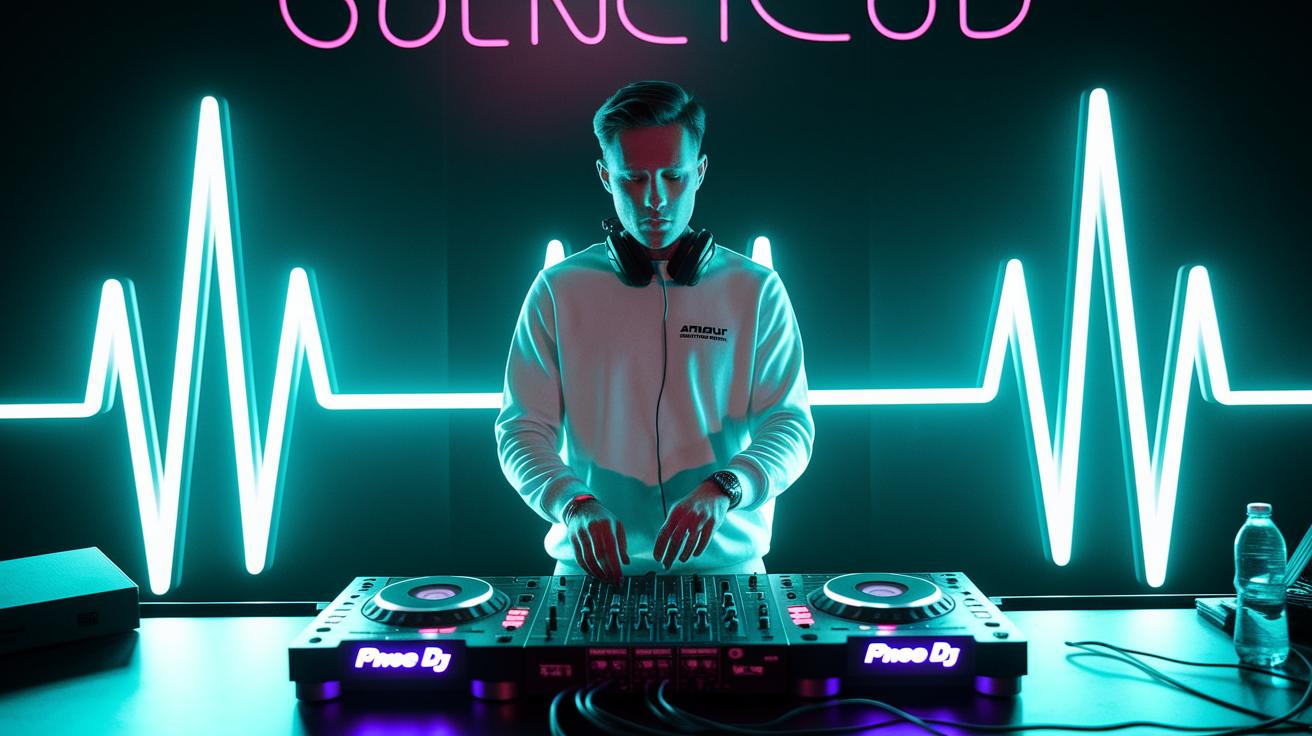
Imagine stepping into a room where the beat instantly feels like a heartbeat. Electronic house music is the pulse behind so many dance floors and festival moments, lighting up urban nights and vibrant celebrations alike. This genre, a standout in the world of EDM (Electronic Dance Music, which is all about energizing urban spaces), is famous for its steady four-beat kick drum, usually set around 120 to 130 beats per minute. It’s like that simple, unchanging pulse that turns modest clubs into places of magic and movement.
Born from the grooves of late-'70s disco and the soulful funk, electronic house layers deep basslines with crisp, cheerful hi-hats and claps that hit right on the second and fourth beats. Classic drum machines like the Roland TR-808 and TR-909 help shape its nostalgic yet forward-thinking groove. Think of vibrant synths twirling alongside occasional soulful vocals, they come together to make soundscapes that move not just your feet, but your whole spirit.
Often, these tracks boil down to emotions in minor keys, with keys like A minor or C minor offering a simple, familiar playground on the piano. Picture composing a tune in A minor, a melody that gently hums with the excitement of a night full of dancing and whispered secrets. It’s the kind of simplicity that makes every beat feel both warm and real.
Over the years, this urban dance phenomenon has grown and shifted, weaving in fresh cultural vibes while keeping its rhythmic heartbeat steady. Its sound continues to spark creativity in studios and send ripples of excitement through clubs and festivals around the world.
Evolution & Subgenres of Electronic House Music
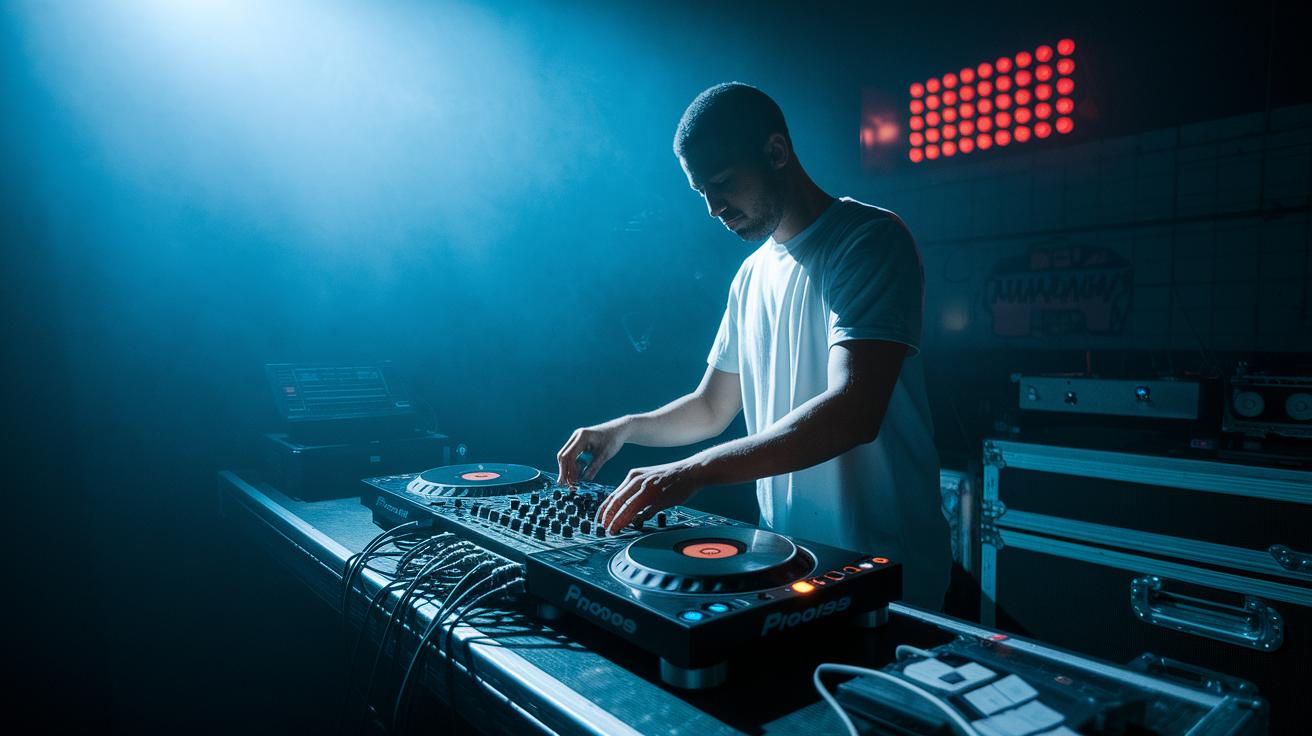
It all started in 1980s Chicago at the famous Warehouse club. House music emerged by mixing disco beats with soulful sounds, thanks to pioneers like Frankie Knuckles. Imagine the thrill of a DJ spinning a track that makes you feel like you're part of a brand-new sound uprising.
Over time, house music grew into a rich blend of exciting subgenres. Each one brings its own flavor while keeping that groovy pulse at its core. Here’s a quick peek at some of them:
- Deep House – Filled with warm tones and a mellow vibe, inviting you to relax and reflect.
- Tech House – Combines simple techno beats with classic house rhythms, creating a sound that's both cool and clever.
- Progressive House – Known for its slow build-ups that burst into big, energetic moments.
- Electro House, Future House, Acid House, and more – Each adds its own twist with creative synth sounds and varied drum beats.
From the underground clubs of Chicago, these beats have found homes in cities like London, Berlin, and Ibiza. Picture a packed club in Berlin, the air alive with the rhythmic pulse of progressive house, echoing through a space that feels both mysterious and electric.
This journey has not only expanded the world of house music but also deepened its mark on modern nightlife, keeping those underground anthems fresh and inviting.
Influential Electronic House Music Artists & Tracks
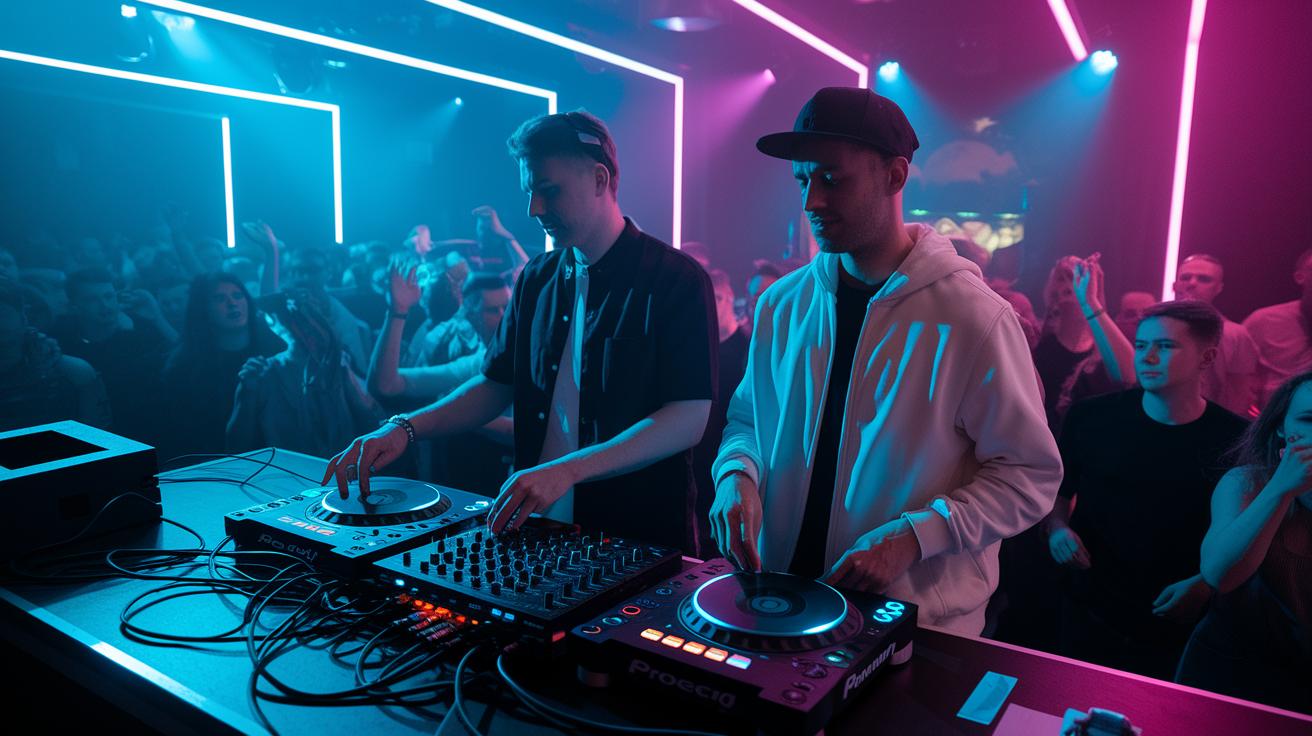
Frankie Knuckles and Larry Heard, also known as Mr. Fingers, lit up club culture with tracks like "Your Love" and "Can You Feel It". They crafted beats in minor keys that turned into underground anthems, still electrifying dance floors today. Before taking the scene by storm, Frankie spent nights in small clubs experimenting with sounds, not knowing he was laying down foundations for future massive venues.
Modern legends like Carl Cox, David Guetta, Black Coffee, Hot Since 82, and Jamie Jones are keeping that vibrant spirit alive. Imagine a DJ dropping a remix that instantly morphs a chilled-out club into a pulsing dance party. Guetta’s tracks, like his catchy fusion hit "Titanium", have topped charts and set off viral energy, while collaborations like "One Kiss" with Calvin Harris and Dua Lipa mix underground vibes with mainstream magic, making everyone move together.
Artists have a unique knack for turning a simple beat into a timeless anthem. Think of these pillars of the electronic house scene:
- Frankie Knuckles: a true pioneer who reshaped the club scene.
- Larry Heard (Mr. Fingers): an innovator known for sounds that feel raw yet smooth.
- David Guetta: the mastermind behind chart-topping, dance floor energizers.
Every track, whether a beloved classic or a fresh festival favorite, keeps the heartbeat of electronic house music strong, connecting die-hard underground fans with the wider world of EDM.
Producing Electronic House Music: Techniques & Tools
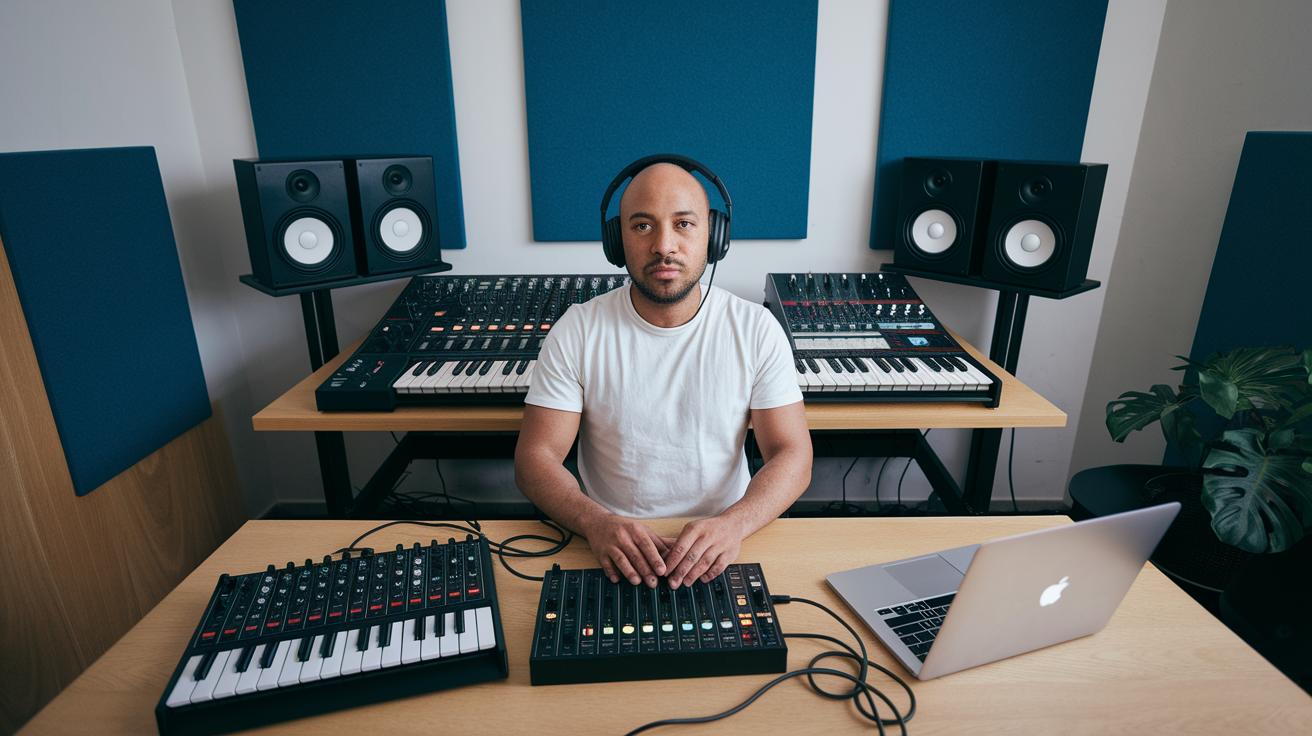
Making a soulful electronic house track starts with solid beat programming. You begin by laying down a kick drum on every beat, then adding a clap on the second and fourth beats along with crisp hi-hats to fill in the gaps. This simple pattern sets up the perfect groove to let your creativity shine.
Using classic gear like the Roland TR-808 and TR-909 is a great way to add an authentic touch to your sound. These trusty drum machines pack a punch and bring life to each rhythm. Picture yourself tapping into that warm, vintage feel every time a snare hits or a bass thumps through the speakers.
Your digital audio workstation, or DAW, comes next into play. Many producers choose Ableton Live because it’s easy to use and loaded with cool features. With Ableton, you can try out different sampling tricks, like chopping up old disco loops, stretching out sounds to fit your beat, or tweaking the pitch to create an unexpected twist. It’s a bit like mixing your own playlist to match the mood of the night.
Mixing your track ties everything together. Simple techniques like sidechain compression let the bass take a step back when the kick drum hits, giving each sound its moment to groove. And using EQ to carve out space helps keep everything clear and energetic, so nothing gets lost in the mix.
Finally, adding minor keys, often A minor or C minor, injects a splash of emotion into your track. It’s that blend of careful crafting and heartfelt creativity that turns a steady beat into an irresistible musical journey.
Electronic House Music at Festivals & Live Events
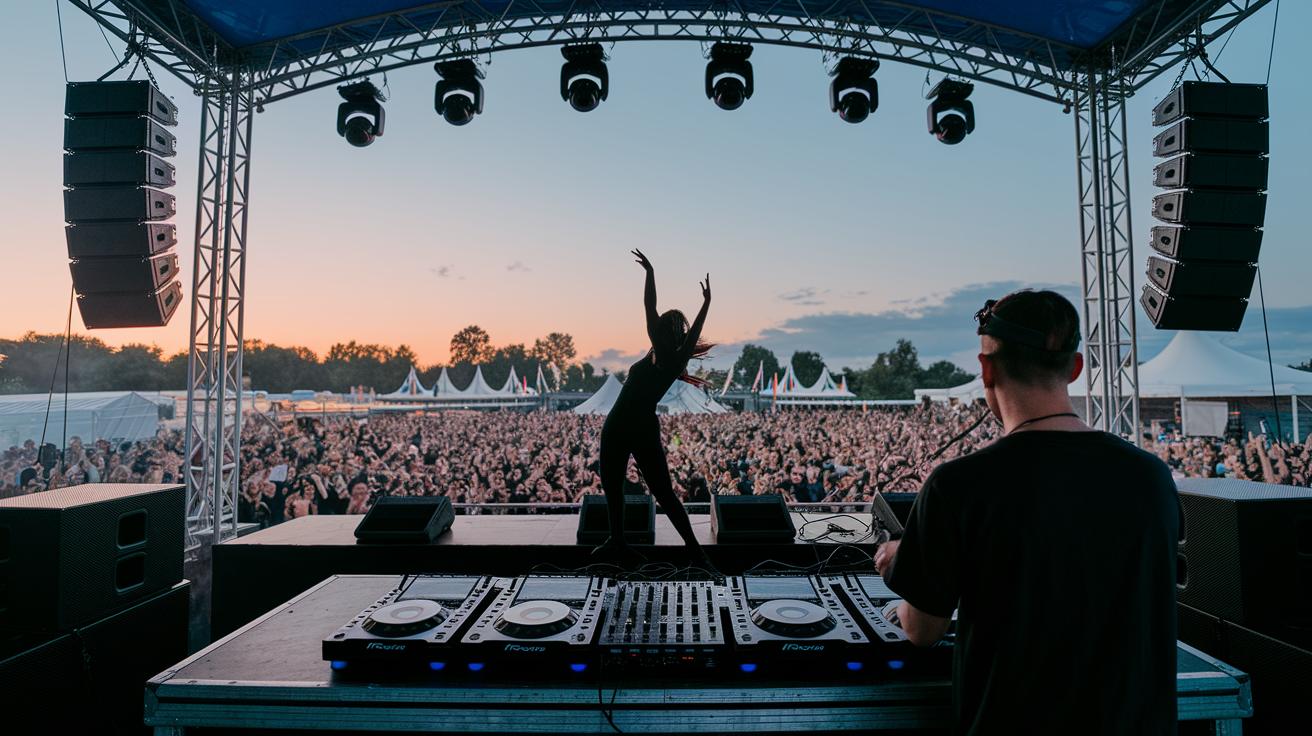
Imagine stepping into a festival where every beat feels like a heartbeat. Live sets can be long, letting the music breathe, or they can build up fast so that the energy takes off. Picture a DJ mixing tracks so smoothly that the lights seem to dance along with the crowd.
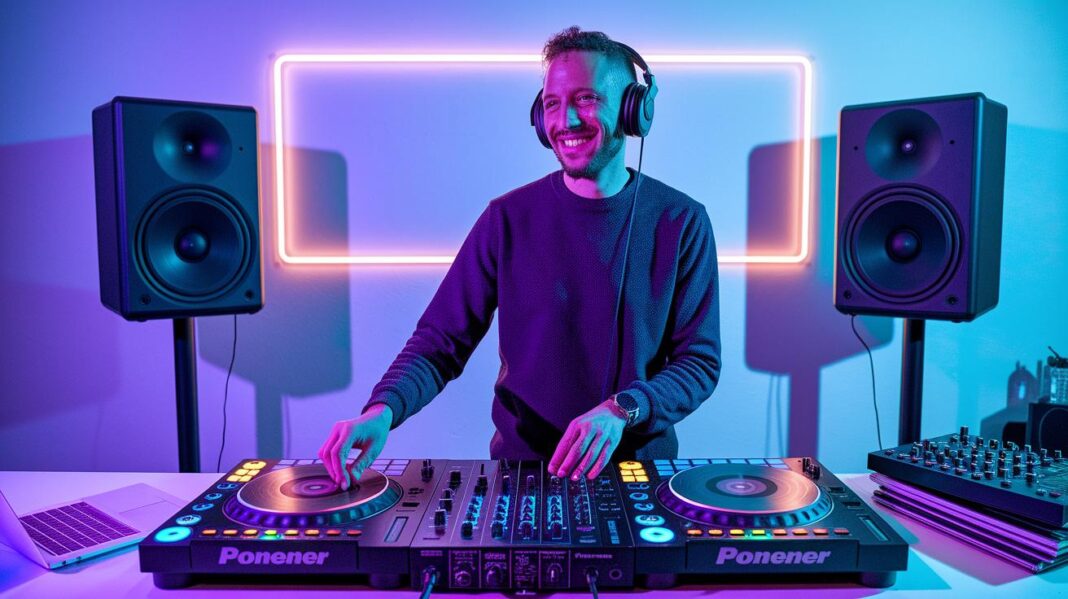
DJs need the right gear to set the mood. They rely on trusty CDJs or controllers along with mixers, and they fine-tune sound systems to work with huge festival speakers or a smaller club setup. Ever notice how a steady four-on-the-floor beat gets your feet moving? That pulse lights up the room and keeps everyone dancing.
Choosing tracks is like a friendly conversation with the crowd. DJs mix deep underground sounds with well-known hooks, starting a quiet build that suddenly erupts into a burst of energy. It’s this mix of surprise and familiarity that gets everyone nodding in unison.
Live performance in electronic house music is more than just playing songs, it’s about reading the room and mixing technical skill with a feel for the crowd. Every set evolves as the DJ listens, adjusts, and makes sure the energy never fades.
Future Directions & Fusion Trends in Electronic House Music
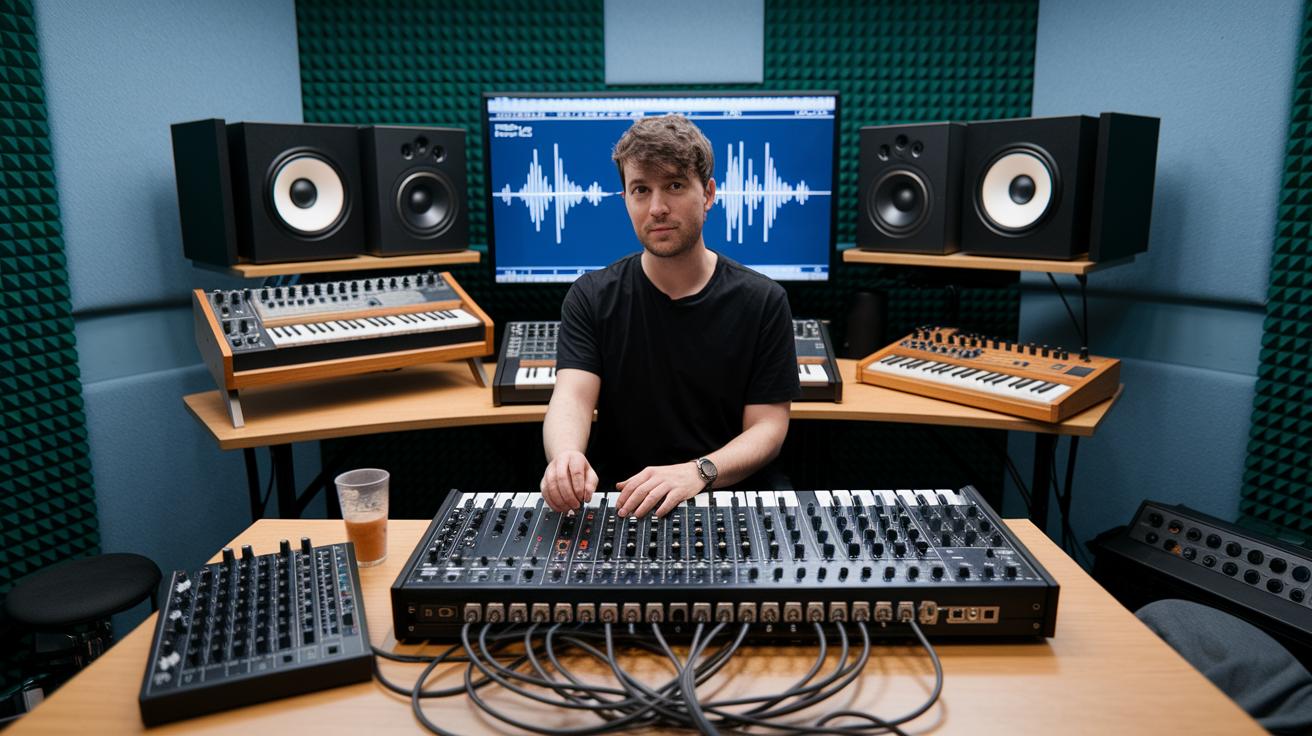
The future of electronic house music is full of exciting experiments. Producers are now mixing classic house beats with drops from EDM, hip-hop rhythms, and even Afrobeat vibes. Imagine a song that starts off with a smooth, steady groove and then surprises you with a burst of hip-hop flair, almost like enjoying a favorite candy with an unexpected zesty kick.
And there's more, AI is stepping in to help, letting musicians create cool sound patterns with tools like modular synth rigs and circuit-bending techniques. This smart tech adds a modern touch while keeping that soulful feel alive.
Meanwhile, pop music is catching on, borrowing those steady four-on-the-floor beats that make you want to dance. At festivals, you'll see an amazing mix of live bands jamming on analog synths right alongside DJs who spin traditional gear. Picture a lively stage where old-school drum machines blend with real instruments, creating a familiar yet electrifying vibe.
All these shifts signal a bright, unpredictable future where electronic house music keeps evolving and surprising every listener.
Final Words
In the action, we explored the pulse behind electronic house music, from its defining beats to the creative production tricks that keep the sound fresh. This piece walked through its roots in disco and funk, the rise of iconic artists, and the exciting live event culture that fuels every performance. It also showed how producers mix classic techniques with modern tech to keep things lively. The journey into this electronic house music world leaves us inspired and ready to catch the next big beat.
FAQ
How can I find electronic house music on YouTube and through playlists?
The query about finding electronic house music on YouTube means you can search for curated mixes and live sets. Enjoy watching channels that feature festival highlights and custom playlists.
What are the key trends in electronic house music for 2022?
The question on 2022 trends indicates that electronic house music evolved with fresh remixes and a blend of classic beats with modern production techniques, making playlists and festival sets exciting.
Who are some standout electro house artists?
The inquiry about electro house artists shows that pioneers and modern influencers shine with tracks that mix rhythmic beats and catchy synth lines to energize dance floors worldwide.
What is house electronic music?
The question defining house electronic music explains that it is a style within EDM featuring a steady four-on-the-floor beat, synthesized sounds, and soulful vocals, drawing from disco and funk roots.
What does EDM music mean?
The question about the meaning of EDM music clarifies that it stands for electronic dance music, a broad category including various dance styles where house is a central, energetic component.
How can I download electro house music?
The question on downloading electro house music suggests using legal digital stores and music platforms where you can purchase or stream tracks, adding high-energy songs to your collection.
How does electro house music from the 2000s differ from today?
The inquiry about electro house in the 2000s indicates that earlier tracks featured raw sounds and classic mixes, while today’s production adds digital enhancements to create a more polished experience.
What defines an Electro House Mix?
The question on an Electro House Mix means it is a seamless arrangement of tracks with heavy bass lines, energetic drops, and layered synth elements designed to keep dance floors lively.
Why do some people with ADHD like EDM music?
The query about ADHD and EDM shows that repetitive beats and fast-paced rhythms may provide a stimulating audio experience that holds the attention of listeners with ADHD.
Is EDM music healthy?
The question about EDM music’s health impact explains that while the upbeat rhythms can boost mood and support exercise, high volumes at events may risk hearing damage if proper precautions are taken.