Ever wonder how a beat can flip your mood in a flash? Electronic music is more than just sound. It mixes art and smart tech to bring a ton of styles to life. You’ve got everything from soft ambient tunes to the fast thump of drum and bass. Each style creates a feeling you can almost touch. So stick with us as we break them down and show you how every night can feel like a live show.
Electronic Music Genre Classification: Foundations and Major Styles
Electronic music comes alive when artists use synthesizers, drum machines, and computers to transform basic sounds into rich, layered tracks. Musicians play around with digital tools and production tricks to mix rhythms and textures that feel both futuristic and deeply rooted in club vibes. They experiment freely, letting raw audio samples grow into something greater than just a sound. By combining sequencers with old-school analog gear, they can tweak the tempo, pitch, and spatial effects, opening up fresh ways to enjoy immersive dance beats and digital rhythms.
Ambient creates a gentle, reflective sound with soft beats and swirling atmosphere. Disco, on the other hand, brings in orchestral touches and a steady beat that takes you back to the lively clubs of the 1970s. House music emerged in Chicago during the 1980s, marked by a consistent 120 BPM vibe and that well-known squelch from classic synthesizers like the Roland TB-303. Techno, born in mid-1980s Detroit, beats along with speeds between 120 and 150 BPM, defined by its sharp electronic pulse. Trance builds up to euphoric moments with rhythmic cycles usually ranging from 128 to 150 BPM. Drum & Bass bursts in with rapid breakbeats that speed up between 150 and 200 BPM, and Jungle mixes fast beats with hints of Caribbean reggae that came into the scene in the early 1990s. Hardcore pushes the energy even further, often speeding past 160 BPM with a raw, aggressive tone. Dubstep steps in with deep, vibrating bass sounds that hit hard from the early 2000s. Garage grooves along with syncopated rhythms inspired by both New York and UK club scenes. Industrial fuses rock elements with electronic sounds, while Electropop blends catchy pop melodies with synthetic textures. And IDM dares to experiment, creating unconventional sound designs that you can enjoy right from home.
House Rhythm Trends in Electronic Music Genres
House music got its start in Chicago dance clubs back in the 1980s. Pioneers like Frankie Knuckles and Marshall Jefferson mixed electronic sounds with steady 4/4 beats using early synthesizers and drum machines. Their experiments lit up the clubs and sparked a wave of creativity that still makes people dance today.
Ever notice how a DJ can take the squelchy baselines of acid house and blend them with the soulful feel of deep house? That mix feels both nostalgic and new at the same time. This lively evolution continues to shape club beats, influencing everything from big festival shows to cozy lounge sessions.
| Subgenre | Characteristic | Notable Artist |
|---|---|---|
| Acid House | Mid-1980s TB-303 squelch basslines | Phuture |
| Ambient House | Late-1980s atmospheric textures | The Orb |
| Classic House | Original 4/4 club beats | Frankie Knuckles |
| Deep House | Jazz-funk and soul influences | Larry Heard |
| Electro House | Heavy, buzzing basslines | Daft Punk |
| Funky House | Fusion of disco and funk | Armand Van Helden |
| Future House | Bass-driven drops with modern twists | Tchami |
| Progressive House | Extended builds and breakdowns | Martin Garrix |
| Tech House | Blend of techno and house grooves | Carl Cox |
Techno Style Evolution in Electronic Music Genres
Techno started in Detroit during the mid-1980s, when the city was bursting with creative energy. Early innovators were inspired by futuristic European bands like Kraftwerk and Tangerine Dream. They mixed precise, machine-like rhythms with experimental sounds, shaking up the usual music rules. Soon, their fresh beats spread from underground clubs to listeners all over the world.
The Belleville Three , Derrick May, Juan Atkins, and Kevin Saunderson , were at the heart of this change. They took risks with their rhythms and production, building a new sound that still pulses in modern techno. Their tracks, often raw and minimal, let you hear every small twist in the steady beat. In doing so, they showed that simplicity and creativity can work perfectly together, sparking many artists to explore new sound ideas.
As time went on, techno branched out into exciting new forms. Minimal techno, led by artists like Richie Hawtin, focuses on stripped-down loops and simple textures. Ambient techno layers mellow, rhythmic beats with atmospheric sounds that both calm and captivate. Then there’s industrial techno, which adds a gritty, distorted edge, just like the rough sounds from Blawan. IDM is another twist that draws on detailed and experimental beats, reminiscent of Squarepusher, and is perfect for an intimate home listening session. Deep techno blends minimal, ambient, and IDM vibes to create club beats that are complex yet irresistibly danceable.
Trance Tempo Analysis in Electronic Music Genres
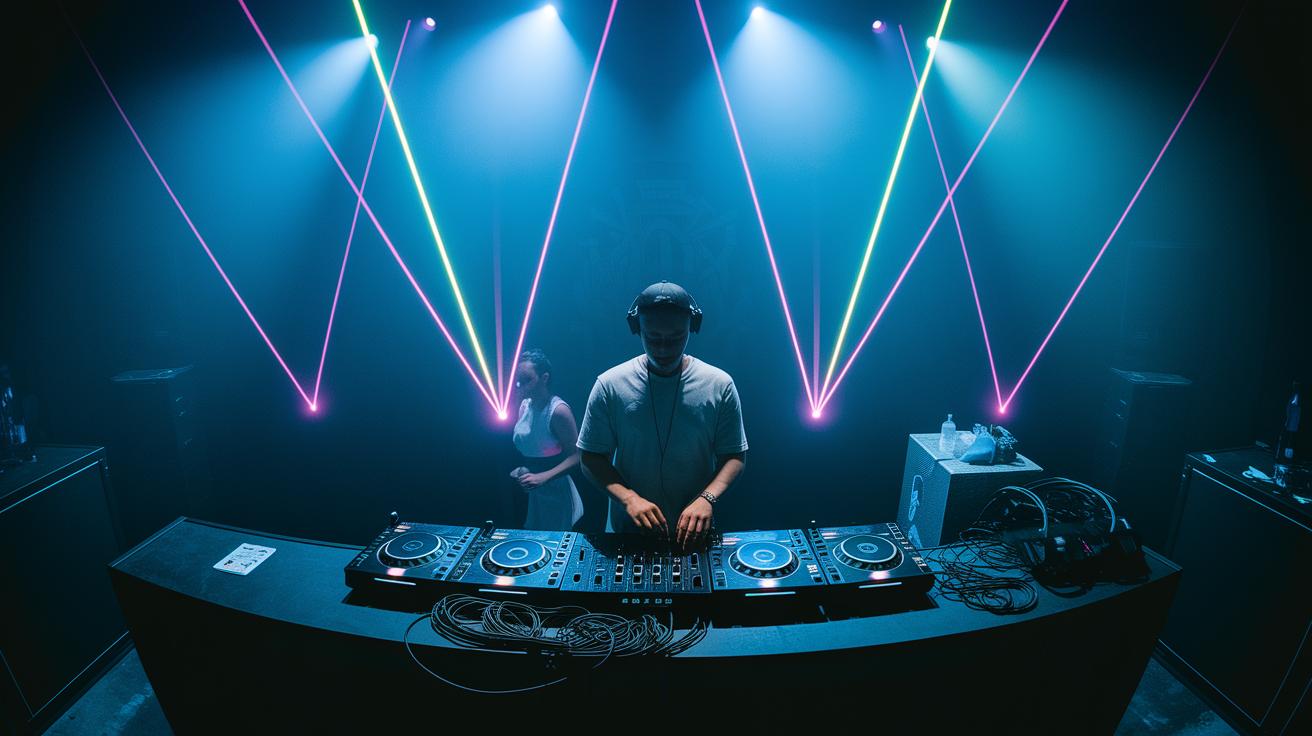
Trance was born back in the early 1990s when German techno teamed up with British hardcore. Its beats usually run between 128 and 150 BPM, and the music is all about long build-ups followed by those heart-pounding drops. Imagine being in a club, watching the beat slowly rise until it crashes into an electrifying burst that makes everyone move. It’s the magic of trance, a mix of steady rhythms turned into a pulse-driven journey.
This genre isn’t one-note; it splits into several cool substyles, each with its own flavor for the dance floor. Goa Trance offers a trippy vibe, like a beach party at sunset, with layers that shimmer in the light. Hard Trance brings a tougher, industrial beat that pushes the energy higher, while Progressive Trance serves up feel-good melodies that might remind you of Tiësto or Armin van Buuren. Then there’s Psychedelic Trance, which layers intricate synth sounds to create a surreal, almost out-of-this-world feel, and Tech Trance, known for its complex, unexpected textures that keep you on your toes.
Trance is always changing. Its rich past meets bold new sounds that keep dance floors buzzing around the globe. Every new wave respects the roots of trance while boldly exploring fresh beats, making sure the vibe stays both familiar and excitingly new.
Drum & Bass, Jungle & Dubstep Bass Dynamics in Electronic Music Genres
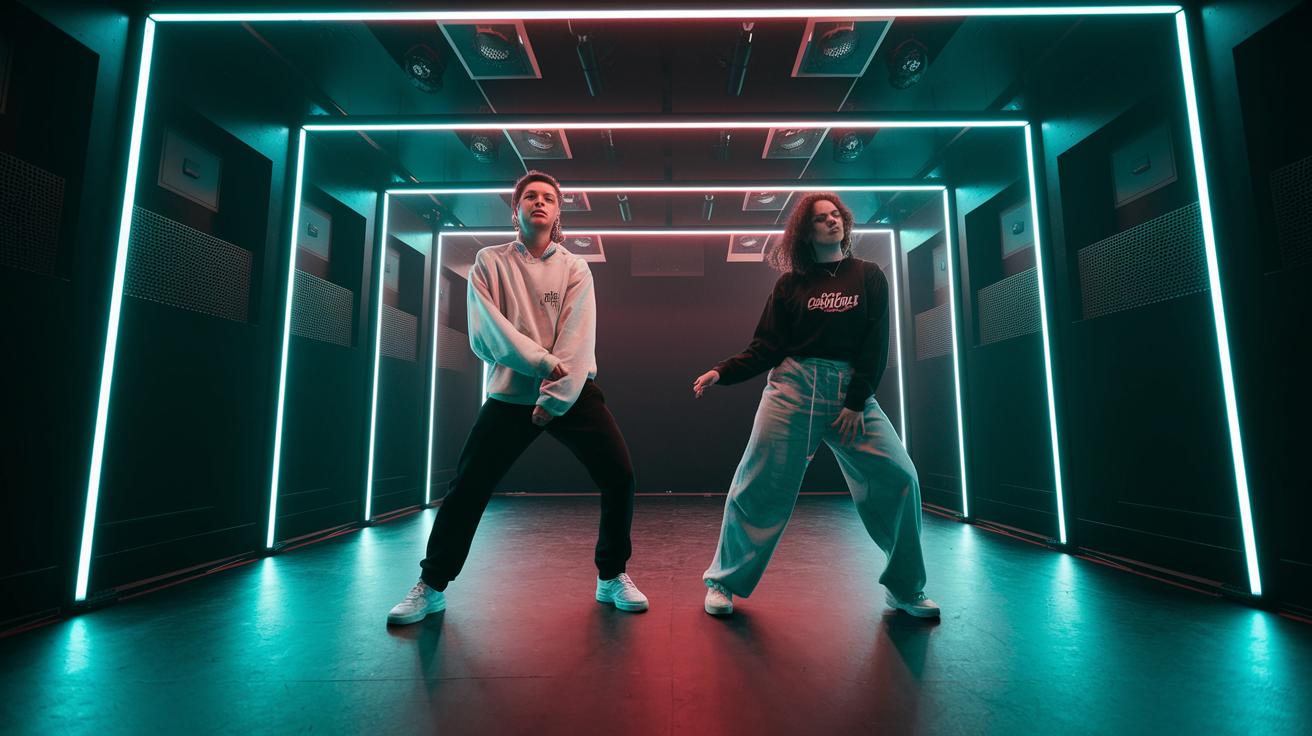
In the UK club scene, bass-driven sounds spark a lively energy that fills every room. Imagine stepping into a club where deep, rumbling bass and fast-paced rhythms, from 150 to 200 beats per minute, set your heart racing. Drum and Bass delivers sharp, mechanical beats that ripple through the crowd, while Jungle wraps those beats with a reggae twist for a raw, earthy vibe.
Dubstep, which grew up in South London, focuses on heavy bass and fresh sound design. It has branches that range from classic, deep grooves to tougher, rock-like energy. Each style has its own beat that keeps the pulse of electronic music alive and thriving.
Even within Drum and Bass, there are many flavors. Some tracks have clean, precise cuts, while others melt into smooth, flowing melodies. Every subgenre brings its own charm, making the bass an unmissable part of the electronic music journey.
| Genre | Subgenre | Characteristic | Notable Artist |
|---|---|---|---|
| Drum & Bass | Tech DnB | Rapid 150-200 BPM breakbeats with precise cuts | Break |
| Drum & Bass | Neurofunk | Crisp, futuristic tones with complex bass lines | Noisia |
| Drum & Bass | Liquid | Smooth melodies blended with flowing rhythms | London Elektricity |
| Drum & Bass | Jump Up | Bold, energetic beats crafted for maximum impact | DJ Hazard |
| Drum & Bass | Dancefloor DnB | Optimized club beats for high-energy performances | Dimension |
| Jungle | Ragga | Breakbeats infused with reggae elements for a rugged vibe | Congo Natty |
| Dubstep | Classic Dubstep | Deep sub-bass rooted in garage, dub, and reggae | Skream |
| Dubstep | Tear Out | Mid-range aggression paired with punchy drops | Tear Out |
| Dubstep | Brostep | Rock-infused energy with metal-like impact | Skrillex |
| Dubstep | Deep Dubstep | Returns to original roots with immersive, deep bass | J Kenzo |
Garage and Hardcore Movements in Electronic Music Genres
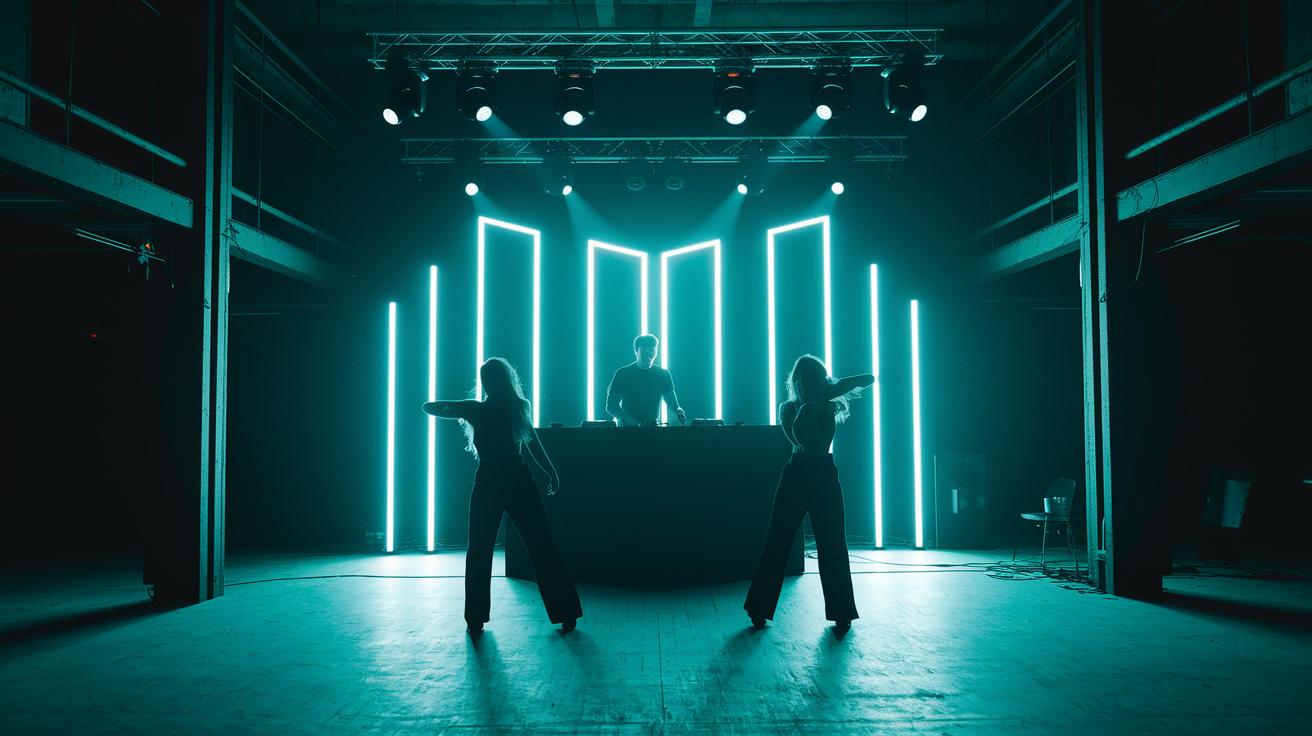
Garage music started its journey back in New York at the famous Paradise Garage during the late 1970s and early 1980s. It was raw, fun, and full of soul. Later on, UK Garage picked up that spark and mixed in shuffle rhythms and smooth, soulful vocals. Think of it like a simple beat being turned into pure dancefloor magic. Artists such as Craig David and Ms. Dynamite played a big part in shaping this sound, while twists like Speed Garage and 4×4 substyles brought even more energy, much like the bold styles of Todd Edwards and Double 99. Over time, a style called Bassline added deep, punchy drops, and Grime emerged, mixing streetwise rap with those catchy beats. What started as a local club vibe grew into a global movement, pulsing with urban energy that you can almost feel.
Hardcore, on the other hand, is all about pushing limits with intense beats and crazy-fast tempos. Born in 1990s Rotterdam, Gabber brought a storm of extreme speeds and raw sounds that really tested your stamina. Then there’s Happy Hardcore, which flips the script with its uplifting and energetic beats, making you want to move and smile at the same time, as seen in the work of Force & Styles. And let’s not forget Hardstyle – a festival favorite that runs around 150 BPM. Its pounding rhythms and powerful drops create an electrifying atmosphere where every beat lights up the dancefloor. It's a wild ride that captures the true spirit of live music energy.
Ambient, Electropop & Experimental Frontiers in Electronic Music Genres
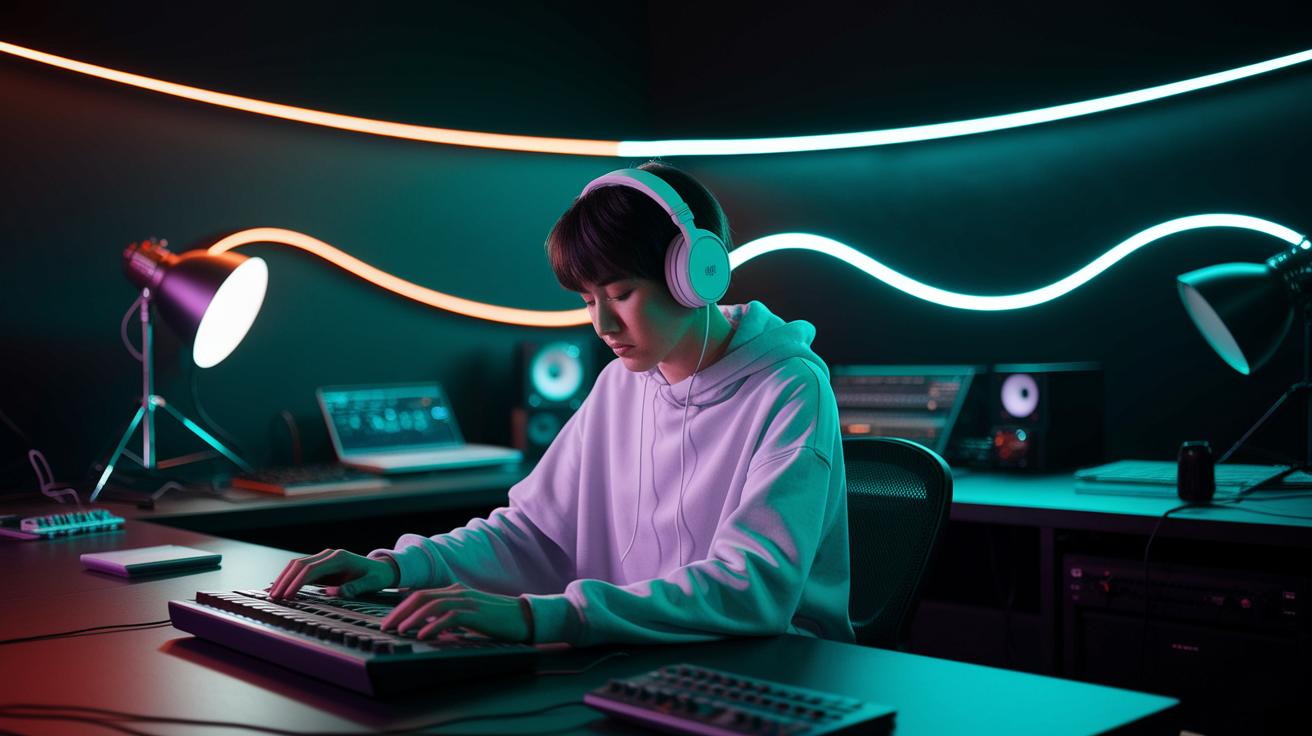
Ambient music took off as a game changer in sound design, largely thanks to pioneers like Brian Eno who turned the music world on its head. It’s all about crafting a mood with rich layers and subtle hints of sound instead of relying on catchy beats. Picture yourself closing your eyes and letting a soft, evolving soundscape pull you into a space of calm and deep reflection.
Electropop and IDM brought fresh energy to electronic music. Early electropop mixed fun, catchy pop tunes with cool digital sounds straight out of the 1980s, making music that felt both familiar and excitingly futuristic. Meanwhile, IDM opened up a creative playground where artists play with digital glitches and offbeat rhythms to make tracks that truly challenge how we listen.
Glitch, synthwave, and chillwave have all set up their own unique corners in the music scene. Glitch toys with unexpected digital hiccups, crafting soundscapes that keep you on your toes. Synthwave, with its retro 1980s flair, reminds us of neon lights and a vintage, futuristic vibe. And chillwave wraps up the mix with a warm, lo-fi feel that’s like a gentle, daydreamy afternoon. Each style invites you to explore a range of emotions, from quirky surprises to nostalgic comfort.
Final Words
In the action, we traveled through the exciting world of electronic music genres. We explored how basic beats laid the foundation for house, techno, trance, drum & bass, and more. Each section showcased the creative pulse behind these sounds. The discussion moved through innovative subgenres, celebrating everything from ambient vibes to energetic club rhythms. It all paints a picture of music that’s lively and ever-changing. The future is bright, and the beats keep rolling on a high note.


