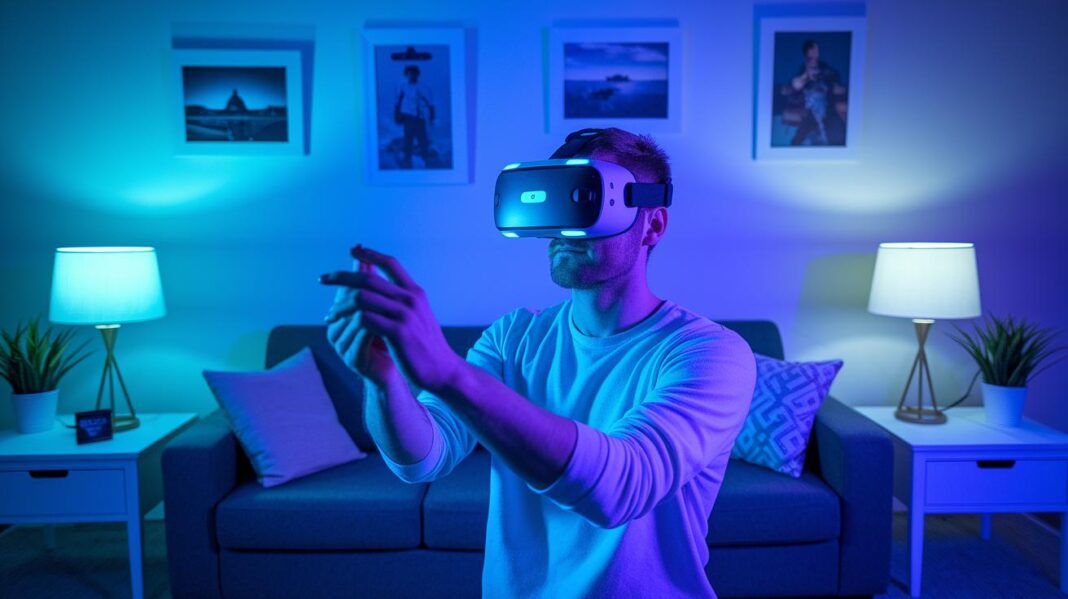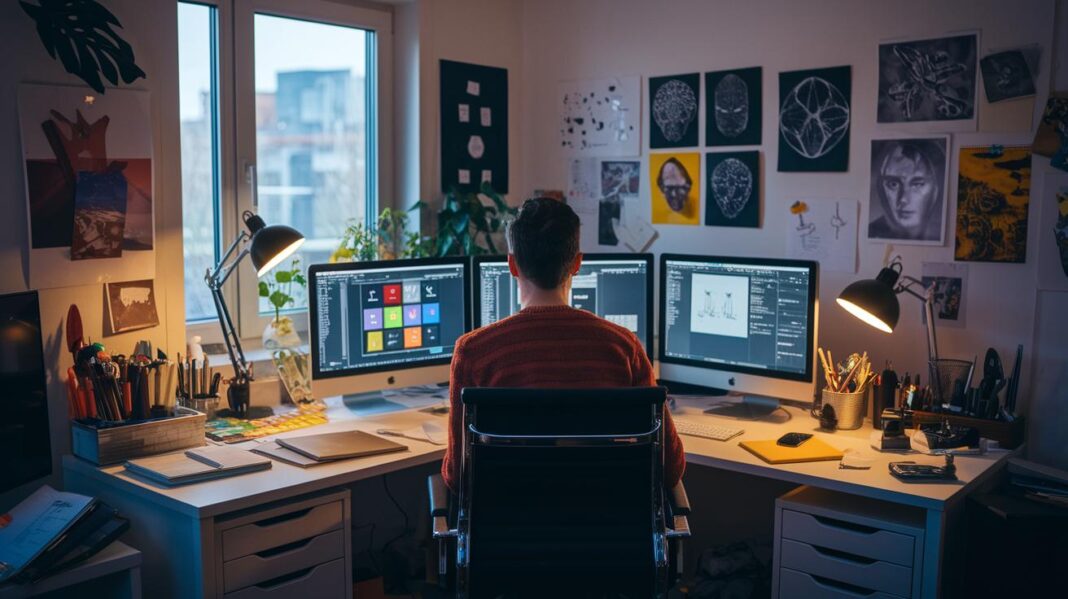
Ever thought your screen could come alive and tell you a story? Digital narrative design mixes art and technology to create an experience that changes with every click. It turns colors, sounds, images, and interactive moments into creative adventures that feel personal and full of surprises.
In this post, we explore how simple tools combined with creative storytelling can bring visuals to life. Imagine every click sparking moments of interactive brilliance that completely transform your digital world.
Principles of Digital Narrative Design: Core Integration of Story and Technology
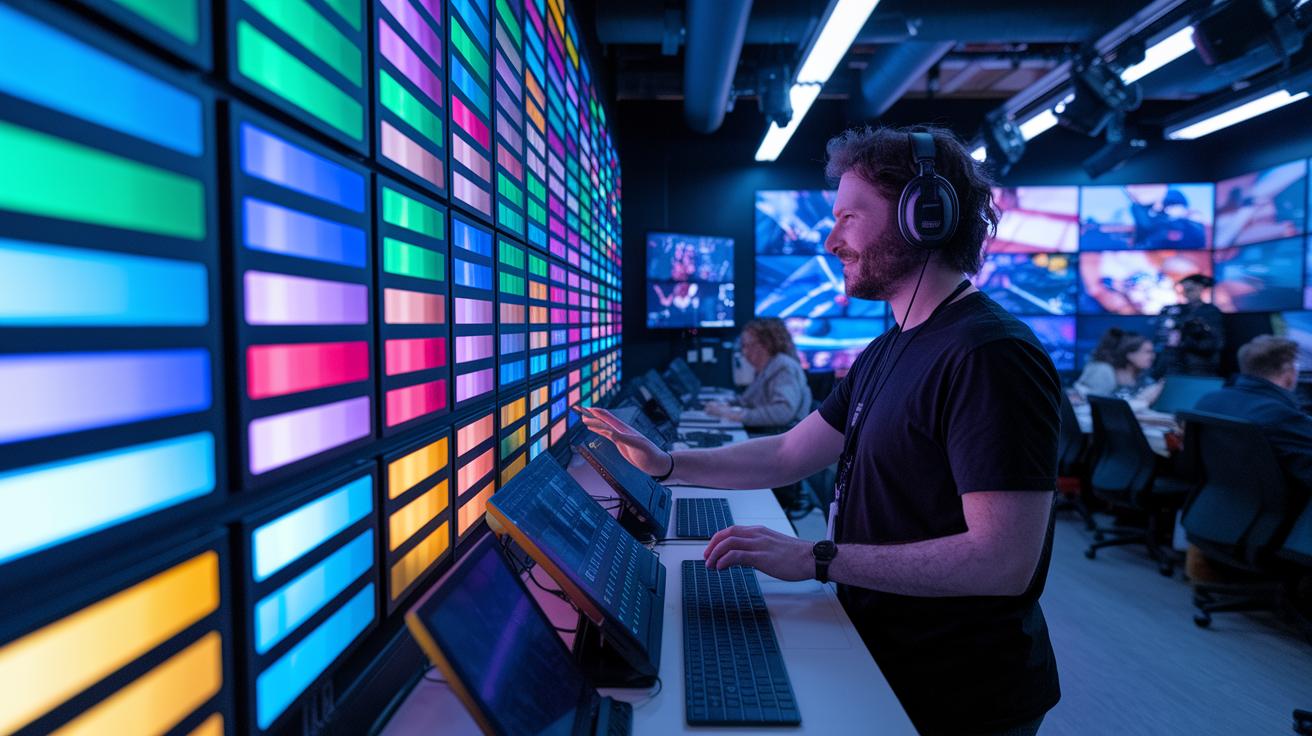
Digital narrative design is a cool mix of storytelling and technology that creates interactive stories across many screens. It blends videos, images, sounds, and graphics to build experiences that feel fresh and engaging. Think of it like a live show where the buzz of a performance meets the magic of hand-crafted digital art, all coming together under one creative vision.
Start with a catchy line, such as "Picture the moment when a digital pulse lights up your screen, pulling you into a secret world of color and sound." A single, vivid idea like this can spark an entire narrative, weaving creative visions with easy-to-understand tech tools. And it's not just about fun, it also invites you to join the story and even make a difference.
Creators borrow ideas from digital media arts (digital media arts) to set up a clear plan where every digital element has its role. All those sounds and images work together like a living tapestry, with every click and hover feeling important. In truth, it’s this blend of art, technology, and user involvement that makes modern digital storytelling so exciting and interactive.
Digital Narrative Design Ignites Interactive Brilliance

When interactive story creation steps in, it brings a digital tale to life that’s always changing and evolving. Instead of just a static story, you’re invited to join in a world that grows with every live review and quick tweak. Think back to the 2022 Creative Arts Fellowship, there, "The Counsel in The Cave" transformed right before our eyes during live sessions and hands-on prototyping. In one live session, a simple narrative tweak even opened up a whole unexpected plot branch that changed audience participation completely!
The magic of interactive plot development lies in clear frameworks and effective branching. Developers set up different narrative paths, letting characters and twists respond directly to user choices. They plan out detailed branches, run small workshops to test the ideas, and always welcome mentor feedback for a fresh take.
Using easy, accessible tools, creators mix technology with creative energy, bringing these stories to life with simple programming techniques. With real-time feedback to fine-tune the experience, the resulting narratives feel both memorable and engaging. It's a blend of smart strategy, responsive tech, and heartfelt storytelling that turns digital content into an interactive experience loved by both creators and fans.
Visual Storytelling and Multimedia Techniques in Digital Narrative Design

Visual storytelling brings art and tech together so every image and animation speaks its own language. It’s like you’re stepping into a scene where every detail has its moment, lighting up the story.
Take Adobe Photoshop, for example. Most creative pros rely on it to craft vivid, bold visuals that capture your eye, imagine a city skyline bursting with color, each hue whispering a part of an unfolding tale.
Then there’s Adobe Illustrator, which designs crisp vector graphics that never lose their charm, no matter how big or small they get. Adobe InDesign works its magic on digital magazines and interactive PDFs, making page layouts feel as natural as a painted masterpiece.
When it comes to video, Adobe Premiere Pro weaves together clips, flat visuals, and music so that every frame builds a little more excitement. And Adobe After Effects adds that extra spark with smooth motion graphics that keep the story flowing beautifully.
In the end, using these interactive tools transforms basic visuals into an immersive experience that not only dazzles the eyes but also stirs the heart. It’s like being part of a live show, a vibrant mix of detailed scenes and rhythmic transitions that makes you feel like you’re right there in the moment.
Narrative Structure Analysis and User-Driven Development in Digital Narrative Design
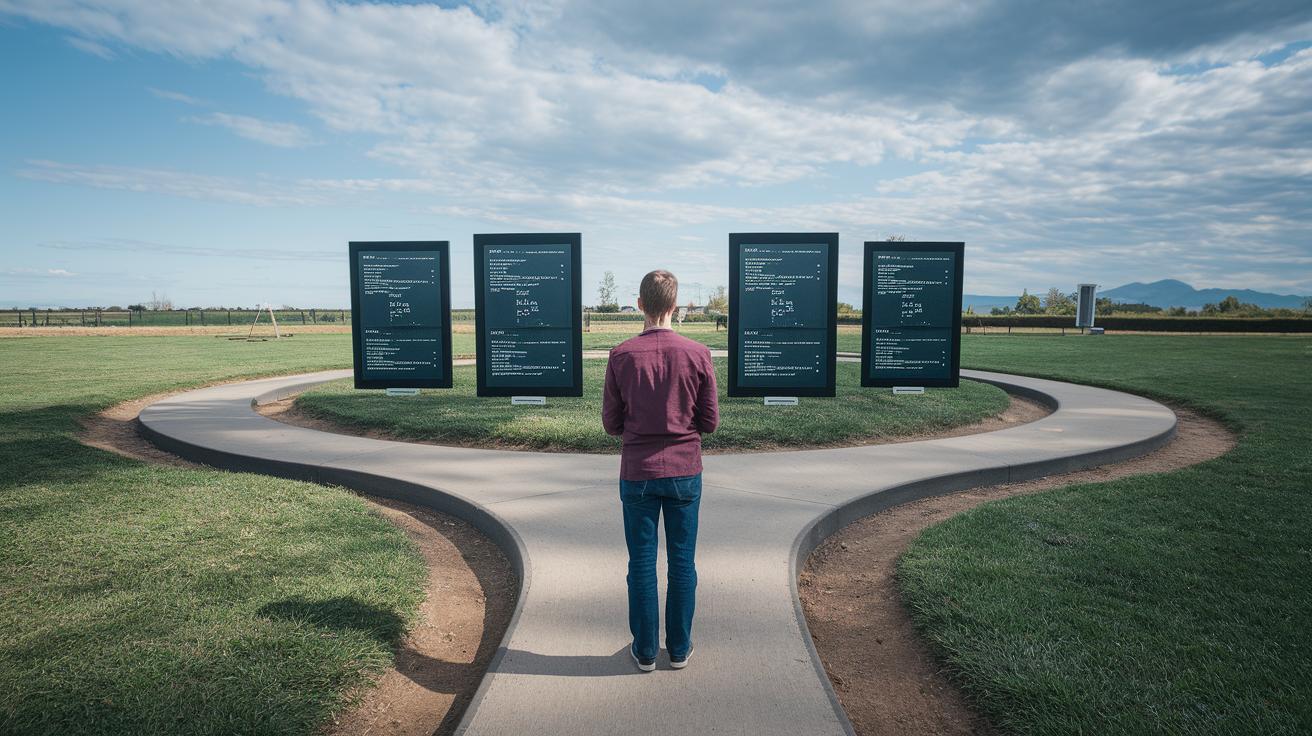
Digital narrative design is all about building interactive stories that let you steer the action. It gives you a chance to make choices that change the story, much like adding a new color to a painting. Imagine a scene where every decision you make shapes the tale in real time.
Creators use simple branching paths so that at key moments, you decide which road to take. One moment, a character reaches a crossroads, and with your choice, their journey can change completely. It’s like watching a live concert where every note you tap changes the melody.
Behind the scenes, story systems adapt based on your choices. Creators map out each decision and plot twist step by step, ensuring that every turn feels exciting and personal. The design makes the story feel alive and unique with every action.
The process starts with setting clear rules for each branch of the story. Then, during live sessions, they test each path to see how you respond. With feedback flowing in, the experience gets improved little by little, making each story a rich tapestry woven by every participant.
Cross-Platform Adaptation in Digital Narrative Design

When you’re telling stories across web, mobile, AR, and VR, every pixel counts. It’s a bit like wearing your favorite jacket that always fits, even when the weather changes. One cool example: a bustling city scene might turn into a smooth, swipe-friendly tale on your phone while keeping its fun interactive vibe on a tablet.
Designers use smart techniques that let each element adjust to any screen size without missing a beat. They create reusable graphics and animations that can jump from one platform to the next. Think of it like turning a detailed mural into a vibrant sketch that still packs a punch, no matter where you see it.
Creators also pay attention to how you interact on different devices. Whether you tap on your phone or click on your computer, every action is set up to keep the story flowing naturally. This way, the digital adventure feels just right wherever you are, making every moment as exciting as the next.
Emerging Trends and Innovation in Digital Narrative Design

Digital storytelling is booming, changing the way we share interactive stories. Certificate programs and hands-on Adobe training are blending art with smart tech, sparking fresh ideas that mix cool AI personalization with classic narrative methods.
AR storytelling brings a whole new level of fun by placing interactive visuals right into our everyday scenes, while VR lets us jump straight into immersive worlds. These experiences are getting more detailed and engaging, making you feel like you're really part of the scene. It’s a bit like watching your favorite movie come to life around you.
Every new tech twist fuels more creative ideas. Creators are experimenting with ways to mix audience insights with AR and VR, opening up spaces for personal interaction. Thanks to these exciting innovations, digital narrative design is evolving into a vibrant, interactive art form that keeps surprising us.
Final Words
in the action, we saw how interactive storytelling, visual techniques, and adaptable narratives pull us into a world where tech meets tale. The post broke down each element, from blending rich media with user-driven plots to transforming content across screens. It even spotlighted breakthrough trends that promise ever-more engaging experiences for digital enthusiasts. This blend of creativity and tech keeps the spark alive in digital narrative design, leaving us buzzing with excitement for what comes next.
FAQ
Q: What is a digital narrative and interactive design?
A: The digital narrative means combining digital elements and multimedia to create stories that pull in the audience. Digital narrative design adds interactive features to let users help shape the story.
Q: How do you create a digital narrative?
A: Creating a digital narrative means planning your story and then mixing digital content—like images, video, and sound—with interactive choices that invite audience input at key points.
Q: What digital narrative design tools and courses are available?
A: Digital narrative design includes specialized software for multimedia editing and several online courses that teach creative storytelling techniques and interactive design frameworks.
Q: What study options does the University of Pittsburgh offer in digital narrative design?
A: The University of Pittsburgh provides a range of programs through its Dietrich School of Arts and Sciences, Swanson School of Engineering, School of Computing and Information, and other colleges, allowing flexible academic paths.
Q: What career opportunities exist in digital narrative and interactive design?
A: Careers in digital narrative design let you work in interactive media, multimedia production, and content creation, where you combine storytelling skills with technology to engage users across digital platforms.