
Ever noticed how some brands get you chatting instead of just talking at you? When you flip a regular campaign into a lively conversation, it feels like you’re part of a fun game. Think about joining in on quizzes and surveys that pull you in, making you feel like a true insider. This post breaks down how bringing interaction into your campaign can boost your connection with the crowd and make your brand feel like a good friend inviting you on a cool digital adventure. Ready to see how it all clicks together?
Core Components of an Interactive Campaign Strategy

Interactive marketing is all about real conversation. Rather than just blasting one-way messages, today’s campaigns spark genuine back-and-forth chats between businesses and their fans. Imagine starting with a fun fact like "When brands invite direct responses from customers, engagement rates can double." This type of dynamic exchange builds trust and makes everyone feel part of the conversation.
Understanding your audience is like going on a treasure hunt. Each survey or quiz uncovers clues about what excites your followers and what they need most. By digging into their challenges and motivations, you create customer profiles that guide your messaging exactly where it needs to go.
Mixing creativity with a clear focus on making results happens when you blend eye-catching visuals and storytelling with smart, data-driven planning. This powerful combination not only grabs attention but also leads your audience to take action. The result? A campaign blueprint that feels as exciting and engaging as your favorite live show.
Designing Engaging Audience Tactics for Your Interactive Campaign Strategy
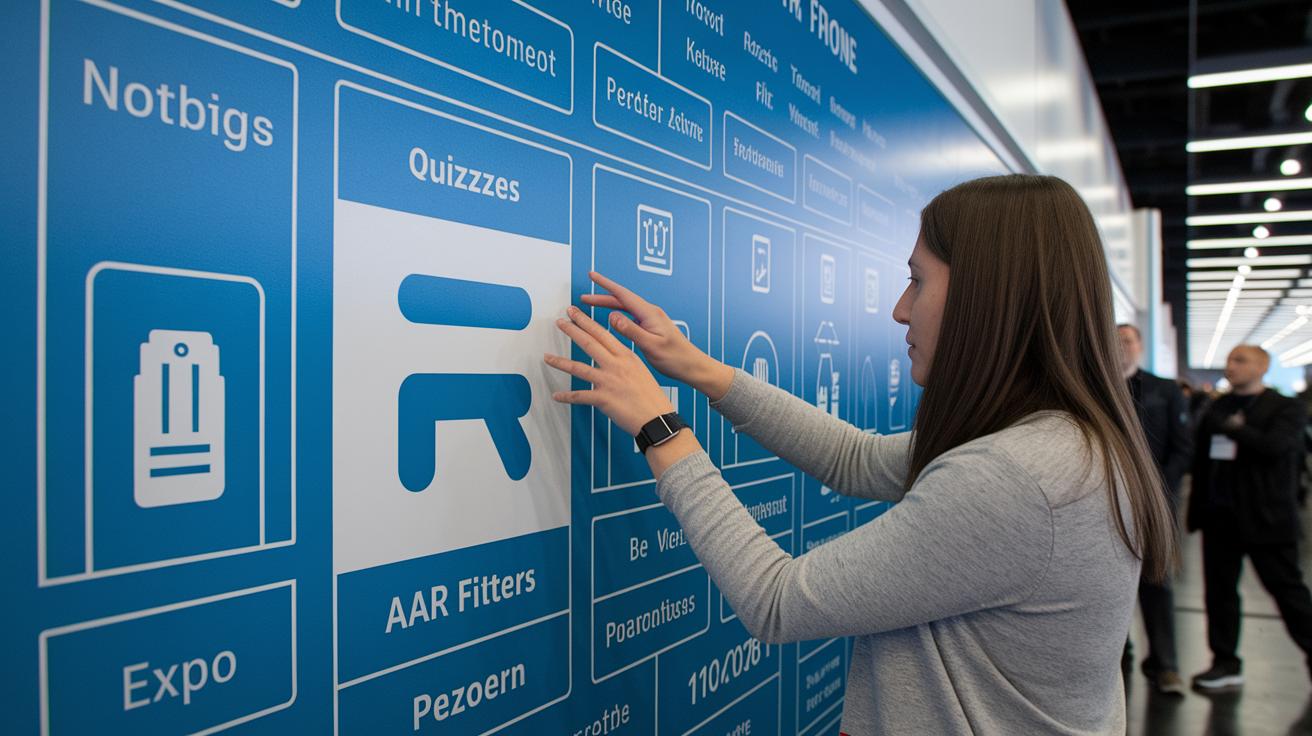
Imagine turning a static display into a buzzing, interactive experience. When you add fun elements like quizzes, videos, or even cool AR filters, you're inviting people to dive right into the vibe of your campaign. It's like handing them the remote control in their own adventure, every click makes them feel more connected to your story.
Here are some fresh ideas to try:
| Tactic | Description |
|---|---|
| Quizzes | Make visits longer while discovering what excites your audience most. |
| Surveys | Collect direct feedback so you can tune your offerings perfectly. |
| Interactive Videos | Let viewers choose what they want to explore, turning demos into hands-on experiences. |
| AR Filters | Show off products in a fun way, imagine trying on gear virtually right at home! |
| Chatbots | Provide real-time help with a friendly touch, guiding users without any fuss. |
The secret is really understanding what your audience likes. Experiment with these ideas and keep an eye on what grabs their attention the longest. In truth, mixing creative storytelling with live data feels as natural as chatting with a friend. Adjust your moves based on their reactions, and soon you'll be crafting experiences that stick in people's memories.
Integrating Real-Time Analytics & Dynamic Conversion Planning in Interactive Campaign Strategy
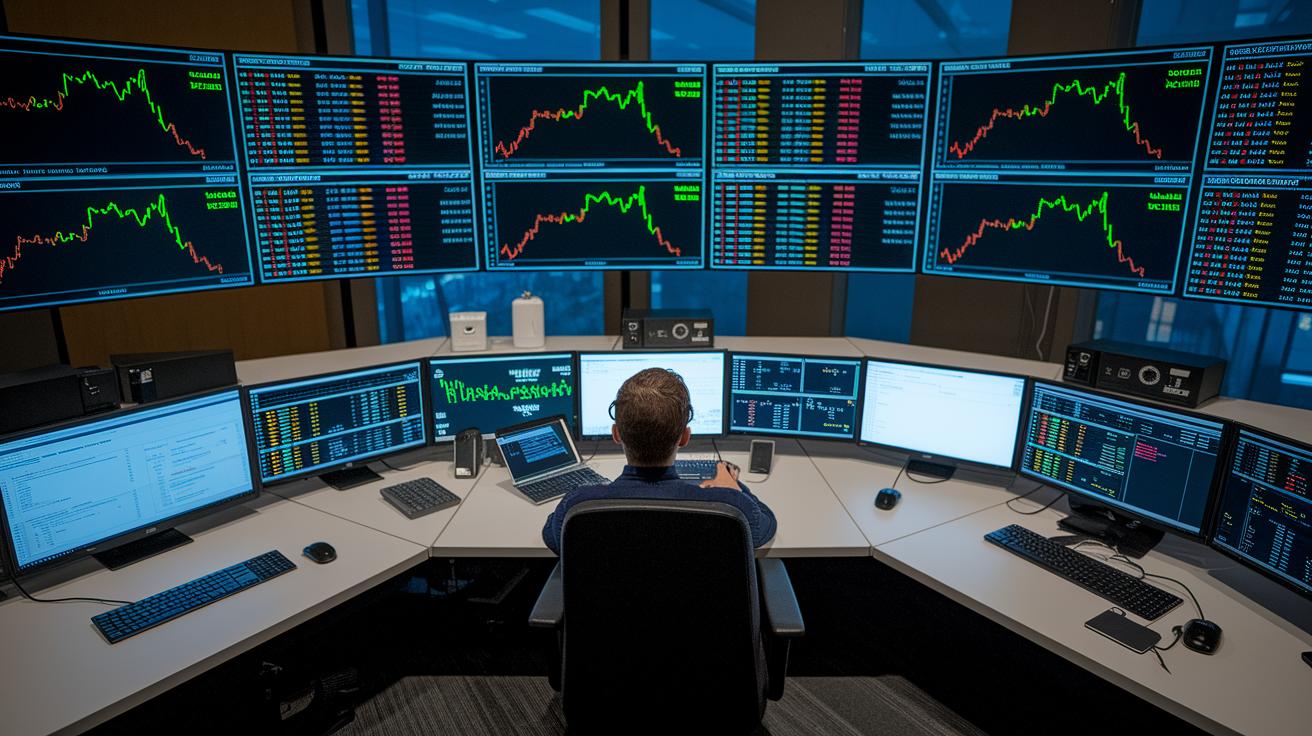
Interactive campaigns come alive when you track what people actually do. By watching how long users stick around, how many complete the experience, and how many take action, you get a clear picture of what makes them click, sign up, or buy. For instance, users often hang around interactive pages twice as long, and personalized features can boost their buying interest by up to 80%. This makes real-time analytics a real game-changer.
Linking your digital touchpoints to your conversion goals is a smart move. With a simple dashboard, you can switch up your creative ideas and plans on the fly. It’s like having a control room right in the heart of your campaign where every tap and click matters. Consider these key metrics:
| Metric | Definition | Target |
|---|---|---|
| Dwell Time | The average time users spend on interactive content | Double the usual time |
| Completion Rate | The percentage of users completing the interactive experience | Over 60% |
| Conversion Rate | The ratio of users taking a key action, like signing up or buying | Twice the rate of traditional ads |
A dashboard that brings these numbers together is like a real-time lab for insights. It helps you fine-tune your campaign step by step, turning raw data into actionable ideas that boost engagement as your campaign unfolds.
Leveraging Immersive Digital Outreach & Experiential Branding in Your Interactive Campaign Strategy

Imagine an experience where digital tech makes your campaign pop. Using AR and VR gives your story a fresh twist. AR, for example, lets someone grab their smartphone and see more about a product or even try on new accessories at home. It’s like having a mini dressing room in your pocket where each scan shows cool extra details to help you decide. VR, on the other hand, creates a fully digital space that feels as real as a live concert, letting you step right into the brand’s world. When you mix these with fun game-like features or live broadcasts, every moment turns into an unforgettable adventure with the brand.
Now, think of blending these digital delights across social media, email, your website, and apps. It’s like starting a never-ending chat with your audience no matter where they are. Picture getting an email that cleverly links to an interactive demo online, while a social post hints at a live event. All these touchpoints share the same easy look and message, making everything feel connected. By uniting these elements, you create a seamless experience where every interaction is a chance to excite, engage, and inspire your audience.
Building Custom Feedback Engines & Gamified Participation Modules in Interactive Campaign Strategy

When running a cool campaign, surveys, polls, and live votes are what keep things humming. They work like a quick chat with your audience, letting you know what they love right away. Imagine a poll that asks, "Which product feature excites you most?" Answers like these help you see what’s hot and let you change things on the fly so everyone feels heard.
Adding gamified elements like points, badges, and leaderboards turns the experience into an interactive game. Think of it like a fun quiz where you earn digital prizes that add up as you go. It’s a bit like having a friendly contest at your local fair, where you track your score on a lively leaderboard and enjoy interactive challenges that mix fun with smart insights.
Mixing in bonus reward rounds and immediate feedback makes your message even stronger while building a special connection with your audience. When participants score quick rewards, like extra points or special access, they get that little rush that keeps them coming back. This steady stream of rewards lets you fine-tune your campaign and keep things fresh based on what truly resonates.
Case Studies Illustrating Successful Interactive Campaign Strategies

Nike By You let fans design their own sneakers from scratch. This custom approach sparked a 12% boost in direct-to-consumer sales while lighting up social media with spirited conversations, turning customers into true co-creators. Takeaway: When you give people creative control, engagement and revenue take off.
Sephora Virtual Artist changed the game by letting users virtually try on makeup through an interactive augmented reality (AR) tool. This engaging simulation not only increased online purchases, it also made browsing feel as exciting as visiting a physical store. Takeaway: Using AR try-ons can transform online shopping into a fun, interactive experience that drives sales.
IKEA Place AR lets you see how furniture fits in your own space before buying. This innovative approach built confidence among shoppers, as they could imagine new room designs in real time. Takeaway: Virtual visualization tools help customers make smarter choices and boost satisfaction and sales.
Coca-Cola teamed up with Burger King for a creative, interactive campaign that combined personalization with AR incentives. This collaboration stirred up social buzz and shifted viewers from passive onlookers to active participants in a viral brand story. Takeaway: Mixing personalized surprises with interactive elements can spark engaging, shareable campaigns.
The big lesson? Merging creative interactivity with smart customer insights not only drives impressive results but also builds lasting connections, setting the stage for more dynamic future campaigns.
Tools & Best Practices for Implementing Interactive Campaign Strategy
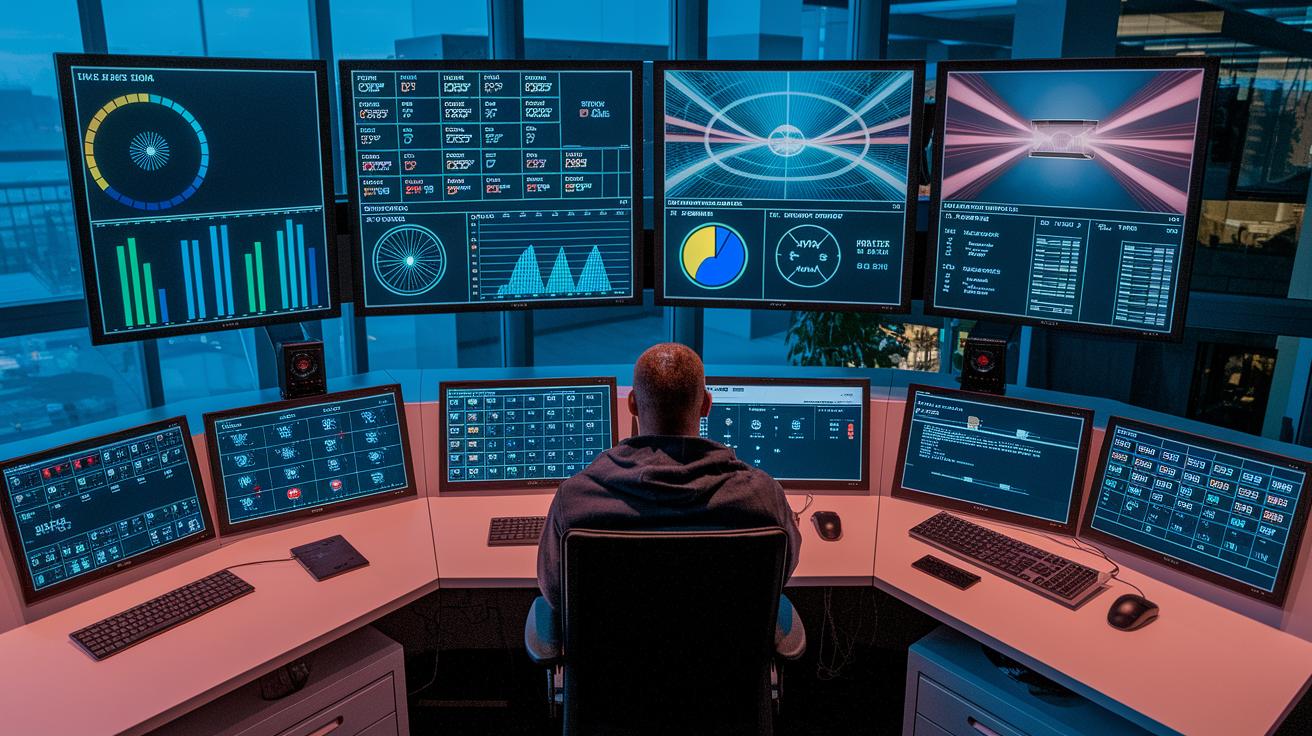
When planning your interactive campaign, having the right mix of tools is like setting the stage for a live show. Rely on interactive video platforms and AR/VR SDKs (those are tools that help blend real and virtual worlds) to create a rich, immersive experience. And if complex coding feels overwhelming, use progressive enhancement as your safety net to keep everything running smoothly.
Pair these with quiz and survey builders that grab live user insights, turning creative ideas into interactions you can actually measure. Then, mix in analytics suites and chatbots to keep you connected with your audience. Analytics tools give you real-time feedback on things like how long people stay and what actions they take, while chatbots offer friendly, instant support that feels like chatting with a pal.
Imagine it like a central control room where you see live numbers, conversion stats, and user feedback all at once. Using a centralized dashboard makes it simple to fine-tune your cross-platform launch schedule and mobile-first action plan. This is where interactive marketing platforms, like campaign software, really shine.
Here are five best practices to keep in mind:
- Focus on mobile-friendly layouts for a smooth mobile-first experience.
- Stick to clear permission protocols to meet GDPR and CCPA rules.
- Use progressive enhancement to tackle complex AR/VR challenges.
- Design simple, intuitive dashboards that offer real-time insights.
- Regularly test and adjust based on live user feedback to keep your strategy dynamic.
Final Words
in the action, we explored the power of two-way communication and creative audience engagement in an interactive campaign strategy. We mapped out clear audience needs, blended vivid digital experiences with data-backed conversion planning, and highlighted real-time insights that drive live, participatory experiences.
We looked at innovative tools, smart tactics, and even real-life examples that prove how interactive campaign strategy elevates digital content. Enjoy shaping these ideas into memorable moments and keep the excitement alive at every step.
FAQ
What is an interactive marketing strategy and what are interactive campaigns?
The interactive marketing strategy uses two-way communication to turn passive ads into lively, engaging experiences. Interactive campaigns implement this approach by actively inviting audience participation.
What does an interactive campaign strategy template or example include?
An interactive campaign strategy template outlines a plan that identifies audience needs, uses creative content, and sets measurable, conversion-focused goals. An example might show how to blend design with data to engage users.
What are types of interactive marketing and interactive strategies?
Types of interactive marketing involve formats like quizzes, surveys, interactive videos, AR experiences, and chatbots. These approaches let brands connect with users dynamically through creative, two-way interactions.
How does interactive marketing create customer value?
Interactive marketing creates customer value by engaging users in personalized, two-way interactions. This boosts user involvement, gathers useful insights, and builds experiences that drive higher conversion rates.
Why is interactive marketing important?
Interactive marketing is important because it converts one-way ads into engaging experiences that capture attention, extend visit durations, and provide valuable insights, ultimately helping brands achieve measurable growth.
What is the IMC campaign strategy?
The IMC campaign strategy combines integrated marketing communications with interactive elements. It merges creative designs and audience insights to deliver engaging experiences across channels that drive participation and conversions.