
Have you ever thought that ads could be more than just background noise? Picture this: you jump right into a campaign where you pick your own adventure, much like starring in your favorite live game. Instead of simply watching a screen, you step behind the curtain to shape every little detail. Research shows that getting hands-on keeps you interested a lot longer than the old-school ads. In our quick guide, we'll share simple tips on how interactive campaigns can spark success and build real connections with brands.
Interactive campaign best practices Ignite Success

Interactive campaigns are shaking up traditional ads by sparking lively, two-way conversations. Instead of just watching a commercial, you get to shape the experience. Imagine a campaign that lets you customize a product right on your phone, it instantly makes you part of the story. Ever thought about personalizing something before settling for a regular ad? This twist turns passive viewing into a memorable digital experience.
Interactive content isn’t just fun, it really works. Research shows that pages where you can interact hold your attention much longer than boring, static ones. When you're part of the experience, you're more likely to take action. Picture a pop-up quiz that keeps you on a site and even nudges you to try a product demo right after. That extra time builds a stronger bond with the brand while boosting conversion rates.
The real magic lies in real-time feedback and quick, data-driven tweaks. Marketers watch how you interact, then adjust things on the fly to suit your needs. For example, a campaign might include live polls or interactive games where you can instantly give your opinion. This nimble approach means every part of the campaign evolves based on what you truly enjoy, making it even more engaging.
Strategic Framework for Interactive Campaign Planning

Start off by setting clear, smart goals that tell you exactly what you want your campaign to do, whether it's turning heads with awareness, pulling in fresh leads, or boosting sales. Imagine it like drawing up a rough sketch before you start painting your digital masterpiece. Every little step, from picking out creative ideas to tracking your data, should line up with these goals. It gives you a firm base to build on.
Next, break the planning into clear phases. Begin with digging into what your audience really cares about. Let their insights spark a creative idea that's both vibrant and real. Then, sort out the tech side with careful tweaks to your setup and design. If you need guidance, check out our detailed guide on campaign planning, it’s like having a handy manual that makes sure you don’t miss a trick.
Finally, bring it all together with a smooth, integrated approach that ties every channel into one story. Whether someone catches your vibe on social media or on mobile, they get the same feel and message. This way, every part of your campaign works in sync, handling any tech bumps with ease and keeping the whole thing lively and engaging the entire time.
Creative Campaign Strategies and Dynamic Storytelling in Interactive Campaigns
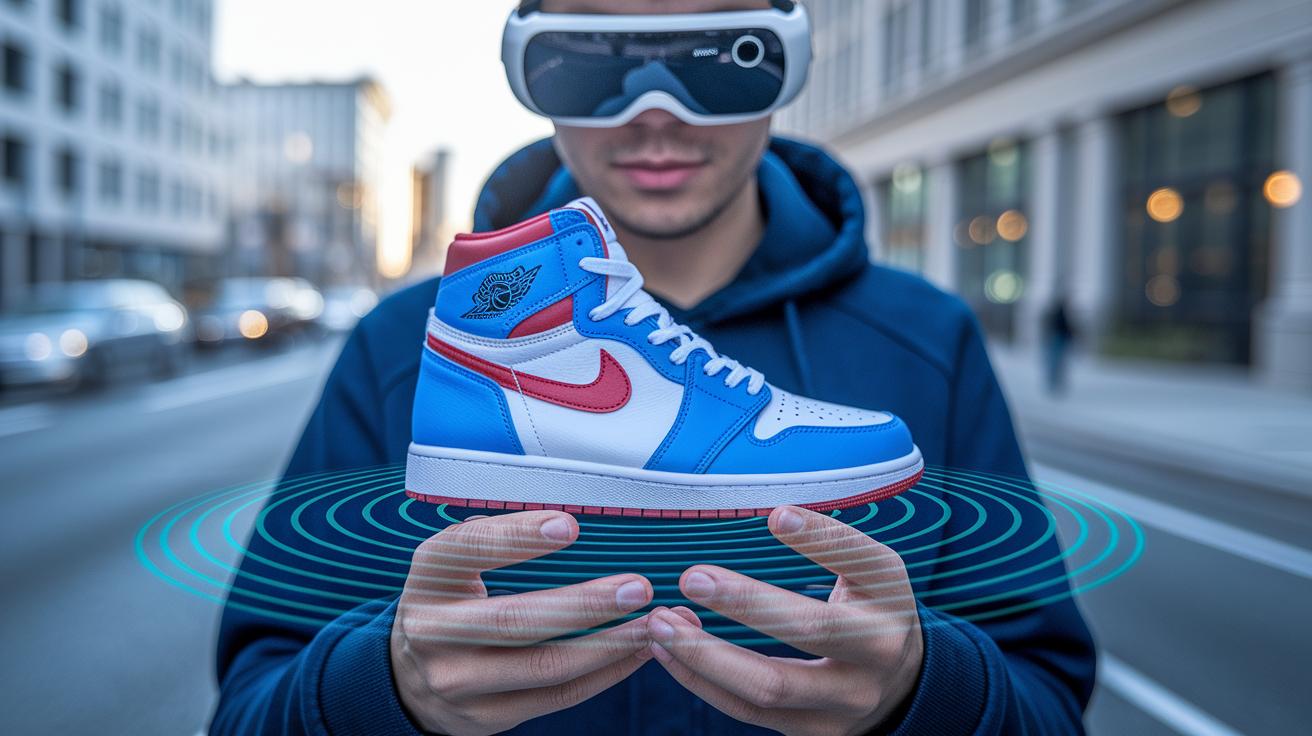
Interactive campaigns come alive when smart stories and clever hooks draw you in, making you feel like you're part of the action. These campaigns turn an ordinary ad into a mini interactive story where you get to decide how things unfold. Take Nike By You for example – it lets customers design their own sneakers so they can join in on the creative fun, which even boosted sales by 12%. And then there's Sephora Virtual Artist, a cool tool that lets you try on makeup virtually, sparking real excitement and boosting the confidence to buy.
Burger King’s Burn That Ad campaign completely changes the usual ad-viewing experience by using augmented reality. It invites you to interact in a playful way that quickly catches on and spreads buzz on social media. All these campaigns mix creative storytelling with interactive fun, turning routine interactions into moments you’ll remember and share.
| Campaign | Mechanic | Impact |
|---|---|---|
| Nike By You | Custom sneaker builder | 12% direct sales boost |
| Sephora Virtual Artist | AR makeup try-on | High pre-purchase conversion |
| Burger King Burn That Ad | AR ad-burning experience | Elevated social shares |
Leveraging Technology: Gamification, AR, and VR in Interactive Campaigns

Gamification makes campaigns fun by mixing in game-like rewards and friendly competitions. It uses simple ideas like collecting points, earning badges, and watching names climb leaderboards. Picture earning a badge after finishing a quiz, just like collecting treasure, you feel motivated to keep playing. It’s a neat trick that keeps you coming back, just like your favorite game.
AR brings an extra spark by blending digital magic with your everyday world. It layers cool digital effects on real-life scenes so you can see products in action. Imagine trying on a watch virtually or checking out how a new lamp lights up your room without stepping into a store. Some makeup brands even let you see live how different styles would look on you. It turns shopping into a fun, hands-on experience.
Then there’s VR, which transports you to a fully digital world complete with interactive details. Think of stepping into a virtual showroom where you can wander around and try out different gadgets as if you were really there. It’s like diving into a live performance where every moment feels real and memorable.
Measuring Engagement: Analytics and Performance Metrics for Interactive Campaigns

Interactive campaigns come alive with real-time tracking that catches every burst of user interest as it happens. Researchers tell us that 81% of marketers find that interactive content grabs attention a lot better than plain static pages. This means you can see exactly when visitors get drawn in and when they take the next step.
By keeping an eye on these live numbers, you’ll notice moments when users really connect with your content. It might be that brief second when they click a call-to-action or scroll past something eye-catching. With this insight, you know exactly what to tweak, maybe swapping in a different button or adjusting a design detail that keeps everyone engaged.
Key ways to measure this engagement include:
- Time on page
- Conversion rate
- Click-through rate
- Social share count
- Lead capture rate
When you match these numbers with your performance benchmarks, the picture becomes crystal clear. For instance, if visitors spend twice as long on dynamic pages compared to static ones, it’s a sign that your content really resonates. You can even spot trends, like which moments spark a purchase or drive decisions, giving you a great head start in fine-tuning your campaign as it unfolds.
Overall, comparing your data with past results or industry norms helps you see where your campaign wins and what could use a little extra boost. This simple, real-time approach not only sharpens your marketing strategy but also makes every tweak feel like a backstage pass to success.
Optimizing User Experience and Personalization in Interactive Campaigns

Responsive design is key for any interactive campaign. It makes sure that layouts, images, and text adjust on the fly, so whether you're on your phone, tablet, or computer, everything feels natural. Think of it like a stage that effortlessly changes with the performance, ensuring every detail is clear and inviting.
Personalization takes things a step further. Imagine stepping into a website that seems to "get" you, almost like your favorite coffee spot where the barista already knows your usual order. By using tools like segmentation, dynamic content blocks, and triggered messaging, brands can tailor what you see in real time, making every interaction feel handpicked just for you.
Trust is another big part of the experience. When data-consent patterns and privacy guidelines are simple and clear, like easy-to-understand signs at a fun event, you feel safe. With rules like GDPR and CCPA, brands work hard to ensure that when you decide how your information is used, you're in control. This not only keeps things on the up-and-up but also builds a genuine sense of security throughout the campaign.
Multi-Channel Execution and Integrated Approaches for Interactive Campaigns

Planning a campaign across social media, email, websites, and mobile apps means creating a unique, exciting experience for each one. On social platforms, you want bright visuals and catchy snippets that grab attention right away. Emails feel like a friendly note diving into more detail, while the website offers in-depth stories and fun interactive parts. And mobile apps? They let you keep the energy alive wherever you are.
Keeping the look and message the same across every channel is super important. When you stick with the same colors, fonts, and friendly tone, it feels like everything is working together in perfect harmony. Imagine it like a live show where a bright social video is matched by an email with clear next steps, each part building trust and familiarity, no matter where you first see the campaign.
It’s also key that everything works smoothly on all devices. As people switch from their phone to a laptop, every interactive detail needs to adjust without missing a beat. Testing on different screens helps spot little tweaks that can make a big difference. This way, whether someone joins from a social post, an email invite, a website, or a mobile app, the experience stays fluid and engaging.
Final Words
In the action, we explored how interactive campaigns turn everyday ads into lively experiences. We covered planning with clear targets, creative storytelling, and tech tools like AR and VR that boost participation.
Each section spotlighted methods to keep audiences engaged through interactive campaign best practices and real-time tweaks. Today’s insights demonstrate that smart planning, measurement, and multi-channel tactics can spark connections and add a burst of energy to every digital moment. Enjoy the next wave of shared, cutting-edge entertainment.
FAQ
Interactive campaign best practices pdf
The interactive campaign best practices pdf provides a document outlining key guidelines, examples, and steps for crafting engaging interactive campaigns. It serves as a resource for data-driven insights and audience engagement strategies.
Interactive campaign best practices examples
The interactive campaign best practices examples showcase successful digital engagement strategies, creative storytelling, and measurable tactics that drive user participation and improve conversion rates in live marketing environments.
What is an interactive campaign?
An interactive campaign is a marketing strategy that creates a two-way dialogue between a brand and its audience using digital tools. It shifts from passive ads to engaging and immersive user experiences.
Which three recommended campaign best practices?
The three recommended campaign best practices involve leveraging real-time feedback, making data-driven decisions, and incorporating dynamic storytelling to boost engagement, increase dwell time, and drive higher conversions.
Are interactive ads effective?
Interactive ads prove effective by consistently increasing user engagement, drawing more attention compared to static ads, and resulting in longer user interaction times that help drive conversion rates.
What are the 7 steps in creating an advertising campaign?
The 7 steps in creating an advertising campaign include setting clear objectives, researching target audiences, developing creative concepts, allocating resources, executing the plan, analyzing data, and refining the strategy based on user feedback.