Ever wonder what makes an interactive campaign unforgettable? Picture turning a regular ad into an experience that grabs you from the get-go, like the rush you feel when the lights hit the stage.
This guide is like a treasure map that shows you how to create campaigns that bring your brand to life and get everyone involved. It gives you clear, easy steps that turn quiet viewers into active fans who really feel the energy.
We mix cool tech with genuine storytelling to create moments that hit home. Ready to see your message shine as bright as the spotlight on your favorite show?
Step-by-Step Blueprint to Create Interactive Campaigns

Interactive campaigns are a cool way to get your audience involved with your brand. They turn onlookers into active players by mixing smart tech, clear storytelling, and both digital and real-world moments to build genuine connections. Here’s a simple roadmap to get you started:
-
Define your goals and know your audience
Start with a clear aim, like "Boost user engagement by 20%." Figure out who you want to reach and what message will truly click with them. -
Choose engaging interactive elements
Pick tools like quizzes, surveys, interactive videos, or AR experiences that fit your campaign and wake up your audience’s interest. -
Plan your interaction journey
Map out every step of your campaign. Make sure transitions between digital content, live events, and physical activations feel smooth and natural. -
Connect your channels
Decide where each part of your campaign will live, on social media, your website, or at live events, to create one seamless experience. -
Set up the right technology
Use easy-to-understand tools for real-time tracking and user feedback, such as interactive video builders or AR platforms. This helps you keep tabs on what works best. -
Launch with live initiatives
Go live and invite your audience to join in. Encourage real-time participation and gather feedback as the campaign unfolds. -
Measure results and fine-tune
Watch key numbers like engagement rates, conversion, and user responses. Use what you learn to make improvements along the way.
Every step builds on the last, forming a plan that brings digital innovation and live energy together. Follow this blueprint to create campaigns that not only catch the eye but also spark lasting connections with your audience.
Defining Goals and Audience for Interactive Campaigns

Start by figuring out what success looks like for you and who you’re talking to. Dive into research using surveys, focus groups, and social media polls to discover what really excites your crowd. For example, one customer survey showed they loved interactive challenges instead of plain old quizzes.
Next, set clear and measurable goals, think specific targets that you can hit within a set time, like boosting site engagement by 15% in three months. Tie these goals to key data points, such as ramping up visitor sign-ups with smart incentives tied to campaign milestones.
Blend your audience insights with these actionable goals to build one solid plan. Let this strategy guide your every step and adjust as feedback comes in. For more tips on how to set up your goals and plan your campaign, check out the campaign planning resource.
Keep an eye on your audience’s reactions and refine your approach to keep the campaign as fresh and engaging as possible.
Selecting Interactive Elements for Campaigns

When you’re mapping out a campaign, think about the kind of interactive bits that really pull people in. Take quizzes for instance, they’re a fun way for your crowd to learn more about your product. Imagine a quiz asking, "Which style suits you best?" It keeps people engaged longer while giving you neat insights into what they like.
Surveys are great too. They pop up after a quick interactive moment to ask what your visitors really think. This simple tool helps you match your content to what your audience cares about most.
Then there are interactive videos. Picture a video where viewers click on parts to learn more about different features. It’s like choosing your own adventure in every viewing, really personal and fun.
AR experiences add another layer of cool. Think of an app where someone can see a new decor piece in their living room before deciding to buy. This bridges the gap between browsing online and making a real-world choice.
Chatbots lend a quick hand by answering questions as they come up. And if you add live chat, it’s like talking face-to-face with a friend, deepening that connection. Just a heads-up: too many pop-ups can cramp that smooth, personal vibe.
Each of these tools can be selected depending on your campaign goals and tech needs. Picking the right one for your audience can seriously boost interest and turn a simple visit into an interactive experience.
Integrating Transmedia Storytelling into Interactive Campaigns
Imagine your campaign as a living, breathing story that spans both your digital and offline worlds. Start by outlining your main plot, a journey that guides your audience from a mysterious social media teaser to a hidden live event. Think about it like setting the stage for a surprise concert where clues pop up on your feed, inviting you into a secret adventure.
Next, keep your messaging steady across every channel. Write out your key moments and tweak them for different spots. On your website, share extra details that pull people deeper into the narrative. At a live installation, let visitors feel the story in a face-to-face way. This method helps everyone feel part of one unfolding tale rather than random, separate pieces.
Try these steps to boost your story:
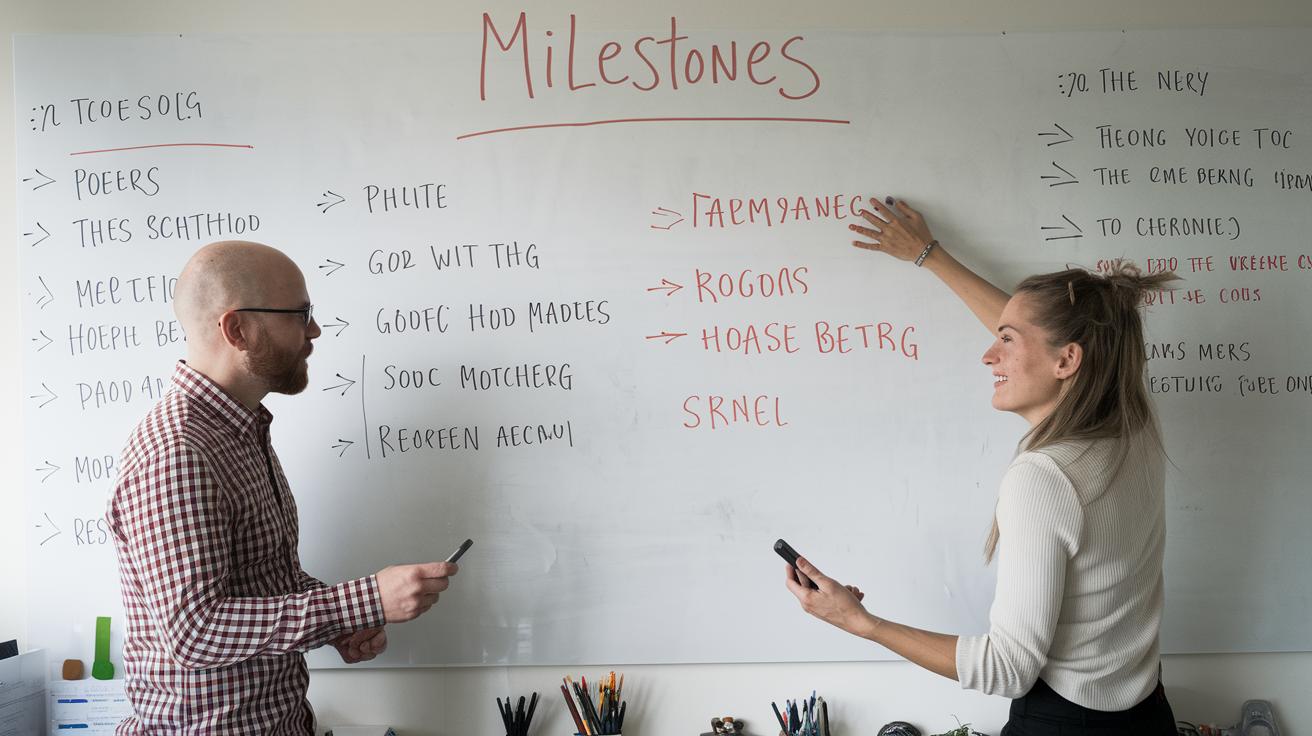
- Map out major milestones that lead your audience step-by-step through the campaign.
- Customize interactive features for each platform, giving each its own special touch.
- Time your messages so they blend together across social media, websites, and live events.
Each channel adds its own flavor to the overall story, making the whole experience richer and more engaging. In truth, this approach not only builds your brand but also turns your audience into active participants in the adventure.
Tools and Platforms to Build Interactive Campaigns
When planning an interactive campaign, picking the right tools is like setting up for a cool live show. Imagine giving your audience a backstage pass where clickable hotspots lead them into exciting, hidden corners of your content. Each platform has its own special features that help you make engaging, hands-on digital experiences.
Interactive video builders let you create fun, clickable adventures that pull viewers right in. AR SDKs help users see your products in their own space, while quiz and survey tools turn data collection into a playful interaction. Chatbot platforms offer quick, friendly chats, and modern campaign software ties everything together with smooth distribution and live tracking.
When choosing these tools, check how well they work with your current CRM, if they offer real-time data, and whether you can tweak them to fit your style. For instance, a simple hotspot saying "Click to explore" not only makes the experience more fun but also gives you useful engagement data.
| Tool Type | Example Platform | Key Features |
|---|---|---|
| Interactive Video | Vidyard | Clickable hotspots, real-time tracking, personalization |
| AR Experiences | AR Toolkit | Immersive visualization, mobile integration, design flexibility |
| Quizzes/Surveys | Typeform | Customizable forms, engaging questions, data capture |
| Chatbots | Chatfuel | Instant messaging, AI responses, multi-language support |
| Campaign Software | campaign software | Multi-channel distribution, CRM integration, real-time analytics |
All in all, these tools set you up to build interactive campaigns that really connect with your audience.
Case Studies of Successful Interactive Campaigns

Coca-Cola's Share a Coke campaign in 2011 brought a personal touch to everyday bottles by printing individual names on them. This clever idea not only pushed sales up but also set social media abuzz. Imagine scrolling through your feed and seeing a tweet that snagged 964 retweets and over 4,600 favorites, proof that a little personalization can spark serious excitement.
Oreo turned a simple cookie into an adventure with their Great Oreo Cookie Quest in 2018. Picture an app that drops new clues every day, inviting you to scan items and rack up points. This blend of digital fun and real-world discovery created a story that kept everyone coming back to share progress and feel part of something special.
Burger King got playful in 2019 with its Burn That Ad campaign. Instead of just watching ads, users could digitally "burn" competing ones, turning a regular ad break into an interactive game. It was all about sparking direct engagement and lively chatter online, giving the brand a fresh, edgy vibe.
Wendy's stepped into the gaming world in 2019 by teaming up with Fortnite. By weaving viral in-game actions into the mix, they transformed a familiar digital hangout into a buzzing space for promotions. It was fun, unexpected, and truly caught the eye of gaming enthusiasts.
Taco Bell's 2020 Snapchat campaign, Taco Gifter, added a twist by introducing an AR lens that let users send animated tacos to friends. This fun feature quickly became a favorite among younger audiences, as it created shareable moments that spread like wildfire. Meanwhile, Domino's Piece of the Pie Pursuit mobile game from 2018 lured players with six engaging levels and free pizza rewards, turning a simple game into a deliciously interactive experience.
Other cool examples include Nike's Reactland virtual run in 2018, which made trying out products feel like a playful challenge, and LEGO Life from 2017, a safe, creative social network that got kids excited with contests. Then there’s HBO's Alexa-powered Westworld: The Maze and Netflix’s interactive film Black Mirror: Bandersnatch from 2018. Each of these projects redefined storytelling by inviting you to get involved, making the experience feel truly immersive.
Best Practices for Implementing Interactive Campaigns

Start by honing in on that unique twist that makes your campaign stand out. Think of it as your special spark that grabs attention and keeps people coming back.
Next, ensure your interactive features work smoothly on all mobile devices. Try out your mini game on different phones to be sure everyone gets a seamless, fun experience.
Then, team up with your creative, tech, and analytics folks. A quick 10-minute catch-up before launch can help confirm that every interactive element is set and ready to go.
Measuring Performance of Interactive Campaigns

When you roll out a cool interactive campaign, it’s all about keeping an eye on what really matters. Start by watching basic numbers like clicks, shares, how long visitors stay on the page, and whether they finish your quizzes or videos. Imagine a mini-survey popping up right after a video wraps up, it tells you if people are sticking around for the full experience.
Then, check out click-through and conversion rates along with how much user content you get. Ever heard of A/B testing? It’s like having two versions of a banner and seeing which one sparks more interest. For example, one banner might score 25% more clicks than the other, showing you exactly what your audience enjoys best.
Next, use live analytics to catch shifts in behavior the moment they happen. This lets you make quick tweaks, kind of like adjusting the tempo of a live show based on the audience’s vibe. It keeps your campaign fresh and in tune with what people want.
Finally, gather these numbers and set benchmarks so you can fine-tune your campaign over time. Every piece of feedback helps you craft smarter interactive elements, making sure each insight builds toward a more engaging and entertaining experience.
Final Words
In the action, the article broke down a clear blueprint, setting goals, choosing interactive elements, weaving engaging stories, selecting reliable tools, examining real-life examples, and tracking performance. Each section offered practical tips to help you shape a bold interactive campaign.
Every step aims to guide you on how to create interactive campaigns that spark genuine connection, boost engagement, and invite shared experiences. Take these insights and embrace a future filled with creative, immersive fun.
FAQ
How to create interactive campaigns on social media
Creating interactive campaigns on social media involves choosing engaging elements like quizzes, live chats, and polls that prompt audience responses and foster deeper connections with your brand.
How to create interactive campaigns on Instagram
Building interactive campaigns on Instagram means using features such as Stories, interactive polls, and Q&A sessions so followers can participate actively and feel more connected to your content.
How to create interactive campaigns examples
Interactive campaign examples include using engaging quizzes, augmented reality filters, and live streaming events that invite users to interact with the content, resulting in a more personalized brand experience.
What are digital marketing campaign examples
Digital marketing campaign examples typically combine channels like email, social media, and content marketing to stimulate audience engagement, increase visibility, and drive conversions through a unified strategy.
What are successful digital marketing campaign examples
Successful digital marketing campaign examples showcase initiatives with eye-catching visuals, clear calls-to-action, and creative storytelling that drive strong user participation and measurable improvements in conversion rates.
What does “digital marketing campaign examples PDF” refer to
“Digital marketing campaign examples PDF” refers to downloadable documents that outline detailed campaign strategies, including objectives, interactive elements, and performance insights for planning and inspiration.
What are some digital marketing campaign ideas
Digital marketing campaign ideas include running social media challenges, hosting contests for user-generated content, and collaborating with influencers, all designed to boost interaction and create measurable brand impact.
What are creative digital marketing examples
Creative digital marketing examples feature fresh uses of live streaming, interactive videos, and augmented reality experiences that capture attention and engage audiences in unique, memorable ways.
What are interactive campaigns
Interactive campaigns are marketing efforts that invite customers to actively engage with content—using tools like quizzes, surveys, or live events—transforming passive viewers into active participants.
What are the three types of campaigns
The three types of campaigns usually include awareness campaigns to build brand presence, engagement campaigns to encourage interaction, and conversion campaigns aimed at driving sales or sign-ups.
How do you create interactive content
Creating interactive content involves planning engaging elements such as quizzes, clickable videos, or surveys, paired with a clear narrative that invites real-time responses from your audience.
How to create an integrated marketing campaign
Creating an integrated marketing campaign means blending multiple digital channels like social media, search engine optimization, and content marketing into a unified strategy that reinforces a consistent brand message.
How do digital marketing channels like social media, SEO, and content marketing work together
Digital marketing channels combine complementary techniques, where social media builds engagement, SEO drives traffic, and content marketing adds value, collectively boosting brand visibility and achieving overall marketing goals.