Ever wondered why a simple email can spark your interest again? A re-engagement campaign works like a friendly tap on the shoulder, reminding you of the good times you once enjoyed.
Sometimes customers drift away, and a well-worded, personal message can bring back that cozy, familiar feeling. It’s like catching up with an old friend.
This smart move not only saves you extra work, but it also reconnects brands with people who already know and love them. In the end, these campaigns turn silent moments into lively chats that remind everyone of why they fell in love with the brand in the first place.
Understanding Re-engagement Campaigns: Definition and Value
Re-engagement campaigns are smart email tactics aimed at reaching out to subscribers who have gone quiet. Many folks slow down or stop interacting just a few months after signing up, so instead of chasing new prospects, brands focus on reawakening these familiar faces with a gentle reminder of the good times they once had.
Imagine getting a friendly email that brings back memories of that one product you really loved, evoking a feeling of warmth and nostalgia. This approach uses a series of personal messages that tap into past positive experiences, nudging inactive users to reconnect naturally with the brand.
Using this strategy saves both time and money. The heavy lifting is already in place, so brands can simply offer personalized suggestions, exclusive deals, or a reminder of previous satisfaction to rekindle interest. In fact, studies suggest that nearly 40% of dormant subscribers can reactivate with the right email strategy, proving it’s smarter and more cost-effective to win back a familiar friend than to start from scratch.
Ultimately, this method not only revives old connections, it strengthens the very bond that originally made these subscribers fans of the brand.
Planning Your Re-engagement Campaign: Steps and Automation
Begin by figuring out which contacts have gone quiet. These are the subscribers who haven't opened or clicked on your emails for one to three months. It’s like checking out the quiet corners at a buzzing party. For example, if someone hasn't interacted for 60 days, it might be the perfect time to send them something fun to wake them up. This early spotting helps you focus on those who once lit up your digital conversations.
Then, set up automated email sequences that use triggers and pauses. Think of it as a series of friendly reminders that change based on how the reader behaves. For instance, sending a follow-up email two days later with a note like "We thought you might like this update" can rekindle their interest. With smart automation tools, you can adjust your approach in real time, switching from a soft tone to a gentle nudge if the first email doesn’t hit the mark.
After that, break your list into groups based on how inactive they are and the value of their past interactions. In other words, sort your contacts by how long they've been quiet and how important they have been to your business. For example, high-value customers might deserve a special update. This careful grouping makes sure each subscriber receives a message that truly connects with their experiences with you.
Finally, mix up your channels by using email, SMS, push notifications, and in-app messages. This all-around method boosts your reach and keeps the conversation consistent across platforms. With AI that predicts behavior and creates personalized content on the fly, every message feels fresh and uniquely tailored to each customer’s history.
Crafting Effective Win-Back Emails in Re-engagement Campaigns
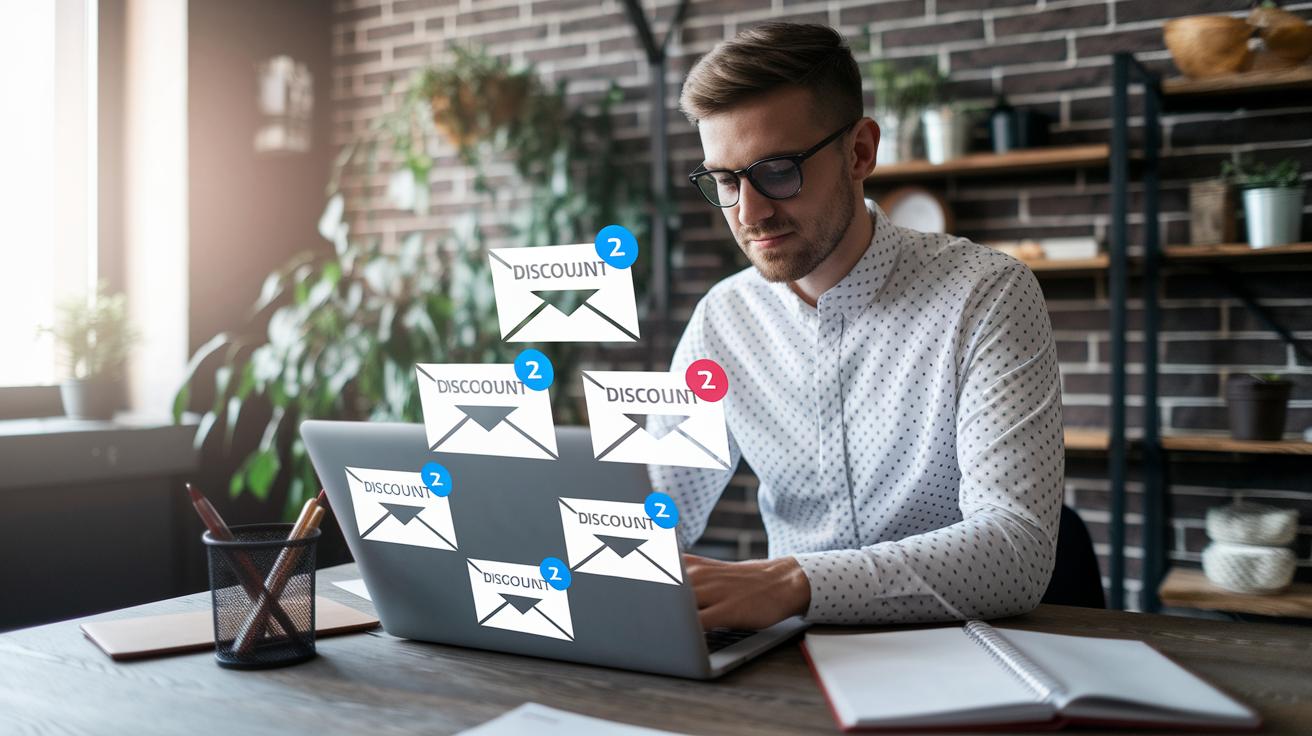
Re-engagement emails pack a punch when it comes to lighting a spark in subscribers who have gone quiet. One cool trick is the "We Miss You" email, which mixes friendly product tips with a tempting discount. For instance, a message might say, "We miss you – grab a 20% discount on your next order." It’s like a little nudge that reminds someone of their favorite find, inviting them back for more.
Next, creating a sense of urgency with special, time-sensitive offers works like magic. Imagine an email saying, "Last chance: Claim your free upgrade before it’s gone!" This combo of a limited-time offer and a personal touch builds buzz and gets people moving fast. Think about how a free drink perk from a well-known brand can bring back that feeling of a small treat well-enjoyed.
Another fun idea is to invite feedback. Asking something like, "What can we do to win you back?" feels like starting a genuine conversation. It not only uncovers why someone might have drifted away but also shows them that their opinion truly matters.
You can also slide in a mini-survey to keep the dialogue going, like:
- What was the last product you enjoyed?
- How can we make your next visit even better?
Finally, a friendly abandoned-cart reminder can tie it all together. A note such as, "Your cart misses you – finish your order today for a special perk!" gives a gentle push to complete their purchase. These win-back tactics show how a mix of personalized messages and well-timed offers can turn quiet subscribers into active, excited customers.
Segmenting and Personalizing in Re-engagement Campaigns

Start by sorting your contacts in several smart ways. Group them by how long they’ve been inactive, what they’ve bought before, their age and background, and even what they're doing right at that moment. For instance, if someone lingers on a product page, send a message like, "Hey, noticed you checking out our new gadgets? Swing by our interactive demos!"
Next, let the information your customers share directly with you adjust your messaging automatically. It’s like having a clever sidekick who tweaks your email layout or suggestions just based on what a subscriber is looking at now. Think about it this way: if you often browse tech updates on your phone, your email might highlight extra details about a new interactive tool that fits your taste.
Then, add content that adapts to the device your audience uses and even their location. Coordinate your messages across email, SMS, and app alerts so everything feels in sync. A smooth multi-channel campaign is like receiving a custom invitation wherever you are, whether you’re relaxing at home or grabbing a coffee at your favorite café.
Take a look at this story: One retailer set up triggers from user actions to send a push notification with a limited-time discount right after someone left a product page. The message read, "We saw you checking out our new line, here’s a quick 15% off to get you started!"
Measuring Success: Metrics and Optimization for Re-engagement Campaigns

When you aim to bring old users back, tracking the right numbers makes all the difference. Keep an eye on open rates, click-through rates, and reactivation rates, they show you exactly who’s returning. Try a simple nudge like "Your account missed you" and see how it sparks interest. It’s like checking the pulse of your campaign to know which messages truly connect.
Knowing your conversion rate for returning customers puts everything in perspective. Compare the cost per reactivated user with the extra revenue you earn, and you get a clear picture of what’s working. Testing different subject lines, message styles, and offers can reveal simple tweaks that pack a punch. Sometimes a short, friendly line wins over a long, drawn-out one. This hands-on testing helps you fine-tune every detail until it feels just right.
When the data speaks, listen up. Adjust your send frequency and try mixing in new channels like SMS or in-app messages when you need a boost. Regularly reviewing these key performance indicators keeps every touchpoint sharp, driving renewed excitement and steady growth among your users.
Re-engagement Campaign Ignites Customer Excitement
Imagine getting back into the groove with a campaign that not only wins over quiet subscribers but also fills them with new excitement. Take Duolingo as a fun example. They sent out friendly lesson reminders that lifted open rates by 40%. A note like "Miss the fun? Brush up on your language skills with a new lesson today!" sparks memories of learning that made you smile, gently inviting users to jump back in.
Then there's Starbucks, who tried a free-drink offer that really hit the mark. Their email said, "Your next cup is on us – come back for a refresh!" This warm, simple message nudged 15% of inactive customers to return. It’s like being offered an extra treat that makes you feel special and ready to reconnect with the brand you love.
HubSpot also got creative with a smart win-back plan using dynamic segmentation. They sorted people by past interactions and sent custom messages to those who had gone quiet. This careful touch boosted reactivation rates by 12%. By sharing messages that feel personal and useful, they turned old interest into new, meaningful engagement.
And then Sears took a clever route with a “last-chance” nudge. Their email read, "Last call to grab your exclusive deal before it disappears!" This touch of urgency increased click-throughs by 20%. When customers sense they might miss out on something they truly value, it really pushes them to act.
Each of these stories shows how a well-crafted, easy-to-follow message can rekindle interest and make customers feel excited again. These campaigns remind us that with the right words and a friendly tone, even a gentle push can turn hesitation into action and bring fresh energy to a brand.
Final Words
In the action, we broke down the steps of a re-engagement campaign, from defining its value to crafting win-back emails, segmenting engaged audiences, and measuring success. The guide showed how each element fits together, offering a clear plan to revive interest and boost interactions. With these insights, the primary keyword re-engagement campaign becomes not just a tactic, but a dynamic way to reconnect. Keep experimenting and enjoy creating experiences that bring people back for more.
FAQ
What is a re-engagement campaign and what does re-engagement mean?
A re-engagement campaign uses targeted emails to reconnect with inactive users who may have lapsed in interest. It reminds them of past positive experiences and encourages renewed contact with the brand.
What are some re-engagement campaign examples, samples, and templates, including HubSpot and Mailchimp campaigns?
Re-engagement examples include emails with personalized offers and urgency-driven messages. HubSpot and Mailchimp offer sample templates that use proven tactics like segmentation and dynamic content to spark renewed interest.
What are the best practices for a re-engagement campaign?
Best practices involve pinpointing inactive users, segmenting audiences, personalizing messages, and automating email sequences with timely triggers. Testing subject lines and offers helps refine strategies to boost user reactivation.
What are effective re-engagement email subject lines, templates, and messages?
Effective re-engagement emails begin with a friendly tone and use eye-catching subject lines. They offer personalized content and clear calls to action designed to invite dormant users back to the brand.