Have you ever thought about how one simple choice could change your favorite story? Imagine not just reading a tale but actually stepping into it, like attending a live show where every decision changes the scene.
Interactive narrative design is moving away from plain, static stories. Instead, it offers an experience where you are right in the middle of the action. With clever tech like AI that throws in unexpected twists, each choice you make feels personal and real.
It's kind of like feeling the electric buzz when the lights dim at a live concert. You don't just watch the performance, you become a part of the unfolding magic. Who knows? One decision might just spark an entirely new adventure for you.
Interactive Narrative Design: Forecasting Future Trends

Interactive narrative design is racing ahead by mixing traditional storytelling with modern tech to create interactive and engaging experiences. It’s like being at a live show where your choices shape the path of the story. Audiences aren’t just watching, they’re deciding what happens next, and each session feels unique. Imagine stepping into a story where every twist seems made just for you.
Tech like virtual reality, which lets you step into a digital world, and augmented reality, where digital objects pop up in real life, place you right in the center of the action. Meanwhile, artificial intelligence acts like a creative partner by adjusting the plot on the fly, tailoring each moment to match your choices.
Look ahead and you’ll see trends that could change the game completely:
| Trend | What It Means |
|---|---|
| AI-generated adaptive plots | Stories that evolve based on your actions |
| VR/AR immersive environments | Realistic digital worlds that feel like a live concert |
| Procedural content–driven branching | Multiple story paths that change every time |
| Dynamic non-linear story structures | Events that don’t follow a straight line |
| Data-driven personalized story paths | Experiences shaped by what you like |
| Cross-platform narrative convergence | Stories seamlessly moving from one device to another |
For creators and fans alike, these trends hint at a big shift towards experiences driven by real engagement. Think of it as directing a live show where every choice you make changes the script in real time. It’s like a DJ mixing beats on the fly to create a unique set each night.
New techniques let creators play with branching plots and flexible story structures, sparking fresh interactions every time you dive in. This means that as you participate, the story changes right before your eyes, turning each session into your own personal performance. It’s a lively dance between creativity and tech that invites you to join in and shape the adventure as it unfolds.
AI-Driven Narrative Evolution in Interactive Design

AI is fueling a fresh approach to interactive storytelling with smart systems that create content as you go. Designers now have this cool tool that automatically crafts bits of the story to match your choices. It’s almost like having a clever scriptwriter that spins different conversation paths right when you need them. Imagine a moment when a character hits a snag, the system pops up with new dialogue options that flow with your decisions, much like a live show that adapts on the fly.
AI also steps in as a creative partner by shifting the pace and mood of a story in real time. These adaptive drama techniques let the narrative change as you engage, almost like the story is reacting to your every move. Experts on platforms like the Level Up Lounge (https://thezeff.com?p=1180) say that these interactive storytelling tools pack a punch with creative surprises at every turn. It’s a flexible canvas where the vibe shifts smoothly, as if the narrative itself were listening to you.
But challenges still pop up. Creators must find the right balance between letting AI add its magic and keeping the storyline clear and cohesive. It’s a careful dance between human creativity and machine precision, making sure the core vision stays intact while exploring new tech frontiers.
VR and AR Immersive Storytelling Techniques for Interactive Narratives

New headsets and mixed reality gadgets are completely changing how stories come to life. These devices deliver crystal-clear images and super-easy controls that make digital worlds feel incredibly real, almost like you stepped right into your favorite movie scene.
Imagine walking into a buzzing sports arena or the quiet mystery of a secret forest. That’s the power of today’s VR systems. They let you feel every vibe and sound, just like being at a live concert where every beat counts.
Mixed reality isn’t just cool tech, it blends your real surroundings with digital magic, so every move you make adds a new twist to the story. It’s like the world around you becomes an interactive stage waiting for your cue.
Below are some exciting tools that are fueling this storytelling revolution:
| Platform/Technology | Narrative Capability |
|---|---|
| Oculus Quest 2 | Seamless VR world-building |
| HoloLens 2 | Advanced AR scene integration |
| Magic Leap | Mixed reality immersive plots |
| ARKit | Interactive digital overlay |
Fresh design breakthroughs now let storytellers build interactive spaces that react to you. Think of it like attending a live event where the stage shifts with every sound and movement, from adaptive music to natural textures and lively lights, every detail pulls you deeper into the experience.
By mixing hands-on tech with creative storytelling, artists are inviting everyone to join the adventure. It’s a new way to live the narrative, where you don’t just watch a story unfold, you become part of it.
Procedural Content Generation and Dynamic Plot Architectures

Procedural content generation is all about using clever computer rules to create game worlds that shift with every choice you make. Imagine jumping into a game where every decision sparks a fresh twist or challenge, much like a live performance that never repeats itself. In one recent test, a system whipped up over 50 unique plot twists in fewer than two minutes, making every playthrough feel like a brand-new adventure.
Real-time scenario generation adds even more excitement by crafting the story as you play. Think of it like watching an actor improvise on stage based on the audience’s energy, with the narrative constantly shifting to match your moves. This blend of smart technology and on-the-fly creativity makes the game feel as lively and unpredictable as a surprise concert.
The real magic here is how these techniques give you, the player, a direct hand in shaping the story. Every action you take builds a personal tale that grows more engaging and unique with each twist. It turns the game into a lively conversation where your decisions feel like secret notes passed between friends, deepening your connection to the experience in a way that traditional storytelling never could.
Personalization and Player-Centric Plot Development
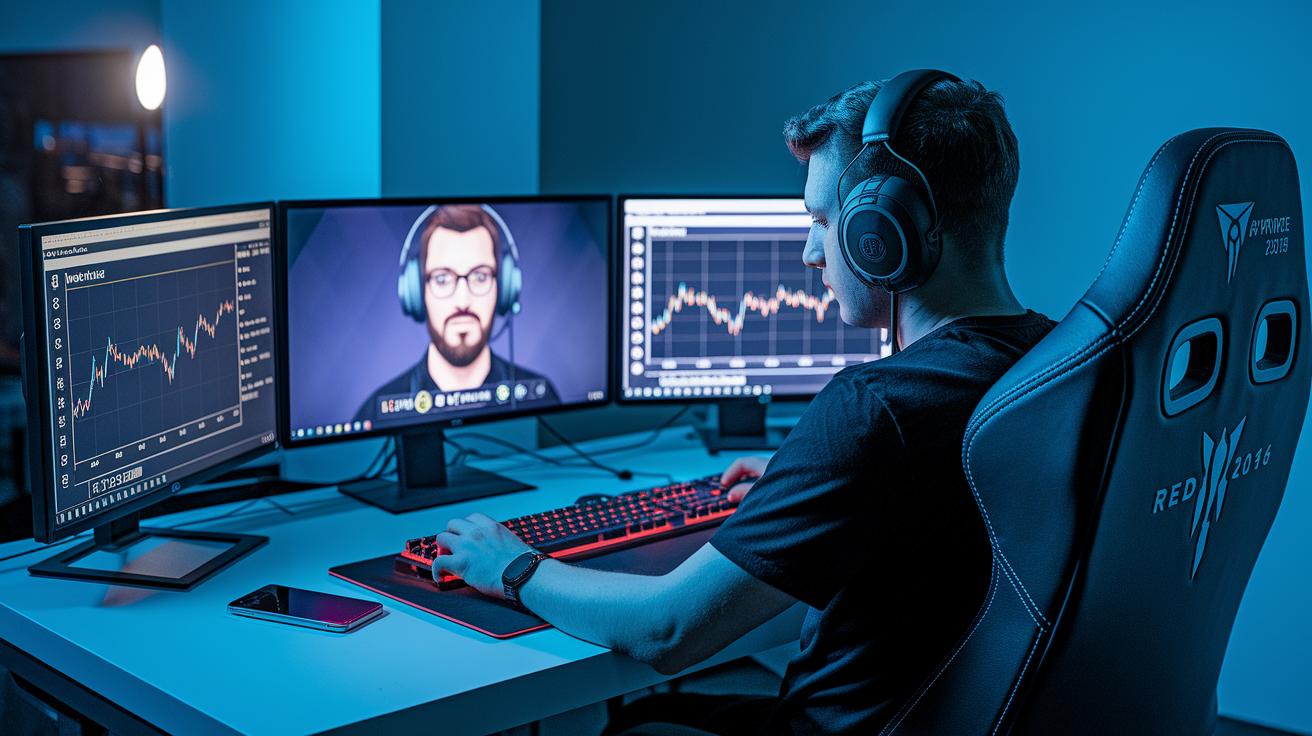
Game makers are digging deep into how players interact with their games to create stories that truly feel like they were made just for you. They gather simple info from things like podcasts, social posts, and other digital hangouts to understand your style.
By watching the little choices you make and how you react, they build a profile that helps shape the plot just the way you like it. It’s like the game is reading your mind, weaving in twists that match your unique gameplay each time you sit down to play.
Now, cool algorithms work behind the scenes to change the story as you play. Ever notice how a friendly character might cheer you on when you're excited or pause when you're unsure? That’s because the game adjusts dialogue in real time, making every chat feel like a natural conversation.
These smart storytelling tools even offer mini challenges and rewards that keep you involved every step of the way. In short, every choice you make helps write a story that’s as personal as it is exciting.
Future Trends in Interactive Narrative Design Shine Bright

Interactive stories are breaking new ground with cool tech combos that bring different media together. Creators aren’t just moving tales from one gadget to another, they're blending tech to spark live, interactive moments. Imagine a game scene that suddenly kicks off an augmented reality puzzle on your phone, or a live podcast that weaves in comments from smart speakers. Fun fact: a recent project mixed live gaming with real-time social media posts, turning every play into a shared, live experience.
Designers are tackling fresh challenges by matching story pace to each platform. They’re using smart techniques like adaptive story mapping and sensor-triggered changes, so that visuals, sound, and live feeds all groove together perfectly. It’s a bit like setting up a vibrant art show where every part adds a new twist to the story.
Case Studies: Pioneering Interactive Narrative Projects
Project Alpha VR Narrative
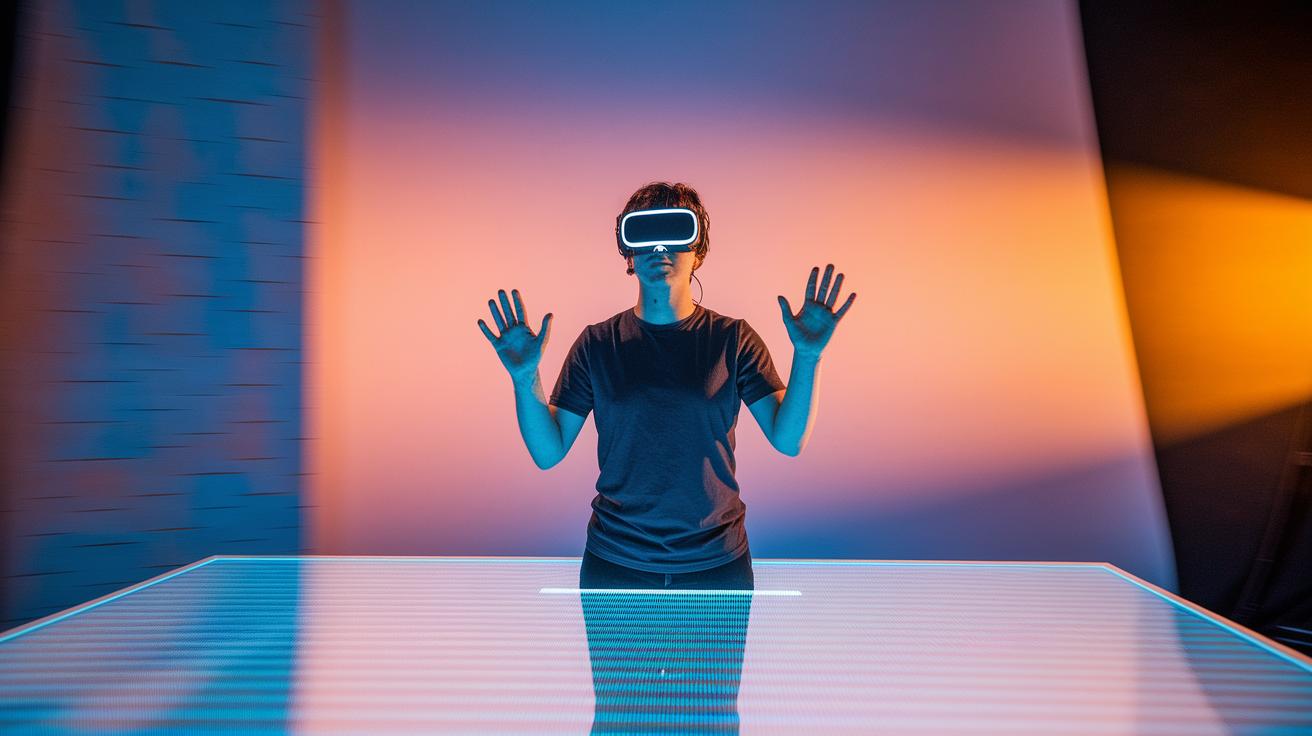
Project Alpha VR Narrative brings a fresh spin to storytelling. It mixes real-time sensor info with cool VR tech so that the game changes right when you do. Imagine stepping into a digital world where colors, sounds, and even characters shift as you move around, just like watching a live performance. The tech uses motion capture along with instant rendering, turning every session into a personal show.
People say it feels like walking into a living story, every little choice sparks a new twist. One listener even mentioned that the characters seemed to talk right to them. This breakthrough pushes interactive drama into a whole new era.
Adaptive Mobile Story App
Adaptive Mobile Story App brings interactive tales straight to your phone. It connects effortlessly with mobile hardware and uses a smart engine to change dialogue and visuals based on your actions. It’s like having your very own storyteller that learns what you like each time you play. Every branch of the story adapts on the spot, making it feel uniquely yours.
Users share that they love exploring different story paths, with one saying, "It’s like the story knew exactly what I wanted next." This kind of hands-on experience shows just how innovative today’s narrative platforms can be.
Interactive Podcast Series
Interactive Podcast Series turns regular audio stories on their head. Listeners get to decide how the story goes by sharing live input during the show. Imagine a podcast where every comment from the crowd adds an unexpected twist.
Real-time choices help guide the plot, turning each episode into a shared adventure. Fans have noted that every vote crafts a new chapter, making them feel like a real part of the show. This series is a prime example of how interactive tools can transform storytelling into a truly collective and dynamic experience.
Challenges and Future Directions for Interactive Narrative Design

Imagine watching a live show where every beat can change the story, but sometimes things get a bit jumbled. That's the real challenge: keeping the story clear while testing out exciting new tech. Creators often find themselves wrestling with tool fragmentation when different software and hardware don’t play well together. Plus, there’s the tricky issue of handling player data ethically, think of a simple narrative where every decision builds on shared memories; a misstep in data use can knock off that personal vibe. It’s like trying to mix a cool new beat with a classic melody, you want innovation without losing the heart of the story.
Looking ahead, there are some bright directions to make experiences seamless. Designers, educators, and tech experts are diving into cross-media standards that let stories jump from games to podcasts to live events, like turning a movie scene on your TV into a fun interactive app on your phone. And ethical personalization frameworks are popping up that promise fair, responsible use of player input. These breakthroughs are setting the stage for content that keeps being fresh, true to the art of storytelling, and full of that pulse of new technology.
Final Words
In the action of exploring interactive narrative design, we witnessed the rise of AI-generated plots, immersive VR/AR experiences, and smart, data-driven story paths. The article also touched on dynamic plot architectures and cross-platform storytelling that bring stories to life in fresh, engaging ways. Creators and fans have plenty to be excited about as these trends deepen audience participation and tailor experiences. Future trends in interactive narrative design are set to spark even more creative energy, keeping the thrill alive for all digital explorers.
FAQ
What are the trends in digital storytelling?
The trends in digital storytelling involve integrating AI tools, immersive VR/AR experiences, and interactive designs that let audiences shape the story. These methods create engaging and dynamic experiences that feel both personal and exciting.
What is the future of storytelling in marketing?
The future of storytelling in marketing means creating more interactive and personalized content that uses smart data and advanced tech. This approach builds closer connections with audiences and makes every campaign lively and engaging.
What are the new forms of storytelling?
The new forms of storytelling include interactive narratives, mixed media experiences, and real-time content that lets users influence plots. These formats blend visual and digital elements to create engaging and hands-on experiences for everyone.
What is an interactive narrative?
The interactive narrative is a form of storytelling where the audience actively participates to alter the story’s direction. This design lets readers or viewers shape the plot, making the experience dynamic and uniquely tailored.