
Ever had that moment when a twist in a story makes the whole thing feel like magic? Interactive narrative writing prompts can give your creative process a real boost, like a tiny spark that lights up hidden ideas. They lead you through surprising plot turns and colorful scenes that make everything come alive. Some prompts ask open-ended questions while others offer clever fill-in-the-blank puzzles, inviting you to dive into your imagination. Get ready to see your stories in a brand-new light.
Mastering Interactive Narrative Writing Prompts

This interactive narrative writing notebook comes loaded with free templates that grab you right in the creative zone. You’ll find a handy story map and simple planning sheets that break your tale into start, middle, climax, and ending. There's even a vivid example called “The Storm”, a fast-moving, action-packed story that shows you just how thrilling your writing can be. Ever thought about kicking off your story with a twist? Try something like, "Before the skies opened, an eerie calm whispered that nothing would ever be the same."
But that’s not all. This resource goes beyond just planning. It offers a bunch of open-ended prompts meant to spark your creative writing sessions, no matter if you're just starting out or have been writing forever. There’s even a cloze activity that gently nudges ideas out of you, filling in the blanks like a fun puzzle. Meanwhile, lined publishing sheets and colorful illustrations help every finished piece stand out.
| Type of Prompt | Example |
|---|---|
| Sensory Challenge | “Describe the taste of fear as the wind howls.” |
| Choice-Driven Scenario | “Imagine a fork in the road where every option leads to a different fate.” |
| Character Conflict | “Reveal a secret that changes a relationship forever.” |
| Time-Shift | “Write a scene where the past and present collide in unexpected ways.” |
| Plot Twist | “Introduce an event that flips the story’s direction.” |
| Setting Transformation | “Detail how a familiar landscape becomes a stage for mystery.” |
The cloze activity helps you work through tricky sentences, like when you fill in the blank in, "The echo of the abandoned hall was ____." And those neat publishing sheets and playful illustrations? They turn every creative victory into a mini-celebration. It all comes together, making your writing journey feel as lively and interactive as a backstage pass at your favorite show.
Branching Story Design Ideas in Interactive Narrative Writing Prompts

Imagine a story that changes with every choice; it’s like stepping into a live adventure. When characters’ decisions create twists and turns, each reader feels the thrill of the journey. A simple planning guide can help set up these dynamic, multiple endings that make your story come alive.
First, grab your overall planning template and map out the big moments of your story. Next, zoom in on the beginning and middle sections, where your main event, rising action, and conflicts create perfect spots for diverging paths. Then, use the climax and resolution template to sketch out dramatic endings that shift with earlier choices. Finally, mix bits from every template to build scenes where every decision has its own ripple effect.
Think of sketching a decision tree for your narrative. Picture a drawing where every branch leads to exciting surprises, yet all roads tie back to your core story. As you set up these decision points, see them as intersections on a vibrant map, each turn brings fresh excitement while still fitting perfectly into the overall tale. This method not only sparks your creative side but also keeps your narrative clear and engaging, making every page a part of the interactive fun.
Integrating Decision-Making in Interactive Narrative Writing Prompts

Choice fuels the story. It creates those surprising twists that pull readers right into the action. In a cloze writing activity, where parts of the text are left blank for writers to fill in, each decision lights up a chain of events, making the story both creative and easy to connect with.
Interactive storytelling, similar to the digital experiences on Thezeff’s site, gives writers room to explore new viewpoints and styles. By mixing decision-making into their prompts, they pave different paths that change the tone and rhythm based on the choices made. This makes each twist feel purposely planned and truly alive.
Here are some tips for creating effective decision points:
- Clearly mark choices so readers know where they can steer the plot.
- Ask open-ended questions that invite creative responses.
- Provide options that lead to very different outcomes.
- Keep a balance between guiding the narrative and letting creativity flow.
- Test each decision point to ensure it enriches the story.
Switching the narrative perspective, whether from first person to third person or even to second person, can boost the interactive feel. It offers a fresh look at the unfolding events, drawing readers right into the heart of the story and making your creative writing feel even more engaging.
Creating Immersive Plot Challenges in Interactive Narrative Writing Prompts

In the story “The Storm,” tension comes alive with quick action and sensory details that pull you right in. Every scene feels urgent and packed with energy. The fast events and clever surprises invite writers to try out new twists that keep readers curious and involved. This lively pace encourages exploring unusual plot twists and unexpected turns that make storytelling feel even more immersive.
- Challenge writers to hide a secret enemy in places no one expects.
- Ask them to change the hero’s goal halfway through the story.
- Prompt a twist that throws off the steady beat of the narrative.
- Inspire adding an alternate timeline that bumps into the main story.
- Suggest creating a tricky obstacle that drives characters to form unexpected alliances.
- Propose a moment when nature itself shifts the direction of events.
- Invite crafting a moral dilemma that tests a character’s core values.
By mixing in sensory details, these challenges turn into real, tactile experiences. Writers can layer in the crackle of a storm and the tense feeling of an incoming conflict so that every sound, smell, and glow plays a part in the drama. This approach pulls readers deeper into the narrative, letting them feel every twist as if they were right in the heart of the action.
Developing Character Arcs in Interactive Narrative Writing Prompts

Character arcs are the lifeblood of every interactive story. They show us how characters change over time, making each decision seem full of meaning. When you shape a solid arc, you not only draw readers deeper into your story, but you also push the plot forward by linking personal growth with big events.
- Decision versus destiny – Imagine a scene where a simple choice takes a character down an unexpected road.
- Moral dilemma crossroads – Think of a moment when the character has to balance two opposing values.
- Backstory revelation – Craft an exercise where hidden secrets that shape the character slowly come to light.
- Hidden strength challenge – Create a moment where an overlooked talent turns into the key to saving everything.
- Turning point conflict – Set up a conflict that forces your character to question what they really want.
Linking these exercises with major plot twists makes your narrative even more captivating. As characters face these turning points, the growth inside mirrors the external surprises in their journey. Each fork in the road tests their limits while tying everything back to the central adventure, blending personal transformation with the thrill of interactive storytelling.
Evaluating Interactive Narrative Writing Prompts with Rubrics and Checklists
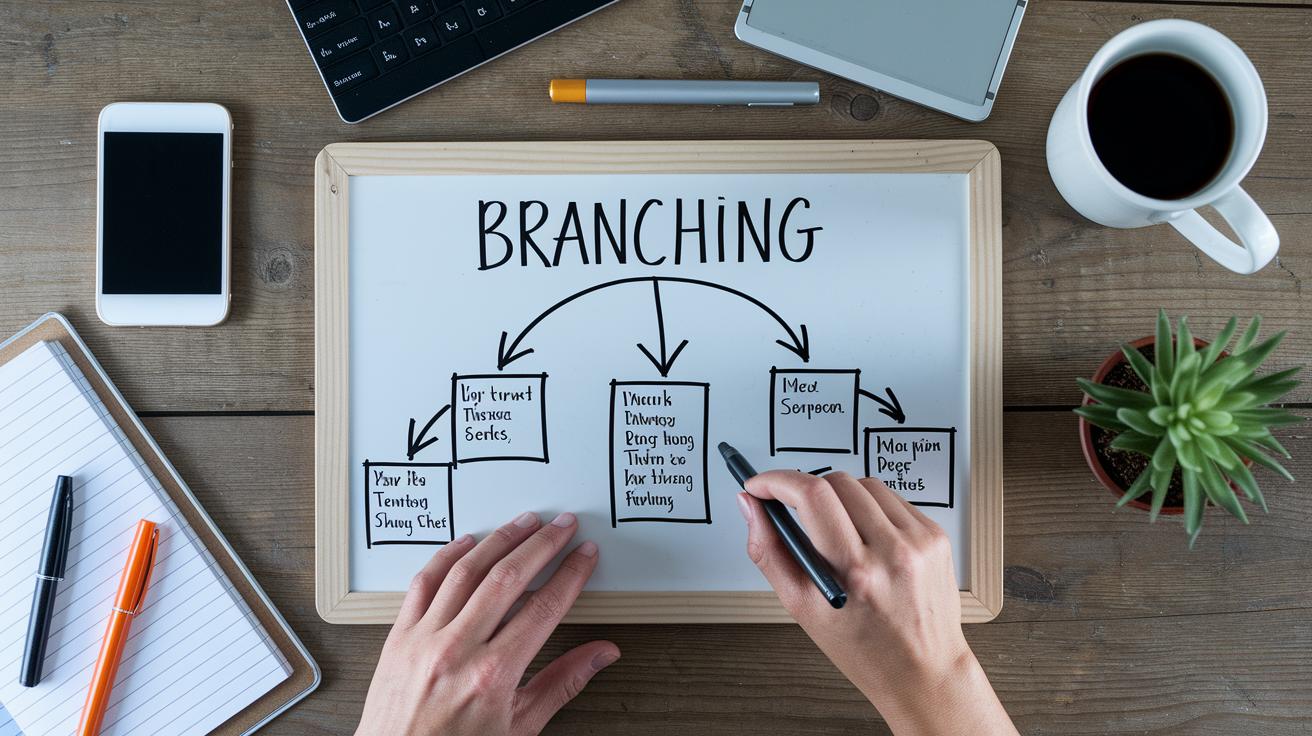
Clear guidelines give every writer a solid roadmap. They break things down into simple steps so feedback feels a bit like unlocking a secret code. When you use rubrics and checklists, it becomes easy to see how the story splits into different paths, whether characters make compelling choices, and if the details really hit home to spark emotion and suspense. This approach not only boosts your creative journey but also brings to light fun story challenges and quirky twists.
| Criterion | Description |
|---|---|
| Plot Branching | Looks at how clearly the story takes different paths. |
| Character Choices | Checks how well decisions shape the characters’ journeys. |
| Sensory Detail | Evaluates if vivid images and feelings bring scenes to life. |
| Narrative Tension | Assesses how the writing builds suspense and keeps the pace moving. |
Celebrating every good draft makes each piece a win. Recognizing every step lights a spark that inspires even more creative and engaging writing.
Final Words
In the action, we explored how interactive narrative writing prompts set the stage for creating engaging, choice-filled stories. We checked out tools like planning sheets, dynamic templates, and vivid exemplars. Small steps, like crafting sensory challenges and mapping decision points, lay the groundwork for impactful storytelling. We also looked at ways to shape character arcs and measure progress neatly. Every tip is ready to spark creativity and boost your next project using interactive narrative writing prompts. Keep the spark alive and embrace the thrill of your creative process.
FAQ
How can interactive narrative writing prompts benefit high school students?
Interactive narrative writing prompts for high school transform storycraft into a hands-on experience that builds creative skills by guiding students through exciting narrative paths and dynamic decision moments.
Where can I find free interactive narrative writing prompts?
Free interactive narrative writing prompts are available as templates and planning sheets that spark creativity with story maps, open-ended ideas, and engaging cloze activities for immediate inspiration.
What interactive narrative writing prompts are designed for adults?
Adult-focused interactive narrative writing prompts introduce complex decision points and mature topics that invite writers to shape layered, engaging stories tailored for grown-up creative exploration.
Are there interactive narrative writing prompts for KS2 level?
Interactive narrative writing prompts for KS2 use kid-friendly language and clear story-building cues that guide young writers through fun, simple interactive narratives with vibrant, accessible ideas.
How does a writing prompts generator support creative writing?
A writing prompts generator sparks creative writing by offering quick, fresh ideas that guide you through interactive scenarios, helping you get started with engaging, ready-to-use story challenges.
What can I expect from writing games online related to interactive narratives?
Writing games online offer playful, interactive challenges that turn storytelling into a fun exercise, encouraging you to experiment with fast-paced ideas and sensory-rich narrative moments.
How do short story prompts generators work for creative writing?
Short story prompts generators provide concise, varied ideas that immediately kickstart your writing, encouraging experimentation with dynamic plots, vivid scenes, and interactive twists in your stories.
How does a writing prompt generator using AI innovate narratives?
A writing prompt generator using AI delivers prompt suggestions by quickly processing creative patterns, sparking spontaneous storytelling that adapts to different themes and interactive styles efficiently.
What are the best prompts for narratives?
The best prompts for narratives offer open concepts, vivid sensory cues, and engaging choices that inspire writers to craft immersive, interactive stories with memorable plot turns and clear direction.
What are the 5 W’s of narrative writing?
The 5 W’s of narrative writing—who, what, when, where, and why—serve as an easy framework to shape your story by outlining characters, events, and key details for a structured, interactive plot.
What is a good 5 minute writing prompt?
A good 5 minute writing prompt delivers a simple yet imaginative idea that sparks your creativity quickly, offering just enough challenge to jumpstart an engaging, interactive writing session.
What are some fun writing topics for interactive narratives?
Fun writing topics for interactive narratives include themes like hidden secrets, unexpected twists, and sensory challenges that invite you to experiment with vivid storytelling and creative decision-making.