Ever wonder how you can catch a live concert in real time? Live streaming brings shows right to your screen so you can share the excitement with friends, just like being in the front row no matter where you are.
Today, we're chatting about what live streaming really means and why it's the talk of the town. Think of it as having a mini festival on your device where every moment feels fresh and electric.
Stick with us as we break it down in simple terms and show you why this new way of watching events is capturing everyone's attention.
Live Streaming Explained: Definition and Purpose
Live streaming is simply watching something as it happens, right on your screen. It’s like catching a live concert where every guitar riff and drumbeat reaches you at the very moment it’s played, no waiting for a re-run. In live streaming, video and sound are captured by cameras and microphones, then zipped into a compressed format and sent out instantly. This means you see every moment live, just like you’re right there in the crowd.
This process works by grabbing the audio and video in real time, squishing it into a smaller file, and then sharing it through servers that send it to your device smoothly. And the magic doesn’t stop there, viewers can chat, react, and interact right away, which turns watching into a fun, social event.
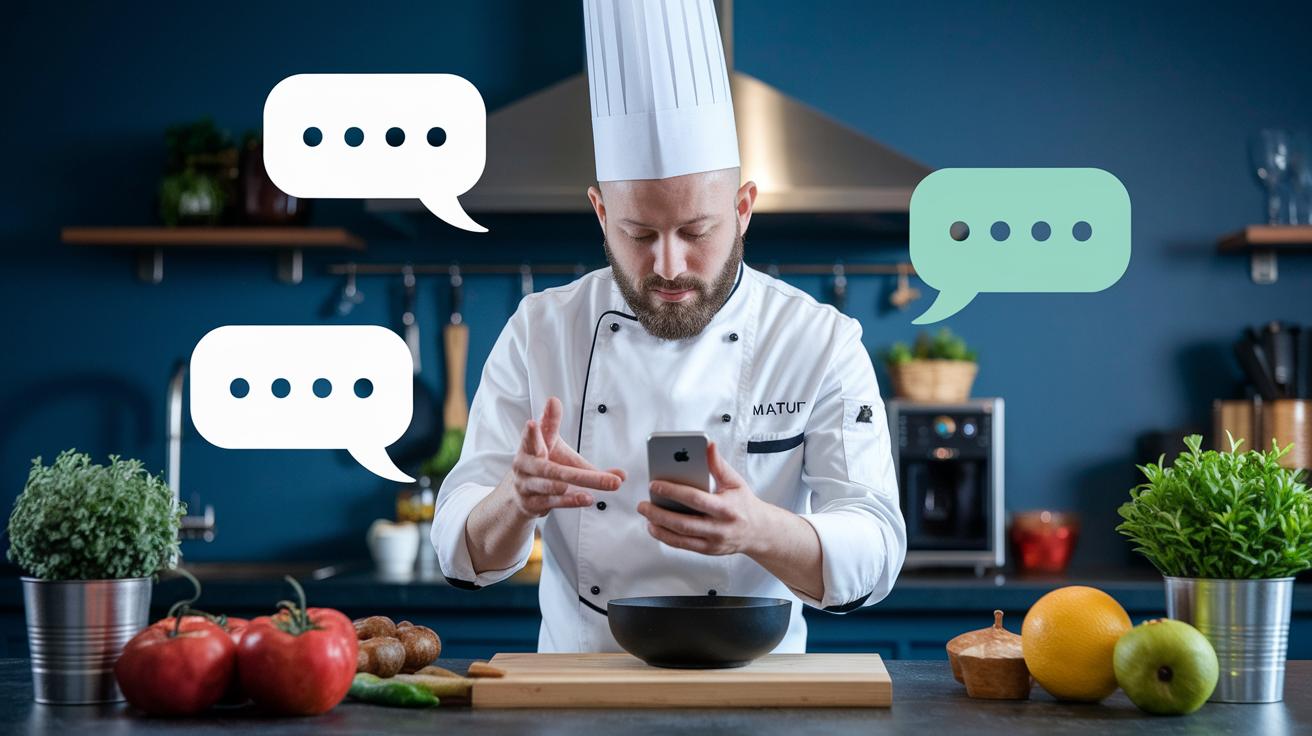
Think about a live cooking show where the chef asks for your opinion while whipping up a dish. Imagine tuning in to see a famous chef hosting a live cook-off with over 100,000 viewers, all sharing tips and hyping each other up. That instant connection makes live streaming so special. It turns a simple watch into a lively, shared experience that feels just as exciting as the event itself.
Live Streaming Technology: Real-Time Media Transmission
Live streaming is like watching magic happen right before your eyes. It all starts when cameras and microphones capture video and sound in real time, turning them into digital signals almost instantly. Think of it like a live concert where you feel every beat as it plays, you’re right there as the performance unfolds.
Next, these digital signals get a quick makeover. They’re compressed using everyday codecs like H.264, HEVC, or AV1, which are just fancy tools that shrink the data so it can travel faster without losing its vibe. When your device decodes the information, you enjoy the show exactly as it happens, just as you’d expect.
After this, the raw stream is prepared for action. It gets encoded for different devices, whether you’re catching the show on your smartphone, tablet, or computer. Then, the video is split into small chunks and stored on content delivery networks, basically mini caches closer to you, to cut down any lag. This is a bit like having your favorite snacks delivered right to your door, ensuring you never miss a moment.
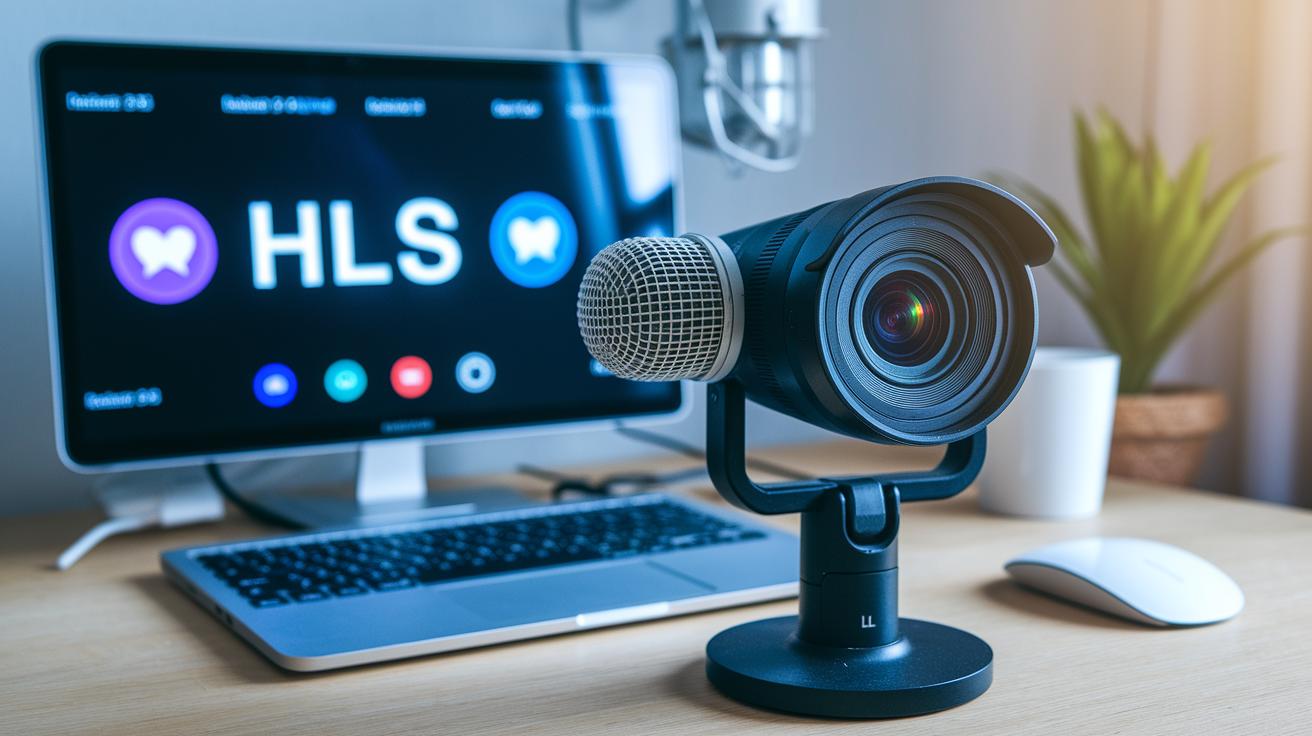
Protocols such as HLS, LL-HLS, RTMP, SRT, and WebRTC work behind the scenes to keep everything running smoothly. They send the data with minimal delay, sometimes even under a second, so you’re always in sync with the live action. And even if your connection wavers, simple signal processing tweaks the quality on the fly, making sure your experience stays smooth and uninterrupted.
Every step, from capturing the live moment to playing it on your device, is fine-tuned for a fluid experience. It’s like setting up your perfect playlist, where every track is timed just right, so you can sit back and enjoy the ride without a hitch.
Live Streaming Platforms and Feature Comparison
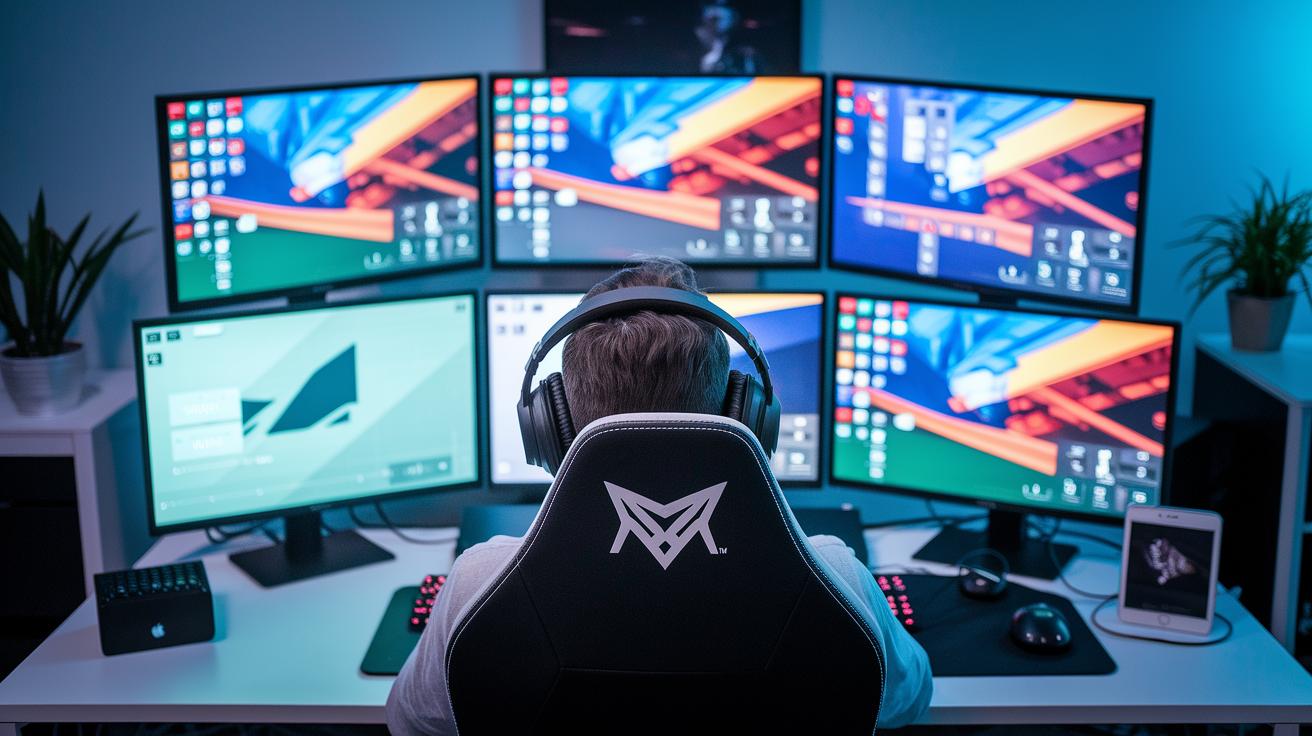
Live streaming platforms are a must-have for creators who want to share events as they unfold. They let you connect with your audience in real time through simple tools. Whether it's Twitch, YouTube Live, or Vimeo Studio, these services offer easy dashboards that allow you to embed streams onto your website, chat live with viewers, and dive into handy analytics. It’s like having all the backstage passes at your favorite concert, no matter if your audience is on a phone, computer, or smart TV.
When you’re choosing a platform, here are a few things to keep in mind. First, think about latency, how fast your stream reaches the viewers. Next, check if the streaming quality adjusts automatically to match the viewer’s internet speed (that’s adaptive bitrate streaming). And don’t forget about third-party integrations, tools that can add extra magic to your live event workflow. Imagine hosting a live concert where the crowd’s energy literally shapes the show.
For a clear look at what each platform offers, have a peek at this simple comparison:
| Platform | Key Features | Device Compatibility |
|---|---|---|
| Twitch | Real-time chat, low latency, monetization | Mobile, desktop, smart TVs |
| YouTube Live | Detailed analytics, subscription tools, ad options | All major devices |
| Vimeo Studio | Embedding, integration tools, customizable dashboards | Multi-device broadcasting |
These details help streamers pick a platform that fits their style and meets their viewers' expectations.
Live Streaming Use Cases: From Webinars to Sports
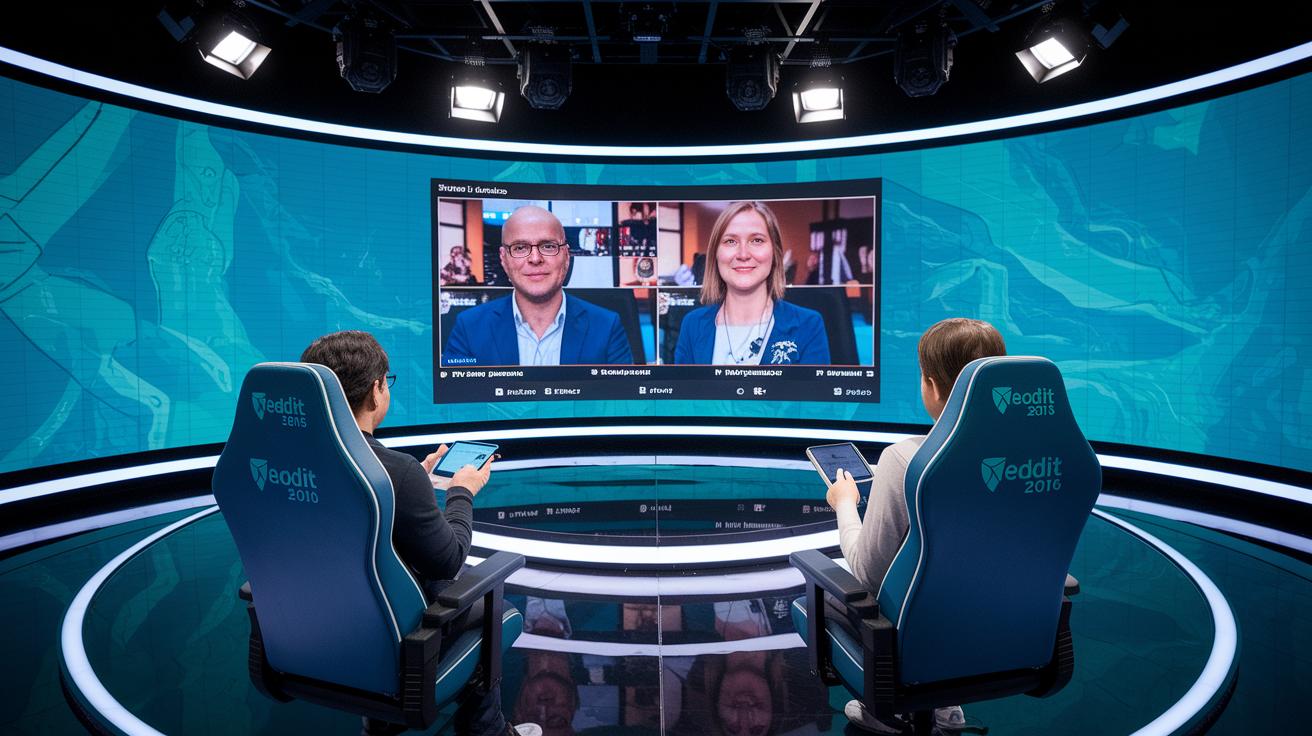
Live streaming pulses with energy across so many areas, turning simple events into lively, behind-the-scenes experiences. In entertainment, for example, it feels like you’re sitting front-row at a concert or watching a gamer in the heat of action. You can chat in real time, see reactions as they happen, and feel every beat and move as part of the moment.
In the corporate world, live streaming gives meetings a refreshing twist. Picture a town hall where everyone gets to join in with quick polls and live Q&A sessions. Product launches come alive with interactive chats and extra materials you can download, making each event feel like a vibrant open forum.
Education gets a fun upgrade too. Virtual classrooms and online training sessions use live streaming to bring lessons to life. Students can ask questions on the spot, and teachers can share ideas as they happen, almost like having a classroom right in your living room.
Sports event broadcasts also take on an exciting flavor. With real-time commentary, on-screen stats, and interactive chats, every play or buzzer-beater becomes a shared experience that makes you feel like you’re in the midst of an electric stadium atmosphere.
Live Streaming Setup: Equipment and Best Practices
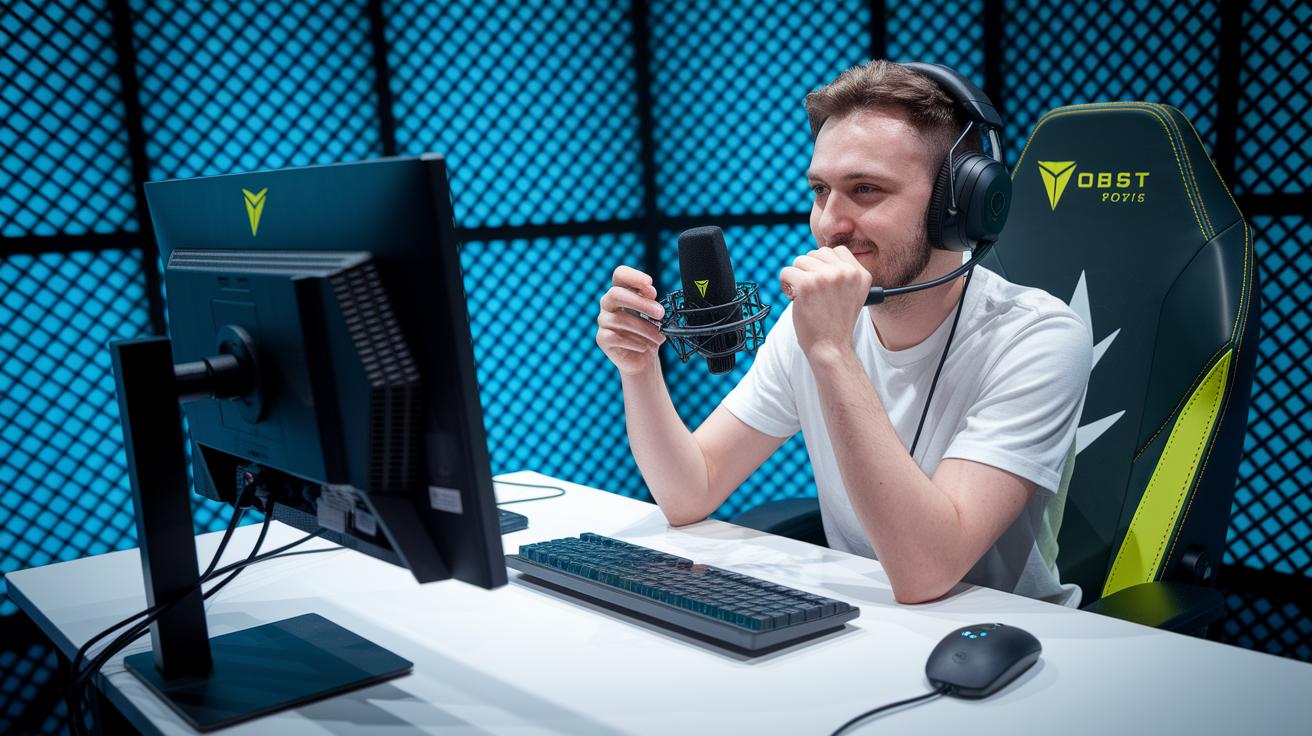
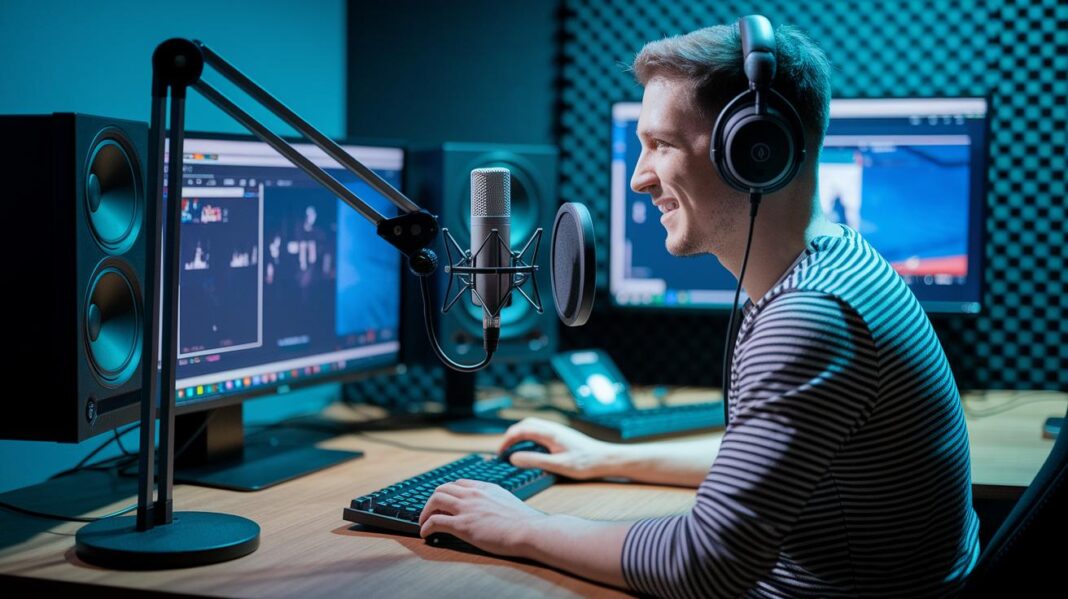
Dialing in your technical setup is super important if you want a live broadcast that doesn’t miss a beat. First off, you need reliable gear, a camera that offers 1080p or higher, a dependable microphone to capture every sound, and a fast internet connection around 1 Gbps. Think of it like setting up your own mini studio where every piece of equipment plays its part, much like a band tuning up before hitting the stage.
Next, decide between software encoders like OBS or Streamlabs and hardware encoders. Software options are often cost-effective and easy to use, though they might put a strain on your computer. Hardware encoders, on the other hand, usually offer better stability and take the load off your CPU, even if they come with a higher price tag.
Before you go live, it’s best to test your equipment thoroughly. Run speed tests and do a few practice streams to catch any sync issues. Make sure your audio stays aligned with your video and that you don’t experience any buffering. Here’s a quick checklist to keep you on track:
| Step | Description |
|---|---|
| Dry Runs | Test equipment with practice sessions |
| Speed Tests | Run internet speed tests |
| Lighting Check | Ensure lighting conditions are clear |
| Backup Plan | Have a backup internet source ready |
Sometimes things might go a bit off track, video might pause, audio might drift away from the video, or the whole stream might drop. Usually, adjusting your bit-rate settings, tweaking protocols, or simply restarting the stream can fix these issues. Think of it like tuning a radio dial until you hit that perfect station. By following these guidelines, you’ll be well-prepared for a smooth and high-quality live stream.
Live Streaming Performance: Metrics and Future Trends
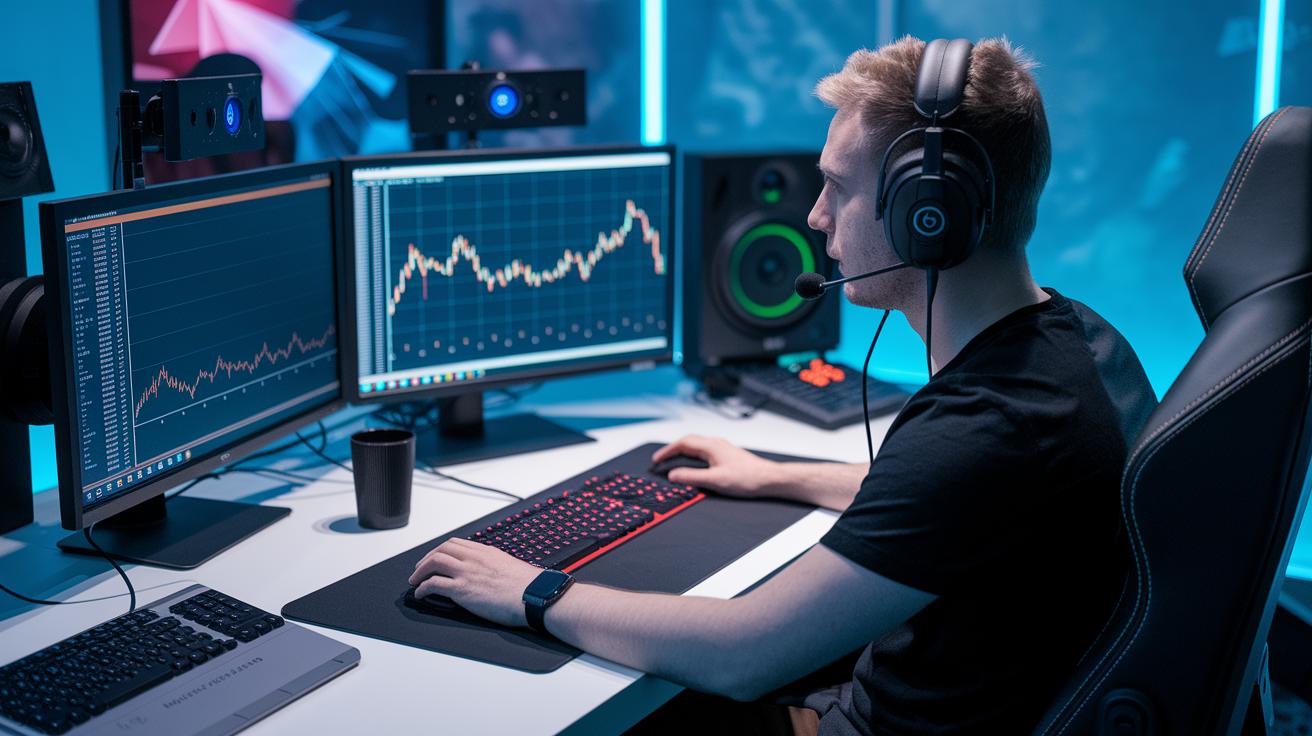
Live streaming works best when you keep a close eye on key numbers and have fresh ideas on deck. Think about things like startup time (aim for less than 3 seconds), join latency, average watch time, concurrent viewers, and keeping those rebuffer ratios below 1%. Fun fact: some platforms now kick off live streams in just 2.5 seconds, pulling viewers into the action almost immediately. These figures are gold for streamers looking to smooth out their delivery.
Adaptive bitrate is like finding the perfect gear on a bumpy ride. It automatically tweaks video quality based on your current bandwidth so you don’t end up staring at endless loading circles. It’s all about keeping things smooth and enjoyable for everyone watching.
Latency optimization is another key player, it minimizes delays so the live event feels real and connected. Plus, new trends in broadcasting, like immersive VR and 360° live streaming, are popping up alongside cloud-based production. These innovations mean less dependence on bulky hardware and a more dynamic viewing experience.
Looking ahead, webcasting will lean on AI tools for real-time content checks and smart viewer suggestions. And thanks to 5G, you can count on non-stop 4K and even 8K quality. Then there’s decentralized streaming with Web3, opening up creative new routes for content makers and fans worldwide.
Final Words
In the action, we broke down live streaming by explaining its core meaning and the tech basics behind capturing real-time video. The post moved through various platforms that bring people closer during live events and shared advice on setting up gear for smooth broadcasts. It also touched on tracking performance measures that keep broadcasts sharp. With these insights, what is live streaming becomes a clear way to connect fans and share one-of-a-kind digital moments. The future lights up with endless possibilities for interactive fun.
FAQ
What is live streaming on TV, apps, and YouTube, and how does it work?
The live streaming on TV, apps, and YouTube means transmitting video content in real time using internet technology, allowing viewers to watch events as they happen without delays.
What are the dangers and disadvantages of live streaming?
The dangers and disadvantages of live streaming mean risks like technical glitches, privacy issues, and exposure to negative comments, which can impact the viewing experience if not addressed properly.
What does live streaming a match mean?
The live streaming of a match means broadcasting a sports event in real time, letting fans see each play as it unfolds and feel closer to the live action.
How can I watch a live stream for free?
Watching a live stream for free means accessing broadcasts without paying, often supported by ads or offered by public channels that share real-time content at no cost.
What is live streaming in court?
The live streaming in court means broadcasting courtroom proceedings live, giving the public real-time insights into legal sessions and boosting transparency.
What are live streaming websites?
The live streaming websites mean online platforms where viewers can watch real-time broadcasts, ranging from sports and concerts to personal and public events.
How do I watch a live stream?
The live stream watching process means visiting a streaming platform or website, selecting an active broadcast, and using your device’s media player to enjoy the event live.
Do you have to pay for live streaming?
Paying for live streaming depends on the service; some platforms offer free, ad-supported streams while others charge fees for higher-quality or exclusive content.
What is Cloudflare Stream?
Cloudflare Stream means a cloud-based video streaming service that simplifies hosting, encoding, and playback, helping users deliver smooth, real-time broadcasts with ease.
What are live streaming platforms?
Live streaming platforms mean services that let you broadcast and view live video, often featuring interactive tools like chat and dashboard analytics to boost engagement.
What is One Live Stream or Go Live Stream?
One Live Stream and Go Live Stream mean tools designed to simplify live broadcasting, offering easy-to-use features that help users deliver high-quality, real-time content.
What is the cost of Vimeo live streaming?
The Vimeo live streaming cost means Vimeo’s pricing plans for their broadcasting service vary based on features and quality, so you can choose a plan that fits your live broadcasting needs.