Ever wondered how one unforgettable night can change our view of live music? On July 13, 1985, a landmark concert burst onto the scene and touched hearts all over the world. Millions tuned in as top artists rocked the stage, all while supporting a worthy cause.
Picture the energy in huge venues like Wembley and JFK stadiums, crowds buzzing with excitement under bright stage lights. And then there was Queen, delivering a performance that still makes us smile and feel that thrilling spark deep inside.
This post walks you through the standout moments and lasting impact of that amazing evening, showing how its magic still pops up in our memories today.
Live Aid Performance: Event Overview and Historical Context

On July 13, 1985, a historic show came to life to help fight the famine in Ethiopia. Music fans everywhere tuned in to feel the rush of live music and join a cause that mattered. Top artists gathered for a common goal, and here's a fun fact: the organizers expected just a few million watchers, but the real number broke all records!
The event was spread out over two huge venues, Wembley Stadium in London and John F. Kennedy Stadium in Philadelphia. In London, 72,000 thrilled fans packed the stands, eagerly watching their favorite performers. Meanwhile, the Philadelphia crowd added its own buzz, making the day feel electric both sides of the Atlantic. These iconic settings made Live Aid an unforgettable, shared musical adventure.
Live Aid reached nearly 1.9 billion people in 130 countries, thanks to live satellite broadcasts. This real-time connection let people from all over the world feel like they were right there, part of the excitement and history as it unfolded. It wasn’t just about the music, it was a global moment of hope and unity that continues to inspire.
Queen’s Electrifying Live Aid Performance Analysis
Rehearsal Preparation
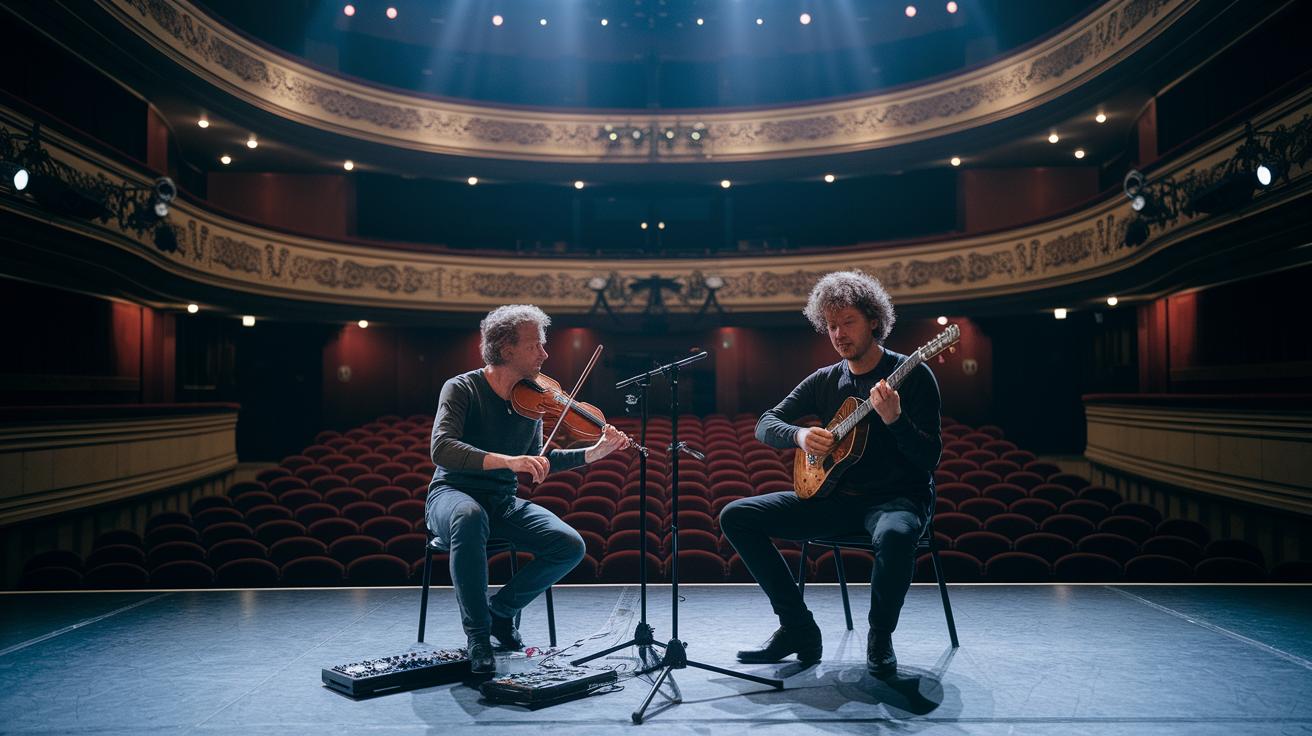
Queen spent a busy week perfecting their show at a cozy 400-seat Shaw Theatre near King’s Cross. They locked themselves away to rehearse every note and move until it all felt natural, all for the five-song set meant to wow 72,000 live fans. It’s like when your favorite team practices until the plays just click, Queen did that so they could feel totally confident on stage.
Set List and Key Moments
The band picked five awesome songs that showed off their musical skills and full energy. Every song was built to lift the mood on stage with catchy riffs and cool props. Take, for example, "Radio Ga Ga." Freddie Mercury moved around the stage, got everyone clapping and singing along, and ended with one powerful note that people still talk about today. Here’s a quick peek at the band lineup:
| Band Member | Role |
|---|---|
| Freddie Mercury | Vocals, piano, guitar |
| Brian May | Guitar, vocals |
| John Deacon | Bass guitar |
| Roger Taylor | Drums, vocals |
Crowd Interaction and Legacy
Freddie Mercury’s stage magic turned the show into a real party. He brought his own style and clever moves to pull the crowd into the fun. When he waved everyone to join in on that final note, the whole place lit up with energy. Even other musicians and critics couldn’t help but notice how Queen owned that moment. This epic show pushed the band to get back into the studio, which led to the creation of the album A Kind Of Magic that sold six million copies. In truth, that performance reminded everyone how special it is when great artists truly connect with their fans.
Iconic Live Aid Performance Moments and Standout Acts
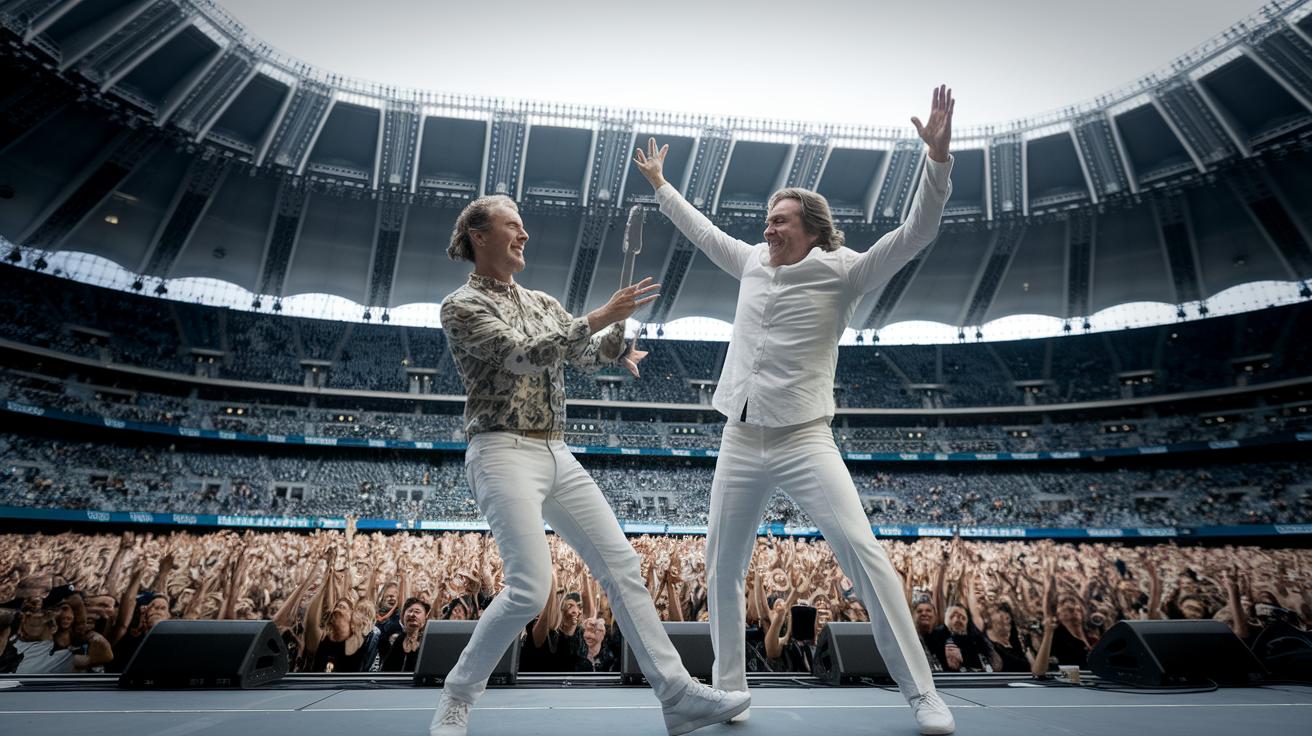
Live Aid burst with moments of pure energy that went far beyond the big headliners. The event was full of surprises, mixing well-known performers with unexpected collaborations that ignited an electric atmosphere. It felt like every act had its own special flavor, leaving the crowd buzzing with excitement, then and even today.
Griff Rhys Jones and Mel Smith kicked things off with a playful act that still makes you smile.
Run DMC fearlessly introduced rap to the global stage in a bold and memorable way.
At Wembley, Princess Diana joined Prince Charles, adding a touch of royal elegance to the day's events.
A sudden duet blended rock and pop seamlessly, creating a moment that was both surprising and delightful.
One guitar solo ignited wild cheers from an enormous live crowd, capturing the thrill of the moment.
A raw acoustic performance offered a close, heartfelt look at genuine musicianship.
A vibrant group act brought diverse talents together, showcasing a chemistry that lit up the stage.
And a dynamic closing performance wrapped up the day with a burst of energy you could feel in every heartbeat.
All these moments remind us that Live Aid was far more than a concert. It was a groundbreaking showcase of creative risk-taking and spontaneous collaboration that still sparks conversations and inspires fans around the world.
Production and Broadcast Innovations in Live Aid Performances
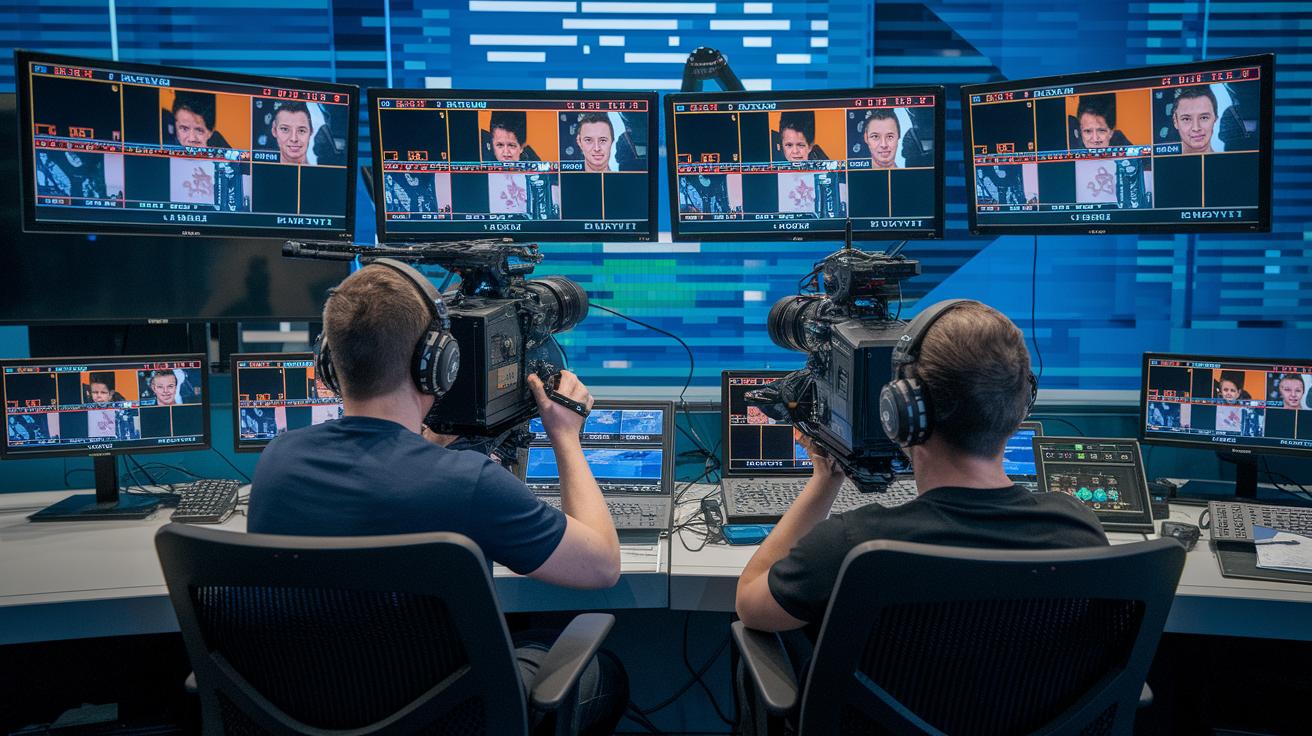
Live Aid truly rewrote the playbook on how to broadcast an event. Imagine a live satellite link reaching 130 countries, where fans everywhere could feel the day's electric energy. Directors at Wembley and JFK coordinated multi-camera setups so perfectly that it was like scrolling through your best concert photos in real-time. Every thrilling moment was shared with the world, making you feel part of something huge.
Behind the scenes, hardworking crews kept the energy alive on every screen. Real-time editing teams switched feeds and added eye-catching graphics, all with the smooth flow of a well-rehearsed play. Camera operators moved like pros between close-ups of passionate performers and wide shots of cheering crowds. Every shot was timed just right, capturing the performers' sparks and the contagious vibe of the live event.
And then there was the stage lighting, absolutely breathtaking. Innovative designs turned each performance into a rock visual spectacle. Picture vibrant beams dancing across the stage, perfectly synced with every beat. It was a moment where raw live music met technical genius, filling the air with magic and unforgettable energy.
Cultural Legacy and Fundraising Impact of Live Aid Performances
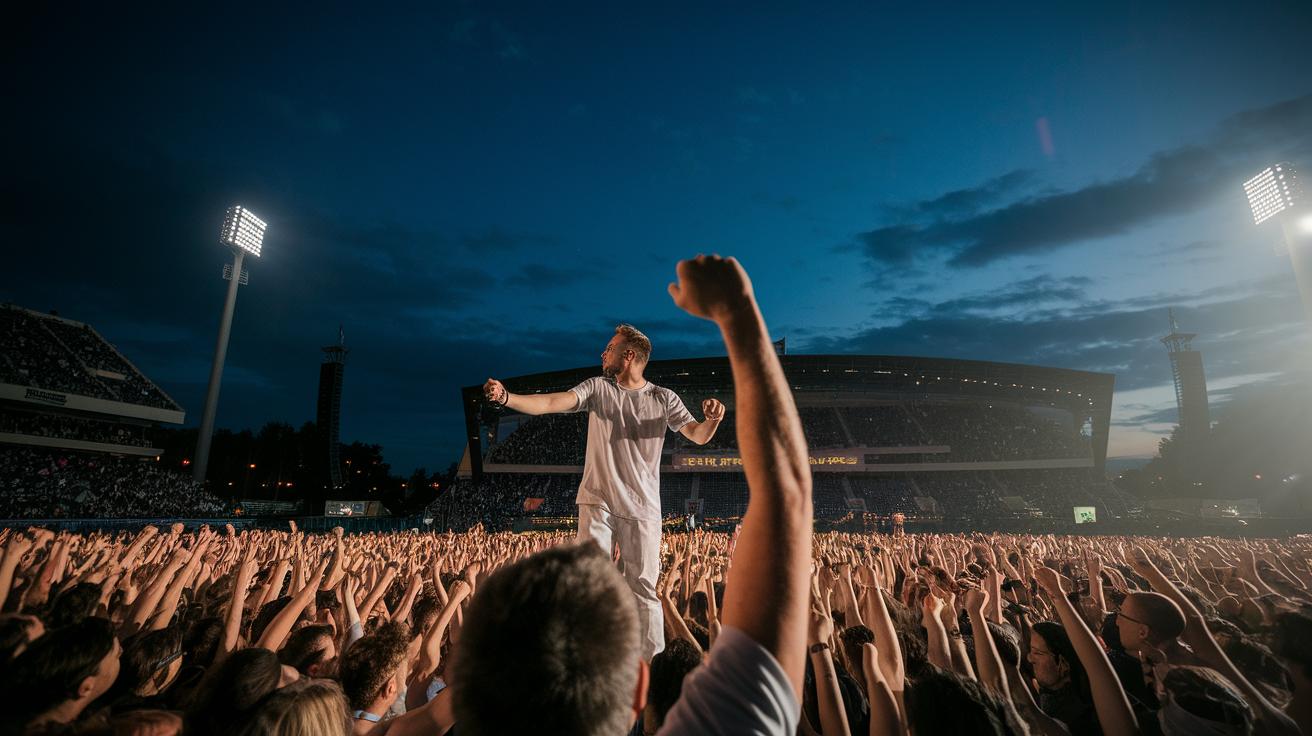
Live Aid brought people together from around the world and raised more than £150 million to help those suffering from famine. Every bit of money raised provided food, medicine, and a spark of hope when it was needed most. It showed that music can cross divides and lift spirits during hard times. Amazing, right?
The energy of that night set a new bar for artists who want to give back. Later events, like Live 8, took inspiration from this groundbreaking concert. By blending an electrifying show with a strong charitable purpose, it proved that entertainment can make real change happen. It was a wake-up call that live music can do more than just entertain, it can unite a community in a big way.
Even decades later, people still remember Live Aid as a turning point in how we approach charity. Documentaries and stories often highlight that one night as the moment when music rewrote the rules for giving back. Think of Queen's incredible post-show success, like the album A Kind Of Magic selling millions. That unforgettable evening continues to light a spark in music fans and inspires new acts to use their talents for good.
Final Words
In the action, we saw how a historic live aid performance set the stage with deep purpose and global energy. The article covered the electrifying Queen set, standout moments that united genres, innovative production that reached 130 countries, and a cultural impact felt through inspiring charity.
This recap reminds us that music isn’t just sound, it’s shared experience and creative spark. It leaves us with hope and excitement for the next frontier of immersive, interactive engagement.
FAQ
What is a Live Aid performance?
A Live Aid performance is a live charity concert held on July 13, 1985, where musicians across venues united to raise funds for famine relief and delivered historic live shows viewed by millions worldwide.
Who were the Live Aid performers and what was the lineup order?
The Live Aid lineup included a diverse mix of acts. Opening artists set the stage for headliners like Queen, whose electrifying performance captivated both live audiences and millions of viewers around the globe.
What songs were performed during Live Aid?
The Live Aid performance songs spanned rock, pop, and early rap genres. Headliners delivered signature hits, including Queen’s stirring “Radio Ga Ga,” unifying the crowd with memorable, high-energy moments.
Is the full Live Aid 1985 concert available to watch?
The full Live Aid 1985 concert is available through various archival sources online. Fans can relive each act’s performance and experience the electrifying atmosphere of this historic charity event.
How can I watch a Live Aid performance on YouTube?
Watching a Live Aid performance on YouTube is simple with official archive channels and fan uploads. A quick search will bring up this monumental event for you to enjoy anytime.
What does Live Aid at 40 mean?
Live Aid at 40 celebrates the 40th anniversary of the historic 1985 event, highlighting its enduring influence and prompting fans to revisit the live performance energy that defined a landmark moment in music history.
Which band stole the show at Live Aid?
The band widely credited with stealing the show at Live Aid is Queen. Their electrifying set, highlighted by a rousing rendition of “Radio Ga Ga,” left a lasting impression on both live audiences and viewers worldwide.
Why did Bob Geldof not want Queen to play Live Aid?
The claim that Bob Geldof did not want Queen to play stems from concerns about performance fit and stage dynamics, a point that is still debated given how Queen’s set became one of the event’s most iconic moments.
Was there a Live Aid performance in 1984?
There was no Live Aid performance in 1984; the event took place on July 13, 1985, gathering musicians worldwide to raise funds for famine relief.