
Have you ever noticed how a digital story can leave you breathless? In our busy world, mixing pictures, sounds, and words turns plain ideas into moments you can almost feel. Imagine your favorite tune playing as a brilliant image lights up your screen. Every detail seems to jump out at you. Clever openings, easy-to-understand comparisons, and a few unexpected facts make these digital tales stick with us. In this post, we'll explore how these creative tricks not only entertain but also make our online chats feel more real and engaging.
Key Approaches to Digital Storytelling Narratives

Digital storytelling mixes photos, sound, videos, and words to create experiences that really connect. It’s like blending an old-school story with today’s digital flair, setting up a scene that grabs you from the start. Imagine a brand kicking things off with a cool fact: "Before digital clocks, folks used sun dials to tell time." That little surprise instantly pulls you in.
This style relies on a clear story path with a beginning that draws you in, a middle that dives deeper, and an end that leaves you thinking or nudges you into action. Digital stories speak with a friendly, personal tone that builds real connections. By adding visuals, catchy sound bites, or short video clips, big ideas become easier to wrap your head around. You can check out more about these storytelling tips at Digital Content.
Interactive digital narratives let you control your journey. You can click on extra details or switch paths, making the story yours to explore at your own pace. Here are a few key ideas for crafting these stories:
- Keep a clear story path that guides you.
- Use pictures, videos, and sound to highlight main points.
- Speak with a warm, personal tone that truly connects.
By focusing on these elements, digital storytelling turns plain messages into lively experiences that inform, entertain, and spark moments of reflection.
Multimedia Story Design Techniques for Digital Narratives

Businesses often mix images, video clips, infographics, and interactive graphics to spark wonder while clearly sharing their ideas. Picture an animated infographic that quickly shows you a product’s features, like a mini movie playing just for you. Begin with a fun fact such as, "In one clip, a customer’s smile speaks louder than words," and you’re instantly drawn in.
There are cool tools that help blend these visuals with clean, simple text. Apps like Adobe Spark, iMovie, Microsoft Sway, WeVideo, Storybird, Animoto, and Canva let storytellers mix visual magic with a friendly message. Imagine tapping on a vivid graphic that reveals a hidden story piece, much like flipping through a bright digital comic. This style of storytelling turns the usual tale into an exciting, interactive journey. For more on these media tools, check out Digital Media Arts.
UX design is a key part of this creative process. By focusing on clear visuals, easy interactivity, and overall charm, every multimedia element is set up to grab and hold your attention.
| Tip | How to Do It |
|---|---|
| Balanced Visuals | Keep the design clear and easy on the eyes |
| Snappy Captions | Write short and engaging texts |
| Clickable Features | Add interactive elements that invite exploration |
These simple techniques turn an ordinary story into a lively digital narrative full of innovation and interactive flair. Enjoy exploring each layer as it comes alive like your favorite live event.
Building Interactive Fiction Frameworks in Digital Storytelling
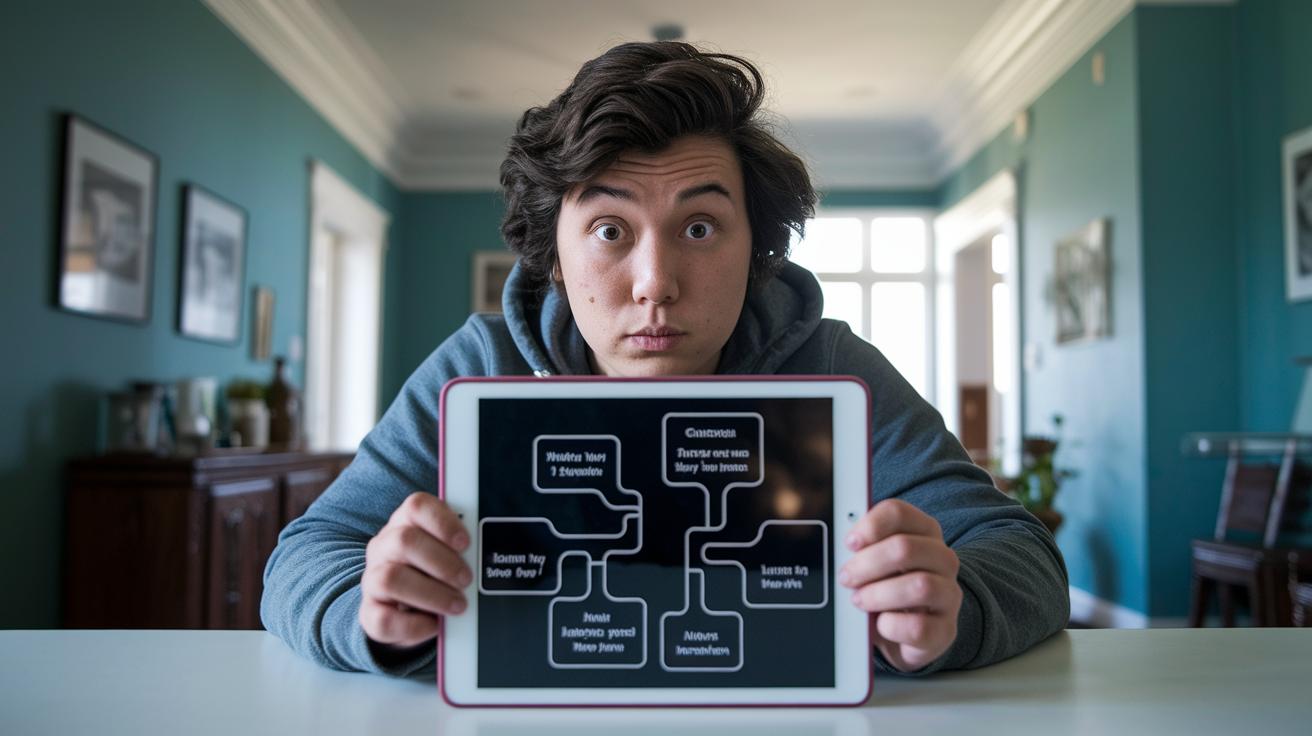
Interactive fiction frameworks give you the power to steer a digital story with your own choices, clickable spots, and fun, game-like features. They let you pick which path to take or which little detail to uncover, making the whole experience feel like your very own adventure. Ever wondered what would happen next? With these tools, you get to decide, just like in your favorite choose-your-own-adventure book. For instance, one reader once took a surprising turn at the very first decision point and completely changed the story’s outcome.
These storytelling techniques run on what we call transmedia methods, which pull in ideas and choices from lots of different platforms. By mixing old-school storytelling with new interactive tools, every story becomes personal and alive. You might even find cool tech like VR or AR, basically, tech that lets you dive right into the action, blending right into the mix. Check out more about these emerging tools at the link provided. Each choice you make helps the story change in real time, so no two adventures are ever the same.
Brands and teachers are also catching on to this magic. They can craft stories that not only look amazing but also invite you to jump right in and help create the plot. The end result is a lively back-and-forth conversation where the audience shapes every twist and turn along the way.
Implementing Nonlinear Plot Structures in Digital Narratives

Nonlinear stories toss out the old straight timeline and mix things up with flashbacks, side stories, and scrambled events. Picture a scene where a big moment is seen again from a fresh angle, like when a flashback shows the hero’s childhood memory turning her whole life around. Suddenly, the flow jumps around, inviting you to piece together the puzzle at your own pace. This way of telling the story adds a hint of mystery and makes you feel like you’re uncovering hidden bits of the tale.
Dynamic pacing is key to keeping the excitement alive. Imagine interactive checkpoints or real-time reactions that change the beat of your digital story as it unfolds. For example, when a character’s secret slowly comes to light, you might get a chance to click on a hotspot and decide whether to learn more about the past or jump ahead to see the present’s outcome. Hypertext links work like signposts, guiding you to the next part of the adventure. Every twist and turn feels part of a living, breathing narrative that you really control.
Developing Digital Character Arcs and Story Architecture Analysis

Digital character arcs show how a hero grows over time through different moments. They let you feel every twist and turn by mixing words, pictures, and sounds that capture each change. Imagine a scene where a character gazes into a rain-soaked mirror and suddenly sees how deep life really is. Such vivid moments draw you in and make the journey feel real.
Story architecture frameworks work like a map that marks all the big beats of the story. Think of it as a series of branching paths where you can experience different turns, a warm chat, a thrilling escape, or a quiet moment to reflect. Picture standing at a crossroads with a single decision: do you face the challenge head-on or take a step back to regroup? These moments make the story feel alive and interactive.
UX design plays a key role in tying it all together. Every smooth transition, color change, and sound choice is placed carefully to keep the story flowing nicely. This thoughtful design makes it easy to stay immersed, just like being right in the middle of a live, unforgettable performance.
Applying Transmedia Arc Creation to Digital Storytelling

Transmedia arc creation lets you spread a story across different digital spaces. Picture a tale that starts on social media, carries on a special website, unfolds through fun video episodes, and even sprinkles in some podcast segments for extra flavor. Each bite-sized piece comes together to create a living, connected universe.
Imagine a tweet that drops an intriguing fact, igniting curiosity that grows with every new blog update. Each part adds to the overall story, so no matter where you catch it, the theme and message remain clear.
Multi-platform story crafting means using every tool in your digital toolbox, from a snappy Instagram clip to a detailed video burst, to keep your audience hooked. With smart planning and a steady theme, each channel builds on the others, creating a digital saga that evolves as people interact with its many layers.
It’s like watching your favorite series, where every episode adds a spark, making you feel like an active part of the unfolding adventure.
Leveraging Real-Time Narrative Editing and Smart Story Algorithms

Live editing tools let digital storytellers switch up their narrative on the fly. They make it possible for the story to change as you interact, keeping everything lively and fresh. It’s a lot like watching a live performance, where every moment adjusts to match your vibe. Smart pacing tools even help set the rhythm for each part, ensuring that every scene feels just right.
Working quietly behind the scenes, smart narrative algorithms sort out content in a way that feels tailor-made for you. They keep an eye on how people react and then tweak the storyline so the excitement never fades. Ever notice how one choice from a character can flip the entire outcome? That’s the magic at work. And yes, these tools are designed with care, they handle your data responsibly and steer clear of bias (you can read more about that here: https://vasthysfriends.com?p=1890). All in all, this dynamic, live customization creates an experience that’s both engaging and uniquely yours.
Tracking Digital Storytelling Trends and Online Plot Development
Digital storytelling has truly evolved from simple websites in the early 90s into lively, interactive experiences. By 2025, web agencies have become genuine digital partners, blending creative storytelling with marketing and education. This shift has sparked trends that keep fans engaged and excited every day.
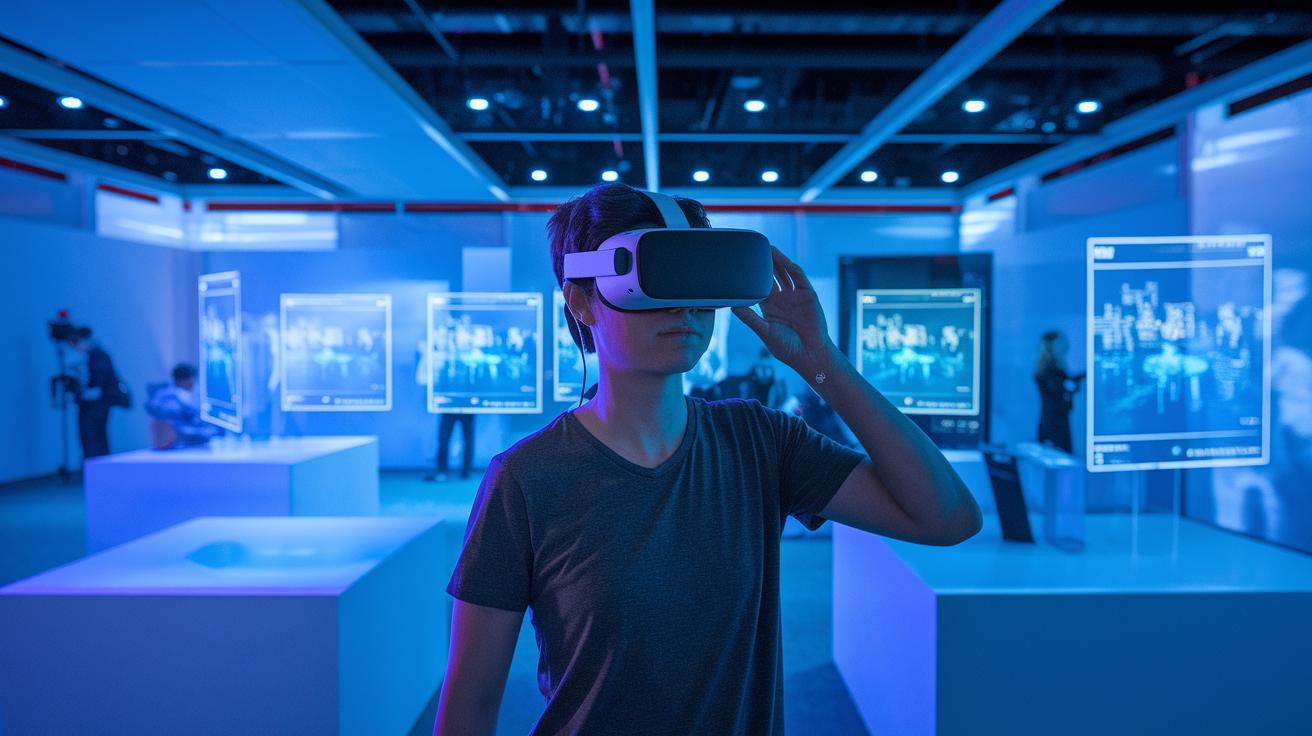
Now, immersive VR and AR experiences let you literally walk into the story. Imagine strapping on a headset and suddenly finding yourself in a busy, vibrant virtual exhibition, it feels so real. Episodic social media series are also making waves, turning everyday posts into mini-adventures that keep you coming back for more. And then there are interactive live events where you, the viewer, play a key role in the unfolding narrative.
Data now plays a huge part in shaping these digital tales. Companies use real-time feedback to tweak their storylines so every twist hits home. This strategy builds trust and makes each narrative stand out. Check out some of the key practices they use:
| Practice | Description |
|---|---|
| Monitor Audience Interactions | Keep an eye on how people engage with your content in real time. |
| Adjust Narrative Beats | Tweak your story on the fly to make sure every twist resonates. |
| Experiment with Sensory Cues | Play around with different visuals and sounds to enhance the experience. |
These smart strategies keep digital storytelling fresh and full of life. As new tools and techniques evolve, they push the boundaries of what online stories can do. When technology meets creativity, you really get that magical spark that turns simple content into unforgettable interactive adventures.
Final Words
in the action, the blog post showed how combining images, audio, and interactive choices creates a rich, modern experience. It explored digital storytelling methods that mix personal voice with clear structure, multimedia elements, and branching narratives. Interactive frameworks paired with real-time editing tools let users shape their adventure, proving that narrative techniques in digital storytelling are truly exciting. The content encourages stepping into creative spaces and engaging fully with every twist of the story. Enjoy turning each page of your digital story into an immersive, shared experience.
FAQ
Where can I access narrative techniques in digital storytelling materials like PDFs, examples, and PPTs?
The narrative techniques resources combine clear guides, illustrative examples, and slide presentations. They show practical methods for building multimedia stories that work well in various creative projects.
What digital storytelling examples are available for students, college, or high school?
Digital storytelling examples for educational settings feature engaging projects that mix images, videos, and sound. They help students learn storytelling basics while inspiring creative expression in academic work.
What are the 7 elements of digital storytelling?
The 7 elements of digital storytelling include a clear purpose, structured arc, personal voice, multimedia integration, engaging visuals, reflective prompts, and a call to action, which work together to form compelling narratives.
What are the 5 C’s of storytelling?
The 5 C’s of storytelling focus on clear communication, creative construction, cohesive character development, credible context, and compelling content. They provide a framework for making stories that grab and keep attention.
What are digital storytelling methods?
Digital storytelling methods blend traditional narrative forms with photos, audio, video, and interactive elements. These techniques work together to produce stories that captivate audiences across multiple digital channels.
What are the 5 P’s of storytelling?
The 5 P’s of storytelling include purpose, plot, pace, perspective, and presentation. Each aspect contributes to crafting immersive stories that engage viewers and guide them through the narrative.
What interactive digital storytelling examples exist?
Interactive digital storytelling examples feature branching paths, clickable elements, and gamified features. They empower users to make choices that influence the story, resulting in a more engaging and personalized experience.