Have you ever thought about how one simple space can spark amazing startup ideas?
Innovation hubs draw in entrepreneurs, tech fans, and experts who share a love for creativity, all in one bright, lively setting.
These spaces let simple ideas come to life through hands-on sessions and buzzing coworking spots where every corner feels electric.
They’re packed with practical tools and real energy that help teams shape ideas quickly, almost like magic unfolding right before your eyes.
In this article, we’re diving into the world of these creative hubs and exploring why a blend of inspiring spaces and smart support is the perfect recipe for turning little sparks into brilliant achievements.
Innovation Hub: Definition and Core Purpose

An innovation hub is a lively spot designed to spark creativity and bring people together, startups, big companies, researchers, and community members all join in. It’s like a buzzing tech center where creative people share ideas and work together to solve problems. These hubs are usually set up in converted buildings with fast internet, making it easy for everyone to interact face-to-face and inspire one another in real time.
Thanks to coworking spaces and structured 12-week accelerators, along with plenty of helpful resources, innovation hubs turn ordinary offices into creative playgrounds. They’re filled with opportunities for hands-on lab sessions where experts from many different areas unite to tackle big challenges. Imagine a session where a rough idea is turned into a market-ready product in only a few hours, proof that shared creativity can work wonders.
Large institutions also jump in by providing fresh talent and key research support. In these energetic spaces, entrepreneurs find the perfect mix of creative energy and practical tools to test and shape their ideas, lighting the spark that often leads to successful startups.
Key Components of an Innovation Hub

Innovation hubs spark creative energy and help startups shine by mixing cool spaces with fun, interactive sessions. These centers bring together flexible work areas, hands-on tech labs, and creative academic spaces where teamwork is the norm. Designers and tech fans gather in design-thinking meetings that turn ideas into real projects super fast. For example, imagine one lively session where a simple idea led to a life-changing app in just one afternoon.
These hubs offer awesome physical spaces like coworking zones and prototyping labs loaded with 3D printers and other neat tools. They also get a boost from funding programs and key partnerships that help ideas go from planning to market success. Programs like digital transformation labs give you clear, step-by-step ways to experiment and grow. And those design-thinking sessions? They help sculpt raw ideas into smart, practical solutions.
| Component | Description |
|---|---|
| Flexible workspaces | Coworking and private offices |
| Prototyping labs | 3D printers, CNC machines |
| Accelerator programs | 12-week structured incubators |
| Networking areas | Event zones for workshops and meetups |
By blending modern facilities with engaging sessions, innovation hubs set the stage for breakthrough ideas. These tech labs and digital transformation spaces let creative minds experiment, learn, and grow, turning everyday inspirations into amazing realities.
Innovation hub Sparks Creative Startup Success

Today’s innovation hubs are all about real, measurable wins. They mix fresh case studies, clear impact numbers, and the latest trends to stand out from the usual support systems. One startup, for instance, hit the market 33% faster after joining a focused, energetic workshop. One founder even said, "I slashed my launch timeline by half after that high-energy session!"
- Accelerated growth: Startups become market ready 33% faster.
- Measurable impact: 62% of companies have seen revenue boosts after targeted coaching, just like in the case studies.
- Outcome workshops: Sessions blend seed funding challenges with expert feedback to speed progress.
- Strategic collaborations: Alliances with tech partners open up new ways to build credibility.
- Performance mentorship: Step-by-step guidance now leads to market readiness instead of vague advice.
- Real-time networking: Weekly live events spark collaborations that quickly turn ideas into action.
These success stories and clear numbers show a fresh wave of startup growth, capturing that electric buzz and real impact of modern innovation hubs.
Programs and Services Offered by Innovation Hubs

Innovation hubs bring together a range of services that spark creativity and turn ideas into real projects. Imagine a design thinking workshop where a simple sketch quickly grows into a working prototype, it's that kind of hands-on magic. And then there are open innovation events like OpenIX, where startups and established companies mix and share ideas in a relaxed, energetic space.
Digital skills bootcamps are a big part of the fun too. Take coachLab’s Engineering & ICT bootcamps, for example, they dive right into the latest tech tools with plenty of practical exercises. Plus, schools FabLab initiatives help kids learn about digital fabrication and 3D printing, making sure young minds get a feel for these in-demand skills.
Networking comes alive at events like the Venture Café, where entrepreneurs connect with potential partners, mentors, and investors. These gatherings create an atmosphere that helps small ideas blossom into market-ready solutions. Then there are community accelerator events and corporate accelerator partnerships that guide participants through focused training, live pilot trials, and instant feedback over a few weeks.
Collaborative workshop series and idea showcase events add even more support. Picture a session that starts with an idea showcase and smoothly shifts into a hands-on workshop, everyone leaves buzzing with energy and ready to take the next step.
Building a Collaborative Ecosystem in an Innovation Hub
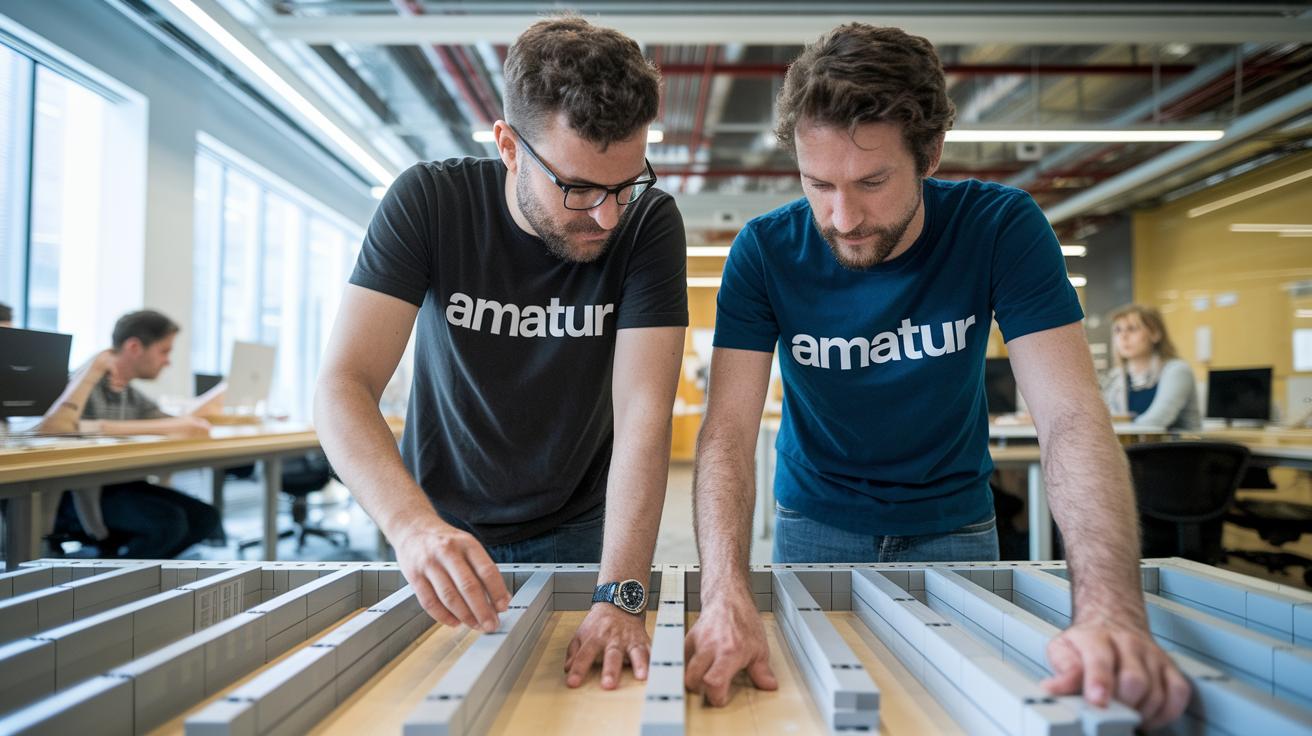
Innovation hubs really come alive when they build a strong community of partners and friends. Cities mix old buildings with fresh ideas, working closely with local universities and tech companies. Big names like universities and research centers not only offer up new talent but also spark creative projects by teaming up with other research groups. It’s common to see experts and entrepreneurs in relaxed lab settings, where a casual chat can turn a wild idea into a real-world project.
Local startups get a serious boost from these cross-industry partnerships and hands-on programs that tear down old barriers. Imagine a spirited session where a university lab and a tech company join forces to prototype a smart gadget, it’s a great example of how academic smarts and corporate know-how work together. Cities also bring different industries together to host groups where creative minds and practical experience blend seamlessly. Programs like CIC’s Japan Desk or CIC’s Berlin Innovation Campus show that working together across borders and sectors can take local ideas to the global stage.
At its heart, this teamwork isn’t just about sharing tools and space. It’s also about bringing diverse perspectives together that light up fresh solutions. By cherishing every link, from local research partnerships to ties with tech companies, innovation hubs create lively ecosystems where ideas grow fast and startups turn into success stories.
Case Studies of Prominent Innovation Hubs

Case Study 1: In Gauteng Province, the Innovation Hub is a public agency started by the Department of Economic Development. It partners with local incubators like Maxum Business Entrepreneurs, Climate Innovation Centre South Africa, and eKasiLabs to offer lots of hands-on services. Sometimes a workshop gathers teams for coachLab sessions in Engineering & ICT, Green skills, and Industry Exposure, while at other times, tender projects open the door for fresh ideas. This approach shows how a regional tech center can spark startup creativity by mixing practical training with real business opportunities.
Case Study 2: The Cambridge Innovation Center, or CIC, is a shining example of a global innovation space. They feature collaborative coworking areas and well-organized accelerator programs that bring startups and established companies together. Every week, their Venture Café events create an upbeat setting where innovators meet, share ideas, and build on each other’s energy. There’s even a special Japan Desk to help bridge cross-border collaborations. And with the expansion of their Berlin campus, CIC shows it can take local talent and spread its dynamic approach to new markets.
Both stories highlight different paths to growth. The Gauteng Hub nurtures community talent and boosts the local economy through focused training and incubation. Meanwhile, CIC combines flexible workspaces, accelerator sessions, and global outreach to support entrepreneurs at every step. Imagine an entrepreneur polishing their idea amid an energetic coworking session. Whether it’s a regional tech hub or a worldwide innovation platform, creative startup success comes from blending collaborative spaces with solid support.
How to Engage with or Launch Your Own Innovation Hub

First, figure out what makes your hub special. Think of it like planning your own tech showcase. What sets you apart from the rest? You can invite new members using business incubation forms or by answering calls for tenders. Many hubs even offer different membership levels. Some members get reserved desks, access to cool labs, and special event spaces. One startup owner mentioned that having a reserved desk really sharpened their team's focus.
Next, work on creating strong partnerships. Look for local universities and tech companies to join forces with. These anchor partners help you tap into new talent and mentor-driven projects. Make sure your innovation membership reviews and startup support clearly show the perks of joining the hub.
Key steps to get started include:
| Step | Description |
|---|---|
| Define Your Value Proposition | Pin down what makes your hub unique and the niche you serve. |
| Secure Anchor Partnerships | Connect with universities and tech firms for research and talent. |
| Design Clear Program Offerings | Create programs ranging from idea incubation to tech open houses. |
| Establish Governance | Set up simple tools for scheduling events and managing operations. |
| Launch Pilot Events | Hold initial events and use a summit registration process to build an early community. |
Following these steps sets up a space where creative minds can connect, share ideas, and grow together. It’s like inviting a group of friends to join an amazing experiment where every idea counts. Enjoy the process and watch your innovation hub come alive!
Final Words
In the action, the article explored how an innovation hub sparks creative teamwork with flexible workspaces, lab sessions, and accelerator programs. It highlighted ways to connect with inspiring events, case studies, and engaging community experiences across digital platforms. Each section painted a clear picture of dynamic spaces where ideas flourish and partnerships grow. Enjoy the momentum and keep embracing bold moments that push entertainment and creativity to new heights.
FAQ
What is an innovation hub?
The term innovation hub describes a space set up to foster teamwork among startups, established companies, and researchers. It offers coworking areas, prototype labs, and accelerator programs to help bring ideas to market.
How do innovation hubs make money?
Innovation hubs make money through membership fees, program subscriptions, and partnerships with corporate or public organizations. They also benefit from event hosting and sponsorships that support their operations.
Who owns and leads innovation hubs?
The ownership and leadership of innovation hubs vary widely. Some are managed by government agencies, while others are led by private firms with CEOs or directors who oversee daily operations.
How is 3D printing used within an innovation hub?
Innovation hubs incorporate 3D printing in their labs to help innovators build rapid prototypes. This tool speeds up the creation of tangible models and refines ideas during collaborative lab sessions.
What are some examples of innovation hubs, including those like Little Rock, FSU, and Microsoft?
Examples of innovation hubs appear in various settings, from spaces in Little Rock and FSU to those backed by corporations like Microsoft. Each offers unique programs and resources tailored to local and business needs.
What types of ideas and career opportunities do innovation hubs offer?
Innovation hubs spark creative ideas through study rooms, workshops, and networking events. They also open doors to jobs in tech support, program management, and startup support, fueling professional growth.