
Ever notice how music can fill a room with energy? When every note feels like it’s dancing just for you, it turns ordinary sound into a live, exciting experience.
In this article, we dive into the magic behind the music. We explain how sound can transform a space so that you feel like you’re at the heart of a show.
We’ll share some cool tricks that make this possible and give you a whole new way to enjoy your favorite beats. Ready to discover what makes these sound effects so amazing?
How Immersive Music Experiences Work
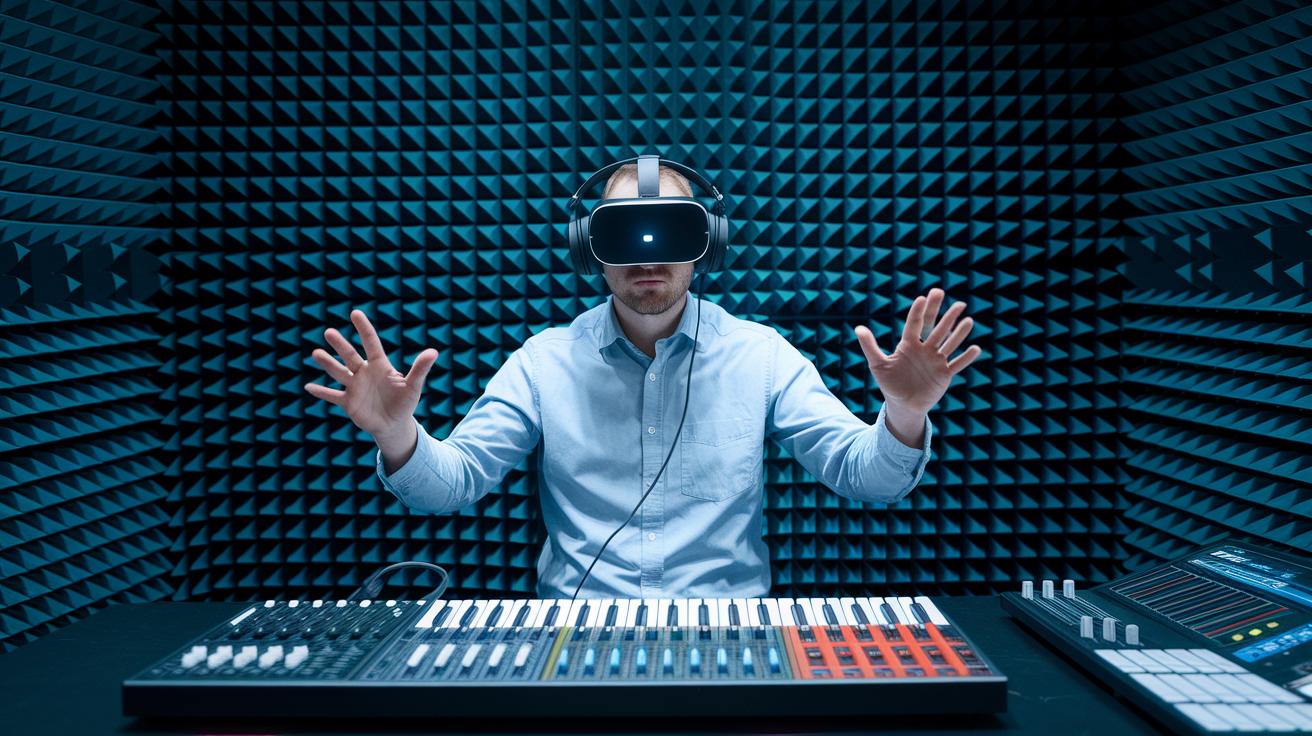
Immersive audio changes the way we listen. Instead of simple stereo that only shifts sounds left or right, this setup scatters them all around you in a three-dimensional space. Imagine hearing a sharp snare hit suddenly pop up behind a soaring vocal, it feels like the music is dancing around you, just like being right in the middle of a live show.
But that's not all. Beyond placing sounds all over the space, immersive music brings storytelling into the mix. With tools like virtual reality that mix sound with cool visuals, you step straight into the scene. Ever listen to a song where a soft piano quiets down into an echo and then bursts back with full energy, almost like it's having a little chat with you? That’s immersive music for you, it turns a simple track into an interactive adventure that touches your senses and makes you feel every beat as if you were watching your favorite performer live.
Spatial Audio Technology in Immersive Music
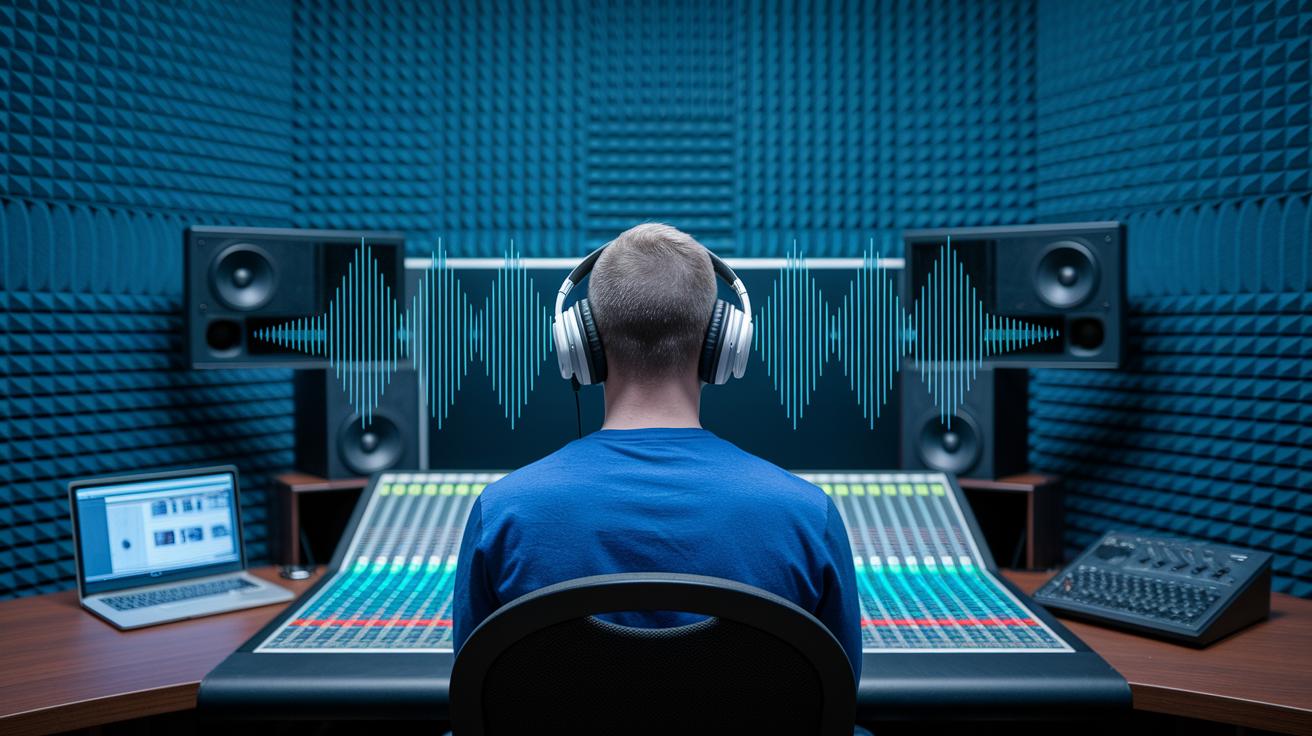
Immersive music isn't just about the tune, it’s about surrounding you with sound that feels truly alive. With cool tech like Apple Spatial Audio and Dolby Atmos, sounds aren’t stuck to just left and right; they swirl around you, making each note appear almost right beside you. Engineers mix stereo-widening techniques and compare mono versus stereo to ensure that every sound stays crisp and clear, no matter where you listen.
And then there are the real-time panning tools and 3D audio interfaces that let creators move sounds along all three axes. Imagine the musical space coming alive, each beat and melody feeling dynamic, almost as if you're sharing the front row at the concert. If you're curious for more details, check out “How Immersive Audio Works” to dive deeper into the platform standards behind these innovations.
Spatial audio is the spark that makes modern music feel vibrant and full of energy. Here are some key technologies making waves today:
| Technology | Description |
|---|---|
| Apple Spatial Audio | Places sounds precisely where they belong for a lifelike experience |
| Dolby Atmos | Wraps you in multiple layers of sound |
| Ambisonics | Delivers full-sphere audio for both headphones and speakers |
| Binaural Recording | Captures sound in a way that mimics your natural hearing |
| Real-Time Panning Tools | Let creators dynamically move sound across three dimensions |
Together, these technologies turn a regular track into a vibrant, interactive soundscape. Each instrument, vocal, and effect finds its own spot in the mix, making you feel like the music is performing just for you. Ever felt that rush when a sound moves in ways you didn't expect? That's immersive audio bringing a whole new level of life and energy to every note.
Immersive Music Experiences Explained: Live Energy
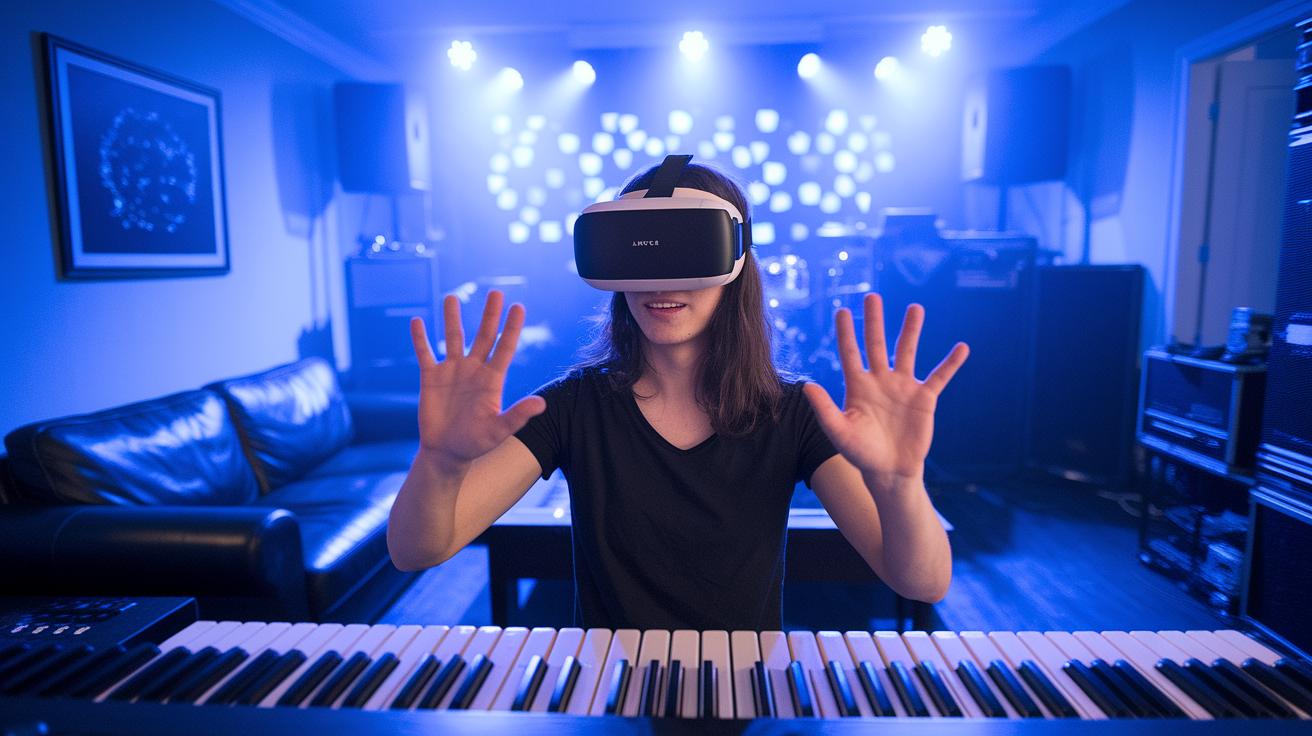
Imagine walking into a digital arena where every beat and light feels as real as a live show. Back in 2021, a virtual concert brought together 12 million people from all over the world, proving that online experiences can capture the same vibrant spirit as in-person events. It’s like feeling the rush of a live performance from your own home while breaking down the barriers of traditional concerts. Think AR meet-and-greets and immersive listening parties, by 2023, a quarter of the crowd was using special hardware to interact with the show as it happened. And then there was Europe’s first WebAR concert, where singers and fans connected effortlessly just with a QR scan, no app needed. Every note and beat felt like it was made just for you.
These stories show us that immersive music isn’t just about sound, it’s about experiencing live energy in surprising, interactive ways. Take the XR-award-winning VR piano training app, for example. It transforms music lessons into a lively, real-time experience with hands-on feedback. Projects like this mix creative storytelling with live performance stats, redefining how we enjoy and connect with each tune.
| Use Case | Key Feature | Audience Impact |
|---|---|---|
| Virtual Concert | Global Live Streaming | 12 Million Live Viewers |
| WebAR Concert | No App Download Required | Easy, Inclusive Access |
| VR Piano Training App | Immersive Feedback | XR Award Recognition |
Creating Immersive Music: Production Techniques
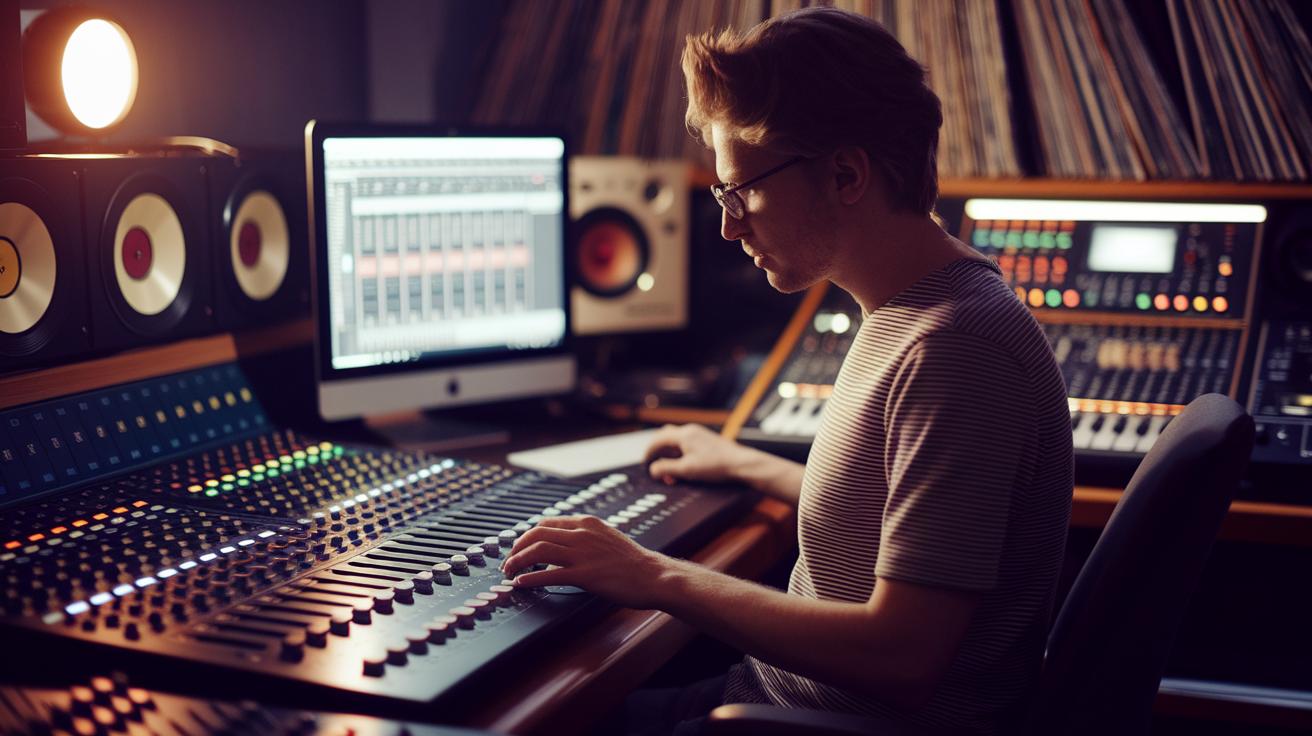
Creating immersive music starts with a well-planned session setup. Producers get everything sorted by deciding how to mix fixed channels and movable sound objects. They set up separate tracks for instruments, vocals, and effects, kind of like fitting together pieces in a puzzle. For instance, you might have a smooth synth line drifting lightly above a steady beat while the bass stays deep and grounded. This careful setup lays the groundwork for a mix where every sound finds its perfect place.
Next, the focus shifts to adding depth and clarity. Here, producers use neat tricks like reverb on specific spots, moving sounds from one side to the other (dynamic panning), and tweaking the balance between center and sides (mid-side processing). Imagine a guitar riff slowly sliding from left to right or soft background sounds gradually swelling in a chosen area. These techniques make the audio feel alive, almost like you’re catching a live show that keeps changing before your ears.
Finally, everything gets fine-tuned for the best listening experience. At this stage, engineers use advanced tools with cool 3D views to move sounds around on the fly. They carefully position each audio piece to create a truly immersive feel. Then, the mix is prepared for systems like Dolby Atmos, a platform that brings surround sound right to your ears. Rigorous testing on everyday headsets and speakers ensures that the mix sounds great everywhere, linking the magic of studio work with the joy of real-life listening.
Audience Engagement in Immersive Music Experiences
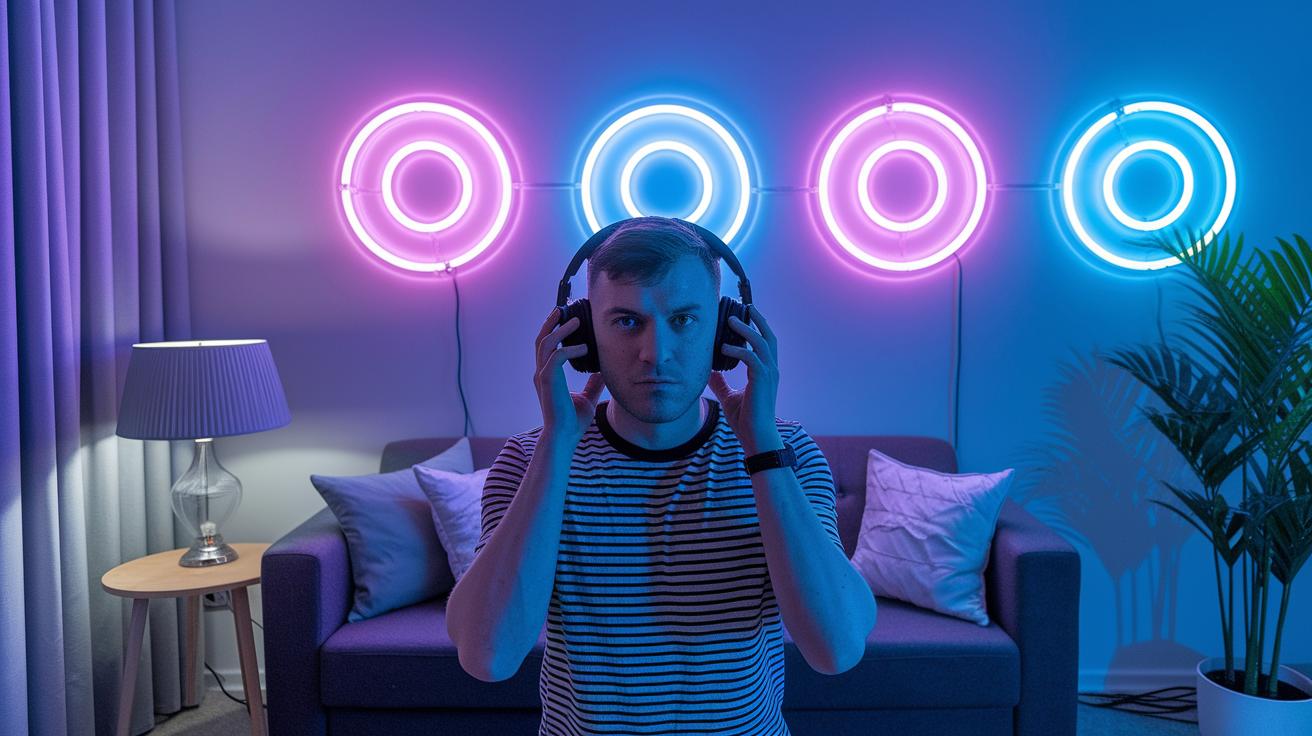
Immersive music experiences tear down physical barriers, letting fans dive into the thrill no matter where they are. Imagine lounging at home while feeling the electric buzz of a live show happening thousands of miles away. It’s like being lifted from your cozy living room into a bustling venue, filled with vibrant energy and soul-stirring beats.
When creative minds band together, pure magic happens. Musicians, tech wizards, and visual artists team up to craft shows where every sound, light, and move feels spot-on. It’s kind of like a live conversation between the stage and your senses, drawing you in with every beat and splash of color.
These immersive experiences do more than just entertain, they hit right in the feels. With clever tricks to captivate listeners and carefully tuned sound engineering, every performance connects deeply with your heart. The live entertainment world is booming, and as it grows, so does the way it makes you feel every note, every flash of light, and every surge of emotion.
Future Trends in Immersive Music Experiences
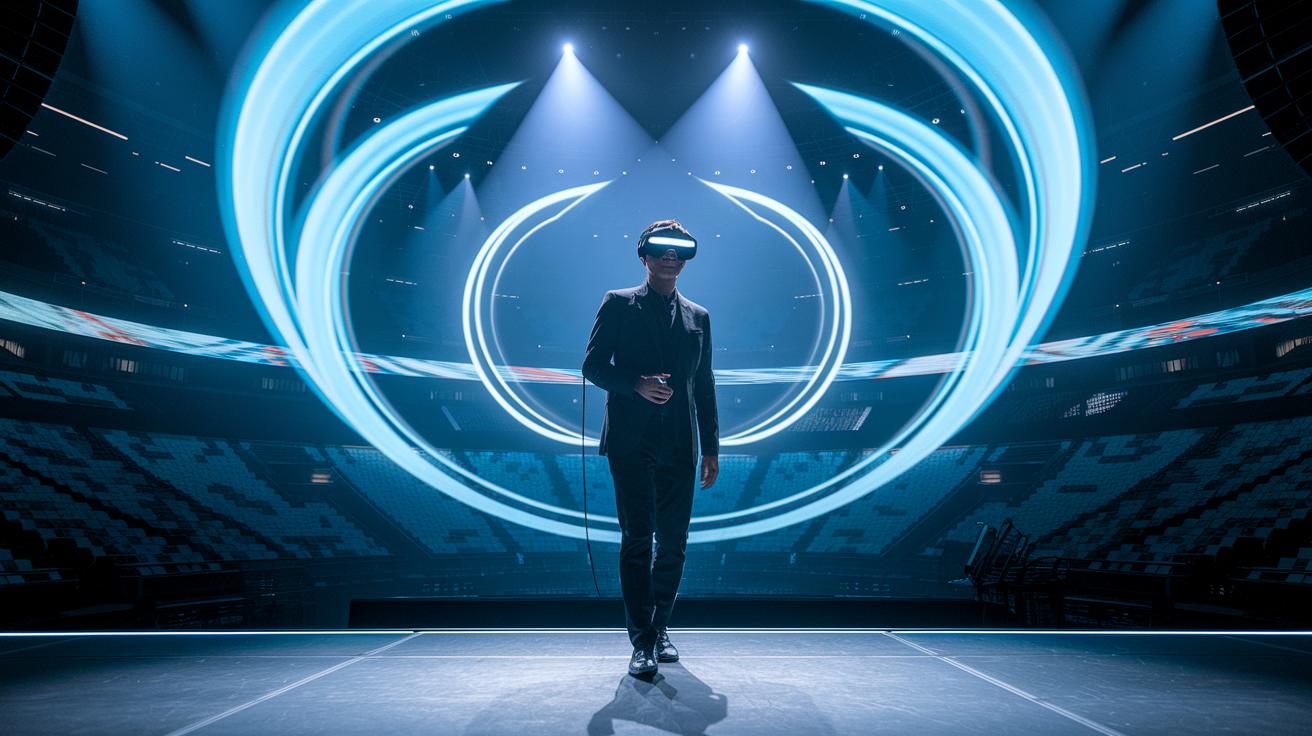
Get ready for a new era in live music! Soon, immersive music will flip the script on how we enjoy concerts. Imagine every beat of the music perfectly synced with dazzling visuals, creating a show where every note and image work together like a well-rehearsed dance. With virtual ticketing, XR-enhanced album drops (that is, using advanced digital tech to mix reality and performance), and hybrid concert formats, artists are breaking free from old models. New VR and AR gadgets coming in 2025 will speed things up, and rising stars like Harmony Redford are blending genres and space in exciting ways. It's like stepping into a dream concert that you used to only think about.
Meanwhile, inventive sound and visual platforms are changing the game even more. These fresh ideas mix audio and video so seamlessly that the line between watching a show and living it completely fades away. More artists are turning to these creative tools to craft immersive stories where every pixel and note creates a buzzing, live atmosphere. This new approach is all about making you feel like you're part of the experience, redefining what it means to enjoy live entertainment.
Final Words
In the action, this post highlighted how immersive music experiences work, blending innovative spatial audio, creative concert setups, and modern production techniques. It broke down the tech behind moving sound, the art of engaging storytelling, and how virtual settings bring fans together. The guide on immersive music experiences explained above shows that this field continues to push creative boundaries and unite communities. Stay excited and keep exploring the next beats in digital entertainment.
FAQ
What does immersive audio experience mean?
The immersive audio experience means a 3D sound setup that surrounds you with layers of audio. It creates the feeling of being at a live event with sounds coming from every direction.
What are immersive sound speakers?
Immersive sound speakers are designed to fill a room with deep, multidirectional sound. They create a realistic audio environment by placing audio in multiple areas around you.
What do immersive audio headphones do?
Immersive audio headphones offer a personal 3D sound experience. They deliver layered, directional audio that makes you feel like you’re in the middle of a live performance.
What is immersive audio?
Immersive audio is a technology that arranges sound in a three-dimensional space. It goes beyond standard stereo, placing audio around you to create a more engaging listening experience.
How does immersive audio differ from spatial audio?
Immersive audio emphasizes a full 3D environment while spatial audio focuses on precise sound placement. Both techniques aim to create a realistic sound field, but they approach it in slightly different ways.
What does immersive audio on Spotify involve?
Immersive audio on Spotify involves using advanced technology to create a 3D listening experience. It adds depth and movement to tracks, making the music feel more alive and engaging.
How does immersive sound compare with Dolby Atmos?
Immersive sound and Dolby Atmos both create a 3D audio field. Dolby Atmos is a specific technology that delivers detailed spatial sound, while immersive sound can include various techniques to enhance the listening experience.
Is immersive sound good?
Immersive sound is considered good because it enriches listening by surrounding you with audio. It transforms music, movies, and games into more lifelike experiences that captivate your senses.
What is immersive music?
Immersive music is crafted to surround you with sound from every angle. It uses advanced mixing techniques to layer effects and create a performance that feels like you are right in the middle of it.
What’s the point of immersive audio?
The point of immersive audio is to boost your listening experience by making sound feel as real as live events. It adds depth and movement, pulling you into the heart of the audio experience.
What qualifies as an immersive audio album?
An immersive audio album qualifies when its tracks are mixed to produce sound from multiple angles. This design wraps you in a rich, layered musical environment that enhances the overall experience.
What is the difference between spatial and immersive audio?
The difference is that spatial audio focuses on exact placement of sounds, while immersive audio creates an all-around environment. Both techniques aim to make the listener feel closely connected to the sound field.