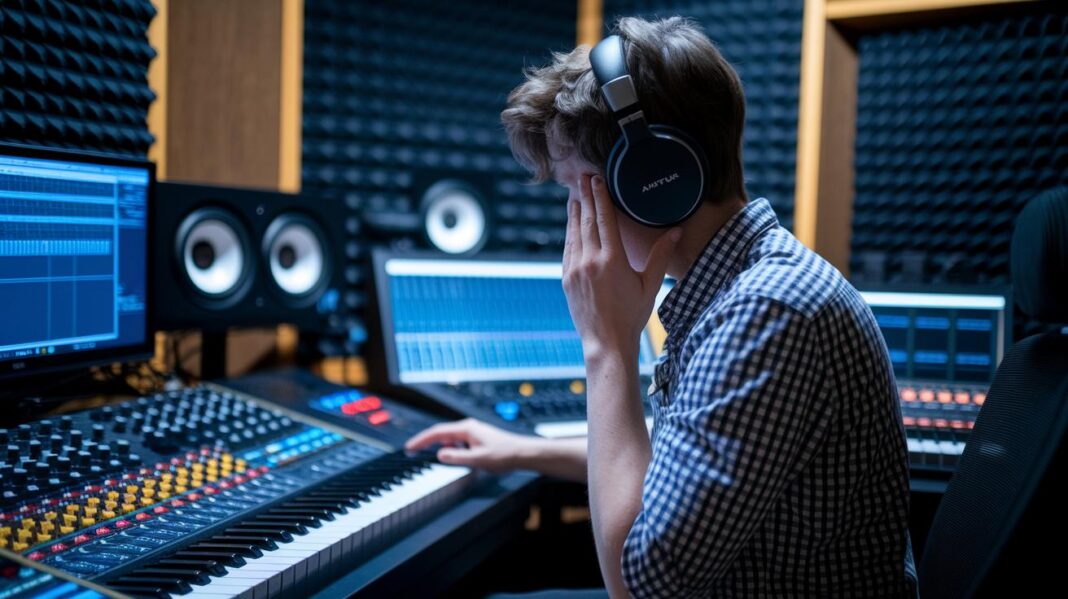
Ever wondered if a digital music platform could give you the feeling of a front-row concert? This review takes you on a journey through top services that deliver clear, studio-grade sound mixed with the thrill of a live show, all from the comfort of your living room.
Each service has its own style, whether it’s crystal-clear tracks or layouts that let you quickly find that song that lights up your day. We dig into what makes these platforms special for true audio fans and explore why one might just be the perfect sound match for you.
So, get ready to find your groove and feel every note like it's happening right in front of you.
Comparative Performance of Immersive Digital Music Platforms
Checking out the top digital music platforms of 2025, you'll quickly notice how each one brings its own unique vibe. Qobuz really stands out. For $12.99 a month, it offers FLAC streaming at 24-bit/192 kHz, imagine the crisp, high-energy sound of a live concert right at your fingertips. With a massive library of 240,000 hi-res albums, it’s easy to see why audiophiles love it.
Tidal is another favorite, mixing high-quality FLAC streaming with plenty of plan options, just $10.99 for individuals, $16.99 for families, and $5.49 for students. This variety makes it easy to find a plan that suits your mood and needs.
Apple Music steps up the game too. It delivers ALAC lossless audio along with Spatial Audio support, creating a surround-sound feel that pulls you right into the action. And its price points are very similar to Tidal’s, making it a solid choice for music lovers.
Amazon Music Unlimited brings extra excitement by offering both lossless and Ultra HD tracks for $10.99 per month. It even integrates smoothly with Prime benefits and uses smart Alexa controls, so you can take command of your music without missing a beat.
Then there’s Spotify. Even though it streams at 256–320 kbps, it remains a crowd-pleaser with over 100 million tracks. Its AI-powered DJ mode and social sharing features build a strong sense of community. Plus, enhancements like Dolby Atmos and 360 Reality Audio add an extra layer of immersive sound that feels almost tangible.
For a deeper dive into these immersive vibes, check out the links to learn more about the world of immersive music experiences and what it really means to feel the beat.
This quick snapshot is here to help you figure out which service hits all the right notes for your audio adventures. Find your sound match and let the music take over!
User Interface and Navigation on Immersive Digital Music Platforms
Digital music platforms are all about making every tap and swipe feel natural, so you can jump into your favorite tunes in a flash. Take Spotify, for example. Its web and native apps come packed with features like shared playlists and a smart DJ mode that picks the right tracks for you, kind of like having a digital buddy who always knows just what you need.
Then there’s Amazon Music, which makes things super simple with Alexa voice commands. Just say the word, and your music starts playing without you even needing to lift a finger.
Apple Music, on the other hand, uses a clean, tab-based layout that fits right in with the familiar look of your iPhone or Mac. It’s like flipping through a well-organized photo album, each tap revealing a new memory.
Tidal’s interface is neat and easy to navigate, with clear Hi-Res tags that help you spot the highest quality sound right away. And over at Qobuz, vibrant album art blends with smart hi-res recommendations, turning browsing into a visual treat and a smooth, artistic journey.
All these platforms let you download tracks for offline listening, sync your music seamlessly across devices, and even customize your home screen. It’s a bit like switching channels on your favorite radio, effortless and familiar.
This smart, user-friendly design makes the whole experience immersive. It pulls you into the music and keeps you connected to every beat you love.
Audio Fidelity and Spatial Sound in Immersive Digital Music Platforms
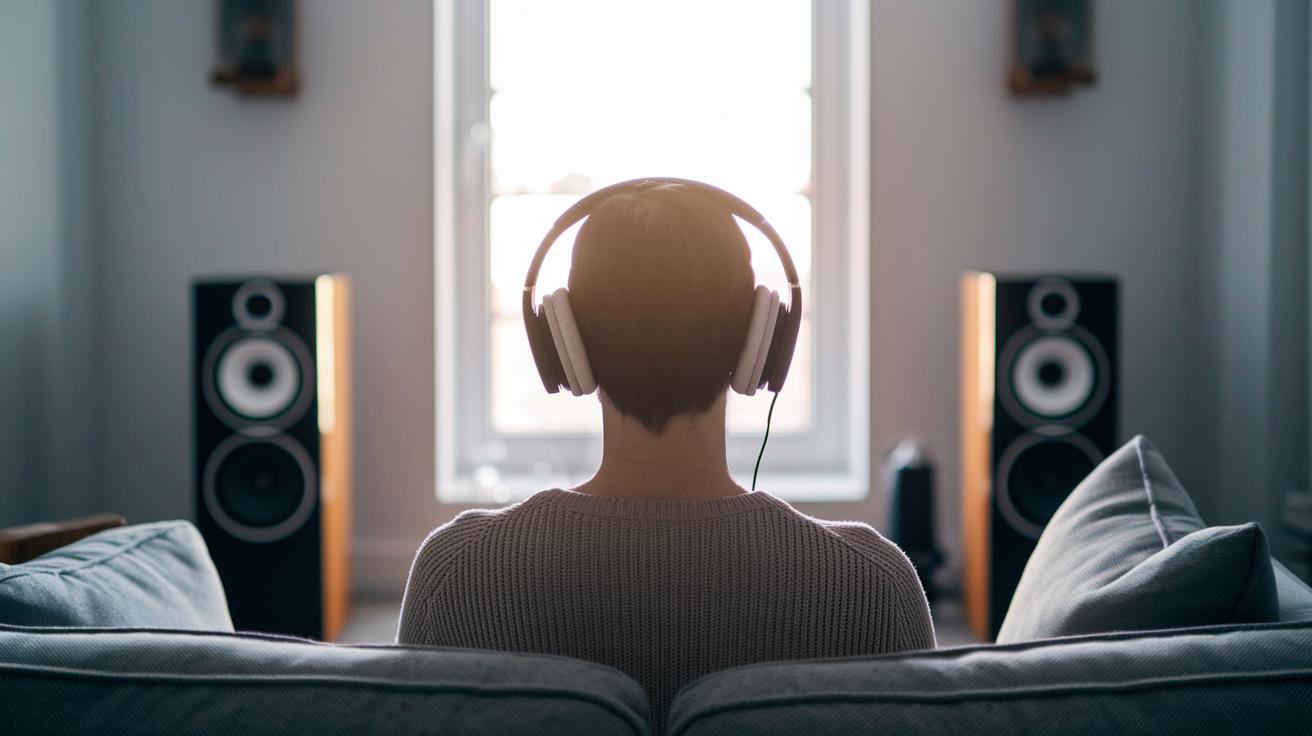
Spatial sound brings music to life, making it feel like you’re right in the middle of an incredible live show. Tests and real user stories tell us that high-res streams add a burst of dynamic range with a natural, clear soundstage. Imagine turning your living room into a mini concert hall, where every instrument seems perfectly placed just for you. One listener even shared that this sound transformed their space into a true music haven.
Listening to music in spatial sound makes each note hit harder and feel more meaningful. Experts say that a well-done spatial audio system picks up even the tiny details, so every sound feels natural and engaging.
Spatial sound connects you to the artist in a way that feels as powerful as stunning visual art. It creates an intimate, immersive experience that draws you in, making every listen feel personal and unforgettable.
Immersive Features: VR, AR, and 3D Audio Innovations in Digital Music Platforms
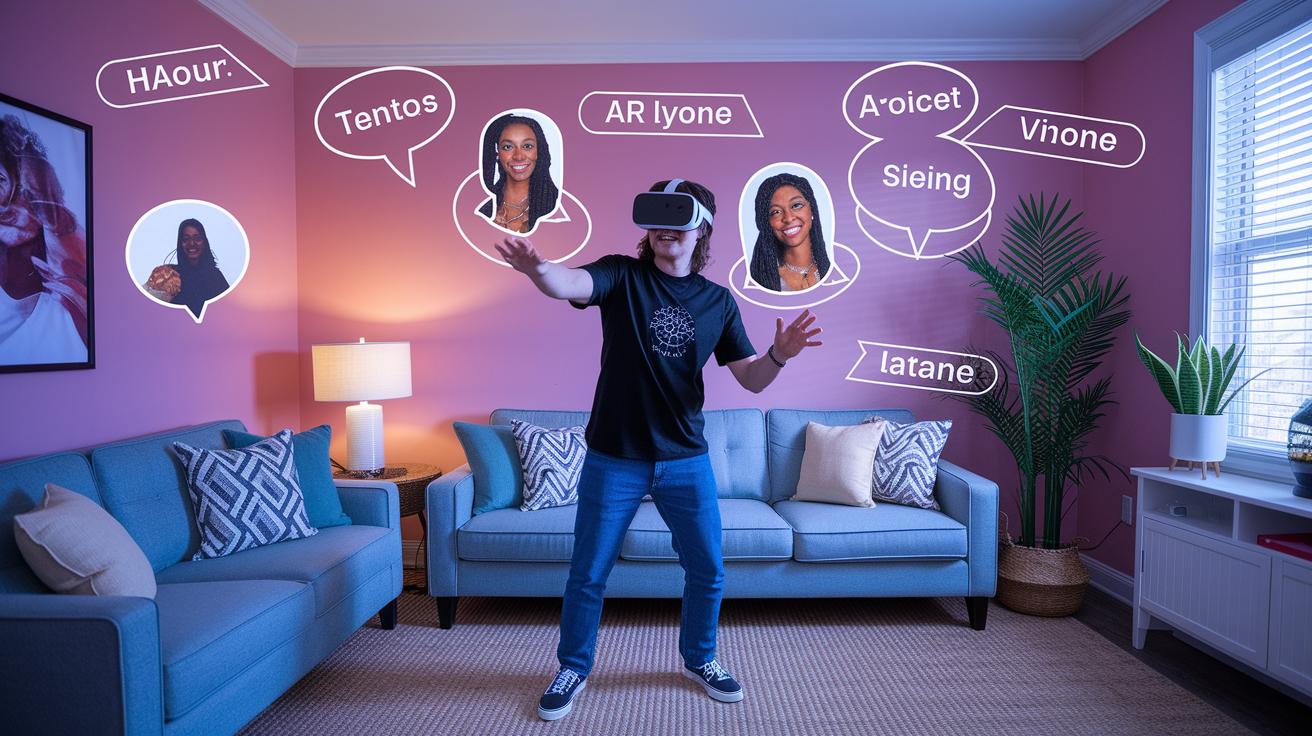
Imagine stepping into a virtual concert where you mingle with live avatars, experiencing every beat and movement as if you were right at the front row. TheWaveVR creates these cool VR sessions with real-time avatars that make each show sparkle with life. It’s like entering a world of immersive sound where crisp audio meets eye-catching digital visuals.
Augmented reality is also joining the party with apps that layer 3D lyric animations right on top of your favorite tracks. Picture tapping your screen and watching the words of a beloved song dance around you, just as if the lyrics themselves were lighting up the room. This fun AR twist turns everyday listening into an interactive event. Meanwhile, platforms like Bandcamp and SoundCloud now weave in spatial audio, adding depth and clarity that makes every note feel vibrant.
And then there’s the exciting twist with K-Pop stars hosting VR meet-and-greets. It’s an amazing way to interact with them virtually, giving fans a fresh and lively way to connect. Powered by Dolby Atmos 3D mixing and 360 Reality Audio technology, these features are redefining what it means to have an immersive music experience.
Performance Metrics and Subscription Pricing of Immersive Digital Music Platforms

Immersive digital music services mix clear, simple pricing with top-notch performance. They offer a range of subscriptions that fit every listener’s taste, all while keeping tunes playing quickly with little buffering and nearly perfect uptime.
Here are the pricing options:
- Voice Plan: $4.99 per month. This plan even gives you replay stats so you can see which tracks you love most.
- Individual Subscription: $10.99 per month (or $109.99 per year) that puts artists first with their royalties.
- Premium Hi-Fi Plan: $11.99 per month for studio-grade sound that makes you feel like you’re in a recording studio.
- Qobuz Studio: $12.99 per month, serving up FLAC quality at 24-bit/192 kHz for a richer listening experience.
- Tidal: Offers individual plans at $10.99, family plans at $16.99, and student rates at $5.49.
- Amazon Music Unlimited: $10.99 per month and comes with neat Prime integration.
- Pandora Plus: $4.99 per month, letting you customize your own radio stations.
- Plus, there are free, ad-supported versions on SoundCloud and Pandora if you’d rather not pay.
Market numbers back up the value here. For example, Spotify has reached 600 million active users, including 226 million paid subscribers. Meanwhile, Apple Music counts over 90 million subscribers. All these details come together to show a clear picture of great value and smooth performance across these platforms.
Future Trends and Expert Recommendations for Immersive Digital Music Platforms
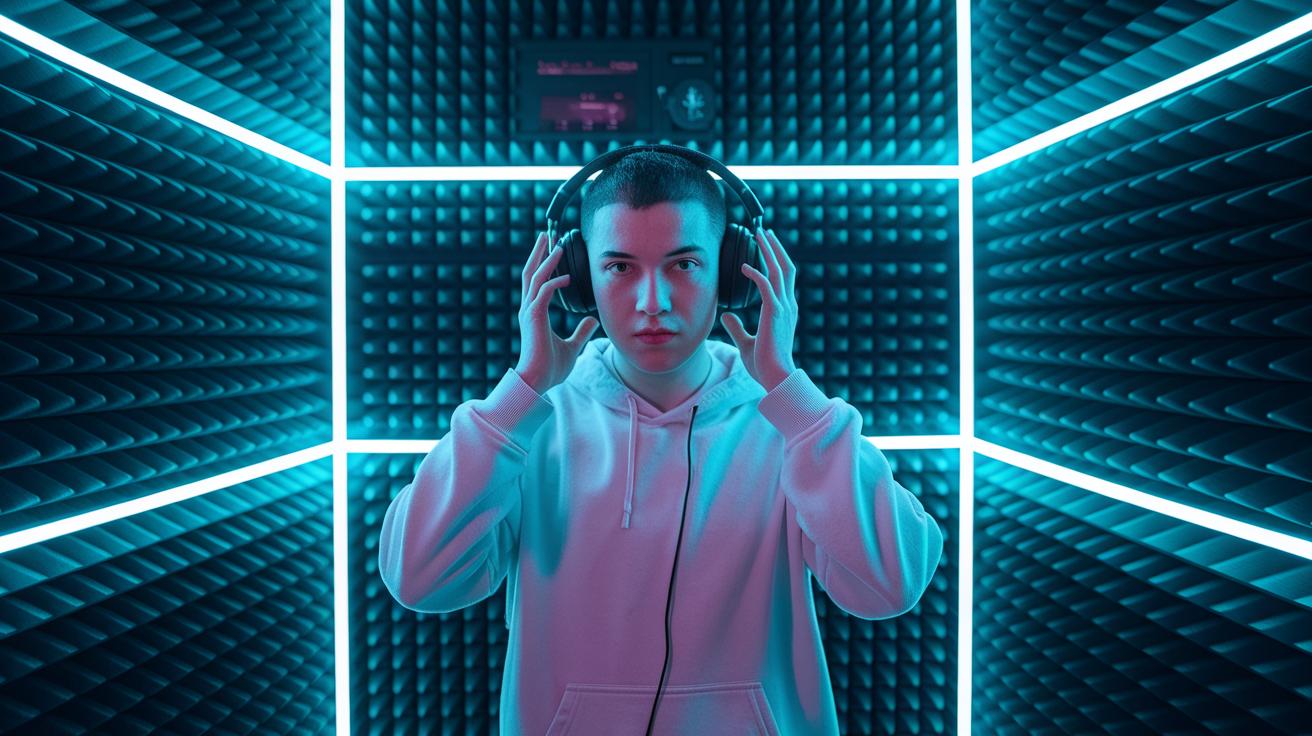
By mid-2025, the immersive music scene is set to light up with big changes. Experts say that new AI tools will catch fraud quicker, making your streaming safer and smarter. And soon, your playlists might feel like they know your mood before you even press play – like the music is reading your mind!
Imagine the thrill as spatial audio brings a full surround sound to your ears, filling your space with rich, vibrant notes. Virtual concert ticketing is on the rise too, offering interactive digital venues where you can feel every beat alongside fans from all over. Meanwhile, smart cloud storage paired with clever metadata makes sure content flows smoothly and artists get paid fairly.
On top of that, new royalty tracking tools are ready to boost transparency, ensuring creators see every bit of what they deserve. Platforms that jump on these tech trends early will lead the way, offering a next-level listening experience that truly connects with you.
Final Words
In the action, we explored a deep look at top digital music platforms. We compared performance, user navigation, sound quality, and emerging immersive features like VR and AR. We broke down pricing structures and performance metrics to show what makes each service special.
It all paints a picture of a future where digital experiences are interactive and fun. This immersive digital music platforms review shows the exciting potential waiting just around the corner.
FAQ
What do reviews on Reddit and YouTube say about immersive digital music platforms?
Reviews on Reddit and YouTube indicate that immersive digital music platforms offer solid high-fidelity audio and interactive designs while engaging users with innovative sound experiences.
What is Tidal music and how does it compare to its competitors?
Tidal music delivers high-resolution, lossless audio streaming with clear sound details and immersive features, positioning it as a strong option alongside Apple Music, Spotify, and Amazon Music.
Where can I find free high quality or lossless music streaming?
Free high quality and lossless music streaming options are available on select platforms offering limited free tiers or trial periods, though premium subscriptions typically provide full access to advanced audio formats.
Which music streaming service offers the best audio quality?
The best audio quality is generally found on services like Apple Music and Tidal, which support lossless and spatial audio formats that deliver a well-rounded, immersive listening experience.
What is replacing Spotify in terms of platform competition?
Some argue that platforms like Apple Music, Tidal, and Amazon Music challenge Spotify’s dominance by introducing enriched immersive features and improved audio quality that elevate the overall listening experience.
Is immersive sound good for music?
Immersive sound enriches music listening by adding depth and clarity, making tracks feel more lifelike and engaging for everyday listeners.
What is the #1 music streaming platform?
The #1 music streaming platform often varies by user preference, with many favoring Spotify for its extensive catalog, social features, and innovative AI-driven tools.
Who stands as the biggest competitor to Spotify?
The biggest competitor to Spotify is typically seen in platforms like Apple Music and Tidal, which offer strong audio quality and unique features that challenge Spotify’s market position.