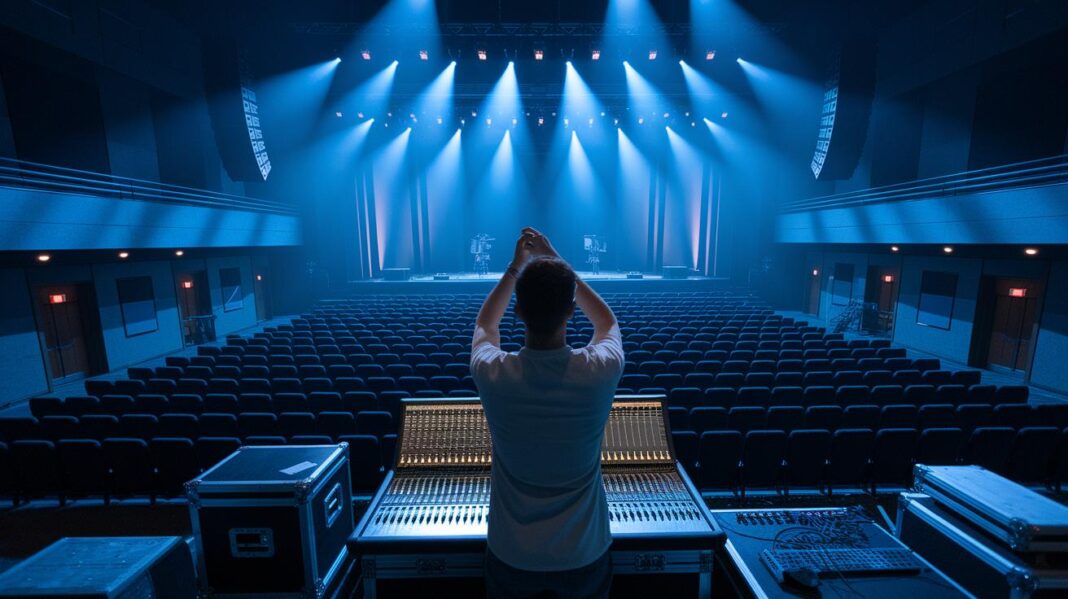
Have you ever wondered if concert sound can come alive? Imagine sitting in a venue where music swirls around you like a burst of colorful fireworks. Sound systems like these work by placing speakers all over the place so every note reaches you perfectly.
This smart tech turns a regular show into an experience that grabs all your senses. In this article, we walk you through how these systems work and why they are changing the way we feel live music.
Delivering Three-Dimensional Sound in Concerts
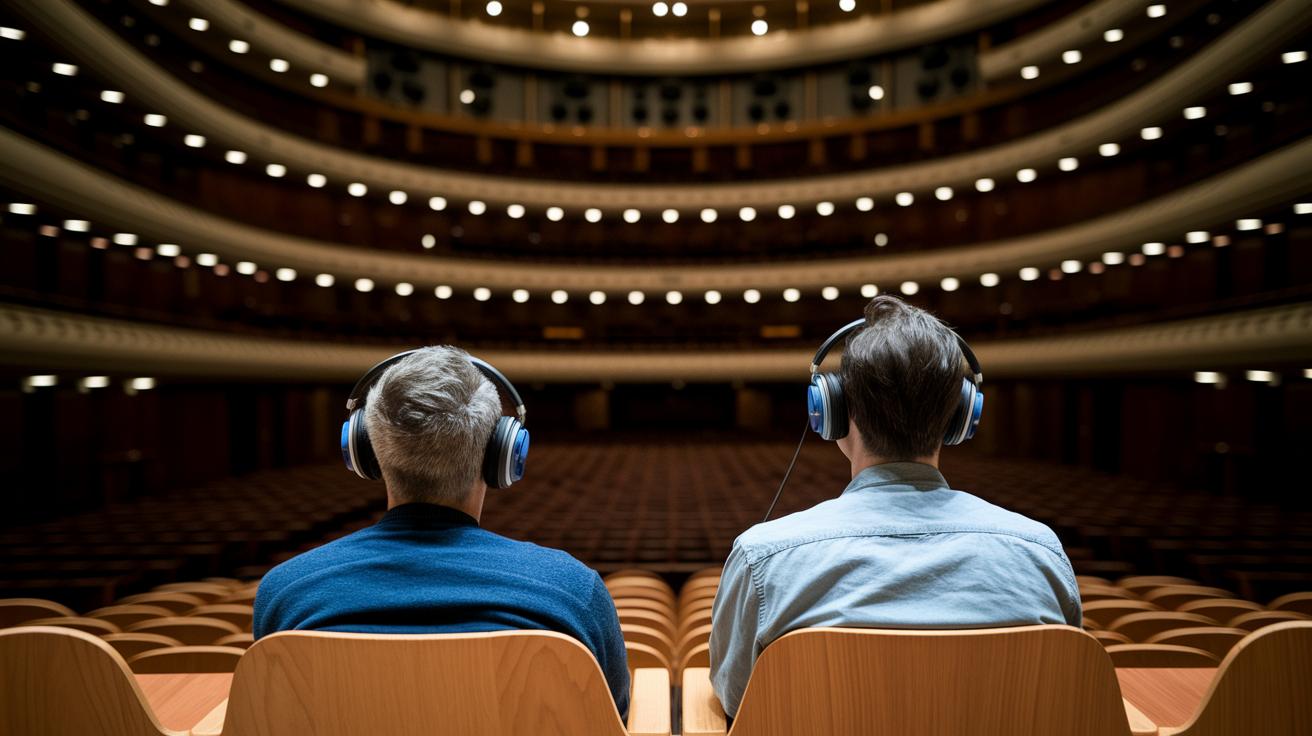
Immersive audio gives you a three-dimensional sound that feels alive, with sound coming from above and all around you instead of just from the left and right. It’s like stepping into the vibrant buzz of a live concert where every note envelopes you. Imagine a scene where a soaring guitar solo seems to burst from overhead, making you feel as if the performer is right by your side.
Yet, this isn’t just a neat trick, it’s backed by smart technology. Formats like Dolby Atmos, Sony 360 Reality Audio, and Auro 3D carefully arrange extra speakers on the sides and above to create sound waves that move like floating objects. Each note travels through the air in its own cool little path, making the sound feel natural and real.
By using object-based audio, every beat and vocal line is placed in just the right spot around you. The careful setup means that the music doesn’t just play; it interacts with you, turning a concert into an experience where you really feel part of the show. Next time you’re at a concert, listen for that magic, the sound isn’t just heard, it’s felt.
Essential Components of an Immersive Concert Sound System
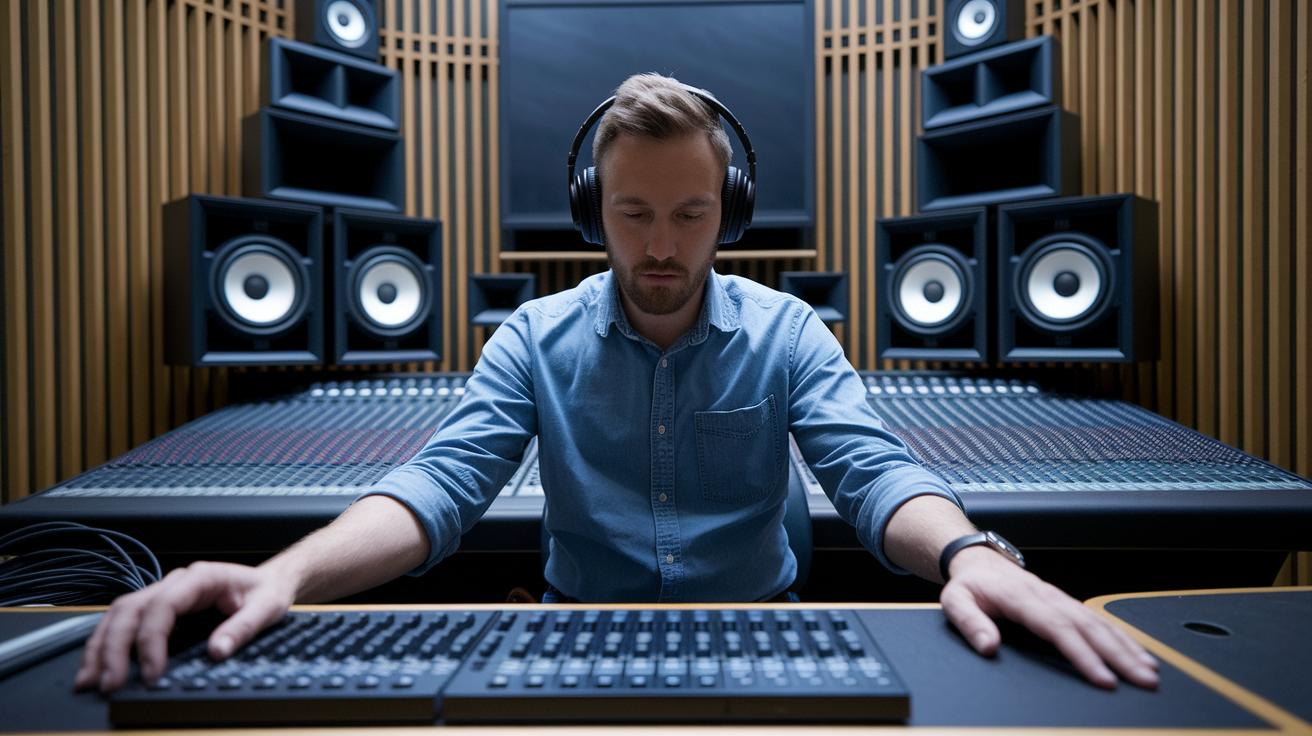
Imagine stepping into a live concert where every beat feels like it's dancing right around you. In this setup, all the hardware and software work hand in hand to create a rich, three-dimensional sound that wraps around you like a warm embrace. The system is arranged around a fixed listening area where speakers are positioned to hit that perfect sweet spot, at ear level and beyond, making every note sparkle with clarity. For example, a 7.1.4 layout can turn an ordinary venue into a dynamic sound stage, much like an artist layering vibrant hues on canvas to create depth.
Here’s a look at the key components:
| Component | Description |
|---|---|
| 7.1.4 Speaker Layout | At least 12 speakers are arranged to cover height, front, side, and rear channels, each adding its own brushstroke to your musical portrait. |
| Live Mixing Consoles | These consoles let sound engineers pan audio elements with pinpoint accuracy, moving sounds around like a well-rehearsed dance. |
| Networked Audio Protocols | Protocols like Dante and AVB manage lots of channels with impressively low delays, keeping the vibe smooth and uninterrupted. |
| Digital Signal Processors (DSPs) & Spatial Audio Renderers | These calculate the real-time position of every sound, ensuring that each note finds its perfect spot in the air. |
| Fixed Listening Area | The speakers are set up so their sound converges at a prime point, turning that area into an ideal spot for an unforgettable audio experience. |
Every component plays a vital role in crafting that immersive and heart-thumping audio journey. Whether you're enjoying the vibrant glow of stage lights or the electric buzz of a live concert, the result is an experience that's as unforgettable as your favorite live show.
Speaker Configuration and Spatial Deployment Analysis
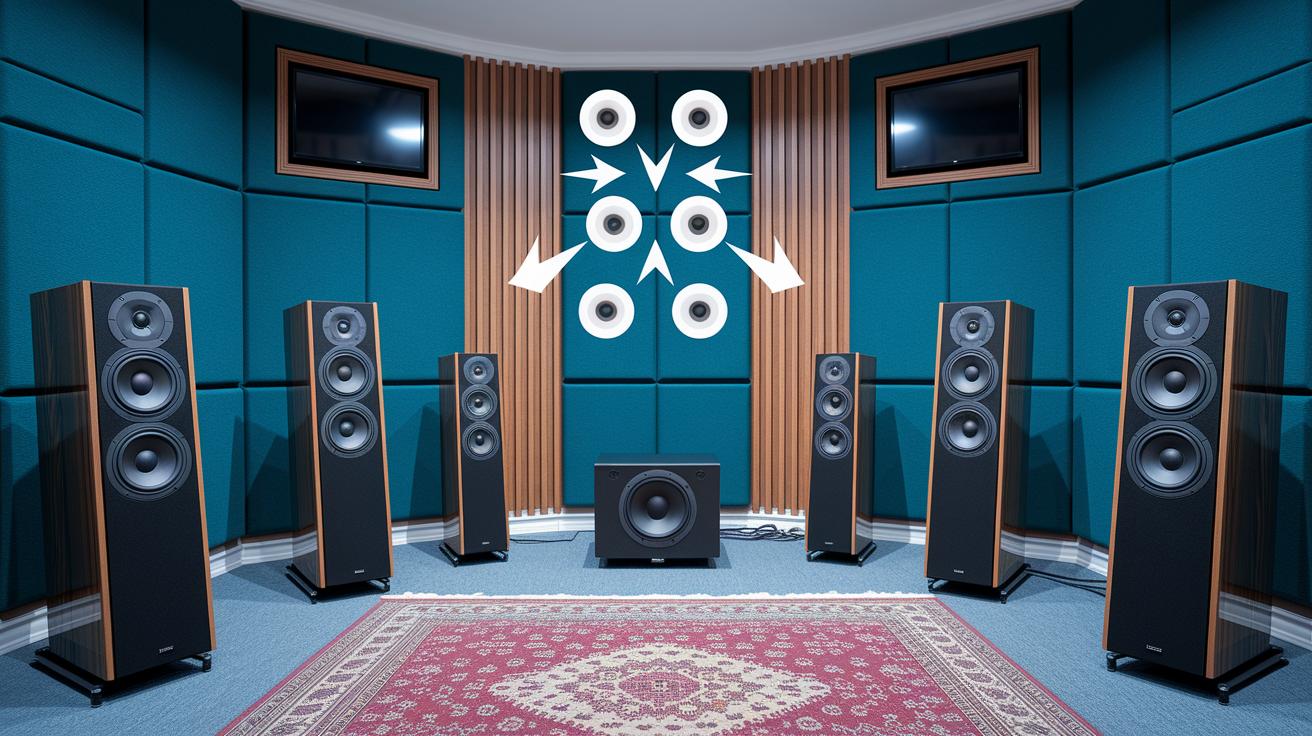
When you set up your speakers right, you can feel like you're right in the middle of the live action. A typical setup uses seven main speakers, one subwoofer, and four high speakers to fill your space with sound. This setup uses what we call object-based audio, where each sound is placed exactly where it belongs, giving your ears a three-dimensional treat.
Using object-based audio, even a quick snare hit or a burst of vocals can seem to move around you. In larger rooms, you might need to adjust the high speakers slightly to keep everything in sync. A handy tip: try placing those height speakers a bit behind the main ones to keep the sound balanced and clear.
Getting the best sound means checking your room’s size and fine-tuning each speaker’s level. It’s a bit like making the perfect recipe, where every speaker needs to be just right so you get clean, enjoyable sound without any muddled notes.
| Speaker Position | Role |
|---|---|
| Front Left | Provides directional sound cues from the left side |
| Front Center | Hosts vocals and main audio content |
| Front Right | Complements the left channel with balanced output |
| Side Surrounds | Create lateral ambient layers |
| Rear Surrounds | Add reflective tones for an enveloping experience |
| Overhead Channels | Introduce vertical depth and amplify live energy |
Tuning Venue Acoustics for Immersive Concert Sound
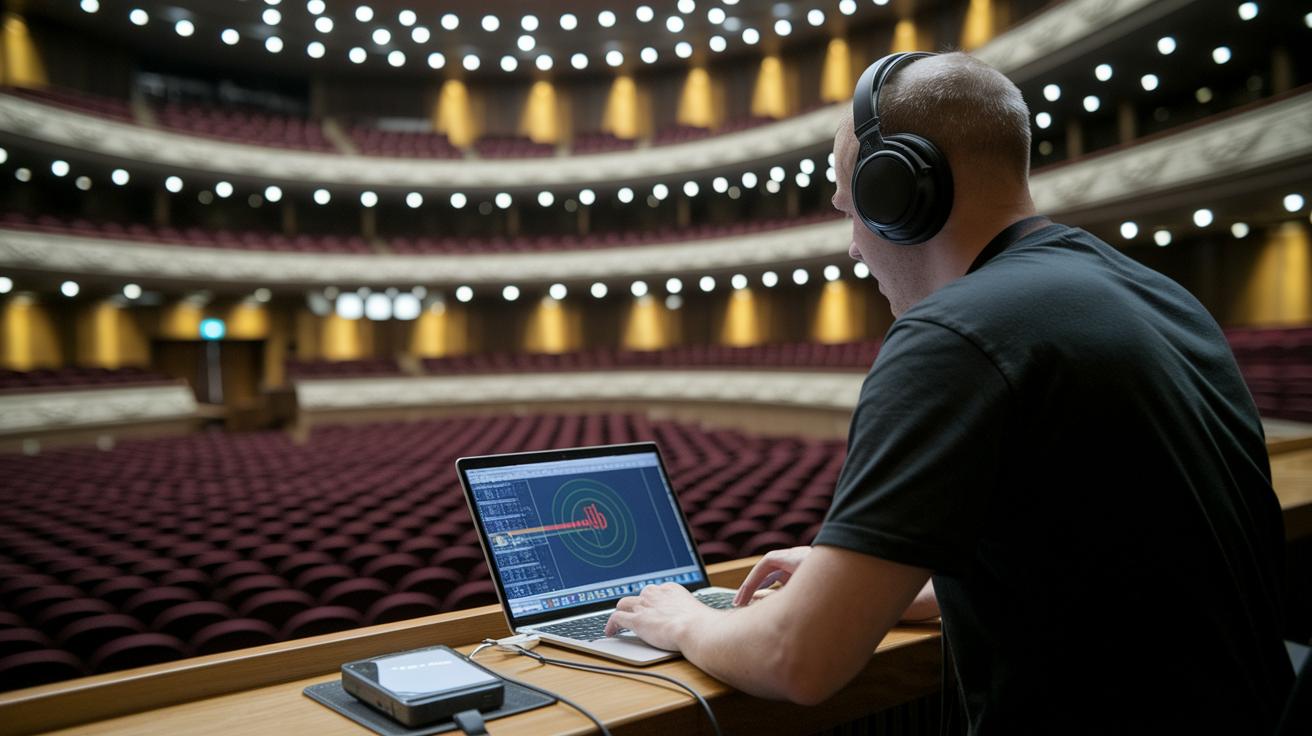
When you walk into a concert venue, shiny walls, unusual room shapes, and cool design details all affect how sound fills the space. Sometimes, these features cause odd echoes or small timing issues that can change the feel of the music. First, experts measure the room’s impulse response – think of it as a unique sonic fingerprint that shows how fast the space picks up and drops sound.
Next, the magic of computer modeling kicks in. Sound pros use this step to simulate how the audio waves travel through the room. It helps them spot places where sound might pile up or fade away too soon. Imagine it like tweaking a digital blueprint to balance the sound so that every beat feels just right.
After that, they use tools like corrective EQ and adjust speaker delays. If certain frequencies build up in one corner, they fine-tune each speaker’s EQ to smooth out the sound. Aligning speaker delays means every note reaches you at the perfect moment, almost like a well-coordinated dance.
Some companies even offer free digital sound analysis, which customizes the audio system to fit the room’s unique vibe. Often, this service comes as part of full live event production, ensuring that every sound is set for the best experience.
By mixing impulse response tests, computer models, and careful tuning, live sound engineers transform concert halls into places where every note and beat truly comes alive.
Mixing and Spatial Audio Rendering Techniques for Live Shows
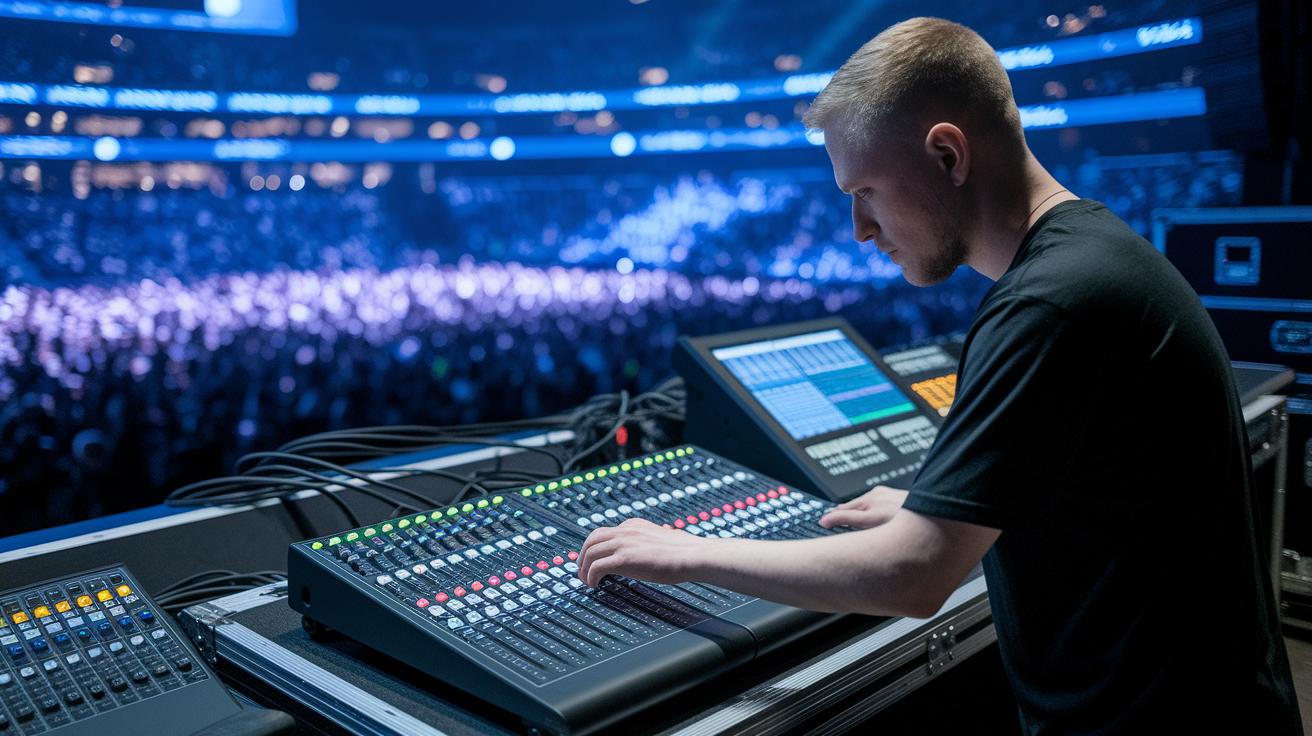
Live show engineers work their magic to plunge you into a three-dimensional world of sound. They shape every detail so music feels alive and moving all around you. Here are five cool ways they bring you that one-of-a-kind audio experience:
-
Use object-based panning to give each sound its own spot in 3D space.
Example: Imagine a singer's voice drifting from the center of the stage and then rising above you, as if a sound trail is following your every move. -
Apply precision EQ mapping on each speaker to balance the tones perfectly.
Example: If a snare drum sounds too booming on one side, a quick tweak makes sure every speaker sends out a crisp, clear beat. -
Manage dynamic range with multiband compression to keep peaks in check.
Example: Picture a sudden burst from the brass section being tamed just right so every instrument still shines through. -
Automate height-channel levels to add effects like overhead rain or the buzz of a live crowd.
Example: Think of it as hearing crisp raindrops or the swell of cheering fans gradually build during a solo, adding a real extra layer to the sound. -
Leverage consoles with built-in immersive workflows to speed up live program changes.
Example: Envision setting up a list on the fly during a concert so the mix evolves naturally as the performance unfolds.
By blending these techniques, live sound engineers craft mixes that feel spontaneous and full of energy. Each note becomes a small adventure, inviting you to experience live entertainment in a truly immersive way.
Performance Troubleshooting and Adaptive Solutions in Immersive Concerts
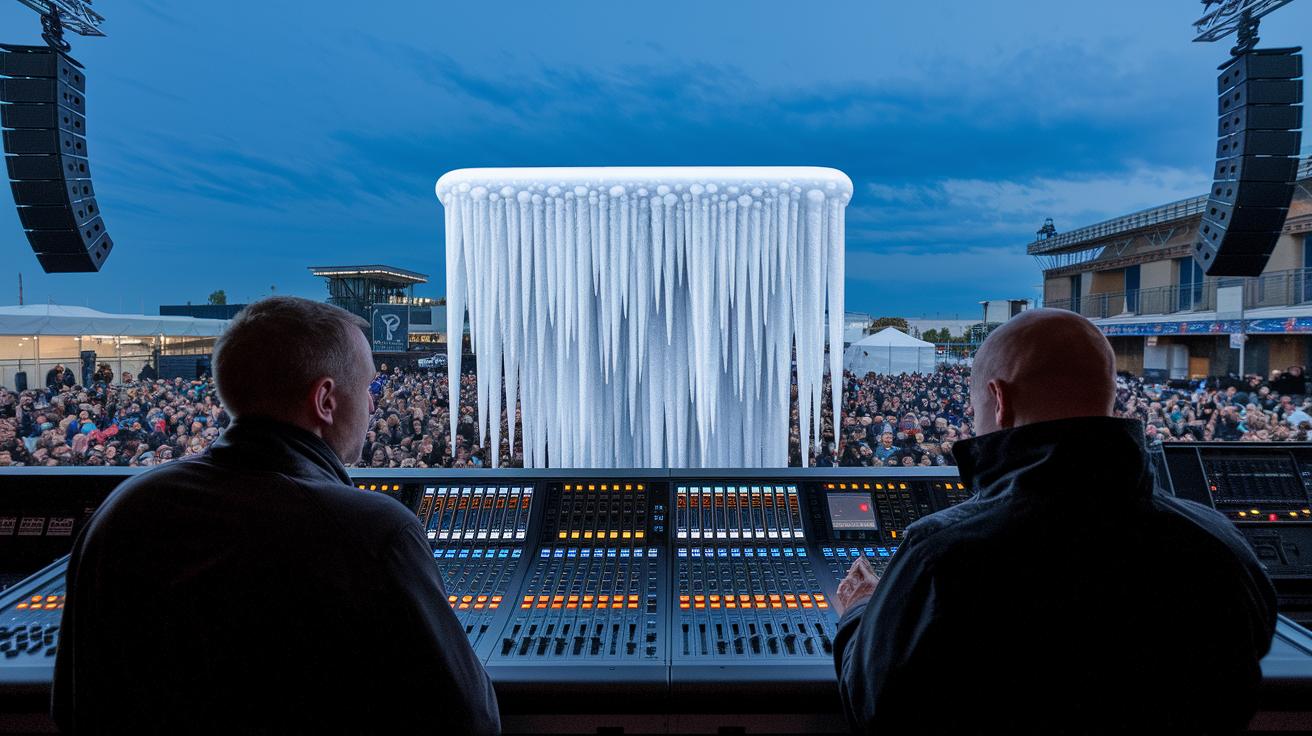
Live concerts can hit bumps like dropped audio, delays, and odd sound overlaps that break the magic of the moment. When things go off track, sound engineers jump in quickly to fix the issues and keep the vibe alive. Imagine a glitch where one speaker freezes – the pros step up to keep the energy flowing.
Here are some smart fixes:
- Sync speaker delays and set up backup audio paths so one problem doesn’t bring everything down. For example, if one speaker lags, a backup instantly redirects the sound.
- Watch crowd density and temperature changes, then adjust the volume levels right away. For example, as more people join in, a quick tweak makes sure every beat is clear.
- Offer a stereo backup for key feeds when the multi-channel system struggles. For example, if the surround sound stumbles, a stereo mix keeps the important parts coming through.
- Use quick delay and EQ tweaks to smooth out unexpected echoes or sound shifts. For example, a sudden echo in one area gets gently softened by a fast EQ change.
By using these adaptive moves, engineers ensure that every note reaches the crowd just as intended, keeping the immersive concert experience smooth and unforgettable.
Final Words
In the action, this article has shown how innovative audio techniques create a three-dimensional sound experience that feels right in the moment. We highlighted essential speaker configurations, smart venue adjustments, and creative mixing methods that bring performances to life. Troubleshooting tips kept the beats flowing even during unexpected moments. With immersive concert sound systems explained, our discussion offers a refreshing look at live event magic. Enjoy every beat and share the excitement of these high-tech, interactive experiences.
FAQ
How are immersive concert sound systems explained online?
The term “immersive concert sound systems” describes multi-speaker setups that envelop you in 3D sound. Online discussions on platforms like YouTube and Reddit detail how these systems recreate live, in-person energy.
What are immersive sound speakers?
Immersive sound speakers distribute audio around you, including overhead and side channels, to create a layered sound field that moves beyond the typical stereo experience.
What is immersive audio?
Immersive audio means arranging sound in three dimensions, positioning audio on horizontal and vertical planes so you feel fully surrounded by every sound element.
Is immersive sound good?
Immersive sound offers a more engaging audio experience, making music and live shows feel fuller and more natural by recreating an all-around sound environment for listeners.
What are immersive audio headphones?
Immersive audio headphones simulate a 3D audio environment by processing sound to mimic the spatial cues of a live performance, giving you a sense of depth and direction.
What is immersive audio on Spotify?
Immersive audio on Spotify refers to playback that mimics a surround sound experience, adding depth and clarity to your music, making each track feel more lifelike and engaging.
What is an immersive sound system?
An immersive sound system uses multiple speakers and advanced processing to create a 3D audio field, letting listeners experience concerts with dynamic, surround sound that mimics a live venue.
What’s the point of immersive audio?
The main goal of immersive audio is to offer a lifelike sound experience by surrounding you with clear, directional audio. It transforms listening into an engaging, almost live event feel.
How do concert sound systems work?
Concert sound systems combine numerous speakers, precise mixing consoles, and real-time adjustments to deliver balanced, 3D sound. They create a dynamic live show experience by managing multiple audio elements simultaneously.
What is immersive audio vs Dolby Atmos?
Immersive audio is a broad term for 3D sound setups that include various formats, while Dolby Atmos is a specific format that delivers detailed height and surround channels for an enveloping listening experience.