Have you ever stepped into a room and felt a buzz running through you? Sometimes, a space makes your heart race, like the crowd at a live concert.
Sound design works like a friendly guide, placing every tone just right so you almost feel you can touch the music. Each note is set up to create that special live performance vibe.
In this piece, we explore how clever sound tricks can make any room come alive. It’s amazing how a bit of thoughtful design turns ordinary noise into an art that lightens up every corner.
So, let’s dive in and see how smart sound choices transform simple sounds into experiences that speak to your senses.
Core Acoustic Principles for Immersive Experiences
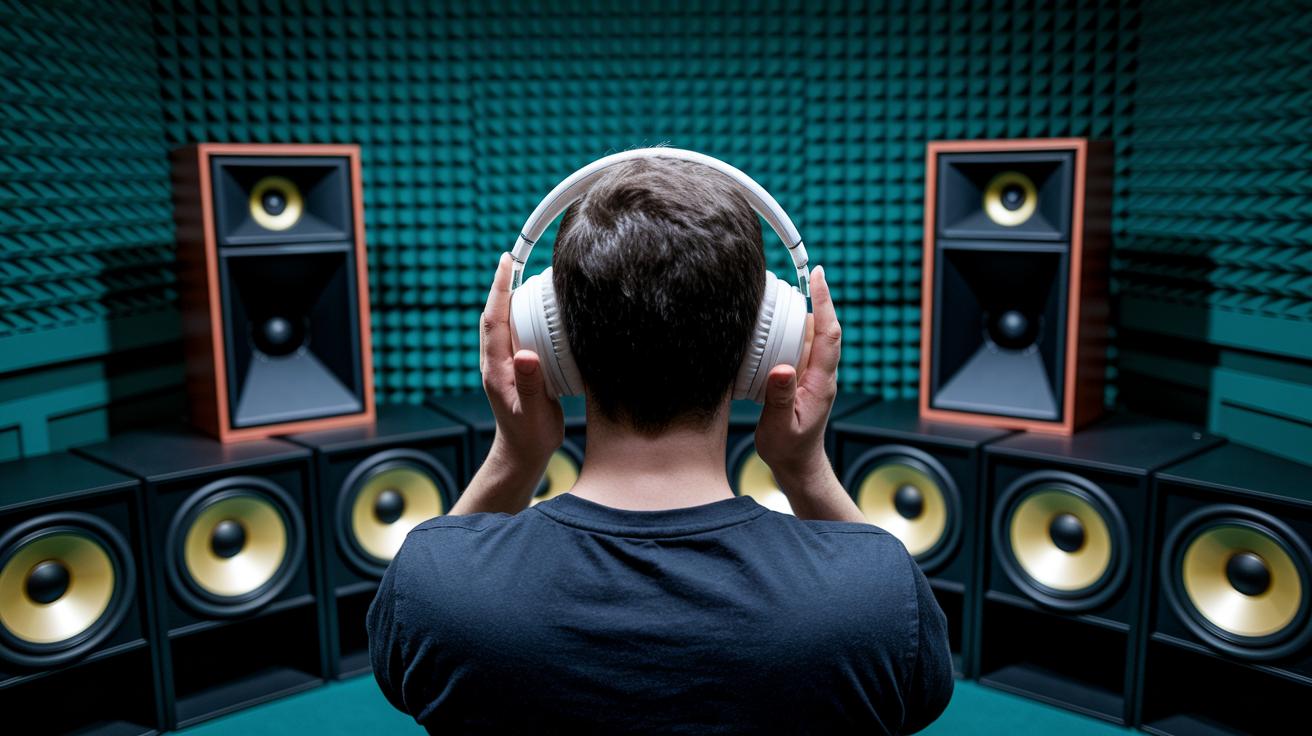
Sound design is the heartbeat of immersive spaces. It mixes sound with visuals to create a truly sensory experience that’s both rich and memorable. Imagine ambient sounds and detailed audio cues teaming up with beautiful projected images to form a dynamic backdrop. Want to learn more? Check out "how immersive audio works" at https://thezeff.com?p=380.
Spatial audio is all about filling a room with moving sound. Using a group of speakers and smart tech, designers can make it feel like the sound is floating all around you. These speakers work together like pieces of a puzzle, placing sounds exactly where they need to be to give you a 360° surround effect. It’s like the room comes alive with sound that perfectly matches the space you’re in.
These basic sound techniques boost storytelling by pairing music, sound effects, and audio cues with matching visuals. This matching of sound to sight helps guide your attention and pulls you deeper into the story. It creates a smooth flow where every sound, from a soft note to a booming cue, fits perfectly into the larger narrative, connecting with your emotions and your memories.
Spatial Audio and Surround Sonic Architecture Techniques
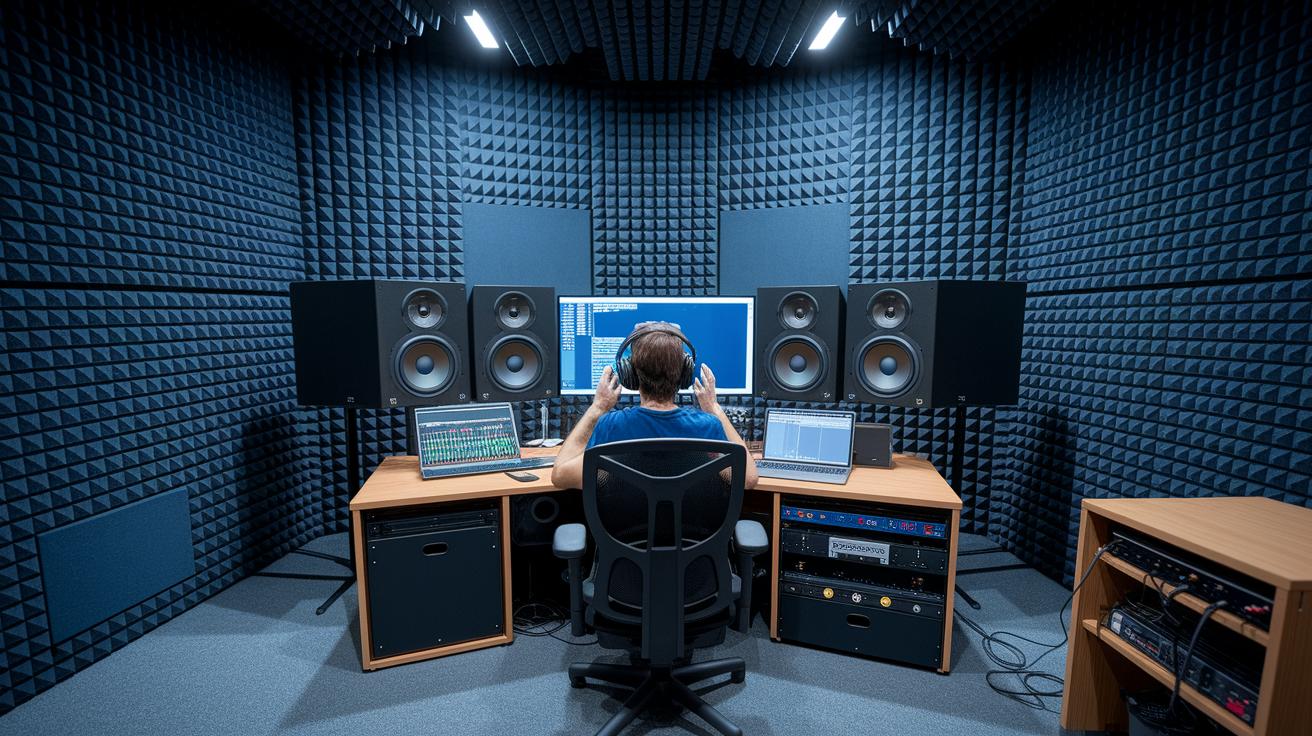
Imagine stepping into a room where every sound wraps around you like a warm embrace. Surround audio design is all about placing speakers strategically around a space so that the sound seems to dance and flow all around you. In this setup, each sound is given its very own spot, moving and shifting in real time to create a lively, 360° experience that pulls you right into the heart of the action.
Sound designers start by fine-tuning where each speaker goes. They adjust the array geometry to make sure the audio reaches every corner of the room evenly. They set the right elevation angles so you catch all the hints of sound, whether they’re coming from above, below, or right beside you. This careful planning means every element of the mix gets its own distinct space while still blending naturally with the rest.
Here’s how they make it all work:
- Optimize how the speakers are arranged for even sound spread.
- Set the right angles to capture both horizontal and vertical cues.
- Map out the channels clearly so every sound has its own place.
- Use smart algorithms that mimic the natural movement of sounds.
- Keep the speakers equally spaced for a balanced 360° field.
- Align the speakers with key performance zones to boost listener connection.
- Run hands-on tests on site to tweak speaker placement until it feels just right.
Calibration is the magic behind this immersive setup. It’s all about making sure every sound comes out crisp and clear. When the channels are accurately set, designers can quickly spot and fix any hiccups like phasing issues or confusing sound placement. Even with automated systems in place, regular listening tests help catch the little details that sometimes get overlooked. This approach not only ensures each sound is perfectly placed but also that everything meshes together smoothly, giving you a natural and dynamic audio landscape.
In the end, balancing technical precision with creative flair brings the design to life. Every fine-tuned sound transforms a simple speaker setup into a vibrant, integrated sound experience. For those curious to dive even deeper, exploring more immersive sound design techniques is a great next step.
Blending Sound with Projection Mapping in Acoustic Environments

Imagine stepping into a space where sound and visuals are best friends. In these immersive setups, designers mix lively sound cues with bright, moving pictures to create places that feel almost alive. Picture a room where a gentle chime lines up with soft, rippling lights, pulling you right into the scene. Audio and video work together so perfectly that each sound note boosts a visual shimmer, making the whole space feel dynamic and real.
Take a trip to a digital art museum in Tokyo, where visitors wander through rooms that change with every step. Sensors trigger sound effects that match the display of images, and each movement becomes a part of the story unfolding around you. The dance of light and sound shines on cool textures and hidden details in the building, inviting you to notice every little change. This creative blend of art and tech turns each visit into a warm, inviting adventure that touches your heart and sparks a sense of wonder.
Technology Platforms and Tools for 3D Audio Environments

When creating an immersive audio setup, strong hardware is the key. Designers choose platforms that play sounds continuously and match them perfectly with visual displays. Small, reliable devices work great in museums and galleries. It's like having a finely tuned control board where every sound is clear and stays in sync with the images.
Take the HeavyM Server, for example. This little powerhouse is built for long-term use and plays your content without a glitch. It easily syncs audio with projection mapping visuals, making digital scenes come alive in spaces that require precision. Its compact size means it fits perfectly in public areas where quality really matters.
HeavyM’s user-friendly software gives creative designers the freedom to adjust on the fly. With a simple drag-and-drop feature and clear timeline controls, you can change the audio and visuals in real time. This flexible tool lets you fine-tune spatial sound cues so that every sound finds its perfect spot. It’s like having a digital mixing desk that adapts as your creative ideas evolve.
Case Study: Tokyo Digital Art Museum’s Immersive Acoustic Implementation

In Tokyo’s digital art space, engineers arranged 16 speaker arrays in a neat 4×4 grid along the visitor pathways. They tuned each speaker using a three-step process. First, they ran a baseline sound test with pink noise, a type of evenly distributed sound. Next, they adjusted the settings in real time with sensor feedback, and finally, they fine-tuned everything to cut out echoes and spread the sound evenly. One calibration step even synced the sound pulses with a visitor’s walking rhythm.
Interactive sensors placed at key spots light up as you move about. When someone gets near a spot, the system instantly tweaks the volume and tone, giving a personal, on-the-spot acoustic response. For example, as you step into a specific area, the sensors nudge the softer frequencies a bit higher, making the sound feel like it’s naturally following your pace.
The results? A 25% boost in visitor engagement and noticeably happier visitors.
| Parameter | Detail |
|---|---|
| Speaker Array Configuration | 16 arrays arranged in a 4×4 grid |
| Calibration Method | Baseline sound test, sensor feedback, and iterative fine-tuning |
| Visitor Interaction | Sensors trigger audio adjustments based on movement |
| Impact Metrics | 25% boost in engagement; higher satisfaction ratings |
Calibration and Testing Best Practices for Immersive Acoustic Layouts
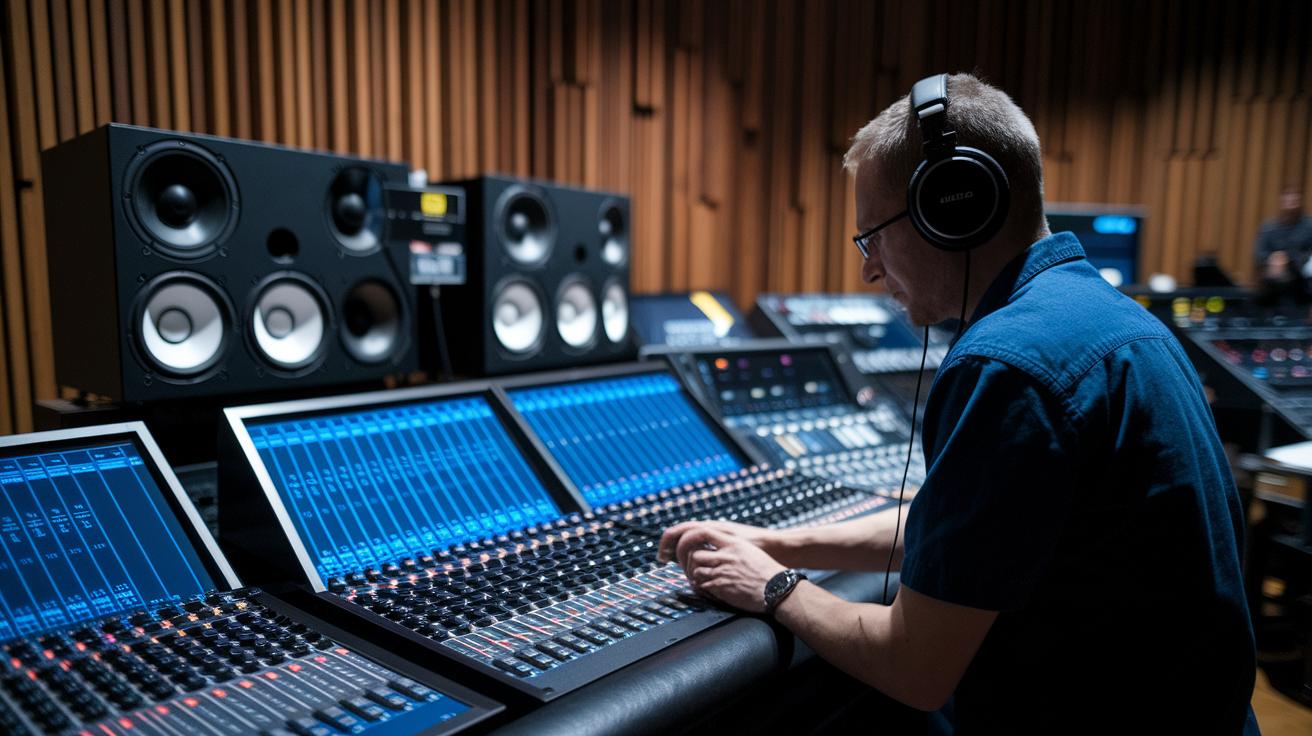
Manual listening tests are the heart of a killer immersive sound system. When you sit back and really listen, every tiny twist in the audio pops out, even those details that automated systems sometimes skip over. It’s like being at a live concert, where each beat and note feels just right before you mix in any digital help. Getting hands-on not only builds trust in your setup but also sharpens your ear for the perfect sound environment.
- Map each channel with care so every sound has its own special spot.
- Set a clear reference level using a baseline track, making sure every sound is measured equally.
- Check the timing to make sure all the sounds reach your ears in perfect sync.
- Run frequency sweeps to spot any odd sounds or tones that might hide the real details.
- Test with tracks that mimic the actual immersive vibe you’re aiming for.
- Gather feedback from real listeners to catch any surprises and tune your setup to different environments.
- Give every setting a once-over afterward to catch anything that might have been missed and fine-tune as needed.
Testing isn’t a one-time thing, it’s a cycle of constant tweaking. After each round, jot down what you notice and adjust your channel maps and settings accordingly. This hands-on, trial-and-error process is like tuning a guitar after every strum, ensuring that each output channel hits the right note with clarity. By continuously testing and refining, sound professionals keep things simple and focused, creating an immersive listening experience that feels just right every single time.
Final Words
In the action, our discussion brought forward how immersive acoustic design principles transform digital storytelling into live, interactive spectacles. We walked through sound design techniques that shape rich, three-dimensional audio environments and emphasized syncing audio with visual art to heighten every moment. We also touched on speaker setups and testing practices that keep the performance crisp and engaging. This wrap-up aims to spark excitement and inspire creative thinking in every step of building unforgettable digital experiences. Embrace the possibilities and keep the energy alive.
FAQ
What are the basic principles and ABCs of acoustic design?
The basic principles of acoustics, along with the ABCs of acoustic design, explore how sound waves travel, frequency behavior, and environmental interactions. They help shape clear, balanced audio experiences that feel natural.
What are the features of immersive audio?
The features of immersive audio include using multiple speakers with smart spatial algorithms to create a 3D sound field. This design crafts an engaging environment where sound feels real and interactive.
How do you create immersive sound?
Creating immersive sound begins with thoughtful speaker placement, precise audio calibration, and the blending of sound cues with visuals. These steps build a layered, dynamic experience that draws in listeners.