Ever wonder how those catchy electronic beats got started? The story kicks off in 1896 with the Telharmonium, a groundbreaking instrument that mixed raw, everyday sounds to create something totally new. Soon, musical pioneers began playing with common noises, turning them into unique tunes that shocked old traditions.
This creative twist upset the usual way of making music and lit a spark of innovation that still beats strong today. In this post, we explore key moments and clever breakthroughs that transformed simple sounds into the vibrant digital mixers and synthesizers we groove to now. Imagine the buzz of a live concert where every beat tells a story, each tap on your screen carries a piece of that history.
Tracing the Origins and Evolution of Electronic Music
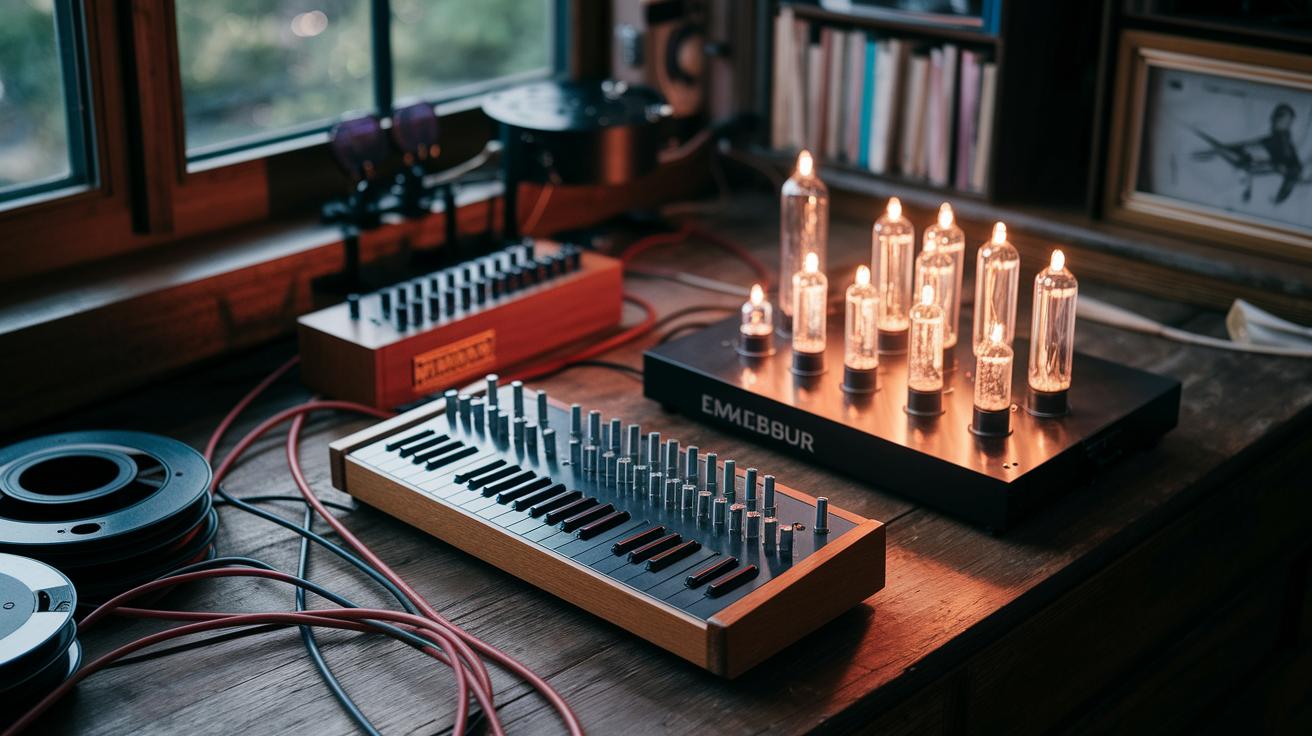
Electronic music's journey kicks off with cool electromechanical breakthroughs that moved away from traditional acoustic sounds. Imagine the Telharmonium in 1896, this marvel sent sounds over telephone lines, opening up whole new ways to experience music. And then, innovative tools like the Theremin in 1920, Ondes Martenot in 1928, and Trautonium in 1930 started experimenting with tone generation, setting the stage for the future of sound design.
In the 1940s and 1950s, creative minds began playing with recorded sounds instead of sticking to ordinary musical notes. This experimental style, called musique concrète, used real-world sounds in unexpected ways. Pioneers like Pierre Schaeffer led the charge, mixing electronic signals with everyday noise to spark a wave of exciting experimentation. A big turning point came in 1953 when the NWDR Köln radio studio opened as the very first space dedicated to creating electronic music.
By the 1970s, things got even more revolutionary. Analog synthesizers, like the Minimoog and ARP Odyssey, along with early drum machines, started reshaping pop and disco music with bold, new rhythms. Then, at the 1982 International Computer Music Conference, computer-driven music composition grabbed everyone’s attention. Today, digital audio workstations empower artists to dive into creative explorations, giving rise to vibrant genres like techno, trance, and jungle while connecting global audiences in fresh, innovative ways.
| Year/Era | Milestone |
|---|---|
| 1896 | Telharmonium sends sound over telephone lines. |
| 1920 | The Theremin debuts, sparking a new era of electronic performance. |
| 1928 | Ondes Martenot delivers expressive tonal innovation. |
| 1930 | Trautonium pioneers fresh methods of sound manipulation. |
| 1940s-50s | Musique concrète experiments begin and the NWDR Köln studio is established. |
| 1970s | Analog synthesizers and drum machines redefine popular music. |
| 1980s-Present | Digital audio workstations boost creative exploration, birthing new electronic genres. |
Electronic Music’s Analog Synthesis Breakthroughs and Vintage Instrument Innovations
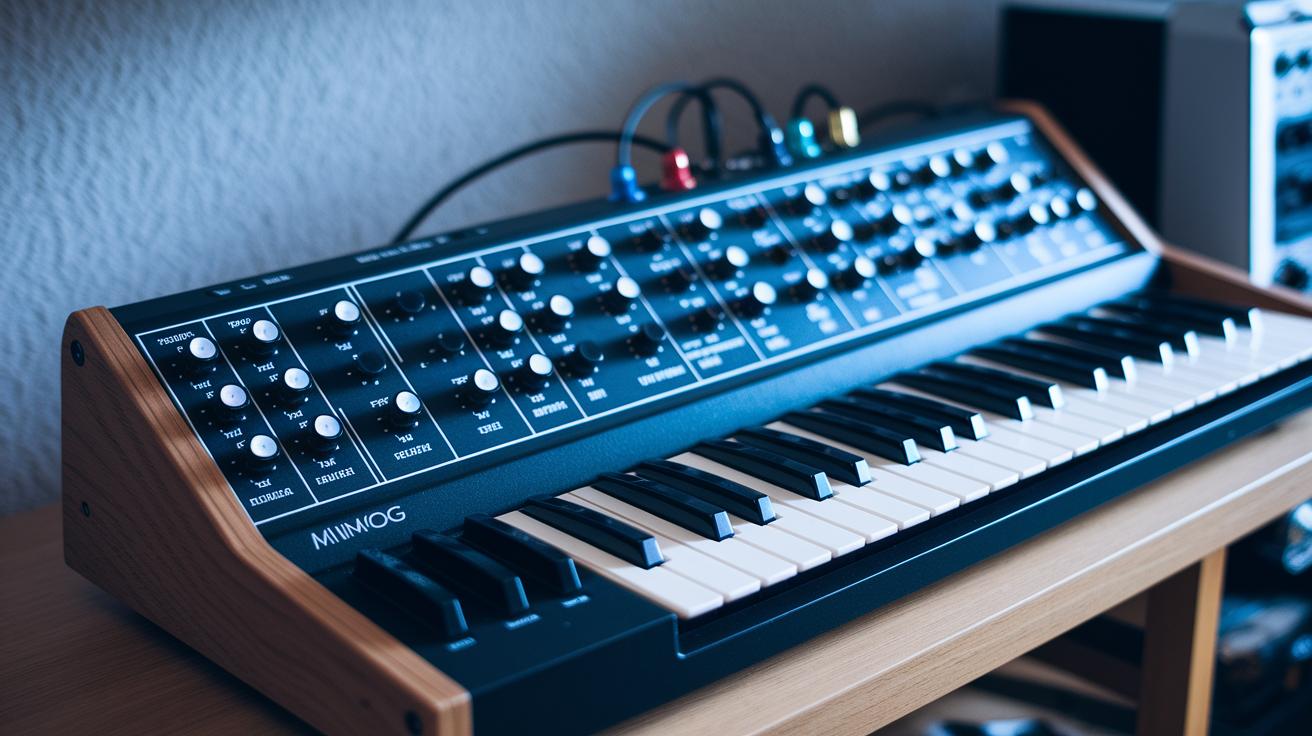
Back in the 1960s and 70s, synthesizers truly came into their own with groundbreaking tools like the Minimoog and ARP Odyssey. These cool instruments unlocked a whole range of sounds, letting musicians shape raw tones into vibrant voices. Designers created adjustable filters, oscillators, and envelopes that let them craft everything from deep, pulsing basses to bright, sharp leads. Think of it like painting with sound, mixing tones and pitches to create something entirely unique.
Drum machines also became a game changer during this period, especially in disco and krautrock tunes. Their crisp, electronic beats gave tracks a steady, mechanical pulse, swapping out traditional drumming for programmed rhythms. Imagine a dance hit where the repeating, automated drum loop sets a relentless pace, turning the beat into the heartbeat of the groove.
Tape consoles and analog sequencers brought a hands-on approach to tweaking and shaping sounds. Engineers could adjust pitch, filters, and modulation in real time, sort of like piecing together a puzzle on the fly. Each tweak added a new layer to the sound, pushing the limits of analog creation in a way that was both creative and exciting.
Digital Emergence in Electronic Music and the Rise of Computer-Driven Composition
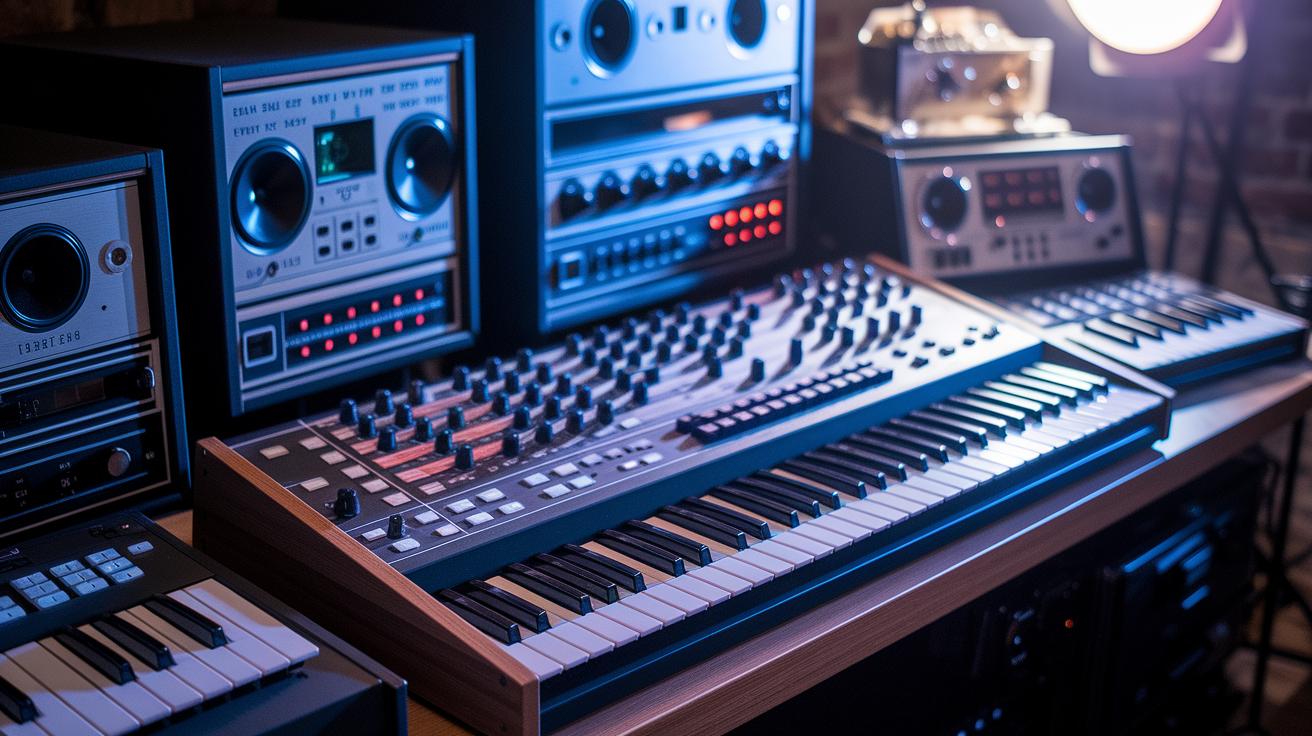
In the late 1970s, digital music production took its first big leap. Early programs like Cubase and Pro Tools opened up a whole new world, letting artists move and mix different audio tracks easily. It was like stepping into a future where music wasn’t stuck on analog tape anymore.
The 1980s and 90s were a wild ride for electronic music. Genres like techno, trance, breakbeat hardcore, jungle, drum & bass, and UK garage burst onto the scene. With MIDI and sequencers, tools that help create and arrange music, artists started crafting beats that perfectly fit their vibes. In 1982, at the International Computer Music Conference, computer-driven composition stole the show, sparking fresh experiments and new rhythms.
Today’s digital audio workstations (DAWs) are more powerful than ever. They offer cool real-time effects, massive loop libraries, and even let you work with others through the cloud. Producers can build rich, layered tracks by simply dragging and dropping loops. Plus, online platforms give artists the chance to share their creative sound worldwide, making computer-driven music a cornerstone of the electronic scene.
From Musique Concrète to Modern Sampling: Early Techniques’ Legacy
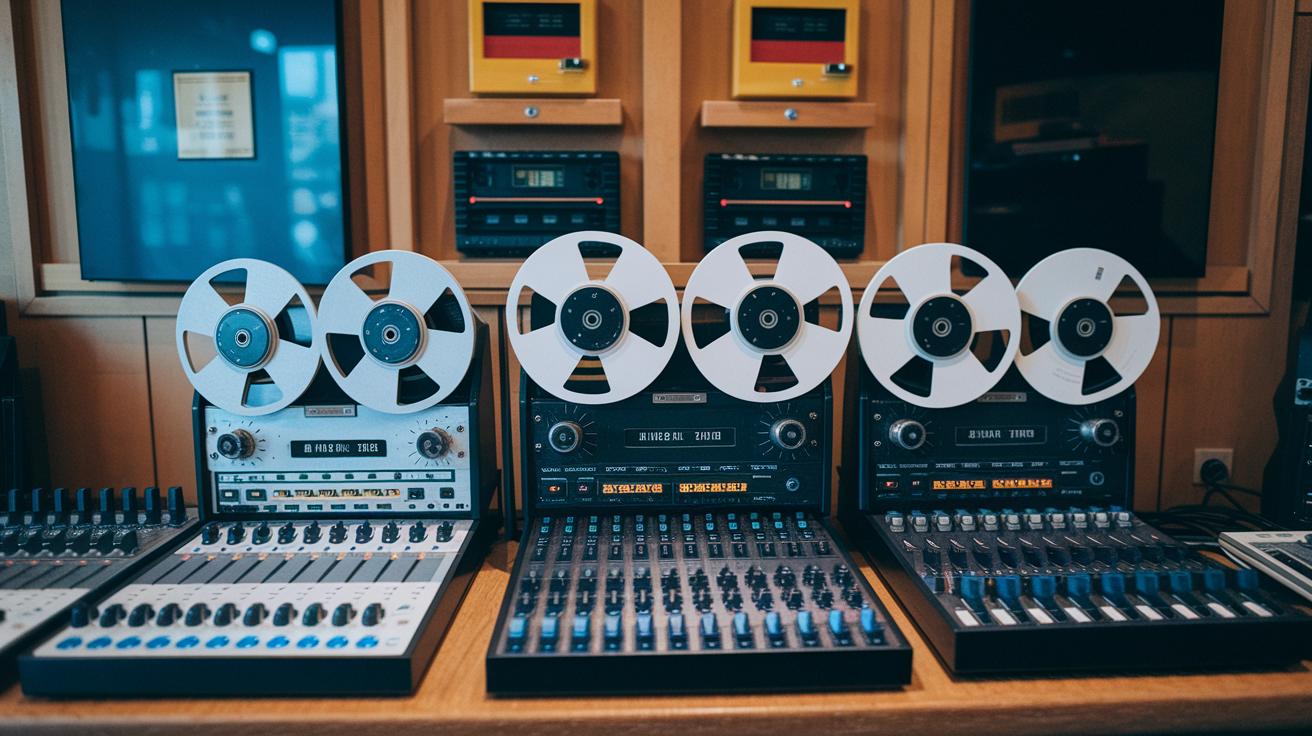
Early sound pioneers like Schaeffer and NWDR Köln composers came up with clever tape tricks such as splicing, looping, and tweaking playback speed. These simple methods opened up a whole new world of creativity. Imagine taking an ordinary noise and, with a quick splice, turning it into an unexpected and catchy beat.
In the 1960s, these playful experiments helped shape ambient and minimalist music. Musicians, inspired by these early tape techniques, stretched and repeated sounds to create a mesmerizing, layered effect. Ever think about how a single sound, played over and over, can pull you into its vibe?
By the 1970s, artists were using tape delay and looping to craft the rhythmic patterns in dub and reggae. It’s like taking a well-known tune and giving it a fresh, echoing life through looping.
These hands-on sound-bending techniques eventually led to the digital samplers we know today, like the Fairlight CMI. Now, modern digital audio workstations include loop features that carry on that creative spark, blending the past with today’s technology. This mix of old and new continues to thrill millions of music lovers.
Electronic Music Sampling Evolution and Progressive Beat Programming
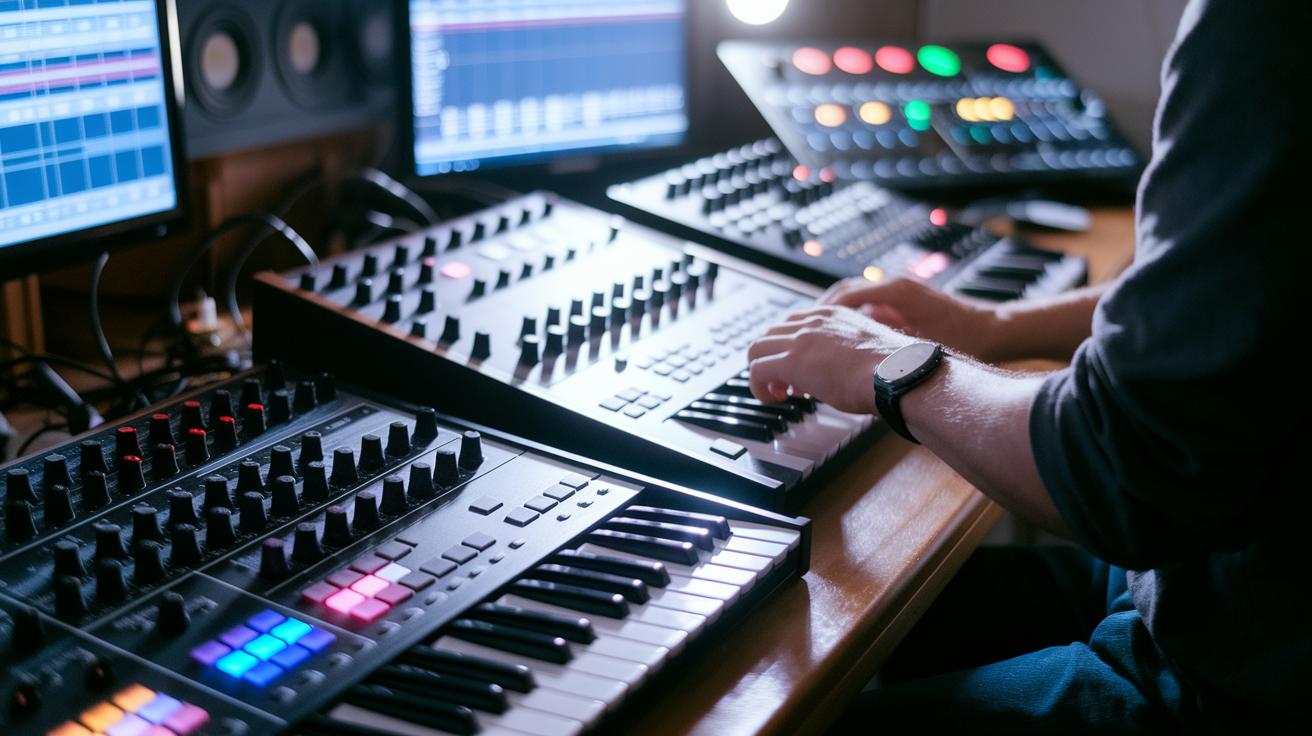
Back in the mid-80s, sampling gear like the Fairlight CMI and E-mu devices totally changed the way creators worked. They let producers grab tiny bits of sound and tweak them with real precision. Imagine recording a quick drum beat and then looping it to build a hypnotic rhythm, kind of like putting together a colorful puzzle from little sound pieces. These machines set big trends in music, inspiring everything from hip-hop to early techno by blending quick sound bites into whole new beats.
- The Fairlight CMI kicked off the era of high-quality sampling.
- The first top-10 hit that used a sample made a big splash in pop culture.
- The Akai MPC soon became famous, making live beat programming a hit.
- New pitch-shifting tricks added cool, extra layers to sounds.
- Early sampling sequencers jumped into experimental sound design.
Today, makers mix classic sampling with digital synth programming. They combine hands-on sound tweaks with virtual instruments and huge sample libraries to create beats that light up dance floors and digital chains.
MIDI Revolution in Electronic Music and Recording Innovations
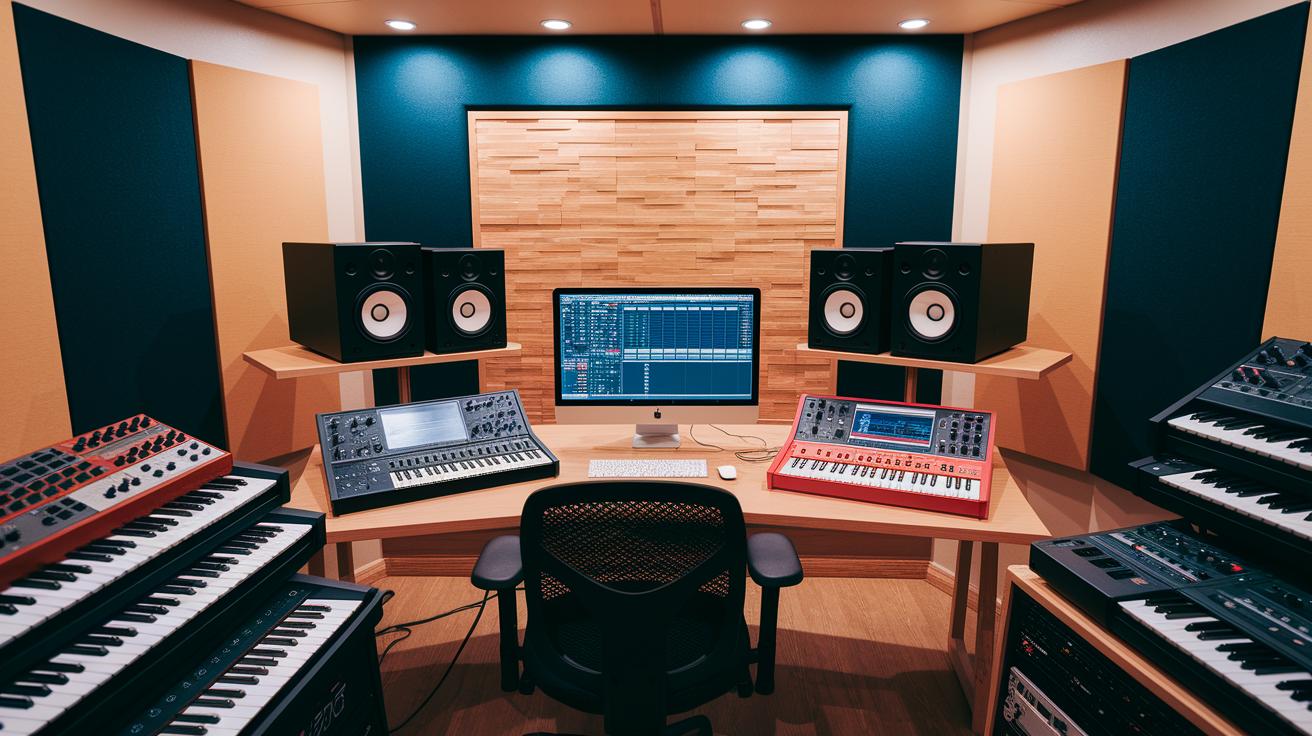
Back in 1983, music tech got a major upgrade with the birth of MIDI. This new set of rules let electronic gear like synths, drum machines, and sequencers talk to each other. It’s like giving them a common language so they can share sounds and ideas, making creative recording feel almost magical.
Then digital audio workstations jumped in. They mixed MIDI into multitrack recording, changing both studio sessions and live shows. With MIDI’s precise control, musicians could line up different instruments perfectly, imagine a fun dance where each part fits just right.
Audio effects also grew up in a big way. What started as simple tweaks like reverb or delay soon turned into cool modulation effects in both hardware and software. That means a basic beat could burst into layers of rich echoes and textures, turning an ordinary sound into a full-on sonic adventure.
Modern Electronic Music Cross-Genre Fusions and Cutting-Edge Synthesis Technology
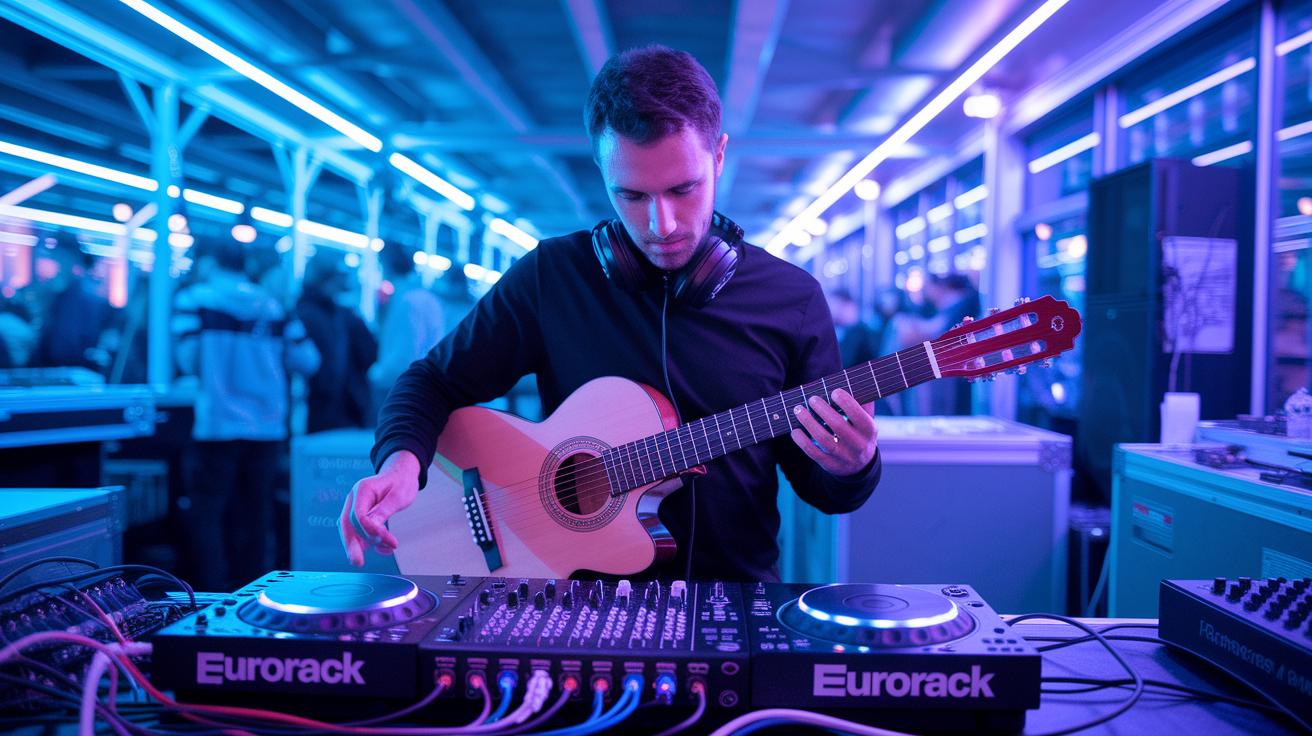
Today’s electronic music scene is like a bustling bazaar of sounds. It’s where metal, disco, reggaeton, flamenco, and more come together to keep things fresh yet familiar. Artists like Daft Punk, Justice, and Rosalía mix classic electronic beats with these vibrant styles to give us a sound that feels both retro and new. Imagine a catchy synth line dancing with the fiery strum of a flamenco guitar or a pulsing beat carrying the upbeat vibe of disco.
State-of-the-art synthesis technology is leading the charge. Producers are using cool tools like software modular synths and Eurorack systems (they let you tweak your sounds on the fly) to push the limits of what music can be. With digital tools like VST plugins, they blend warm, vintage tones with crisp modern beats, making you feel like you’re riding a wave between the old-school and the new.
Looking forward, AI-driven tools and algorithmic composition are set to take electronic music to even more exciting places. Soon, creating a track might feel like a live, interactive jam session where every beat is a new discovery. It’s an adventure that ties together the past and the future, inviting everyone to join in and feel the magic.
Final Words
In the action, we’ve seen electronic music history transform from early electromechanical sounds to cutting-edge digital beats. The post traced everything, from the initial synthesized textures born in the late 1800s to analog breakthroughs and the rise of computer-driven compositions. We explored how sampling and MIDI innovations sparked fresh genres and cross-genre experiments. Each step brings us closer to a dynamic future filled with rich, interactive experiences and creative collaborations. It’s a thrilling ride that leaves us excited for what comes next.
FAQ
What is electronic music?
Electronic music is a sound created using instruments and devices that generate or shape tones, setting it apart from traditional instrument sounds.
What is the timeline and key facts of electronic music history?
The timeline of electronic music spans from late 19th-century instruments like the Telharmonium through mid-century experiments and modern digital production, highlighting major breakthroughs in sound creation.
What are some examples of electronic music?
Electronic music examples include techno, trance, house, and synth-pop styles, each reflecting how artists use innovative devices and creative production techniques.
When did electronic music become popular and how did it evolve?
Electronic music grew popular as early experiments and analog synthesizers paved the way for studio breakthroughs and club sounds, evolving into the computer-driven styles we hear today.
When was electronic music invented?
Electronic music traces its roots to the late 1800s with inventions like the Telharmonium, later expanded by devices such as the Theremin that introduced new ways to produce sound.
What came first: EDM or techno?
Techno emerged in the 1980s before the broader term EDM evolved, making techno one of the original styles that later influenced the diverse electronic dance music scene.
Who pioneered electronic music and helped popularize it?
Early innovators, including instrument designers and composers like Pierre Schaeffer, paved the way for electronic music by experimenting with new technology and creative sound techniques.