Have you ever noticed how electronic body music just makes you want to move? It all began in cozy European studios in the late seventies, where raw sounds and drum machine beats came together in a way that felt truly alive.
It grew from a hidden underground vibe into a style that still gives you chills. Picture the mix of industrial experiments with the lively pulse of a club, tracks that hit hard and still feel fresh today.
Read on to see how simple beats turned into an electric force that has captivated millions.
Defining Electronic Body Music: Origins and Core Characteristics
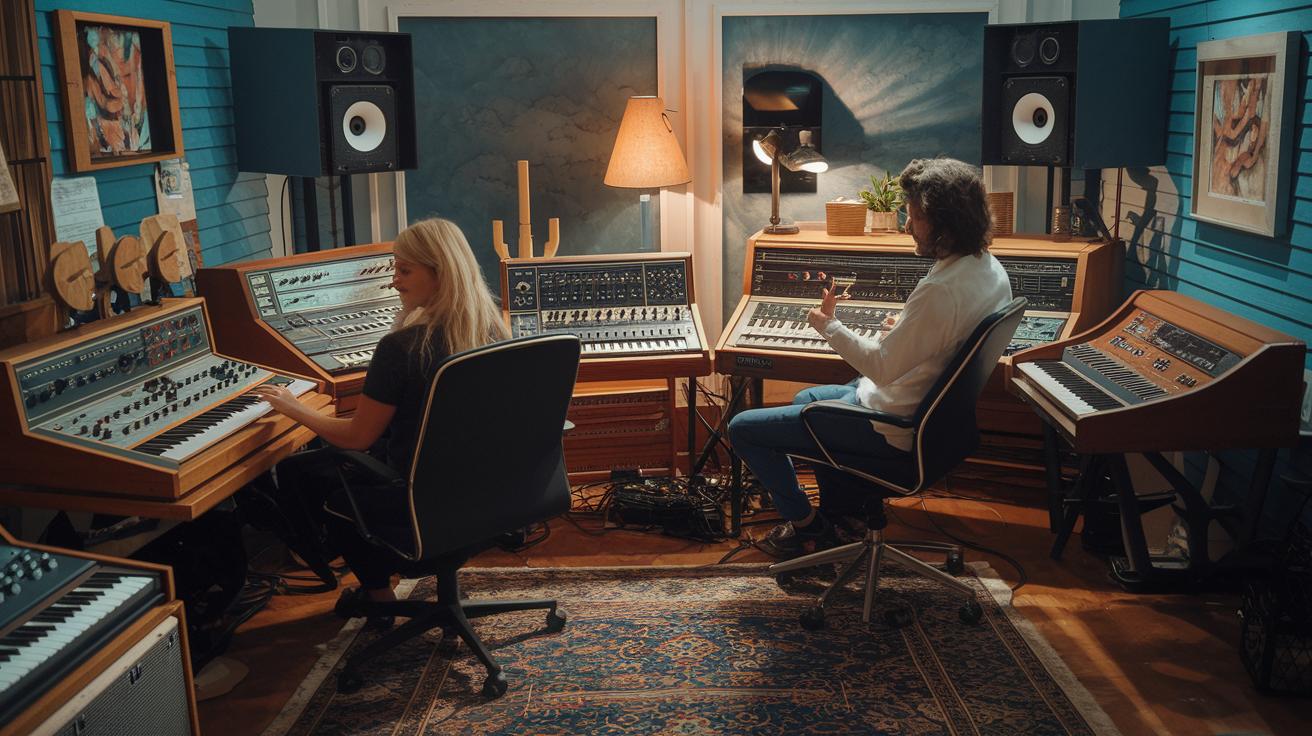
Back in the late seventies and early eighties, electric music with a purpose was born in Belgium and Germany. A member of Kraftwerk came up with the term in 1978 to capture a sound that makes you want to stand up and dance. It all started in cozy European studios, where creative minds mixed experimental tones with a raw, edgy vibe. Imagine a time when artists pushed the limits of traditional bands to create a captivating groove that got physical. Before EBM took over underground clubs and warehouses, it was already sparking a musical revolution in these small, intimate settings.
Today, EBM blends elements of post-punk, industrial, and synthpop into a clear, powerful sound. The pulse comes from heavy basslines and pulsating beats, all laid on steady drum machine rhythms. Picture iconic synthesizers like the Korg MS-20, Emulator II, Oberheim Matrix, and Yamaha DX7 layering sound that feels both gritty and futuristic. Distorted vocals with a hint of echo add that extra edge, making each track feel alive. It's like mixing the vibrant energy of a live show with smart digital design, imagine a sound that makes your heart race and your feet move, with every beat telling its own exciting story.
electronic body music: Bold and dynamic beats
Before EBM really took hold, groups with daring sounds like Throbbing Gristle, Cabaret Voltaire, DAF, Die Krupps, Liaisons Dangereuses, and Portion Control were shaking things up. Back in 1972, one music critic even talked about rock’s strong beat as if it was hinting at something new. These early vibes paved the way for a style that made music feel physical and full of life.
The genre truly emerged when post-punk’s raw edge mixed with industrial experiments. Artists blended the wild energy of live shows with fresh electronic techniques, creating tracks that pulsed with spirit and force. Just think about hearing a live drum machine for the very first time, the precision and power of it all were simply stunning.
Before long, this new sound spread quickly across Belgium, France, Italy, and the Netherlands in the early 1980s. Underground clubs in North America and Asia soon caught on, turning the beat into a contagious energy that lit up dance floors around the world.
Electronic Body Music Sound Elements and Production Techniques
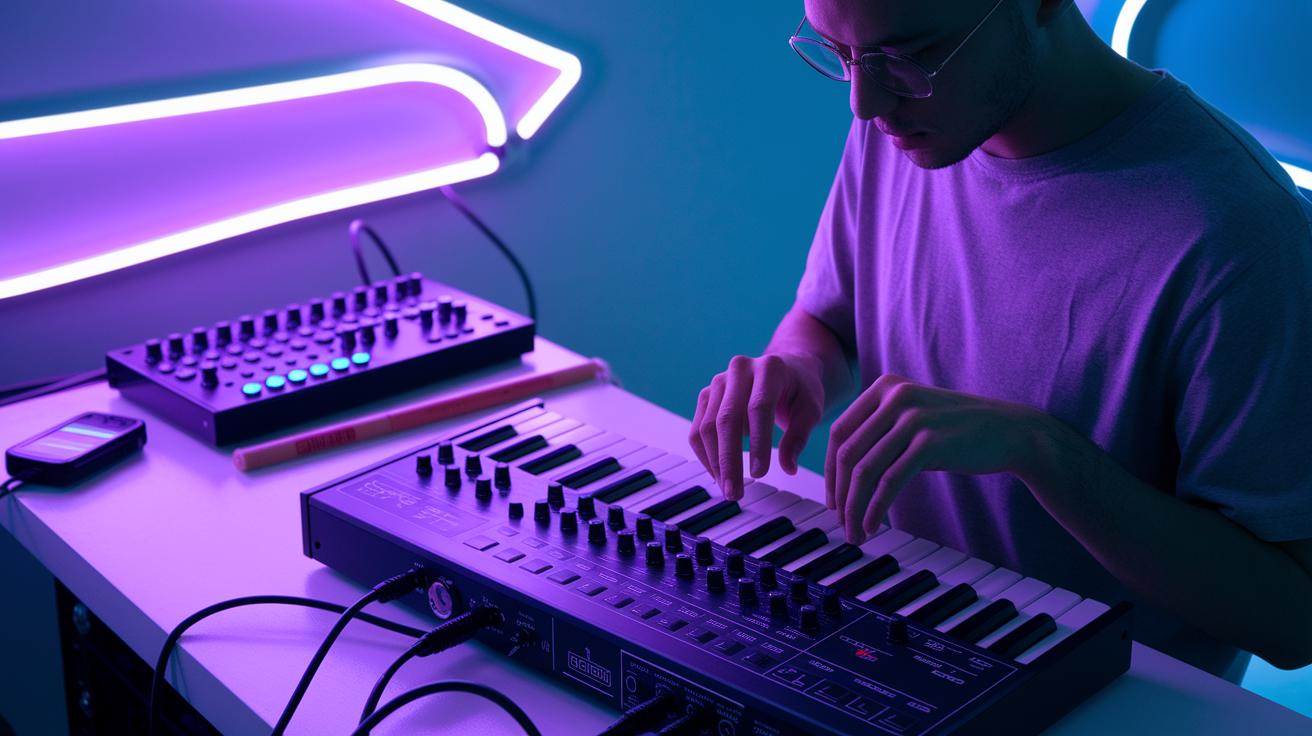
EBM is all about that steady groove that grabs your attention right away. It builds on looping bass lines that feel like a heartbeat, setting a vibe that’s both modern and industrial. Imagine a bassline that keeps thumping, creating an energy that pulls you into every beat, while precise drum machines add a danceable rhythm.
Synthesizers are the creative force behind this unique sound. Musicians mix old-school analog with digital synths to layer sounds that feel raw yet carefully crafted. Think of the Korg MS-20 delivering cutting, edgy leads, while the Emulator II brings in a clever twist with sampled sounds. Add in rich pads from the Oberheim Matrix and distinctive FM textures from the Yamaha DX7, and you’ve got a digital puzzle where every piece contributes to a vibrant, pulsating soundscape.
Vocal effects play a big role in giving EBM its industrial edge. Vocals often start crystal clear and then evolve with hints of distortion, reverb, and echo, turning into something almost robotic. It’s like watching a familiar face transform into a cascade of digital signals, each layer blending with the synthetic beats. This mix of effects helps every word fit right into the rhythmic maze, reinforcing that unmistakable mechanical energy.
Innovators and Landmark Tracks
Early pioneers flipped the script on electronic body music. They mixed tough, aggressive beats with fresh, creative sounds that quickly caught on in both club and industrial scenes. The energy was raw and every track shouted bold political ideas in a way that felt both daring and new.
- Front 242 – "U-Men" – 1982 – This track hits hard with punchy, punk-style beats and edgy synth lines that really grab your attention.
- Nitzer Ebb – "Warsaw Ghetto" – 1985 – With simple drum loops and a firm, almost marching vocal style, this tune gives off a strong, military vibe.
- DAF – "Der Mussolini" – 1978 – Danceable beats meet daring lyrics in a mix that makes you feel the power of real political expression.
- Bigod 20 – "Body to Body" – 1991 – Fusing elements of acid house with pounding electronic bass, this track brings a fresh twist to the genre.
- Spetsnaz – "Grand Design" – 2006 – Crisp synth hits and a high-energy rhythm make this song feel like a burst of pure excitement.
Every song pushed the limits of sound, blending bold beats with deep, stirring lyrics. They left a lasting mark on the evolution of electronic body music, reshaping what we dance to and how we feel the vibe.
Evolution and Revival of Electronic Body Music Across Decades
Back in the late 1990s and into the 2000s, the electronic body music scene got a fresh burst of energy in places like Belgium, Sweden, and Germany. Picture underground clubs and cozy venues buzzing with remixed tracks. Producers swapped ideas like old friends sharing favorite beats, infusing the signature raw sound of EBM with hints of techno and electroclash. It was like every corner of the space came alive with a modern twist on classic synth lines and punchy drum beats. Small meetups turned into unforgettable showcases that brought longtime fans and curious new listeners together, all celebrating the music with a contagious passion.
At the same time, EBM sprouted new and exciting offshoots. Legends like Skinny Puppy and Front Line Assembly paved the way for electro-industrial tunes that later evolved into even darker styles such as dark electro and aggrotech. Today’s musicians mix the familiar sounds of analog synthesizers with shiny new digital tools, creating tracks that feel both nostalgic and fresh. Imagine a classic record getting a modern remix, each vibrant beat and sharp note nods to the genre’s rich history while boldly stepping into new soundscapes.
The Lasting Influence of Electronic Body Music on Modern Music Styles
EBM's tight, thumping beats and raw energy quickly spread their magic to other music styles like techno, trance, rock, and metal. Its forceful beats and steady pulse pushed artists to experiment, mixing in surprising twists with a high-energy vibe. Imagine a song that suddenly changes pace while still keeping that cool synthetic beat, it feels like the mysterious hum of machinery blended with the thrill of a live show. This creative mix has led many musicians to borrow EBM's catchy, repeatable rhythms to give their tracks a bold new edge.
In cities like Detroit and Tokyo, underground clubs turned into must-visit spots for fans of this sound. In these dim, atmospheric venues, booming speakers and raw live energy filled every corner. Picture yourself in a warehouse where each beat feels like a secret shared between the DJ and the crowd, a secret that connects all dancers moving in sync with the mechanical pulse. It was a special vibe, a shared language that brought diverse music lovers together under one roof.
Today, modern artists keep the EBM spirit alive by blending its vintage edge with today's slick production techniques. Bands like The Juggernauts with their track "FEAR" (2014) and Chrome Corpse with "B.I.E.T." (2017) mix gritty textures with modern studio flair. Their work shows just how much EBM's approach to rhythm and sound design still inspires fresh, experimental musical ideas.
Final Words
In the action, we explored the origins and signature pulse of electronic body music. The post broke down its early days in Europe, highlighted key tracks and sound elements, and showed how innovative beats continue to energize live experiences.
This recap reminds us that each new rhythm feels like stepping into a live show. Every beat and synth line connects fans and fuels moments that are as exciting as a backstage pass.
FAQ
What are some examples of Electronic Body Music songs?
Electronic Body Music songs often feature heavy basslines with rhythmic beats. Classic tracks include hits from Front 242, Nitzer Ebb, and DAF, showing off a mix of industrial sounds and dance-worthy energy.
Who are notable Electronic Body Music artists or bands?
Notable Electronic Body Music artists include Front 242, Nitzer Ebb, and DAF. These bands are known for their raw energy, driving beats, and innovative use of electronic instruments.
What is EBM music?
EBM music is a genre blending post-punk, industrial, and synthpop influences. It features driving basslines, sequenced beats, and slightly distorted vocals, creating a sound that is both danceable and intense.
How does EBM differ from EDM?
EBM differs from EDM by merging industrial sounds and post-punk energy, while EDM encompasses a broader range of club-oriented, festival-friendly electronic dance tunes with a smoother production style.
What does the Wikipedia page for Electronic Body Music explain?
The Wikipedia page for Electronic Body Music explains the genre’s origins in late 1970s Belgium and Germany, its mix of industrial and post-punk influences, and its signature characteristics like sequenced beats and raw vocal styles.
What is meant by the term “EBM music key”?
The term “EBM music key” may refer to the common musical keys used in these tracks. In practice, artists use different keys to create a variety of rhythmic and harmonic textures that define the style.
What is the alternative term for electronic dance music in relation to EBM?
Electronic dance music is an umbrella term for many electronic styles, while Electronic Body Music specifically focuses on hard-edged, industrial beats and a more raw, mechanical sound.
Why is it called Electronic Body Music?
It is called Electronic Body Music because the genre emphasizes physical, dance-inducing beats produced by electronic instruments. The name reflects its focus on movement and tactile energy in live venues.