
Ever notice how a story on your screen can feel as exciting as a live show? Today’s digital tales turn simple words into lively events that pull you right into the action. Brands and creators are blending cool visuals with fun, interactive elements that make you feel like you're part of the event. In this article, we explore the newest trends that are changing the way we enjoy stories, each tap feels like getting a front-row seat to the show.
Digital Storytelling Trends: Current Landscape and Insights
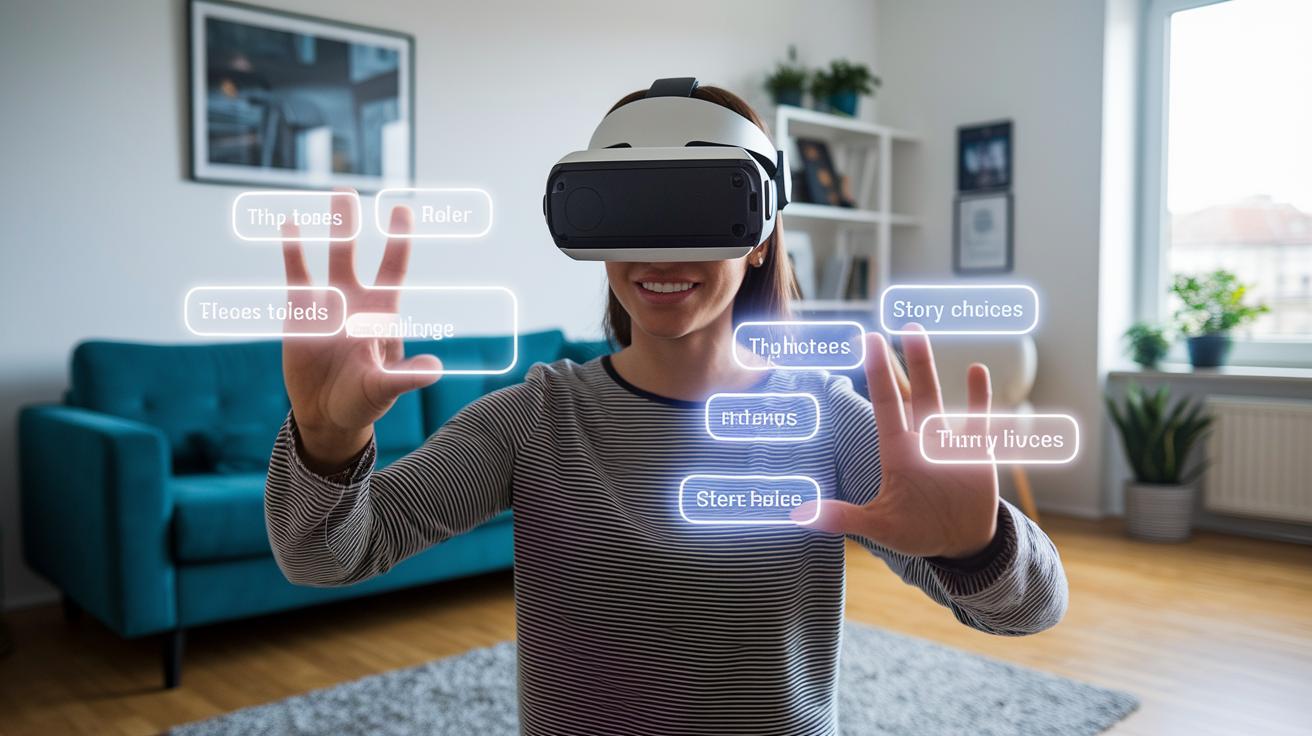
Digital storytelling has taken a giant leap from plain old text to experiences that draw you right into the action. Nowadays, brands and creators are shifting away from boring, one-way content and instead offering interactive, tech-powered tales. It’s like being at a live show where every moment buzzes with energy and bright visuals, you really feel the thrill.
Imagine stepping into a virtual world where you not only watch the story unfold but get to influence it with your choices. That’s the magic of today’s digital storytelling. It makes you feel like a part of something real, personal, and spontaneous.
Here are some of the hot trends shaping this field:
| Trend | Description |
|---|---|
| AR and VR immersive multimedia | Step into a digital realm where technology makes you feel completely present. |
| Gamification and interactive narratives | Stories that let you decide what happens next, almost like playing your favorite game. |
| AI-driven personalization | Content that adapts to your tastes in real time, making each experience unique. |
| Short-form content and live streaming | Quick bursts of excitement and live moments that keep the energy high. |
| User-generated content | Real people adding their own twist, making stories feel more genuine. |
| Data-driven insights | Stories that evolve based on how viewers react, creating a shared, dynamic experience. |
This evolution in storytelling changes everything for both big brands and small creators. With interactive elements and immediate feedback, viewers aren’t just watching, they’re becoming a part of the tale. Every like, comment, or decision helps shape the unfolding story, making it unforgettable.
By mixing smart tech with creative narrative, brands can truly captivate their audience. It’s a blend that makes every digital experience a bit more magical and a whole lot more personal.
AR and VR in Digital Storytelling Trends
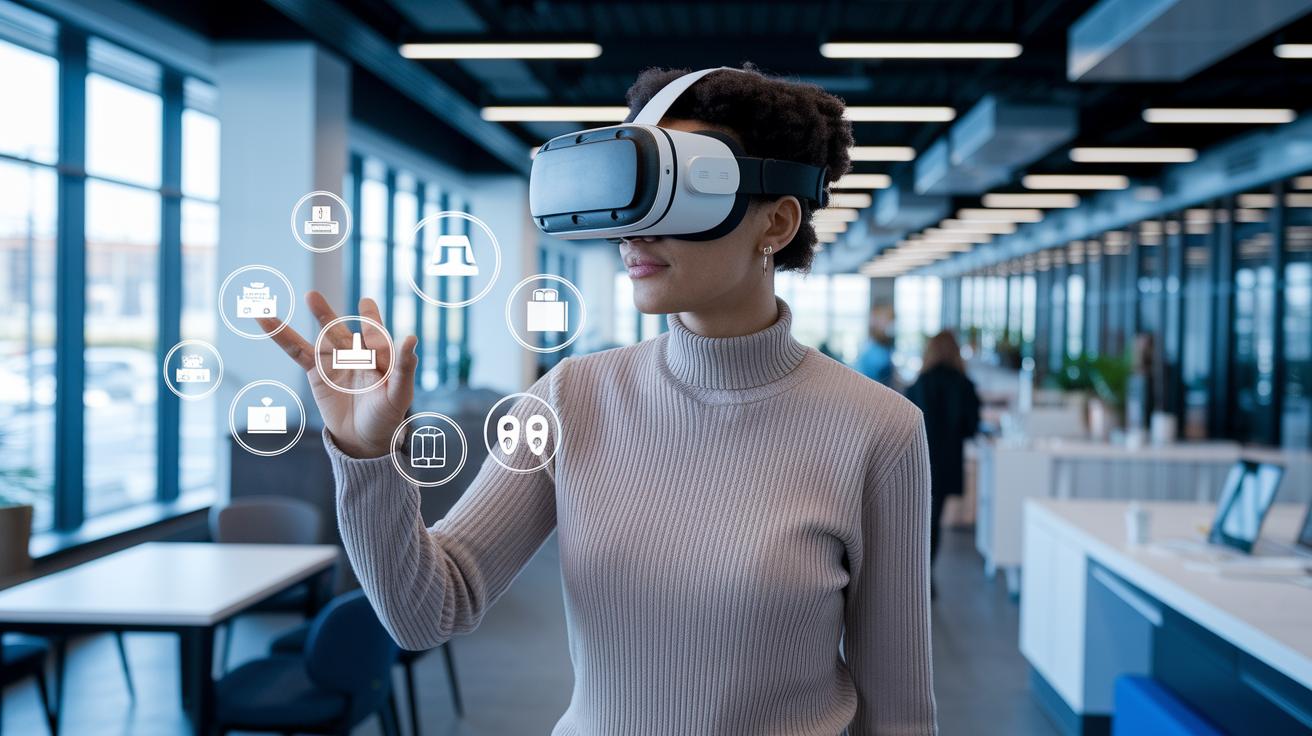
AR and VR are changing the game in digital storytelling by turning you from a bystander into an active player. Thanks to tools like spatial mapping and interactive 3D objects, these technologies invite you into truly immersive experiences. They work with real-time feedback, so the story can shift and evolve as you explore. Imagine tapping on a floating icon that unveils a secret part of the story, it’s like stepping behind the curtain.
Think about a cool marketing campaign that uses VR to drop you into a virtual showroom, where every detail of a product comes to life. Or picture walking past a famous landmark and seeing history play out on your screen as AR overlays fascinating facts. Even a museum exhibit might use AR to animate ancient relics, or a brand ad lets you try a new product in a virtual space. In each case, technology and narrative merge in ways that feel both fresh and personal.
In 2023, VR headset shipments jumped by 13%, and AR mobile installations hit over 2 billion worldwide. These numbers show that immersive storytelling tech is really picking up steam. For more info, check out Emerging Technologies in Interactive Media. The trend is clear, these interactive adventures are as engaging as they are innovative.
Gamification and Interactive Narratives in Digital Storytelling Trends

Gamified stories let you jump right in instead of just watching. When creators sprinkle in points, badges, and little contests, every story becomes like a fun game. You feel more part of the adventure, and it’s like the story comes alive with extra energy.
It’s amazing how these playful twists turn a regular tale into an exciting journey. With simple rules and cool rewards, you might end up spending way more time enjoying the experience, up to 30% more, in fact.
Here are a few cool examples:
- Netflix’s Bandersnatch interactive film
- Duolingo’s streak and badge challenges
- Nike’s run-tracking narrative campaigns
- Classcraft’s educational story quests
- Coca-Cola’s AR treasure hunt activations
These cases show that interactive storytelling can work anywhere, from movies that let you choose the next step, to apps that reward your daily efforts, to campaigns that blend exercise with an engaging narrative. In truth, when stories mix in game-like features, they hold your attention much better and even make you want to come back for more.
AI-Driven Personalization and Automated Frameworks in Digital Storytelling Trends

AI and machine learning are shaking up storytelling by tuning narratives to fit your every move. They watch how you interact and subtly adjust the plot as you dive in. Imagine a tale that shifts in real time, like a hero suddenly taking an unexpected turn because the system caught your love for suspense. And guess what? This clever twist can pump up engagement by as much as 20 to 40 percent.
Early on, smart tools are even writing parts of the story for us. They whip up dialogues, organize scenes, and map out character arcs, kind of like a digital buddy who drafts out your script while you focus on the creative sparks. For instance, one tool might suggest new dialogue options that keep the story fresh without losing its vibe.
Of course, these tech wonders bring plenty of speed and efficiency, but they aren't without a few quirks. Predictive algorithms can guide the next step based on what you’ve liked before, yet sometimes they miss that spark of nuance that only a human storyteller can offer. It’s like watching a machine try to dance: it keeps the rhythm, but only a human touch turns it into art.
Then there are AI-powered scriptwriting assistants that can put together a scene in seconds. They tap into patterns of reader interest and toss out ideas like, “When the hero speaks, the world listens.” It’s amazing how technology can drop unexpected creative hints, sparking fresh ideas right when you need them.
User-Generated Content and Authenticity in Digital Storytelling Trends

Brands are blending real voices and true stories into what they share. People love when everyday voices jump into brand narratives. It feels genuine, like your favorite local hangout chatting about life. Imagine reading a post where someone says, "I turned my daily commute into a mini-adventure thanks to this app" , it sparks connection right away.
User-generated content shows big results too. Studies reveal that stories from real people can boost engagement by up to 50%. When you see someone like yourself telling their story, it feels like the brand really cares, and you join in the conversation. This honest talk builds trust and makes the experience more interactive.
The key to using real stories is keeping things open and respectful. Always get clear permission before using someone’s experience, just like a journalist double-checks facts. Following simple, ethical rules helps everyone enjoy and contribute to the conversation.
Short-Form Formats and Live Streaming in Digital Storytelling Trends
Short-form platforms like TikTok and Instagram Reels share bite-sized stories in just 15 to 30 seconds. These platforms pack quick, flashy visuals with punchy ideas that grab your attention in an instant. Every like, share, and view matters because you only have a few seconds to make an impact.
Live streaming on sites like Twitch and YouTube Live takes this excitement even further. Here, you join a live chat where you can ask questions, vote in polls, and even help shape the story as it unfolds. It’s like getting a backstage pass where every moment feels personal and alive. This kind of real-time interaction can boost viewership by nearly 40%.
Creators are encouraged to explore mobile-friendly tricks like hashtag challenges and interactive overlays. For example, you might kick things off with a fun fact like, "In a live stream, one vote can change the whole story." This playful approach makes the narrative feel fresh, engaging, and totally interactive.
Data-Driven Insights and Predictive Analytics in Digital Storytelling Trends

Storytellers lean on cool engagement numbers that help shape their creative moves. Imagine a live dashboard that shows things like click rates, how long people watch, and how often a story gets shared, all in real time. When a video grabs your attention during a special scene, the extra watch time tells you that moment really hit home. This kind of info lets creators fine-tune the story, adjust the speed, and tweak visuals so everything feels just right.
Predictive analytics take it even further by guessing how well the content might do. In fact, these tools can bump up planning accuracy by around 25%. Creators often run A/B tests, which is like trying out two different endings to see which one keeps you hooked. One version might get more shares while the other boosts overall engagement. This ongoing feedback loop means creators can tweak their stories on the go, just like changing the set design during a live show.
One campaign really showed the power of these insights. After testing two visual looks, the team saw that one style kept viewers around longer and earned more shares. By keeping an eye on key numbers and predictions, they adjusted the visuals in just the right way. This change not only kept audiences watching but also reshaped how they thought about blending media with digital customer experiences.
Future Outlook and Emerging Platforms in Digital Storytelling Trends
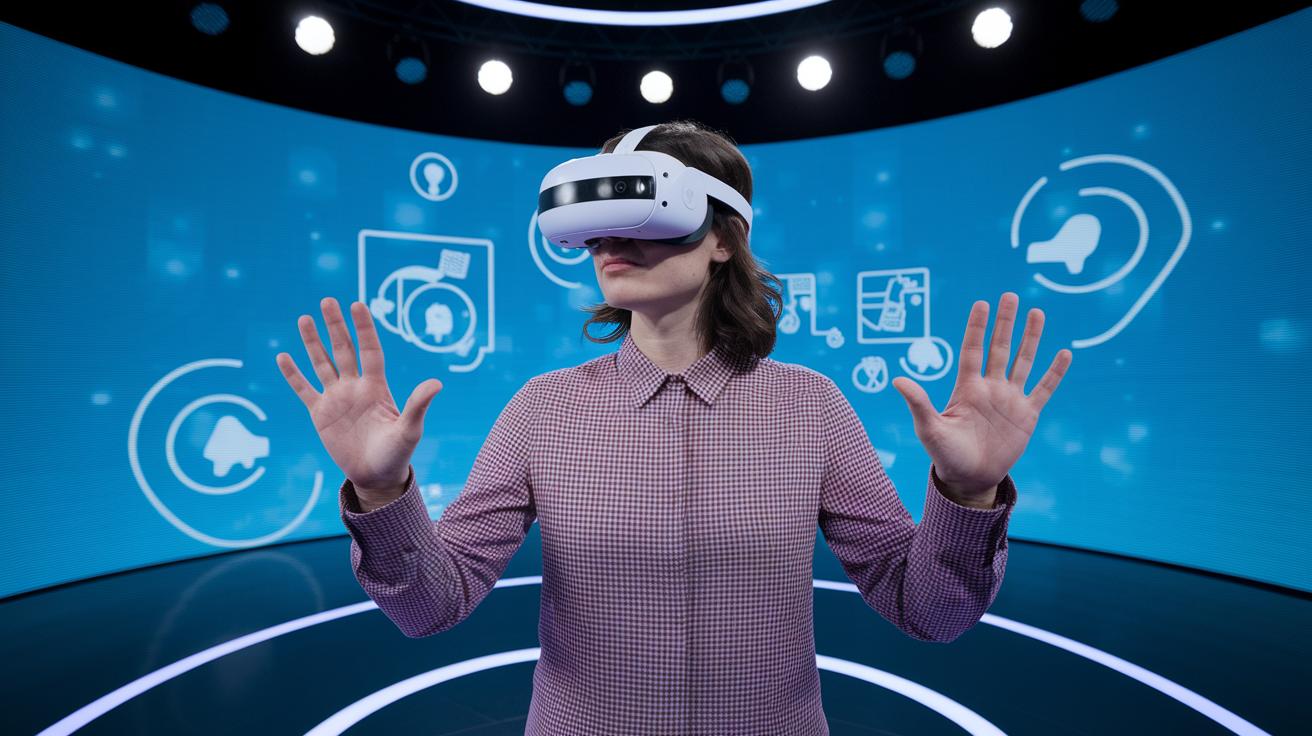
Imagine stepping into a world where digital stories come alive, and you can hike around in a scene as if you were part of a real-life adventure. New gadgets like mixed-reality headsets and spatial computing are making this possible. You’re not just watching a story; you’re living it. It’s like being pulled backstage at a concert, where every twist feels personal and exciting. If you’re curious about how fast tech trends are moving, a quick look at digital innovation might spark your interest.
Now, picture your favorite show where music, video, and interactive games blend together perfectly. That’s what cross-media storytelling is all about. It’s a bit like planning a live event where every act supports the next, ensuring no detail is out of place. Whether you’re catching this on your phone during a quick break or diving deep into it on your desktop, the experience stays the same, smooth and full of surprises. With tools like NFTs and blockchain adding an extra layer of magic, every moment feels connected.
Looking ahead to 2025 and beyond, creators are blending creative dreams with smart, tech-savvy planning. It’s time to play with immersive journey design and explore platforms that mix different media elements. By using these fresh, cross-channel strategies, storytellers can build tales that change on the fly and hit you in all the right ways. The future of digital storytelling is like a blank canvas, waiting for bold artists eager to experiment and reinvent what a story can be.
Final Words
In the action, we explored how tech like AR/VR, gamification, and AI personalization are transforming interactive content. Fans now enjoy immersive live streams, inventive short-form videos, and data-backed narratives that boost engagement.
We walked through examples of user-driven content and smart analytics shaping storytelling. Our overview of digital storytelling trends shows a future full of exciting, interactive experiences.
The outlook is bright, step forward and enjoy the thrill of next-level digital storytelling.
FAQ
What is digital storytelling in education and how do trends impact students?
Digital storytelling in education means using tech-enhanced narratives to make lessons engaging. It transforms learning into an interactive, creative process and helps students absorb and connect with content dynamically.
What does a digital storytelling trends PPT typically include?
A digital storytelling trends PPT outlines current tech advances like AR/VR, gamification, and live content. It provides visual examples, data highlights, and ideas on how these trends shape modern storytelling.
What digital storytelling websites, videos, and apps can I explore?
Digital storytelling resources range from interactive websites and mobile apps to short-form videos on platforms like TikTok. They offer hands-on experiences and creative tools that make visual storytelling more accessible.
What are some examples of digital storytelling?
Digital storytelling examples include interactive films, augmented reality exhibits, and live-streamed events. They blend visual, audio, and interactive elements to create immersive experiences that captivate audiences.
What digital storytelling jobs are available?
Digital storytelling jobs span content creation, multimedia production, and digital marketing roles. Professionals work on integrating tech tools into narrative design and crafting stories that resonate across various digital platforms.
What are the 7 elements of digital storytelling?
The 7 elements of digital storytelling often include a clear point of view, a central conflict, developed characters, an engaging plot, immersive visuals, compelling sound, and a resonant message that ties the piece together.
What are the 5 C’s of storytelling and how do they affect narratives?
The 5 C’s of storytelling—context, characters, conflict, connection, and conclusion—guide narrative creation by shaping the story’s setting, emotional depth, and the overall impact on the audience.
How do the 4 or 5 P’s of storytelling guide narrative structure?
The 4 P’s can refer to Purpose, Plot, Pace, and Presentation, while some add Passion as a fifth element. They help storytellers organize ideas, set the tone, and ensure the message resonates with audiences.