Have you ever felt the music hug you like your favorite sweater? Picture stepping into a place where every beat pulls you in and every melody makes you feel alive. Bright Sound Magic brings together smart tech and creative storytelling to turn regular tunes into exciting adventures.
This fresh take means you get to do more than just listen. You become part of the sound, letting each note spark your senses and lift your mood. Ever wonder how an immersive music experience can change the way you enjoy every moment? Let's dive in and find out.
Core Principles for Creating Immersive Music Environments
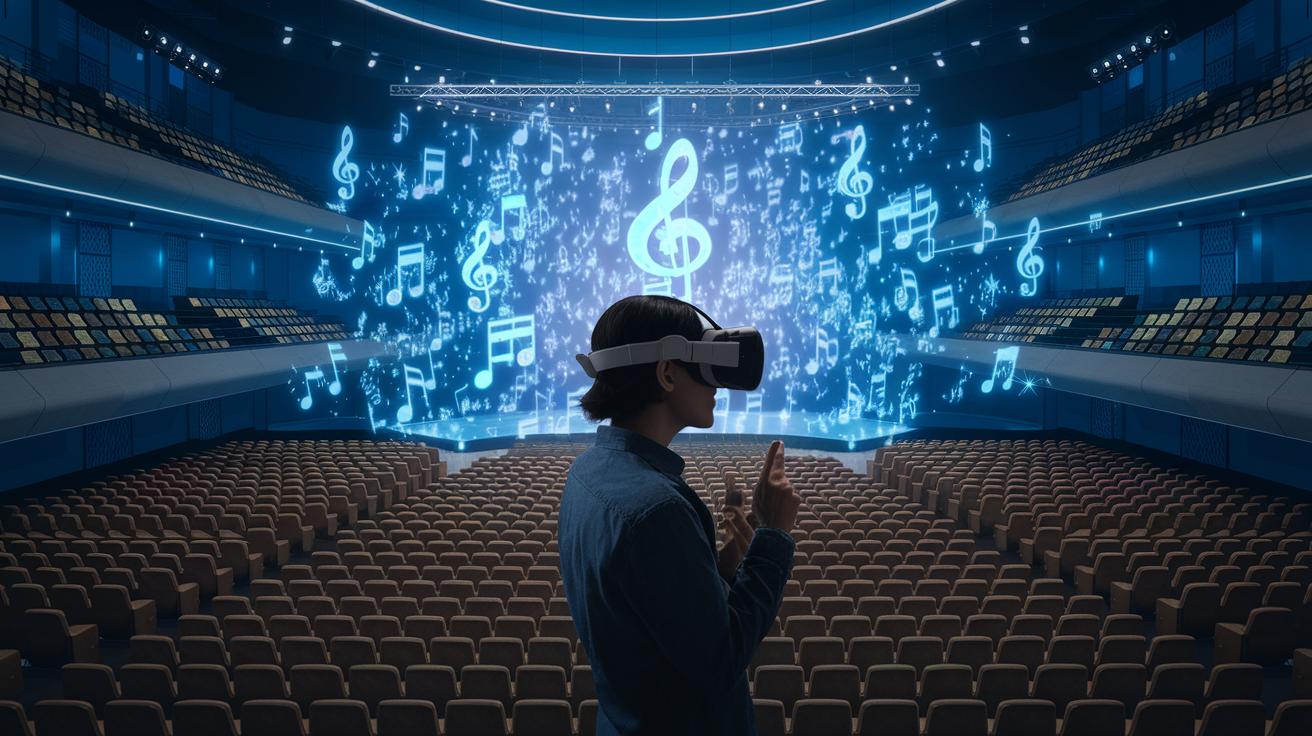
Imagine stepping into a world where music isn't just background noise. It’s an adventure that surrounds you, pulling you from passive listening into full-on participation. By merging a captivating story with cutting-edge technology, every beat and melody grabs you, making you feel totally immersed.
Consider this: before hitting the stage, many artists rehearse soundscapes that turn silence into a lively chat with the listener. It’s an energetic kickoff that sets the stage for an unforgettable journey.
Key ideas include:
- Active storytelling: Craft a moving narrative that sweeps your audience along with pulses of emotion and rhythm. Repeating familiar sounds can make the experience stick long after the show.
- Blending modern tech: Think of it like using VR headsets to wander inside a digital concert hall, AR overlays that reveal hidden details, or holograms that light up the space. This smart tech is what fuels digital audio immersion.
- Spatial audio magic: Arrange sound elements so the main tune hits you up front while soft background layers swirl around. Each note is placed to create a truly full-sensory adventure.
- Continuous detail layering: Keep the vibe fresh by adding intricate touches that change with every listen, ensuring the experience evolves over time.
- Engagement: Invite your audience to jump in and shape the show. This interactivity transforms a one-way performance into a lively, shared experience.
When you blend a thoughtful narrative with state-of-the-art tech, immersive music doesn’t just play, it becomes a living event that turns every moment into a vibrant, interactive feast for your senses.
Technical Setup and Spatial Audio Engineering for Creating Immersive Music Environments
Creating an awesome spatial audio setup means mixing the right hardware and software to take your sound experience to the next level. Begin by setting up a surround sound system that uses multiple channels to spread audio all around your space. For instance, you can experiment with free binauralizer plugins, imagine adjusting a single sound in a 3D mix and watching it move, just like shifting a light bulb in a room.
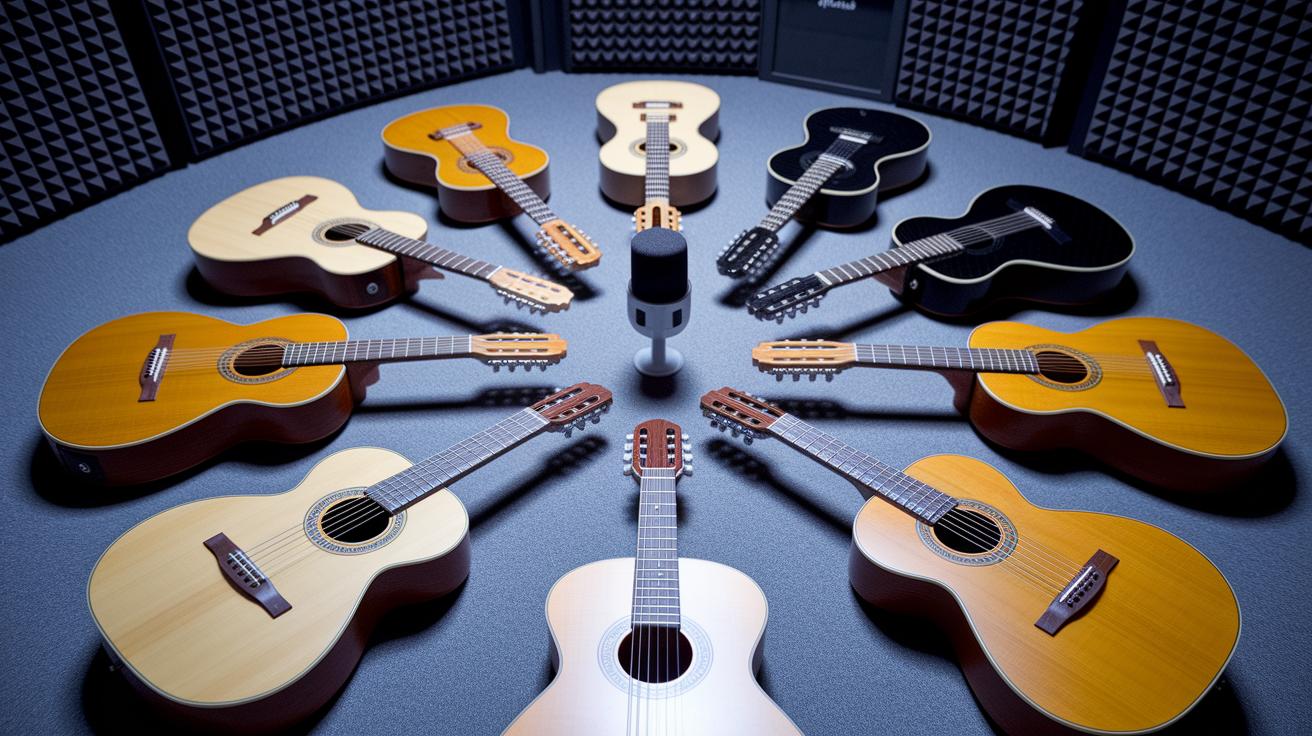
At Real World Studios, they played around with a circular setup using seven guitars. Each guitar was sent through its own DI box and amplifier, all feeding into an 8-microphone ambisonic capture placed right in the center of the room. This cool experiment shows how spatial audio techniques can capture a vibrant, living sound environment.
Designing Multi-Channel Speaker Layouts
When you set up your speakers, think of it like building a three-dimensional stage for sound. Place your surround, height, and overhead speakers following trusted guidelines from industry standards like ITU-R BS.775 and Dolby Atmos. This approach lets your audience feel subtle shifts in audio, as if they're stepping right into the music. Every speaker plays its part, blending together to create a smooth, immersive sound experience.
Integrating 3D Audio Mixing Software
Using software like Reaper Ambisonics or Dolby Atmos Production Suite makes mixing in 3D simple and fluid. The trick is to perfectly integrate multiple audio channels. You can fine-tune where each sound sits in space using easy-to-navigate interfaces and free binauralizer plugin workflows. With these tools, you gain real control over sound placement, making your audio feel as lively and engaging as a live show.
Creative Soundscaping Techniques in Creating Immersive Music Environments
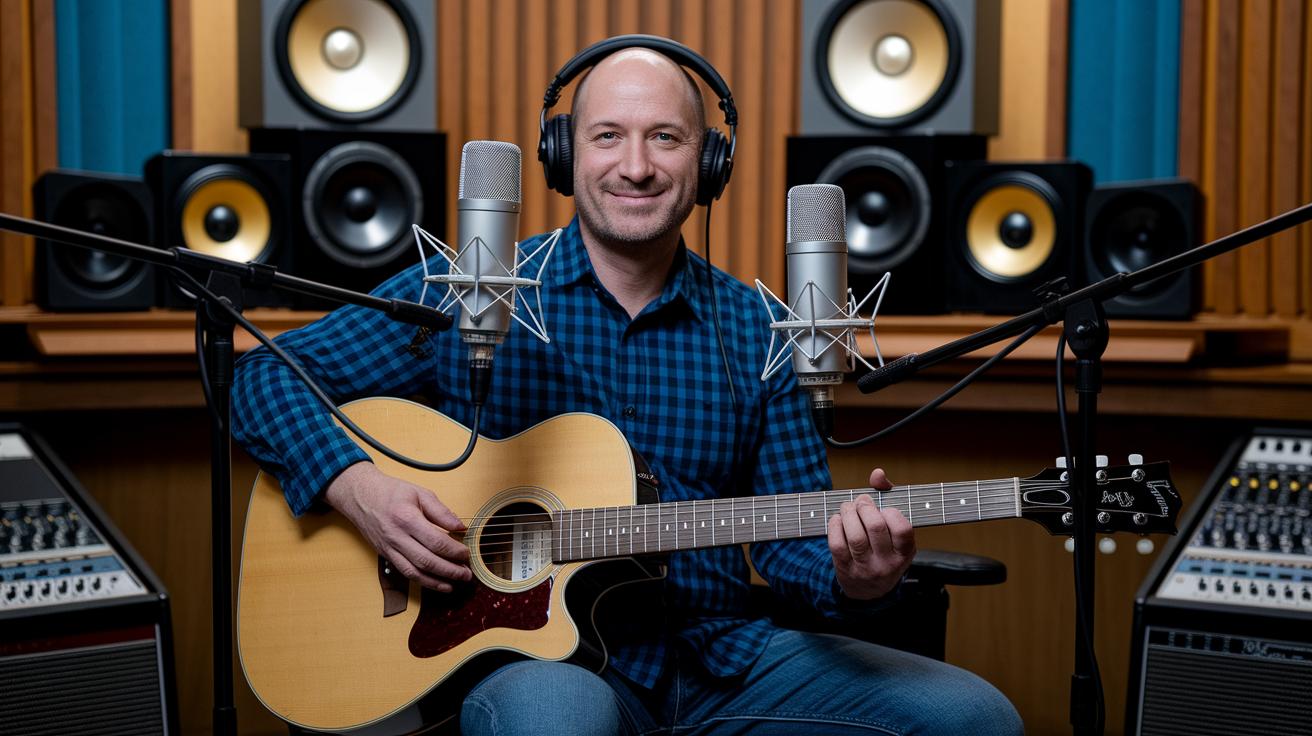
Imagine stepping into a world where music feels alive, like entering a moving piece of art. In these spaces, the main sounds grab your attention up front, while gentle tones swirl around you like a soft breeze. It’s as if every beat and note invites you to feel the music from every angle.
One cool trick to achieve this is by using unique mic placements to capture sound in three dimensions. Popular methods include the spaced-pair setup, the well-known Decca Tree, and ambisonic capsules, which are just fancy tools for grabbing multi-layered sound. Picture recording a gentle guitar strum from different spots to fill the room with a rich, full sound.
And then there’s the power of storytelling in music. By using repeating sound ideas and changing textures, the music can actually tell a story as it plays. This keeps every listen exciting and fresh, making each song feel like a living, breathing design where every note connects with you. It’s a fun way to blend the creative process with how you truly experience the music.
Creating Immersive Music Environments: Bright Sound Magic
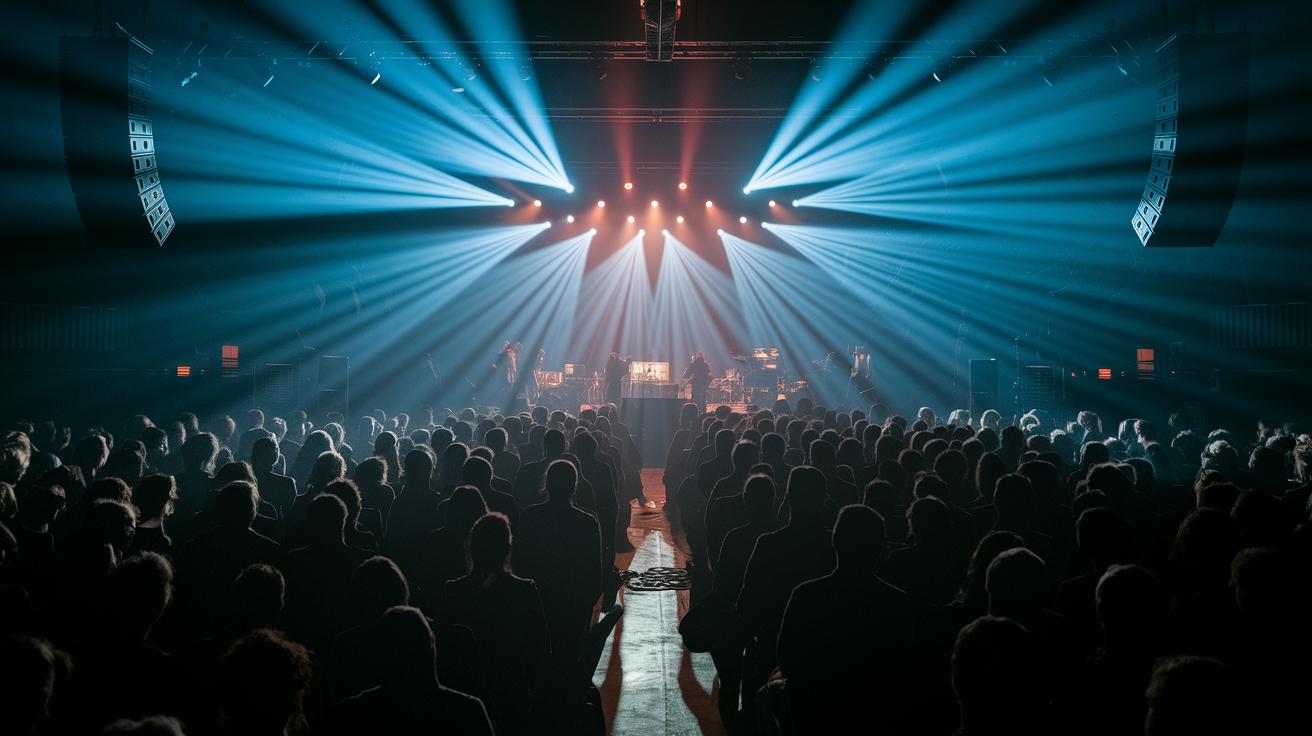
Designing a venue is like setting the stage for a living, breathing sound adventure. Venues use smart multi-zone speaker setups that adjust to both the room size and the way the audience gathers. They mix in diffusers and absorbers to tame harsh echoes, while finely tuning subwoofer zones and delays to give the low notes a smooth feel. All this careful planning turns a space into a playground of sound.
Imagine sound flowing naturally from one corner of the venue to the next, as if carried by a gentle current. Every cue blends seamlessly into the next, telling the story of the performance. Sometimes, soft tones drift from the front rows all the way to the back, making everyone feel connected, like watching colors swirl together on a digital canvas.
A thoughtful acoustic setup sparks fresh, inventive concert vibes. Every detail, from where the speakers are placed to how the room's surfaces are treated, works together to envelop the listener in sound. The venue transforms from a simple space into a stage where each note plays with the room’s natural energy, creating an immersive atmosphere that truly engages every single member of the audience.
Interactive Audience Engagement in Creating Immersive Music Environments
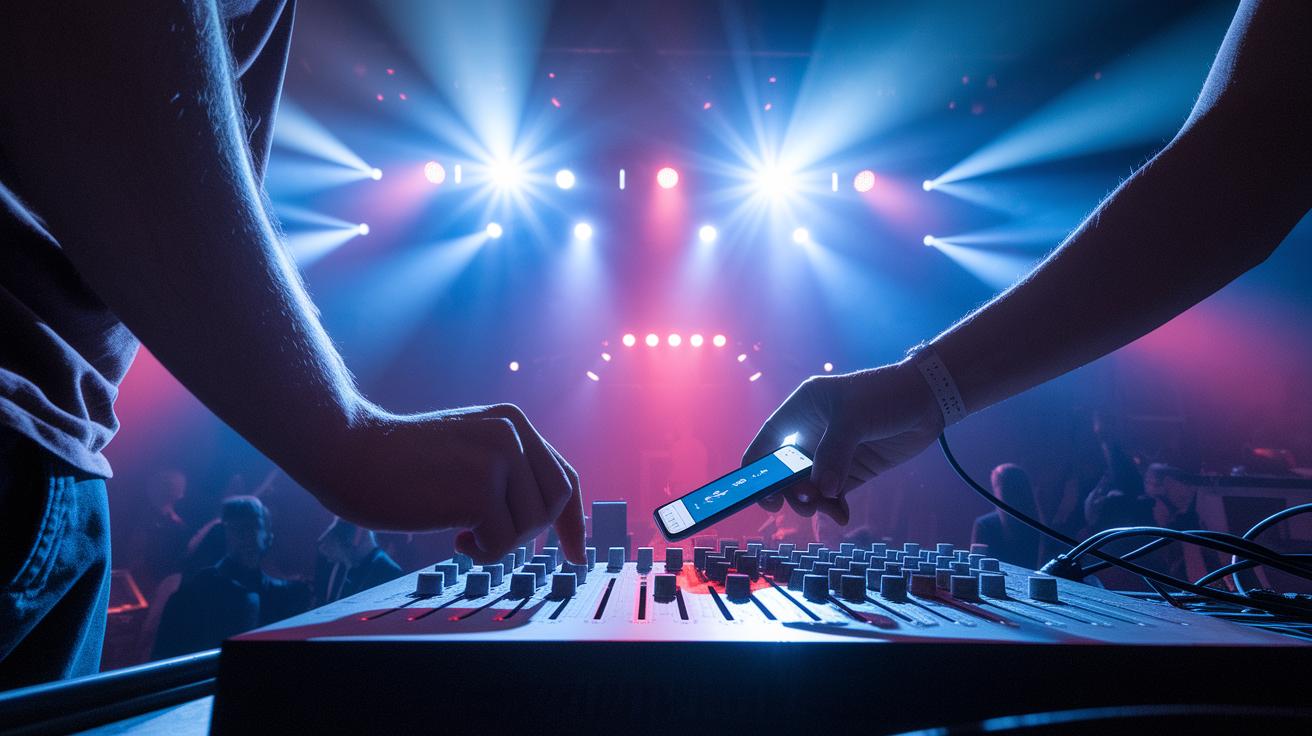
When you jump into the action, listening becomes a shared, exciting studio party, not just a quiet background moment. Imagine being at a live concert where your touch brings the sound to life. With a mobile app in hand, you can tweak things like volume and balance right then and there. One time, a fan's little change during a live session completely shifted the concert's vibe, making everyone feel like they were part of something special.
There are fun ways to play with the sound as you move. Think about using sensor-powered tweaks that let you nudge different sound layers, almost like painting with music. And with cool VR or AR triggers, you can even personalize your audio experience so it matches your own taste.
Here are some simple ways to mix live sounds interactively:
- Mobile apps that let you control panning
- Sensor-based adjustments for on-the-fly sound changes
- Multi-user setups where your gestures help mix the tunes
Each of these tricks turns a performance into a lively, interactive event. Suddenly, you're not just a listener, you become a co-creator, feeding live loops and shaping effects. And that not only makes the whole show more fun; it also brings everyone closer together, like a musical family sharing one big unforgettable moment.
Case Study: Flow Project’s Workflow for Creating Immersive Music Environments
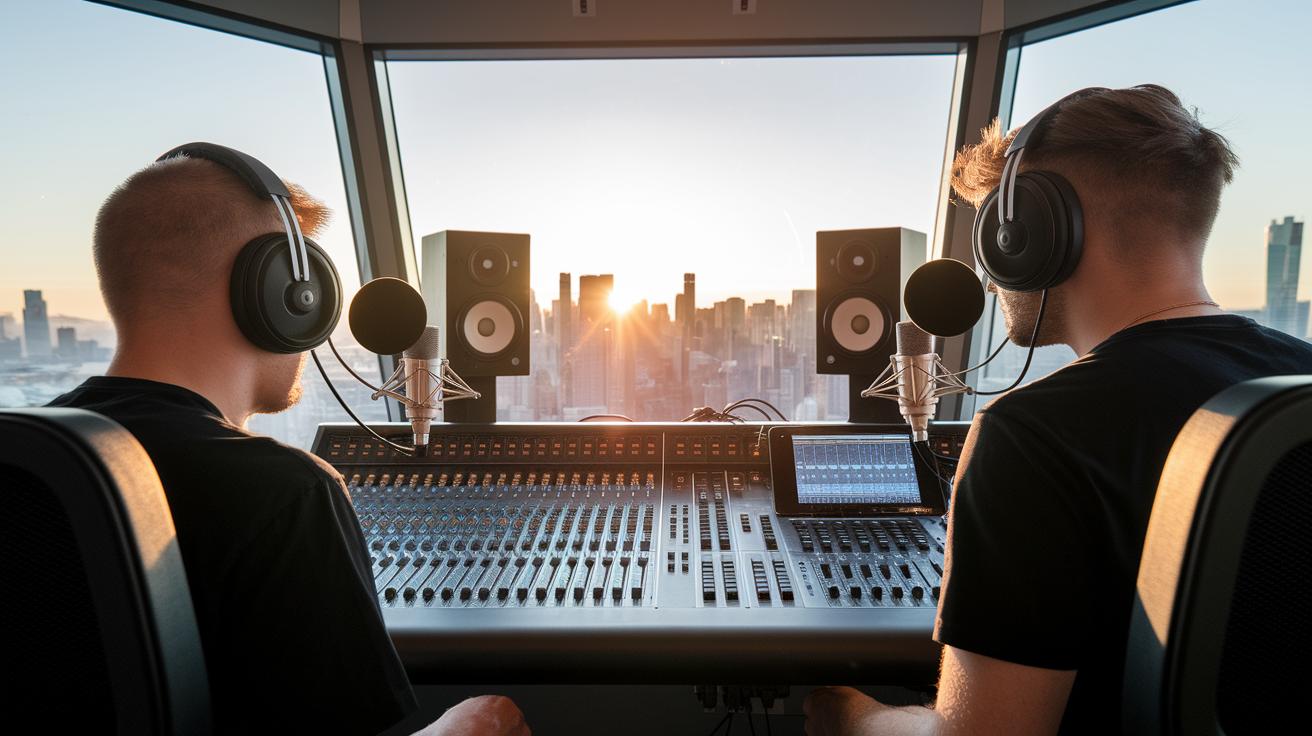
Flow Project is a MyWorld-funded CR&D initiative supported by Digital Catapult. They mix immersive music experiences with creative sound installations, crafting an album that features eight stereo tracks, one mono track, and two immersive mixes. Imagine starting a demo with, "At sunrise, the studio buzzed as every note invited a new layer of surprise." The demo sessions are slated for June 5, 2025, with a public showcase planned for Autumn 2025.
At Real World Studios, the team joined forces with Adrian Utley and embraced spatial recording techniques that give every corner its own musical twist. Picture this: in one session, each captured sound revealed a secret rhythm, like hidden messages in your favorite tune. This study is all about the creative drive behind the project’s dates and bold ambitions rather than a repeat of the technical details.
By blending binaural audio techniques (a way to record sounds that makes you feel like you’re really there) with solid sound engineering, Flow Project transforms live shows into interactive adventures. It’s a fresh look at immersive music production, a perfect mix of creative vision and key performance milestones that brings the concert experience to life.
Final Words
In the action, we explored everything from intricate speaker setups and creative soundscaping to thoughtful venue acoustics. We saw how engaging technology, smart design, and real-time participation can transform a show into an unforgettable live scene. Real-world experiments, like the Flow Project, remind us that every detail counts. The discussion offers a clear view of blending narrative and cutting-edge tech to spark lively events. Keep the excitement alive as you keep creating immersive music environments.
FAQ
What makes music immersive?
The immersive quality of music originates from carefully layered sound placements, spatial audio effects, and narrative elements built into the experience. This mix fully engages your senses and places you inside the sound.
How to create immersive audio?
Creating immersive audio means positioning sounds in a three-dimensional space using 3D mixing, spatial layering, and multi-channel integration. This setup offers a rich, engaging experience that pulls you directly into the soundscape.
Can Chatgpt create music?
ChatGPT helps generate creative ideas and lyrics for music but doesn’t produce audio tracks. Its role is more about inspiring concepts rather than crafting complete sound compositions.
Which technologies are used for immersive music experiences in virtual environments?
Immersive virtual music experiences leverage VR headsets, AR overlays, MR blends, holographic displays, and 360° cameras. These technologies blend spatial audio with interactive elements to transform how you interact with sound.