
Have you ever thought about music that soothes your mind while sparking your creativity? Ambient electronic music does just that. It blends soft sounds with gentle beats that feel as refreshing as a cool breeze on a hot day. It sets a mood that lets you relax and clear your thoughts, with every note acting like a quiet guide to calm. In the middle of all the daily noise, these smooth beats turn each moment into a peaceful escape. Stick with us to see how this music perfectly balances being relaxed and inspired.
Understanding Ambient Electronic Music: Definition and Core Characteristics
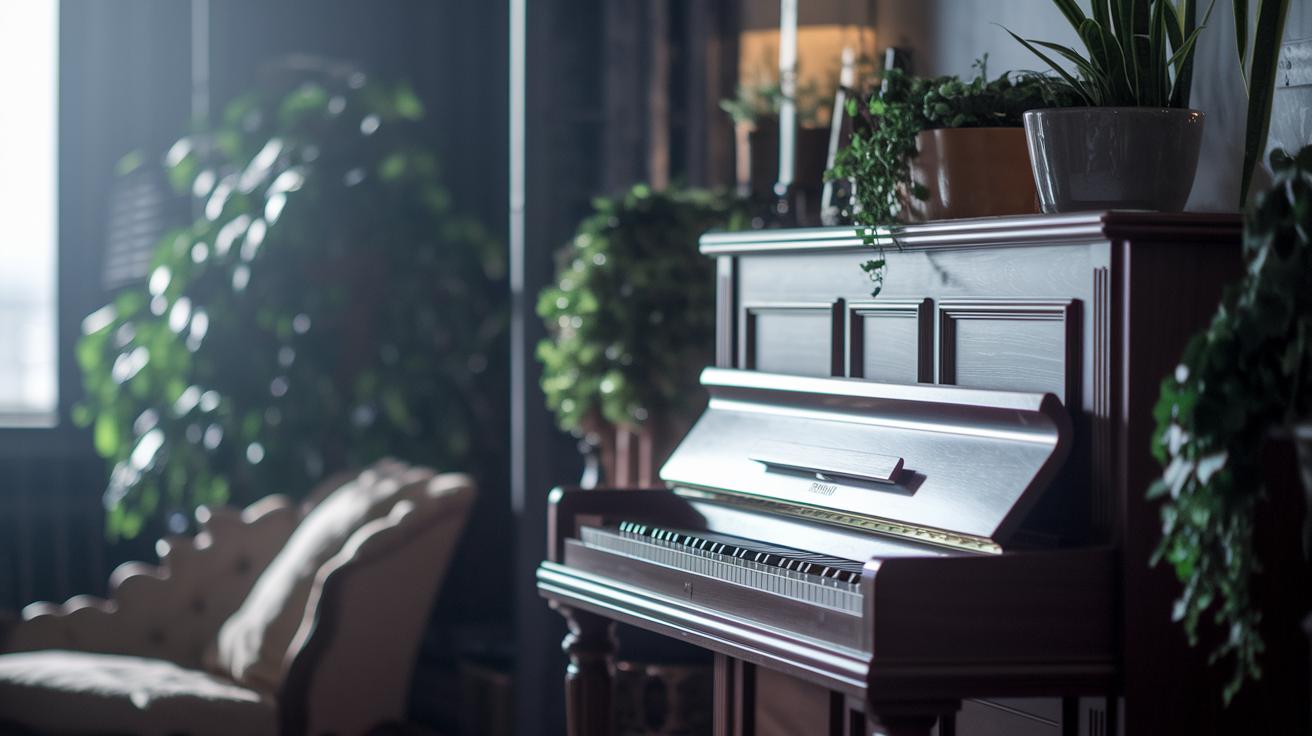
Ambient electronic music is all about setting a mood and taking you on a sound journey. It doesn’t stick to the usual music rules; instead, it uses soft pads, deep bass lines, and delicate piano or synth phrases with lots of reverb to create peaceful, dreamy soundscapes. Imagine the feel of a quiet night, where every little sound invites you to relax and reflect.
Many tracks skip bold drum beats so that the subtle layers can really shine. You might hear the gentle trickle of water, a soft breeze, or even the light chirping of birds in the background, all mixed in to form a natural, soothing world. Effects and delays add a special spacious depth, giving the music an almost endless quality, as if you’re gazing out over a vast, starlit sky.
This kind of music turns sound into a canvas for calm and creativity. Each layer of sound builds on the next, inviting you to sink into a state of relaxation or spark your imagination. It’s a journey where every tiny sound matters, letting you experience music as a living, evolving environment rather than just a tune. Enjoy the immersive escape and let every note carry you away.
The Origins and Evolution of Ambient Electronic Music

Brian Eno once played a soft harp record by accident, and that quiet moment sparked a whole new idea in sound. His simple experiment soon grew into famous albums like Ambient 1: Music for Airports (1978) and Ambient 4: On Land (1982). Imagine this: one soft record turned into a sound revolution that changed how music fills a space. Working with friends like Harold Budd, Jon Hassell, and Laraaji, he helped create Ambient 3: Day of Radiance (1980), showing that ambient electronic music can take you on a wide, personal journey.
Around the world, the 1980s saw Japan falling in love with ambient sounds mixed with a New Age vibe. Local composers like Yasuaki Shimizu, Hiroshi Yoshimura, Yoshio Ojima, and Satoshi Ashikawa, plus the popular YMO trio, played with dreamy electronic sounds that combined futuristic ideas with soft cultural touches.
By the end of the 1980s, record labels such as Venture Records, a spin-off of Virgin, and 4AD were helping artists like Hans-Joachim Roedelius, Holger Czukay, David Sylvian, This Mortal Coil, and Cocteau Twins share their work. Their music mixed calm sounds with unexpected beats, cementing the unique feel of ambient electronic music. And then, in a standout moment in 1979, Alex Paterson rocked a laid-back set at London’s Mind-Body-Spirit festival. That show connected ambient tunes with the rising dance scene and opened a whole new world of sonic adventures for both artists and fans.
Key Ambient Electronic Music Artists and Landmark Albums
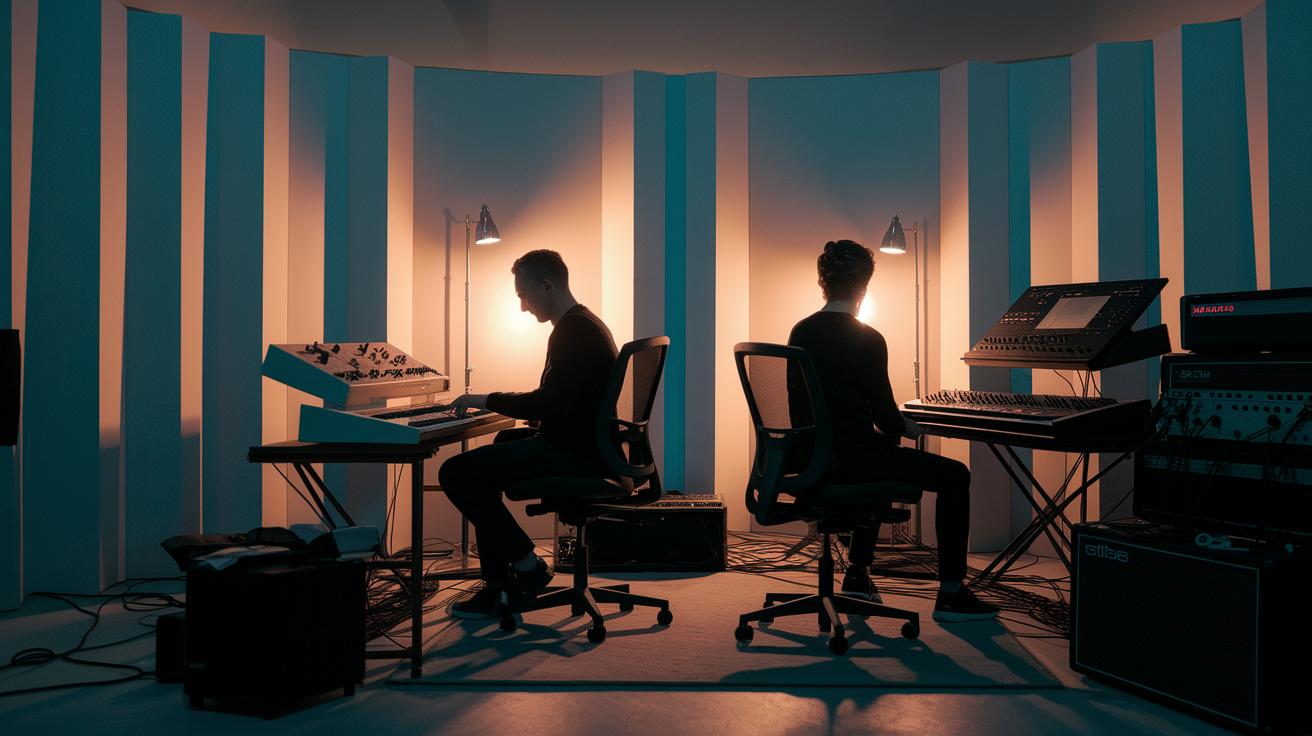
Brian Eno is a name that every ambient music fan knows well. His albums, Ambient 1: Music for Airports (1978) and Ambient 4: On Land (1982), opened up new ways of using soft, airy synth sounds to build calm and wide-open spaces. Believe it or not, Eno once said that putting sounds together is like painting with light. His work mixes gentle musical details and smooth backgrounds in a way that makes you feel relaxed and wrapped up in the sound.
Aphex Twin took a different path with his album Selected Ambient Works Vol. II (1994). His music pulls you into a quiet world where every sound seems to speak softly, like a secret kept in a digital diary. The sparse beats and layered effects create a moody, thoughtful experience that asks you to see beauty in the quiet moments.
Boards of Canada brought their own unique touch with Music Has the Right to Children (1998). Their tracks feel like a warm trip down memory lane, with crackly synth lines and soft tunes that remind you of old home videos. Every song feels like a mini-adventure into a playful, dreamy world that stays with you long after the music stops.
William Basinski’s Disintegration Loops (2001) is all about turning the idea of decay into something beautiful. Using delicate tape loops that slowly fall apart, his work reflects the gentle passage of time and a bittersweet feeling of change. It’s like listening to time itself whispering a secret.
Grouper, the project led by Liz Harris, uses soft chorus and pedal effects in Dream Loss (2019) to build intimate, tender soundscapes. Her simple chords and gentle music feel like a quiet memory shared between friends, evoking feelings of both comfort and wistfulness.
Caterina Barbieri and Kaitlyn Aurelia Smith explore sounds with modular synthesizers in ways that push music into new territory. Their work layers detailed tones and ever-changing textures, inviting listeners to discover a world of experimental sounds that feels both fresh and deeply engaging.
Production Techniques for Ambient Electronic Music
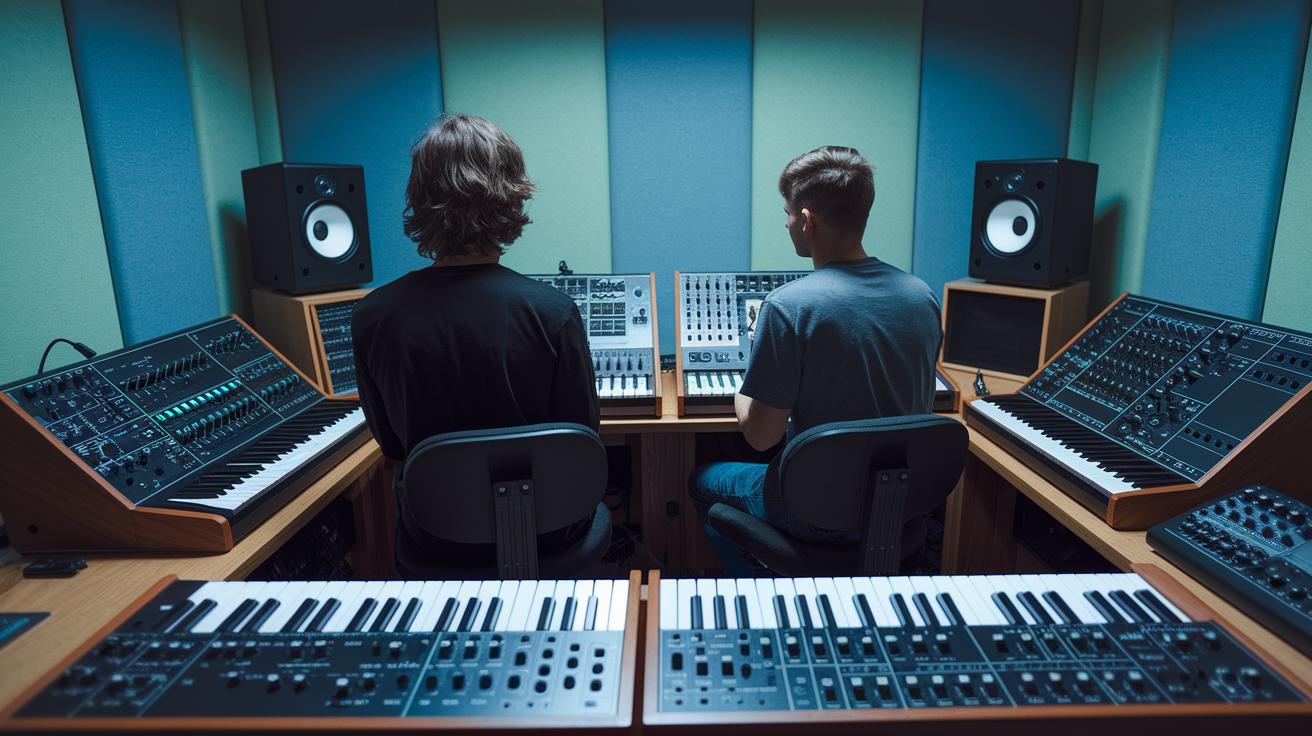
Artists crafting ambient electronic music mix creative studio tricks to turn basic sounds into soothing digital landscapes. They often start with synth pads that use slow ADSR envelopes, that's a fancy way of saying the sound evolves gently over time. Imagine a soft swell of sound rising slowly, much like the calm glow of a sunrise.
Another neat trick is layering in nature sounds, like a whisper of wind or a far-off water flow, beneath sustained drones. This method adds a natural, calming vibe to the music. Adding reverb and delay effects deepens the space, making you feel like you're floating in a huge room with echoes dancing around you.
Modular synthesis also plays a big role in creating evolving textures that shift and expand with time. Here, artists experiment with modular gear to build sounds that constantly morph. If you're curious, check out immersive music composition methods to explore different set-ups and wiring ideas. Plus, granular synthesis chops sounds into tiny pieces that reassemble into entirely new patterns.
Finally, chorus and tremolo pedals add a subtle, wavy movement, giving sustained tones a hypnotic quality. Think of it like catching the shimmer of moonlight on a quiet lake. All these techniques work together to create rich, layered soundscapes where every element contributes to a calm, experimental vibe. Pure, relaxing energy.
Curated Ambient Electronic Music Playlists and Listening Platforms
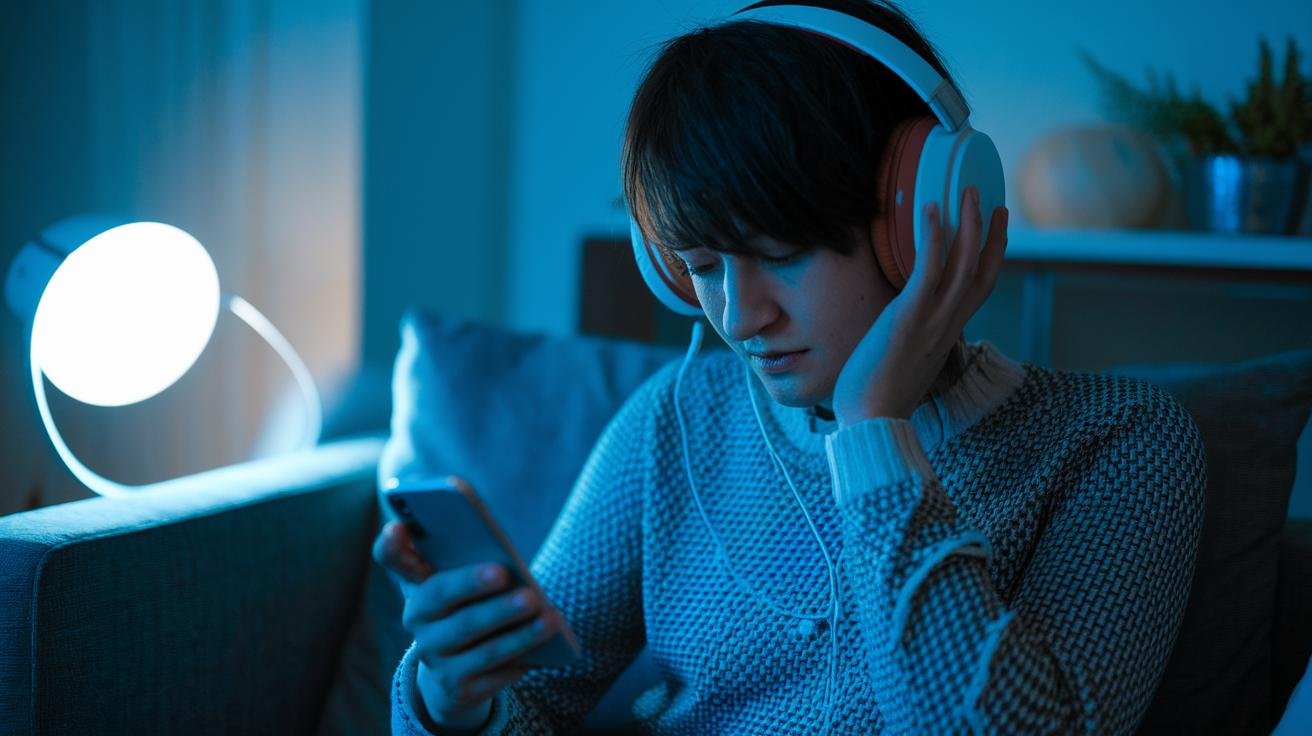
Big streaming services are ready to bring you ambient electronic soundscapes that calm your mind and stir your soul. Ever open your favorite app and suddenly feel like you've stepped into a hidden oasis of soothing sounds? That's what apps like Spotify’s Ambient Essentials and Apple Music’s Chillout Sessions deliver, mixes packed with gentle synths and smooth beats for a perfect, relaxed vibe.
Spotify serves up ambient tracks that blend layered pads with a soft bass line, creating those peaceful moments we all crave. Apple Music, on its end, curates chill playlists designed to turn everyday listening into a mini escape. Plus, if you’re exploring Bandcamp or YouTube, you’ll find channels devoted to downtempo electro vibes, where each track feels like a refreshing retreat.
You can choose free, ad-supported options or go premium for offline listening. One quiet playlist can transform an ordinary evening into an immersive escape. For more tips, check immersive music listening app reviews.
Contemporary Trends and Future Directions in Ambient Electronic Music
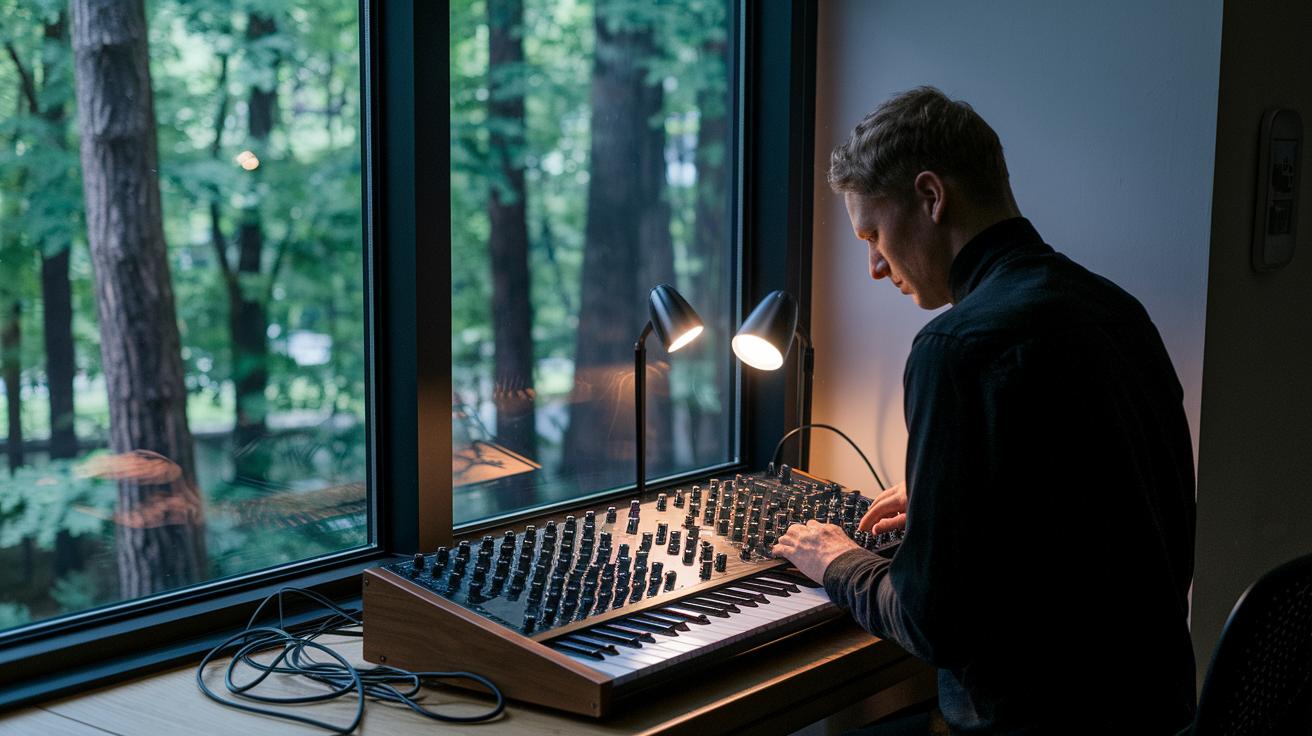
Ambient electronic music keeps evolving as new tech and creative ideas mix things up. Dark ambient sounds and isolation themes still play a big role. Tunes like Aphex Twin’s Selected Ambient Works Vol. II and Scorn’s eerie textures add a cool mystery to the vibe. Even when the music is soft, there's always a hidden twist that grabs your attention.
Modern artists like Grouper, Barbieri, and Smith are leading the way by blending modular synthesis (making sounds with electronic parts) with recordings of nature. They mix crisp digital sounds with the gentle hum of the world around us to build sonic landscapes that feel like a living painting. It’s like stepping into a slowly changing artwork that surrounds and captivates you.
Tech-inspired experiences such as VR audio installations are also joining the scene. Artists are creating sound worlds that fit perfectly in art spaces and wellness settings, crafting digital soundscapes that soothe the mind and spark curiosity. Indie labels support these fresh ideas, ensuring the genre grows with new tech while still offering a comforting space for creative exploration.
Final Words
In the action, we dove into the world of ambient electronic music, uncovering its core traits, rich origins, and standout artists who shaped its sound. We also unpacked creative production techniques, explored curated listening spots, and peeked at fresh trends pushing its boundaries.
This wrap-up shows how each element comes together to craft an engaging experience that connects fans and sparks curiosity. Enjoy the beat, share the magic, and keep exploring every note.
FAQ
What is ambient electronic music and what exactly defines ambient music?
Ambient electronic music is a genre focused on creating mood and immersive soundscapes rather than following standard song structures. It features calming synth pads, gentle field recordings, and soft, evolving textures.
Which artists are associated with ambient electronic music?
Iconic ambient electronic music artists include Brian Eno, Aphex Twin, Boards of Canada, and Grouper. Their works emphasize soft synth layers, subtle bass lines, and atmospheric soundscapes.
What are some examples of ambient electronic music songs?
Ambient electronic music examples include Brian Eno’s Ambient 1: Music for Airports and Aphex Twin’s Selected Ambient Works Vol. II, which highlight airy synths, smooth drones, and immersive sound textures.
Where can I find ambient electronic music playlists or lists?
Ambient electronic music playlists and lists are featured on streaming services like Spotify and Apple Music, often under collections such as “Ambient Essentials” or “Chillout Sessions” for easy listening.
How can I download ambient electronic music for free?
Free downloads of ambient electronic music are sometimes available on platforms like Bandcamp or SoundCloud, allowing listeners to explore relaxed soundscapes without a subscription fee.
Is ambient music good for ADHD?
Ambient music may help some listeners with ADHD by providing a calm, unobtrusive background that can support focus. Personal experiences vary, so it’s best to try different ambient tracks.
What characteristics define ambient electronic music songs?
Ambient electronic music songs are marked by slow shifts, layered synth pads, and minimal percussion, emphasizing texture and mood over catchy hooks or conventional rhythms.