Ever wonder if your everyday skills could steal the spotlight? Working in live events production is not just a rush of excitement, it’s a door to incredible career growth. In 2022 alone, production roles drove over $30 billion in revenue.
Imagine working behind the scenes, or even handling the whole show. It’s like turning your love for tech and creativity into a career where every job truly counts. Have you ever felt the buzz when the lights dim and the show begins?
This post takes you on a journey into the live events world, showing you how this vibrant field can spark a path to success that feels as thrilling as a front-row seat at your favorite concert.
Top Live Events Production Job Opportunities
The live events world is buzzing with fresh job openings that mix creativity with tech know-how. In 2022, this exciting scene pulled in about $30 billion and brought together over 200,000 professionals to help create unforgettable events. With a steady growth rate of around 5% each year, new roles are constantly on the rise for anyone who thrives on fast-paced, hands-on work. Whether you're setting up a stage or handling the whole production, every job adds to the electric vibe of live events.
These careers cover a wide range of skills and duties. For example, a technical production assistant works quietly behind the scenes making sure all the equipment is running smoothly, while a production manager is busy overseeing large events and organizing logistics. This lively field welcomes candidates with all sorts of talents and a real passion for crafting memorable experiences.
- Stage crew
- Technical production assistant
- Event logistics specialist
- Lighting technician
- Production manager
Salary levels reflect just how varied these roles are. Entry-level jobs, like on-site event setup positions, start at around $25k a year – a solid choice for beginners eager to get some real-world experience. On the other hand, senior production managers can make up to $90k annually, a true mark of their responsibility and expertise. Big names such as Live Nation, AEG Presents, and Cvent are known for their strong hiring practices, which help professionals launch their careers and keep growing in this dynamic field. For a deeper look into how these roles shape live event production, check out the detailed overview on the industry page.
Essential Skills and Qualifications for Live Events Production Jobs
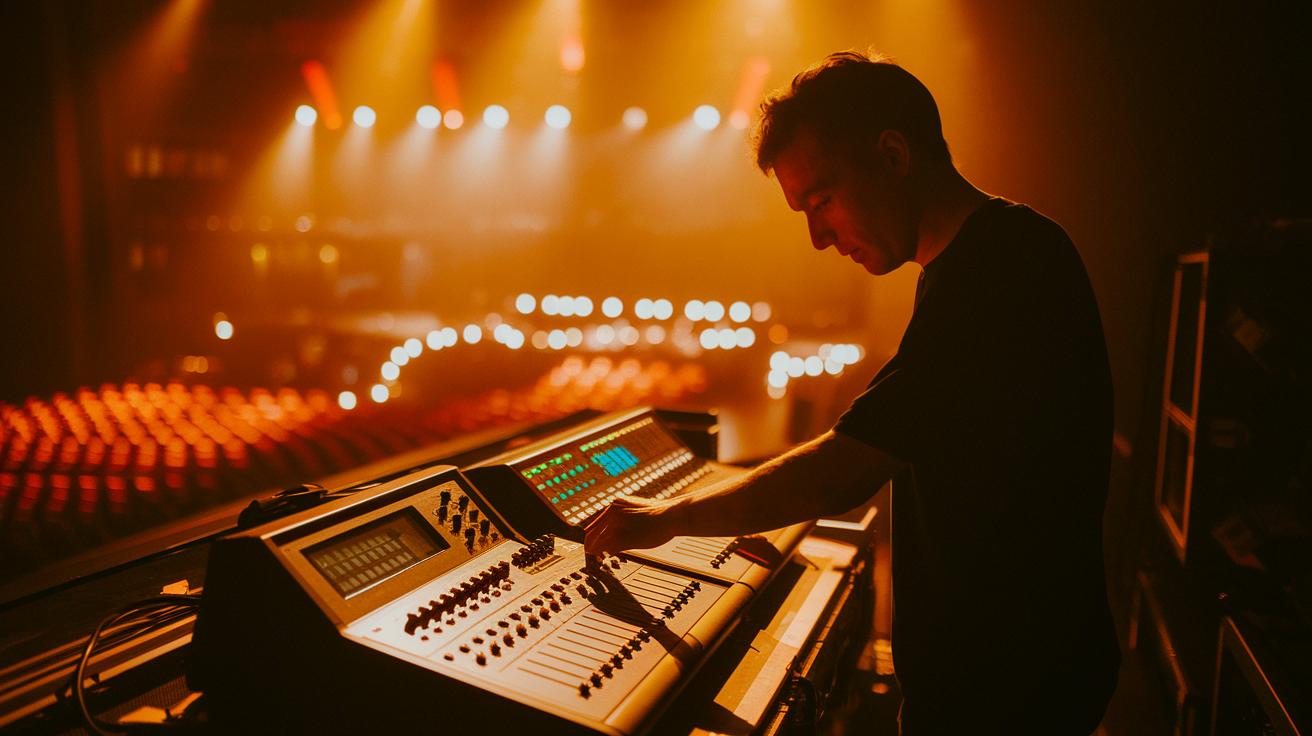
People who excel in live events production mix hands-on know-how with a solid education. Working with gear like lighting consoles, digital sound mixers (the tools that shape live audio), and video playback systems comes from real-world experience. For instance, a technical production assistant might say, "I got a real feel for digital sound mixers during my on-site training."
Many roles look for someone with an associate degree in technical theater or an AVIXA CTS certification. Think of it like having the backstage pass to the show, OSHA 10 and rigging safety certifications also help prove you’re ready for the fast, creative pace of live events.
- Proficiency with lighting consoles
- Skilled operation of digital sound mixers
- Effective management of video playback systems
- Clear, concise communication
- Adaptability when pressure mounts
- Collaborative teamwork abilities
Getting certified can really boost both your confidence and your credibility. Certifications like the AVIXA CTS, OSHA 10, or rigging safety credentials show you’re set to handle both the tech and creative sides of live events. For more key technical details, check out event solutions.
Salaries and Compensation in Live Events Production Careers
Live events production is a world of excitement and energy, where every role, from setting up equipment to leading a team, comes with a pay scale that matches the skill and passion you bring. Whether you're handling technical details or running the show, you can expect competitive salaries and hourly wages that truly reward your effort.
| Role | Annual Salary | Hourly Rate |
|---|---|---|
| Audio & Video Equipment Technicians | $47,810 | ~$23 |
| Producers & Directors | $77,200 | ~$37 |
| Entry-Level Stagehands | N/A | $15–$20 |
| Certified Lighting Technicians | N/A | $25–$35 |
| Freelance Live Events Specialists | N/A | $200–$500/day |
Overtime usually kicks in at a rate of one and a half times your normal pay, giving you extra credit for longer shifts. And if you're freelancing, you often get to negotiate a daily rate that can really bump up your earnings. The world of live events production is dynamic, just like the buzz of a live concert, offering a range of roles that reward creativity and hard work.
How to Find and Apply for Live Events Production Jobs

Finding a job in live events production isn't as simple as scrolling through listings. Check out sites like Indeed with over 1,500 new openings every week and EntertainmentCareers.net with around 800 opportunities. You’ll also find specialized boards at ILEA and PSAV that feature roles in stage operations and live show coordination, all waiting for creative talent. And if you hit up trade shows like the LDI Show or the NAMM Conference, you can meet recruitment experts face-to-face, soaking in the electric buzz of the event scene. Typically, the hiring process unfolds over 4 to 6 weeks with a phone screen, a quick skills test, and an on-site demo.
- Tailor your resume to spotlight your hands-on experience with live events. Think about showing off any work you’ve done with staging or on-site setups.
- Build a portfolio that walks employers through your previous projects, giving them a clear look at your abilities.
- Brush up on your skills with practice tests or sample tasks that match the live events world.
- Gather interview tips from industry pros or mentors who’ve rocked live productions so you can share your story with confidence.
- Follow up strategically by sending a thank-you note that highlights your passion and readiness to jump in and support any production team.
Networking is key in this field. Attending trade shows and similar events gives you the chance to chat with decision-makers and learn firsthand about the industry. These conversations not only boost your insight but also open doors to roles where teamwork and passion really make a difference. Stay genuine and friendly when connecting with hiring managers and peers, it goes a long way in making a lasting impression.
Entry-Level and Internship Opportunities in Live Events Production Jobs

Live events production is a great place for fresh talent to dive right in and get real, hands-on experience. Big festivals like SXSW and Coachella welcome over 150 interns, giving you a chance to see the event magic up close. Corporate event teams also take in around 50 interns every year, and conference centers open up roughly 30 roles each quarter. These programs are perfect for beginners eager to learn in a fast-paced, exciting environment.
Many of these opportunities are designed to teach you by doing. As an entry-level stage production team member, you get to work with real crews setting up live events. Whether you’re handling basic tech tasks or lending a hand to seasoned pros, every moment builds your skills and lets you peek behind the curtain of event production.
- Stagehand for on-site setups
- Lighting assistant
- Support intern for corporate events
- Crew member for event productions
- Venue operations intern
Remote assistant roles work a little differently by focusing on virtual feed setups. These positions pay between $12 and $15 per hour for internships and $18 to $22 per hour for full-time roles, offering a flexible way for new talent to grow while getting a taste of live events production.
Career Growth and Advancement in Live Events Production Jobs
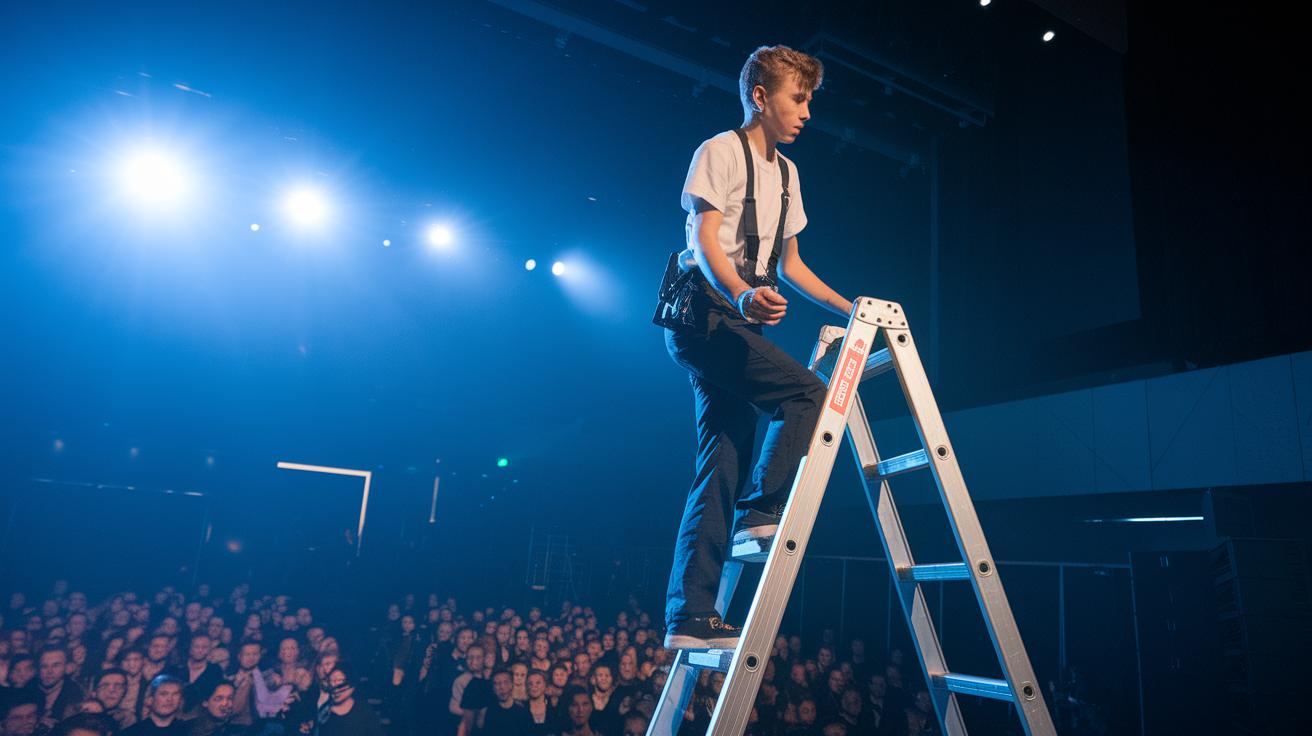
In live events production, climbing the ladder is like stepping into a spotlight. A lot of folks start out as assistants, and pretty soon, maybe just two years, they’re moving up to coordinator roles. With some solid experience and a few hard-earned skills under your belt, you could be leading a crew as a production manager in about 3 to 5 years, or even reaching the director level if you keep at it for 5 years or more. It’s like mixing hands-on work with learning the ropes; nearly one in four team members shifts into on-site technical roles within four years.
- InfoComm mentorship programs
- IATSE training initiatives
- CTS refresher courses
- EventEQ workshops
Long-term growth in this field comes from diving into real-world work and soaking up new skills along the way. Many people in live events production make time for extra courses and mentorships to stay sharp and learn the latest tricks of the trade. As you get more involved, you’ll notice tougher challenges that let you mix creative problem-solving with technical know-how. Building up your resume isn’t just about getting a fancy title, it’s about opening up a world of exciting challenges and cool opportunities in the fast-paced arena of live events production.
Final Words
In the action, we explored a range of roles, from stage crew to production managers, in the live events scene. We broke down what skills and certifications help gear up for live events production jobs, looked at salary bits, and checked out where to find the best openings.
The guide also shared insights on entry-level and growth paths. Every point was a step toward embracing the thrill of digital, interactive entertainment. Enjoy the vibrant world of live events production jobs and all the exciting opportunities waiting just around the corner.
FAQ
Frequently Asked Questions
Where can I find live events production jobs near California, Texas, or in my area?
Live events production jobs near California, Texas, or nearby can be found on job sites and industry-specific boards, with listings from local event agencies and major companies nationwide.
What is the salary outlook for live events production jobs?
Live events production jobs salary ranges vary by role and experience, with entry-level positions starting around $25k a year and senior roles paying up to $90k annually; freelance rates can be particularly high.
How available are remote live events production jobs?
Live events production jobs remote opportunities exist mainly for technical support and coordination roles. These positions offer flexibility and allow professionals to work away from traditional on-site settings.
What should entry-level live events production roles expect?
Entry level live events production jobs involve on-site support and technical tasks, offering firsthand experience and a stepping stone for skill development and career advancement in the industry.
What companies work in live events production, such as live events groups?
Live entertainment production companies, including well-known live events groups like Live Nation and AEG Presents, cover a broad spectrum of work from on-site event setups to full-scale production management.
How can I start a career in live event production?
Live event production careers begin by building practical skills, pursuing internships or entry-level positions, and networking with industry professionals to gain valuable experience and exposure.
Which live events production roles might pay around $10,000 a week?
Live events production jobs paying around $10,000 a week generally involve top-tier freelance or management roles at large events, providing exceptional income for those with extensive expertise and responsibility.