Ever felt that thrill when you step into a place and every sound feels alive? Imagine a venue where it’s not just about playing music but creating a full-on experience with crystal-clear sound. Think of a wedding hall or live concert where every beat pulls you right in, making the room buzz with energy. It’s like turning an ordinary night into something you’ll never forget.
Achieving Immersive Audio Experiences in Venues
High-quality sound systems can really change the feel of a venue. They fill the air with clear, punchy sounds that make everything come alive. Picture walking into a bar or a wedding hall where every note is crisp and every pause feels meaningful. It’s like stepping into a space where conversations flow naturally and every beat brings a burst of energy. This kind of sound magic can even help boost revenue by turning a regular night into an unforgettable experience.
Imagine sound teaming up with dynamic visuals and bright lights to wrap you up in a full, 360° sensory experience. The smart blending of vivid visuals and adaptive lighting with clean, sharp audio creates a scene that feels like you're right in the middle of an electrifying live show. Next, every moment, from the first note to the final fade-out, is designed to captivate you, just like the detailed walk-through on how immersive audio works in our tech guide.
Core Components of Immersive Audio Systems for Venues
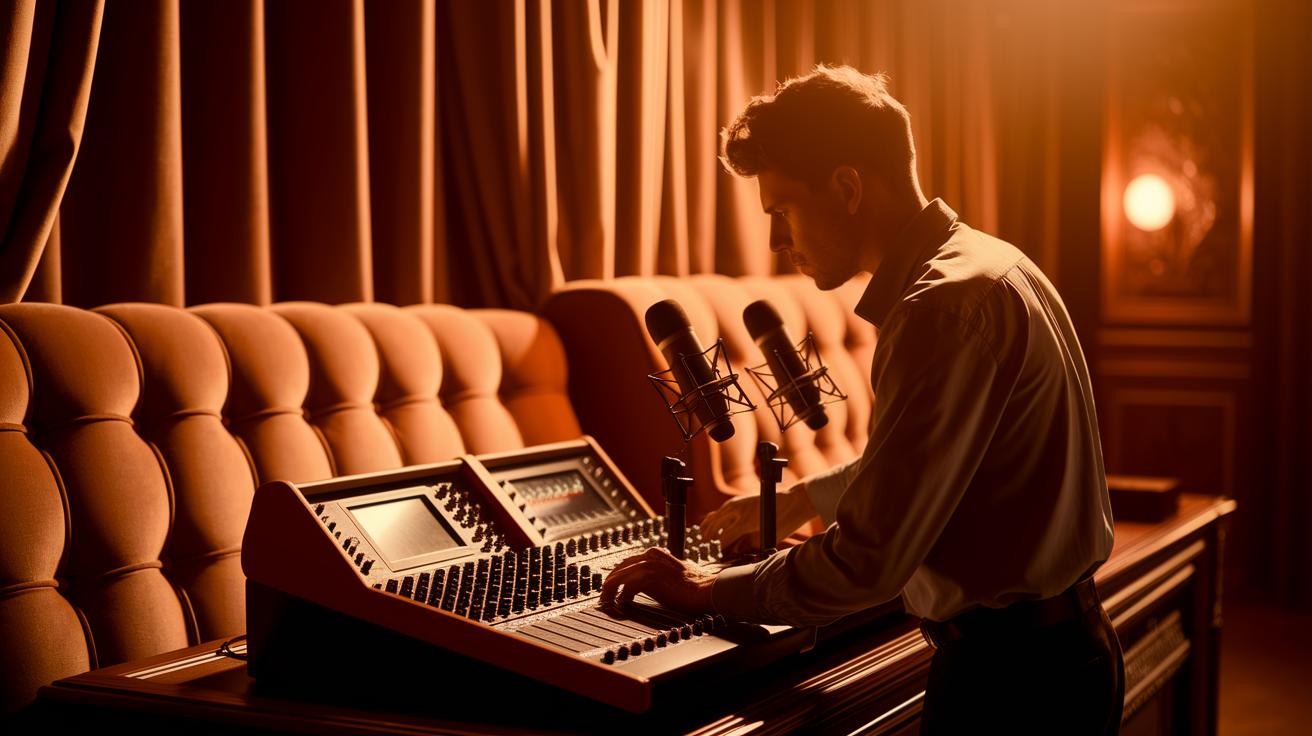
Immersive audio systems blend smart hardware and clever software to bring unforgettable sound to any venue. These systems mix top-quality gear with next-generation programs so that every note pops with crystal clarity. They work by splitting the tasks among different components that capture, process, and project sound seamlessly. Here are the essentials:
- Microphones: Devices that turn sound waves into electrical signals for further processing.
- Speakers: Found in both passive and active styles, they accurately spread sound throughout the space.
- Subwoofers: Special speakers tuned for low frequencies, adding a deep, satisfying bass.
- Amplifiers: Whether built into the system or added externally, they boost sound signals to fit venues of all sizes.
- Mixing Consoles: Tools that let sound engineers combine multiple inputs with balanced volume and clear modulation.
- Audio Switchers: Devices that smoothly change channels and manage sound levels between different sources.
System formats also shape the audio experience. Mono systems use a single channel, offering a simple setup with less wiring and fewer complications, but they might miss some of the spatial details you’d expect at a lively event. Stereo systems divide sound into left and right channels, making the audio feel more enveloping. And then there are LCR systems which separate sound into left, center, and right channels, perfect for venues needing precise directional sound. Paired with a wireless transducer network, this setup makes sure every corner of the room enjoys stunning, high-quality audio.
Installation and Calibration Strategies for Immersive Audio in Venues
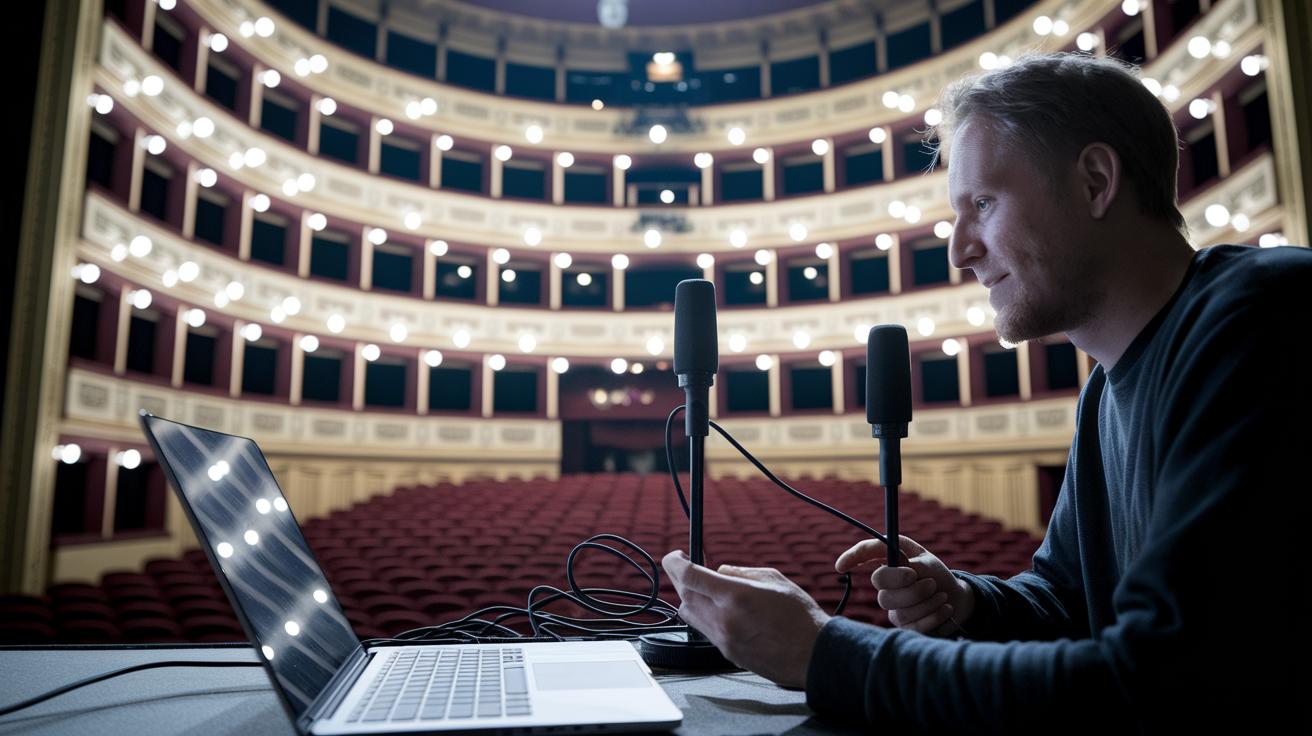
When setting up an immersive audio system, it all starts with a careful look at the room. You need to think about the size of the venue, figure out how many speakers you’ll need, decide on the best spots for them, and make sure each area gets the right power. Often, tech teams stroll through the space with measurement mics and mapping tools to spot areas where sound might bounce too much or get lost.
Next, engineers use tools like dynamic frequency calibration, just a fancy way to match up different tones, and cluster delay monitoring to even out the audio and avoid overlapping signals. This process ensures that every seat gets a clear, exciting sound, whether it’s a small club or a huge stadium. Remember, it’s like arranging a perfect playlist where every beat falls just right.
One cool example is the EartH Hackney project. Their 17.1.8 L-Acoustics L-ISA array involved placing little speaker pods all around the stage, sides, back, and ceiling in a 670-seat theatre. The result was a uniform sound experience that made every listener feel like they were in the front row.
| Step | Required Tools | Objectives |
|---|---|---|
| Measurement | Measurement mics, frequency sweep generators | Gather base sound data and pinpoint echo spots. |
| Placement | Speaker mapping tools, spatial analysis software | Find the best locations for speakers across the venue. |
| Delay Alignment | Cluster delay monitoring systems, time alignment software | Sync up speaker outputs to keep sound clear and on time. |
| Frequency Tuning | Equalizers, frequency analyzers | Fine-tune the sound to suit the room’s unique vibe. |
This four-step process is key to crafting sound that feels just right for any space. By combining careful measurements, thoughtful speaker placement, and precise delay alignment, technicians create a setup where every sound, from deep bass to sparkling highs, reaches you perfectly. It’s like tuning a live performance so the magic never misses a beat.
Case Studies of Immersive Audio Deployments in Venues
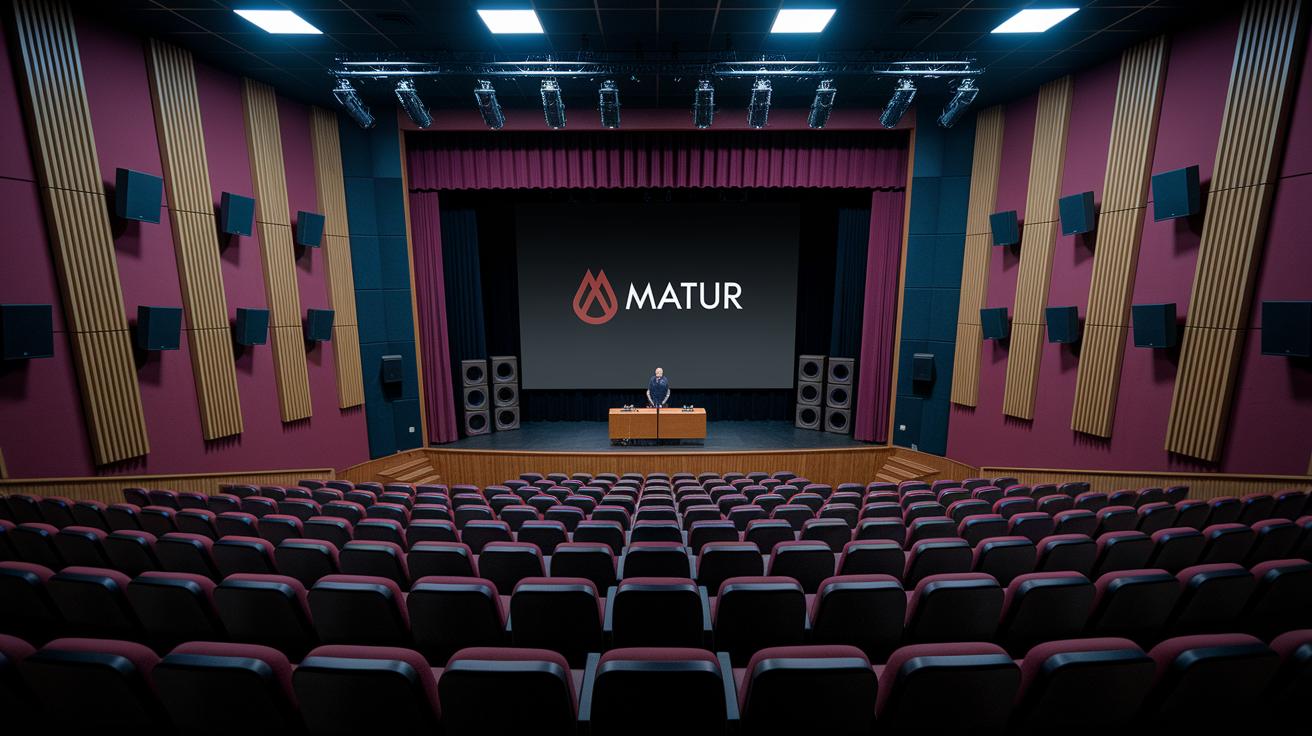
One demo with a fancy 18.1.5 studio speaker setup showed how mixing sounds like separate objects along with exact speaker spotting can create an awesome sound experience. In this setup, designers mixed clever room design with custom sound routing (that means splitting sound along different paths) to make everything clearer and more lively. They used several audio channels to layer sounds on top of each other, which built a lifelike overall sound picture. This approach produced a 3D soundscape that filled the room with vibrant audio detail. But there were bumps along the way, like high costs and limited space, showing that even if a fancy setup creates brilliant sound, it might not suit every space or budget.
At The Old Market theatre in Brighton, they built a 360° audio and visual wonder using 12 L-Acoustics speakers, with three speakers on every wall. They even added top-notch projectors and fun seating like beanbags to get the audience involved. The theatre mixed inventive room design with custom sound paths to blend music and visuals seamlessly. Every detail mattered, from carefully placing the speakers to routing signals just right, so that every listener felt part of the experience. Many in the audience loved it, saying the realistic, all-around sound made the show truly unforgettable.
Overcoming Integration and Compatibility Challenges with Venue Audio Systems
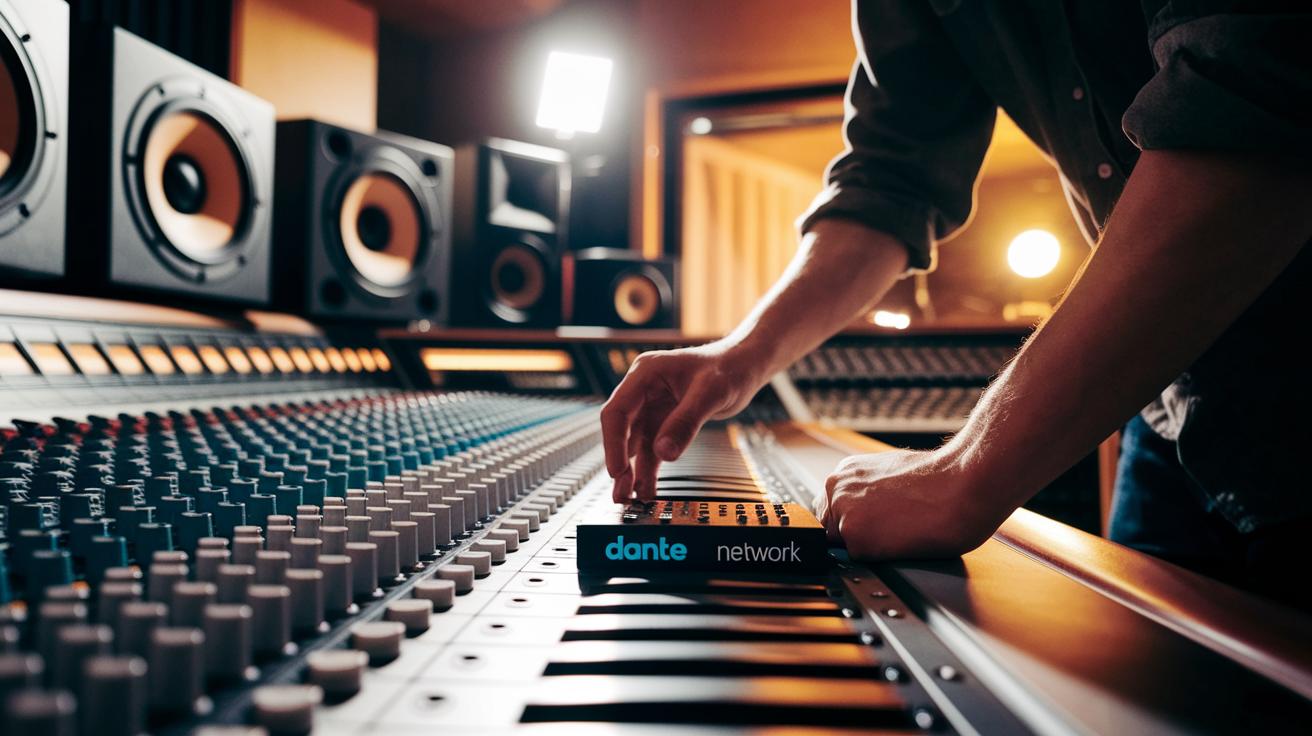
Setting up audio to run through systems like Dante Virtual Soundcard (a program that sends sound over computer networks) isn’t always easy. You often need to use special drivers and adjust the signal path to make things work. Tech experts use tricks to lower delays and prioritize important sound packets. It’s a bit like fine-tuning a live show where every beat matters, making sure even small glitches get fixed before they can cause bigger problems.
Next, you have to consider the venue itself. Imagine tight time windows, tall ceilings, and materials like glass or concrete that can mess with the sound. Engineers do careful surveys so they can decide where to place speakers and routes for the audio. This planning helps keep the sound clear and free from interference.
Lastly, there’s the feedback from the audience. Everyone hears things a little differently, so there isn’t just one number to capture perfect sound. Tech teams keep an eye on how people react and adjust things on the fly. This way, every listener enjoys a balanced, engaging experience.
Budgeting and ROI Analysis for Immersive Audio Systems in Venues
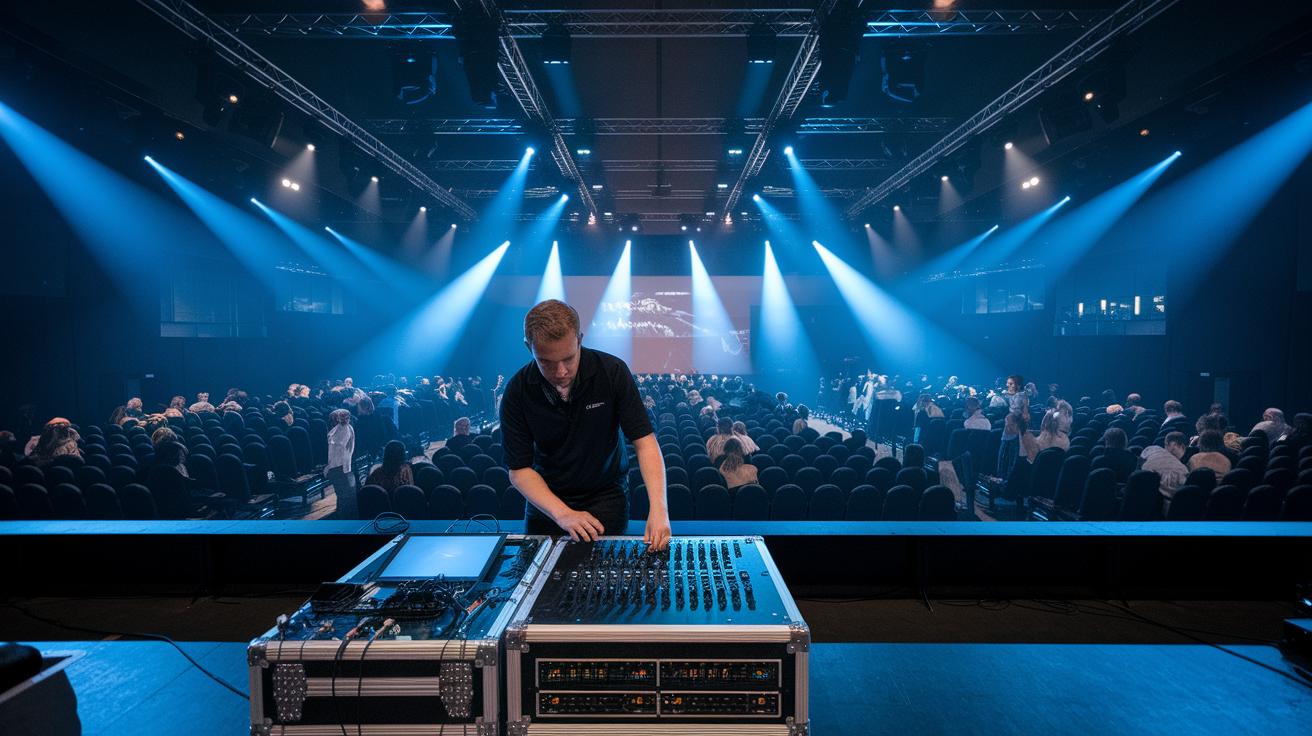
When you’re managing a venue and thinking about immersive audio systems, you’ve got a lot to consider. Costs can differ a lot depending on the number of speakers, how complex the system is, and even things like software licenses and installation work. Sometimes, breaking the project into phases and using modular setups can help match spending with the growth in bookings while keeping cash flow in check.
One cool tip is to use active speakers that come with built-in amps. This means you get a great sound without the extra hassle of needing external amplifiers. Plus, smart power management makes sure your sound stays stable, even during long, energy-packed events. And with efficient energy control and heat management, you can count on your system to perform reliably every time.
Budgeting isn’t just about the one-time setup cost, though. You also need to plan for ongoing expenses and look at the return on your investment over 12 to 24 months. Venues often see a boost in acoustics, which can lead to more bookings and a higher spend per guest. This is because when you match your investments to each event’s vibe, you get better results.
Venue managers can also fine-tune the audio settings to fit the unique shape and style of each room. This custom approach means every installation not only sounds amazing but also works efficiently. By aligning what you need tech-wise with your money plans, you can turn high-quality sound into a clear win for overall growth, making the whole experience feel like a smart investment that really pays off.
Final Words
In the action, this post explored how quality sound, visuals, and lighting create engaging moments that boost guest excitement and venue buzz. We talked about core benefits, user impact, and how immersive audio transforms every event.
The discussion went through system setups, calibration tips, real-life examples, and overcoming technical challenges. The focus on immersive audio systems for venues paints a picture of smart, interactive spaces where every attendee feels at home. Enjoy the ride!
FAQ
What is an immersive sound system and is spatial audio the same as immersive audio?
An immersive sound system refers to a setup that fills a venue with 360° sound, while spatial audio uses advanced placement to mimic live sound. Both work together to create a rich, interactive listening experience.
What are the best immersive audio systems for venues?
The best immersive audio systems for venues blend high-quality sound with integrated visuals to boost ambience and guest engagement. They cater to various venue sizes, ensuring clear, captivating audio for every seat.
Which immersive plugins and products like Flux immersive essentials, Genelec Atmos Bundle, Genelec outdoor speakers, and SPAT Revolution enhance venue audio?
Products like Flux immersive essentials, Genelec Atmos Bundle, Genelec outdoor speakers, and SPAT Revolution offer specialized features that enhance venue audio. They integrate smoothly with existing setups to deliver crisp, enveloping sound.
Do venues typically have sound systems?
Venues usually have sound systems that range in sophistication. These systems vary from basic setups to advanced immersive arrays designed to engage audiences and boost the overall live experience.
How do you get immersive sound in a venue?
To achieve immersive sound, start by selecting the right components, calibrating settings carefully, and integrating acoustics with visuals. This approach creates a dynamic, all-around audio experience that transforms any event space.