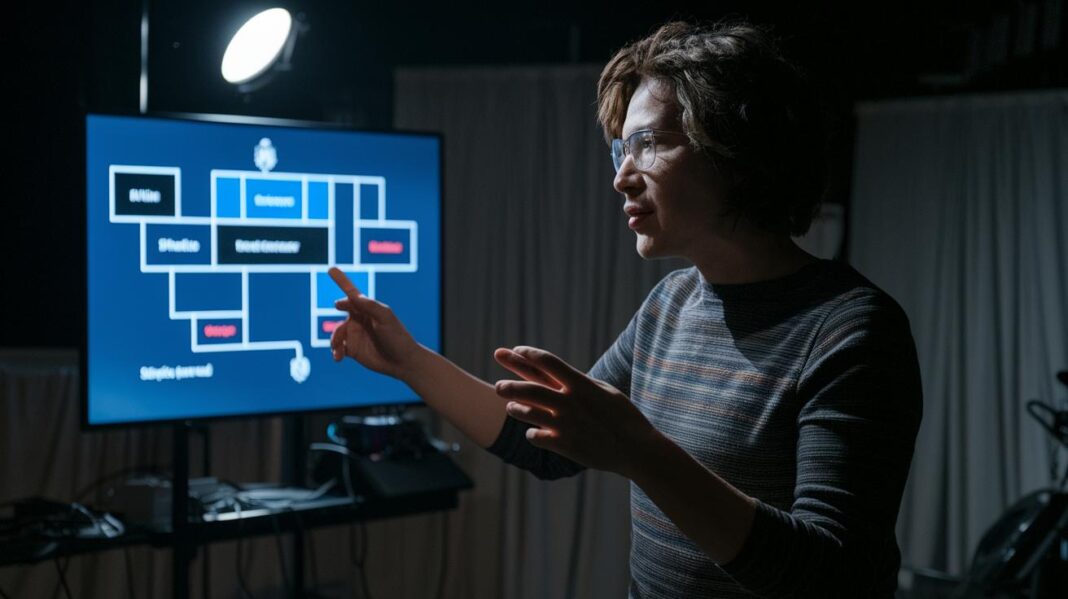
Ever stared at a blank screen and felt your heart race at the thought of telling your digital story? It can feel like stepping into a world of unknowns, but having a clear plan turns even the smallest idea into something truly captivating.
Think of your plan as a simple roadmap that takes a tiny spark and grows it into a story that grabs attention. Studies show that using easy, step-by-step techniques can boost your creative confidence in just a few weeks.
Ready to upgrade your storytelling skills and let your ideas shine online? Let’s dive in and make your digital tale come alive.
Core Techniques for Developing Digital Storytelling Skills

Structured plans are like maps for creative wins. They break down digital storytelling into clear steps so you can focus on the fun part, bringing your ideas to life. Just picture a simple idea blooming into a vivid digital tale right before your eyes.
When you stick to a well-laid-out framework, every stage feels more manageable and less overwhelming. It’s like having a set of easy instructions that guide you from that initial spark to a story that truly pops. Think of it as watching the journey of a seed turning into a beautiful, full-blown tree.
Research shows that storytellers feel more confident after just a few weeks of using clear methods. And guess what? Their technical skills keep growing over time. A blog post from Friday, August 29, 2025, even pointed out how techniques like mind maps and solid research kickstart creativity while building a strong foundation for your digital narrative.
The process usually unfolds in seven energetic stages. Each step builds on the last, mixing creativity with a tidy focus on technical details. Here's the breakdown in a quick, easy-to-follow table:
| Stage | Description |
|---|---|
| Idea Generation | Sparking that first creative flash |
| Research & Exploration | Diving into details and gathering cool facts |
| Writing & Script Development | Turning ideas into words that dazzle |
| Storyboarding & Planning | Sketching out scenes and planning the flow |
| Gathering Multimedia Elements | Collecting images, videos, and sounds to boost your story |
| Assembling & Editing | Piecing everything together and polishing the final cut |
| Sharing & Feedback Iterations | Releasing your story and fine-tuning it with valuable input |
At its heart, digital storytelling is all about iteration. Every review, friend’s advice, or moment of self-reflection helps shape your work into something even more compelling. It's like tuning an instrument until every note feels just right.
Enjoy the creative journey, each step is a chance to learn, grow, and shine like the spotlight at your favorite live show.
Structuring Narratives for Developing Digital Storytelling Skills

Digital storytelling runs on a three-part plan that is both simple and strong. First, kick things off with a short opening that paints the picture, think of a headline that grabs you right away like "It all started with one moment." Then, move into a lively center full of images, sounds, and words that spark excitement. Finally, wrap it up with a neat ending that invites the audience to join in the conversation.
Before you dive in, try sketching out your ideas with a mind map. This is like drawing a rough plan for a creative masterpiece. It helps you see where your story is headed and makes sure every twist fits your message. You might start by writing down the main ideas or the key characters. Imagine it like planning a special playlist: pick your hits and then let the story unfold.
Next, take it one step further with a storyboard. This turns those rough ideas into clear steps you can follow. Start with a simple layout and then add bits like scene changes and background sounds to keep everything moving smoothly. For example, you might draw quick panels to show changing moods before turning them into a digital sketch marked with hints for light and sound. This approach keeps your flow steady and fits the style of platforms like TikTok and Instagram, making your digital story fun and easy to enjoy.
Visual Design in Developing Digital Storytelling Skills

Good visuals are the heart of a great digital story. When your images, color choices, and fonts work together, they guide your audience through the tale as if they were on a fun, eye-catching journey. Imagine a scene where a soft pastel background suddenly shifts into a bold, striking color, just like a painting that comes alive to tell its own story. This smooth blend of design not only makes everything more engaging but also helps your message pop, whether it's viewed on a phone or a computer screen.
Storyboarding your ideas can be as simple as sketching on paper or as detailed as using digital tools with cues for music and transitions. Start with a basic pencil sketch to lay out the flow of your narrative. Then, if you're feeling creative, enhance your sketches with digital effects that add layers and create mood changes. It’s like drawing a rough comic and then adding vibrant colors and effects to bring it to life.
Keeping your design consistent across different devices means sticking to a chosen set of colors, fonts, and a layout that matches your brand’s vibe. Whether you're working on content for a mobile screen or a desktop display, aligning these elements creates a unified and professional feel. Think of it as setting the stage where every detail has its part, making the whole story smooth and easy to follow.
Interactive Narratives for Developing Digital Storytelling Skills

Branching narratives let you build stories with many paths that change based on what your audience picks. It’s like having a story that's alive and adapting in real time. Imagine being part of a live online workshop where everyone votes on what happens next, it really feels like the narrative is dancing with you. Working together in real time, whether with your team or friends around the globe, bumps up the excitement and makes every experience one-of-a-kind.
Gamified exercises add an extra splash of fun to the mix. They give storytellers little challenges that ramp up slowly with each task, almost like levels in a game. Think of it as a storytelling quiz where every right choice moves the plot ahead and opens up cool new twists. And as you play, you get instant feedback that shows what you're great at and where there's room to grow. It’s playful yet powerful, nudging your creative journey forward.
Immersive tools are changing the scene by taking digital storytelling to a whole new level. Tools like virtual reality can drop you right into the heart of the story, making you feel like you’re truly there. Added elements like clickable story parts and live polls pull you even deeper into the adventure. By mixing smart tech with bold creativity, storytellers can craft experiences that not only invite you in but also challenge and enchant you every step of the way.
Multimedia Tools and Platforms for Developing Digital Storytelling Skills

Digital storytelling today is all about blending different creative platforms to bring your ideas to life in fresh and exciting ways. Instagram lets you share quick snippets that grab attention, while YouTube is perfect for those longer, in-depth video stories. Blogs still let you express your thoughts through text, giving your narrative real depth. Together, these tools offer a strong base for any creative project, letting you play with various formats while keeping your story both fun and clear.
If you’re just getting started, there are plenty of free tools that simplify the creative process. You can use Canva for designing eye-catching graphics, Audacity for crisp audio recordings, and basic video editors for stitching your clips together. As you gain experience, you might move on to more advanced suites like Adobe Creative Cloud or even try out VR editing tools that make your stories even more immersive.
Here’s a quick reference guide with some favorite tools, their uses, and what they cost:
| Tool | Use Case | Cost |
|---|---|---|
| Micro-narrative snippets | Free | |
| YouTube | Long-form video storytelling | Free/Paid |
| Canva | Graphic & storyboard design | Freemium |
| Audacity | Audio recording & editing | Free |
| Basic Video Editors | Video assembly & trimming | Free/Paid |
These tools lay the groundwork for your creative journey, letting every component boost your storytelling power. When you explore different software and even check out platforms like a digital experience site for hosting your work, you’ll soon notice how your narratives can be both professional and playful. Isn’t it amazing how the right tools can make storytelling feel like a live, electric experience?
Training Formats for Developing Digital Storytelling Skills

Imagine learning digital storytelling in a lively, face-to-face setting, where expert tips fill a hotel seminar room and spark your creativity. Whether you're sitting in a masterclass or chatting away with a small group, these in-person sessions feel like sharing a secret with a friend.
Then there are virtual narrative workshops on tools like Zoom that let you jump into real-time discussions no matter where you are. And if you prefer your own pace, self-paced e-learning lets you dive into techniques whenever you feel like it. Each format comes with handy resources to help shape your raw ideas into engaging digital stories.
Programs can be as quick as a one-day intensive or stretch out over months with diplomas or even master-level credentials. Modules often include personalized feedback that helps you fine-tune your style and builds your confidence, project by project. It’s a mix of real client stories and hands-on exercises that makes your creative journey feel natural and exciting.
These learning experiences not only polish your technical skills but also nurture a creative mindset that adapts to today’s fast-changing digital world. With clear guidance and genuine feedback, you watch your digital storytelling skills grow, opening up a world full of creative opportunities.
Emerging Trends in Developing Digital Storytelling Skills

Digital storytelling is shifting fast thanks to cool new technology. AI helpers now give smart suggestions and fix mistakes on the fly, making it a breeze to craft stories that really stick with you. And with interactive spatial audio, the sound becomes a part of the adventure, surrounding you like the buzz of a live concert.
Metaverse experiences are also adding a fun twist. Imagine stepping into a digital world where the story unfolds in a three-dimensional space around you, much like entering your favorite video game. Meanwhile, smart data tools help storytellers see how you're enjoying the tale, so every moment feels just right.
Digital creators are always learning fresh techniques to keep up with today’s creative vibes. By mixing AI-driven writing, VR storytelling, and innovative audio tricks, they’re not just meeting trends, they’re paving the way for the next big thing in interactive experiences.
Final Words
In the action, we explored core techniques that shape digital narratives through structured frameworks, immersive visuals, interactive elements, and savvy use of multimedia tools. We saw how clear planning and practical feedback can build confidence fast while refining your artistic edge.
Every step, from brainstorming to sharing, brings you closer to your creative spark. Keep experimenting and polishing your craft as you continue developing digital storytelling skills. Enjoy pushing the limits of your creativity and connecting with a lively community along the way.
FAQ
What digital storytelling skills resources are available in PDF, PPT, and free formats?
The digital storytelling skills resources available in PDF, PPT, and free formats offer structured guides and hands-on activities that help build narrative and technical skills through clear, step-by-step instructions.
How are digital storytelling skills developed in the classroom?
The development of digital storytelling skills in the classroom involves guided projects and interactive exercises that spark creativity, encourage collaboration, and help students build real-world narrative techniques.
What examples illustrate the development of digital storytelling skills?
The digital storytelling skills examples show practical applications like creating engaging online narratives, integrating multimedia elements, and using creative layouts that bring stories to life through visual and interactive methods.
What benefits does digital storytelling offer?
The benefits of digital storytelling include boosting confidence, refining narrative clarity, enhancing technical know-how, and inspiring creative approaches to content that resonate with viewers.
What topics are covered in digital storytelling research papers?
Digital storytelling research papers present data-backed methods, case studies, and insights on how structured storytelling techniques improve both creative expression and technical abilities in digital content creation.