Ever thought about how one simple beat can change an evening? Electronic dance music isn’t just a sound, it’s the energy that gets you moving, whether you're in a buzzing club or a cozy living room.
It blends familiar rhythms with smart technology, creating vibes that feel almost alive. Born on New York dance floors in the 1970s, this music has grown to capture hearts around the globe.
In this post, we take a look at its journey and the amazing energy it still brings today.
electronic dance music: Radiating Vibrant Energy
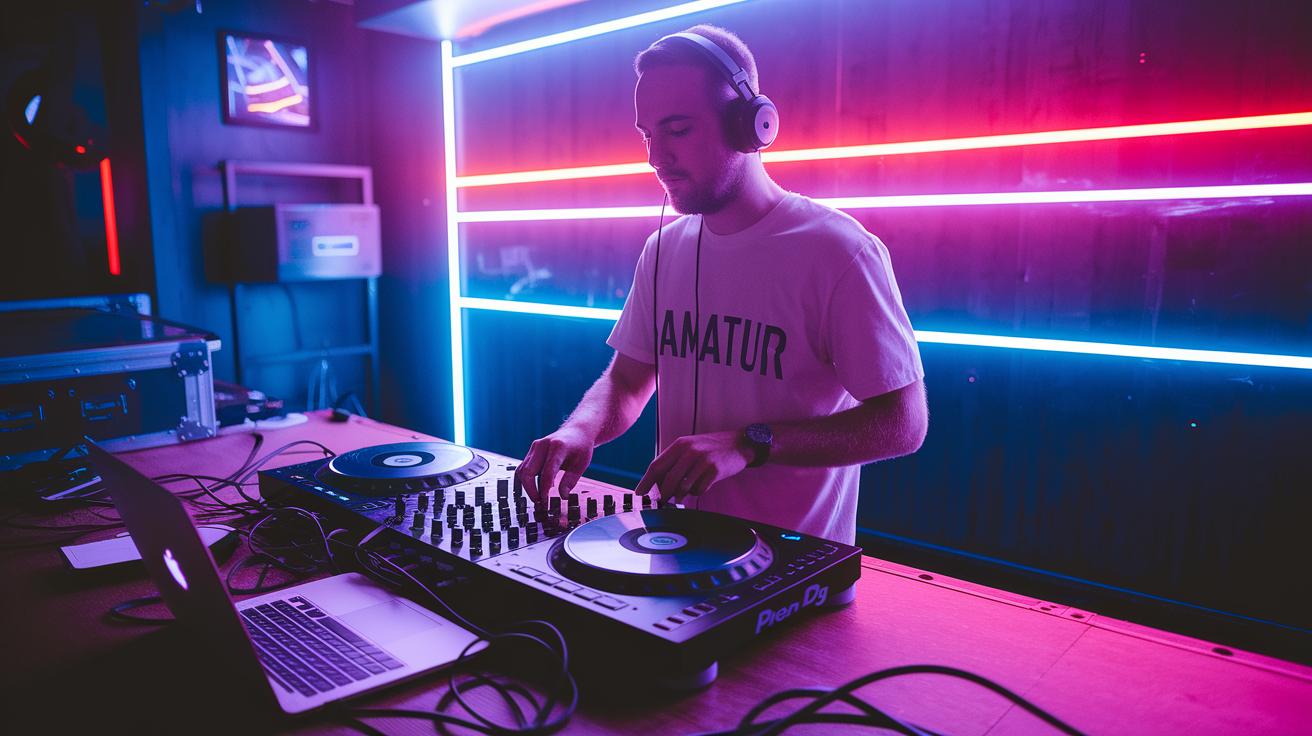
Electronic dance music is all about sparking movement and creating an atmosphere that just makes you want to dance. It blends digital tech like computers with old-school analog gear, mixing beats and synthesized sounds like someone dabbing colors on a vibrant digital canvas. Every pulse is designed to get you moving, whether you’re in a buzzing club or at a lively festival.
Its story begins back in the early 1970s in New York, when disco and hip-hop pioneers began playing around with new technology to craft exciting sounds. Imagine stepping into a club where the deep thump of a bass drum meets the twinkling shimmer of a synthesizer, each note urging you to hit the dance floor. It’s like watching an ordinary beat transform into a high-energy anthem that lights up the room.
After 2010, people started using the term EDM to refer to commercial styles that hit the big festival stages, from Big Room bangers to the wild drops of Brostep. This change not only redefined the festival vibe but also showed off how electronic tools can churn out tracks meant solely for dancing. Today, electronic dance music covers a whole mix of subgenres, all with one goal: creating infectious rhythms that bring the global dance community together.
Just think about it, each electrifying beat and sparkling melody on the dance floor is a blend of past innovations and today's tech magic, uniting history with the thrill of the present moment.
Evolution of Electronic Dance Music Through the Decades
Electronic dance music has transformed over the years, taking us on a thrilling journey through sound. In the 1960s, creative studio experiments broke new ground by playing with sounds in ways nobody had imagined before. Imagine The Beatles tinkering with musique concrète, where every note felt like a bold splash on a sonic canvas. It was truly a moment when sound took on a whole new meaning.
Then came the 1970s with an infectious burst of disco energy. Think about Sly and the Family Stone’s hit "Family Affair" that featured the cutting-edge Maestro Rhythm King MRK-2 drum machine, blending natural groove with crisp electronic precision. In New York City, hip-hop sound-system parties brought a raw, street vibe that united communities, making every beat feel like part of something bigger.
Moving into the early 1980s, a new musical landscape emerged. In Chicago, house music was born, with tracks like Jesse Saunders’ “On and On” turning drum machines and synthesizers into dance-floor magic. At the same time, Detroit launched techno into the spotlight thanks to trailblazers like Juan Atkins, Kevin Saunderson, and Derrick May, creating futuristic sounds that felt like stepping into a high-tech wonderland.
By the early 1990s, the rave scenes in the UK and Germany sparked the rise of trance music. Tracks like Klaus Schulze’s “En=Trance” filled the air with uplifting, sweeping melodies. Then, in the late 2000s, American producers shifted the vibe once again with Justice’s 2007 album Cross, leading the way to minimal beats and the edgy sound of dubstep.
After 2010, festival culture exploded as commercial styles like Big Room and Brostep took center stage at massive events, turning every show into a dazzling celebration of sound and light.
| Era | Key Developments |
|---|---|
| 1960s | Experimental studio techniques and musique concrète innovations |
| 1970s | Rise of disco and NYC hip-hop sound-system parties; early drum machine use |
| Early 1980s | Birth of house in Chicago and Detroit techno pioneers |
| Early 1990s | UK/Germany rave scene and emergence of trance music |
| Late 2000s | Resurgence driven by Justice’s album Cross; minimal and dubstep trends |
| Post-2010 | Dominance of commercial festival styles like Big Room and Brostep |
Key Subgenres of Electronic Dance Music
House Music
House music started out in Chicago back in the 1980s. DJ Jesse Saunders released "On and On" in 1984, which had a steady, thumping beat made by drum machines and synthesizers. This sound quickly caught on, filling dance floors with energy and movement. Its disco roots create a friendly, timeless vibe that still makes clubs pulse with life.
Techno Music
Techno music came into being in Detroit during the early 1980s. Early producers mixed machine-made beats with industrial sounds to create something new and exciting. The music uses clear, looping rhythms and strong percussion that turns urban spaces into lively dance spots. It’s like hearing the heartbeat of a city through sound.
Trance Music
Trance music grew in Germany in the late 1980s. It’s known for its rising melodic buildups and dreamy breakdowns that take you on a journey. The euphoric sounds and steady beats help listeners drift into a deep, almost magical state. The big rave parties of the 1990s only made it more exciting, turning every set into a mind-blowing experience.
Dubstep
Dubstep emerged in the UK's underground scene in the late 2000s. It’s all about deep bass and tricky rhythms that make your body move. With powerful bass drops and offbeat patterns, dubstep creates an intense, raw sound that stands out from smoother styles. It’s perfect if you’re after a high-energy, heart-racing musical thrill.
Future House
Future house burst onto the scene in the 2010s with a fresh twist on club beats. Its tracks mix catchy, melodic drops with chopped vocal samples and bright synthesizer sounds. The result is a blend of old-school club rhythms and new, innovative sounds that keep today’s dance floors buzzing with excitement.
Producing Electronic Dance Music: Tools and Techniques
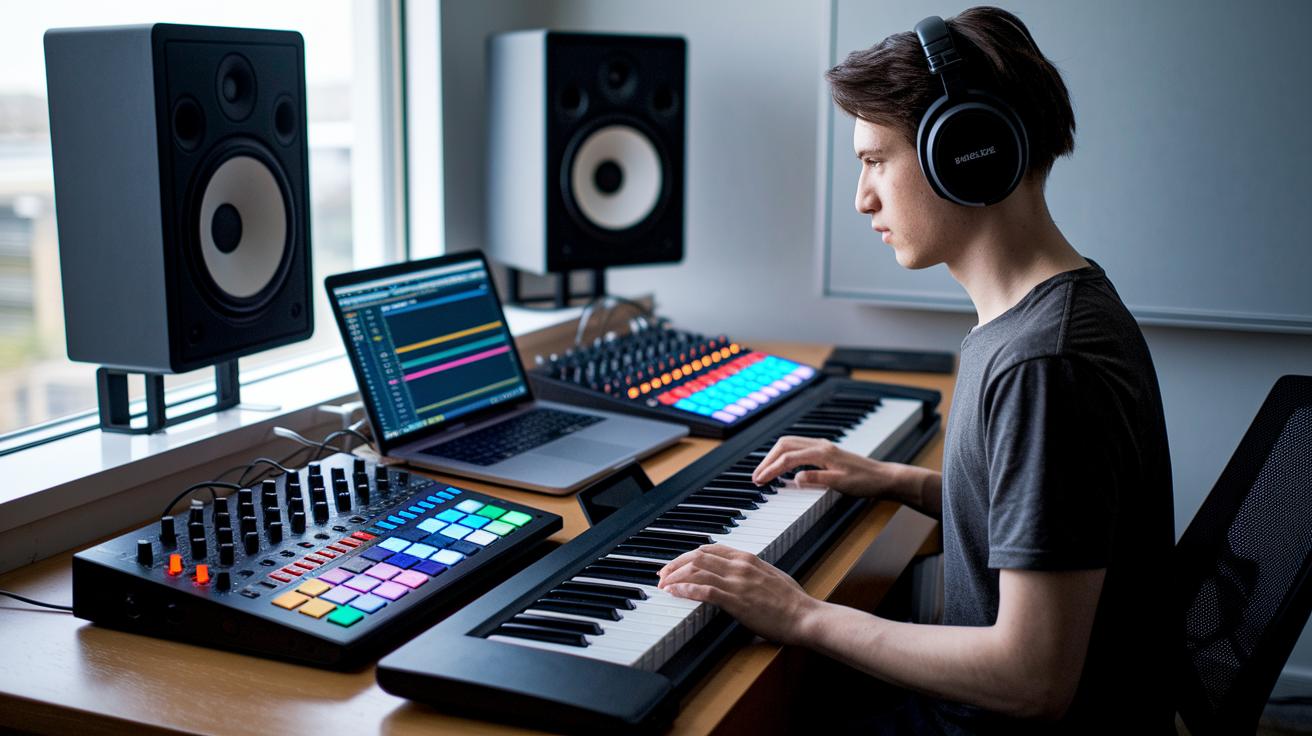
Diving into making electronic dance music starts right at home. It all kicks off in your very own studio, where you let your creativity run wild. First, grab a Digital Audio Workstation like Ableton Live or FL Studio. These handy programs help you turn simple rhythms into tracks that practically jump out at you. Imagine pressing play and hearing a beat come alive, it feels like the room buzzes with energy.
You don't need a fancy, expensive setup to get started. A simple, “just enough” studio might only include the basics along with your computer. This lets you have fun experimenting with layering sounds, mixing, and mastering. A lot of producers learn as they go, sometimes using free mini-courses, sample packs, or training videos to get over their first creative hurdles.
Let’s check out the key gear you'll need:
| Equipment | Description |
|---|---|
| Digital Audio Workstation (DAW) | The software you use to create and shape your beats. |
| Audio Interface | A device with low-latency preamps that captures crisp sound. |
| MIDI Keyboard | Helps you play melodies and control your digital instruments. |
| Studio Monitors/Headphones | Clear speakers or headphones to hear every detail in your mix. |
| Synthesizer/Drum Machine | Adds cool electronic sounds to give your track extra life. |
| High-Quality Sample Libraries | Pre-made sounds that you can mix in to create that perfect vibe. |
Each piece of gear brings its own magic, from the crisp snap of a drum hit to the smooth flow of a synth. In the studio, you might find yourself adjusting a bass line or fiddling with a sample until your mix feels just right. It’s a hands-on, exciting process that blends art with a bit of technical know-how, making every session feel like a live, pulse-pounding performance.
Live Performance and Festival Culture in Electronic Dance Music
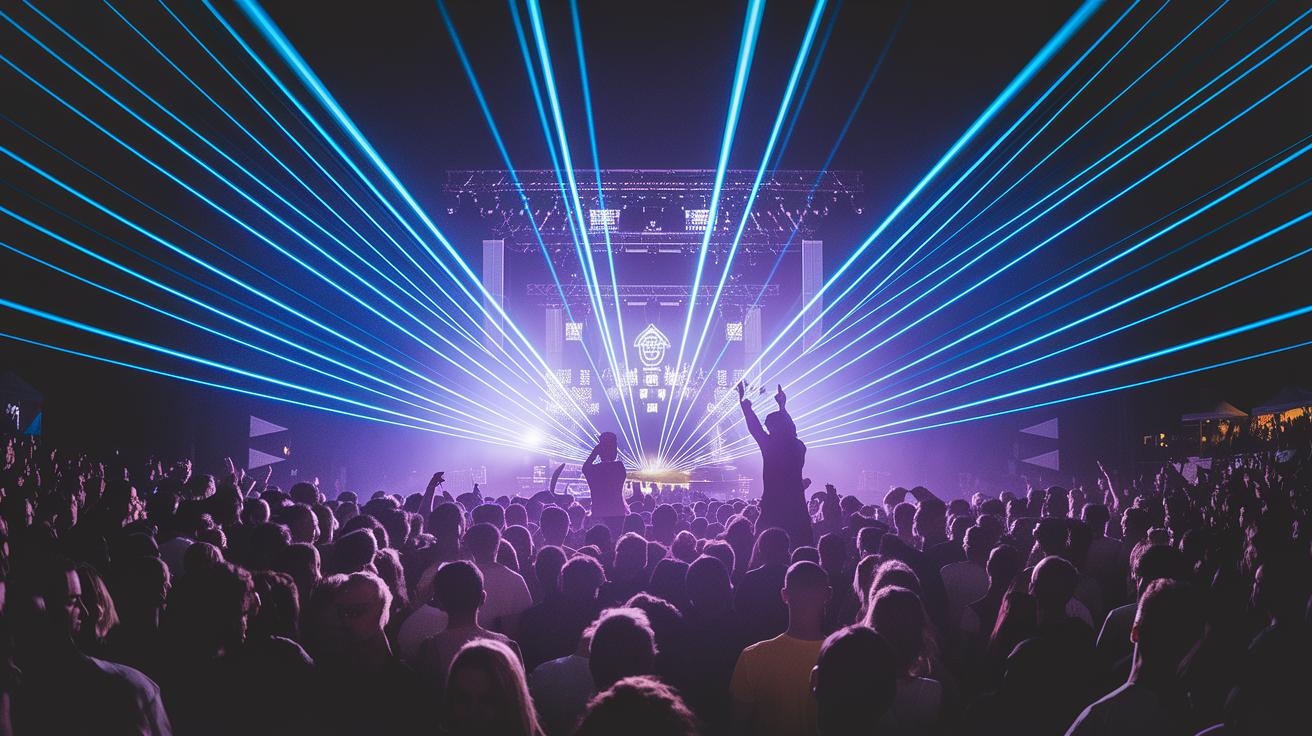
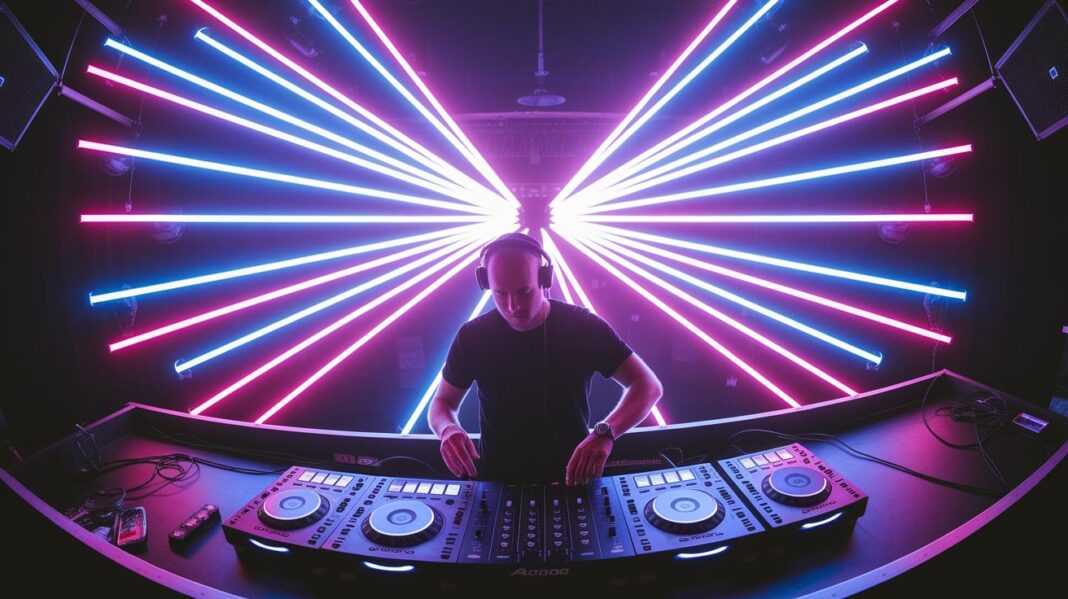
Live shows and festivals in EDM bring music, dazzling lights, and pure energy together, creating an unforgettable vibe that pulls fans into a shared, electric moment. Picture EDC Thailand 2026 with stars like Zedd, deadmau5, and GRiZ owning the stage. Every beat feels amplified by cool laser patterns and dynamic light shows that move in tune with the music, like watching a living painting come to life with each pulse.
At Day Zero Tulum 2026, led by Damian Lazarus, the focus goes beyond just great tunes. The whole scene transforms into a sensory playground with creative design elements and next-level production tiles. It’s amazing how a simple venue turns into an all-out immersive experience. And if you’re curious, you can even pick up hands-on tips on setting up your own event vibe over at event ideas.
Modern DJs are riding the wave of innovation, too. With tools like Rekordbox connected to Spotify, they can switch up the set live, picking tracks that perfectly match the crowd’s mood. Still, behind the glamour, there’s a real balancing act at play. Challenges, like the legal mix-ups between Insomniac and Factory Town, remind us that putting on these grand events blends art, logistics, and tech magic.
Crowd management and smart lighting choreography work in harmony to make even huge shows feel intimate. Every performance turns into a story where the beats and visuals come together, creating moments that stick with you long after the music fades. It’s like being at the heart of a live masterpiece, where every detail counts.
Ultimately, live EDM events are more than just a concert, they’re a mix of passion, creativity, and a dash of unpredictability that makes each show truly one-of-a-kind. And isn’t that what keeps us coming back for more?
Influential Artists and Impactful Tracks in Electronic Dance Music
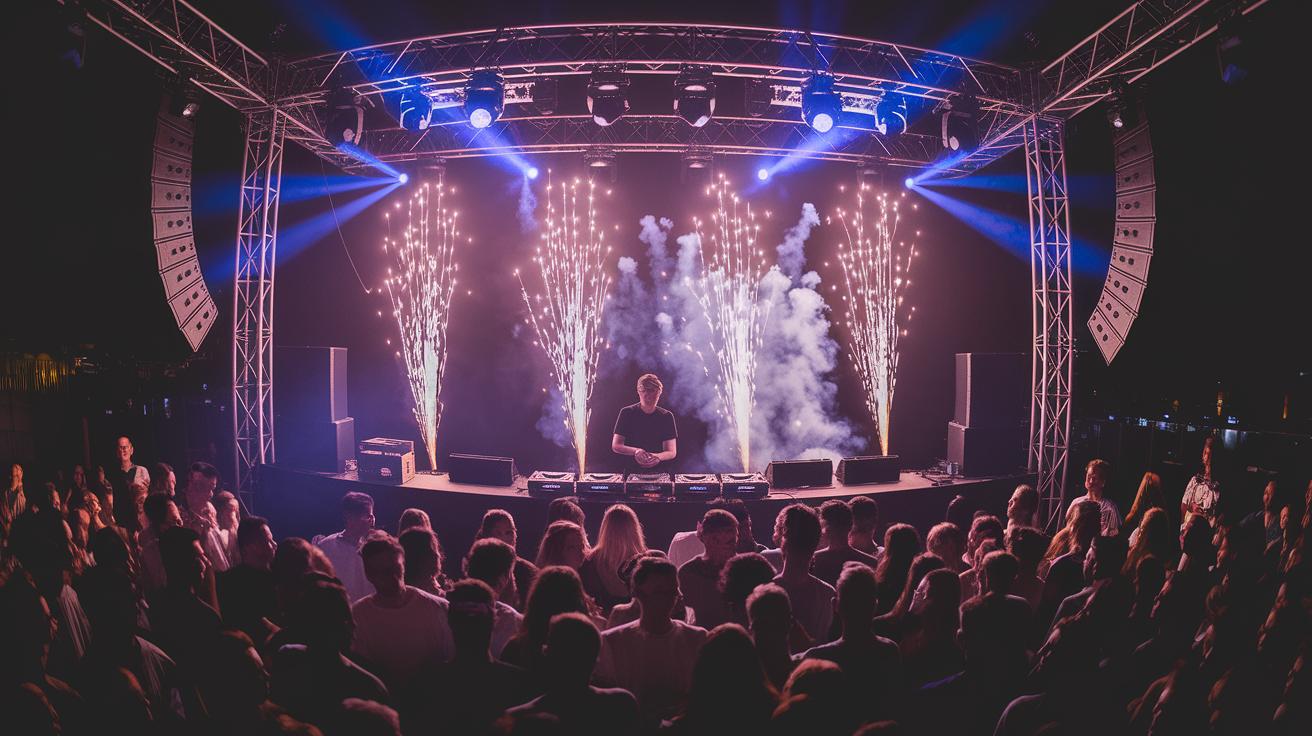
Chris Lake and Disclosure’s summer track "one2three" (feat. Leven Kali) kicks off the party with a burst of energy. The steady beat and smart, chopped vocals build up slowly, teasing you like a series of light sparks before exploding into a drop that makes you feel the thrill in every beat. It’s like watching fireworks light up the night sky.
Levity’s "Snack Pack Vol. 1" EP drops five bass-heavy tracks that redraw the modern club vibe. Each song is built around tight beats and deep, rumbling bass drops that draw you into the rhythm of the dance floor. You can almost feel the pulse of the music as each smooth transition keeps the energy high from start to finish.
Martin Garrix and Matisse & Sadko’s "Butterflies" wraps a smooth melody in a cool urban vibe. The track mixes soft, fluttering synth sounds with a grounding, punchy beat that feels like watching a painter blend colors into a vibrant picture. It’s a mix that feels both delicate and bold, perfectly balanced for an unforgettable experience.
Flux Pavilion and Habstrakt’s cinematic house single "Stay With The Tempo" offers an immersive sound adventure. It builds emotion slowly, pausing at just the right moments before dropping into a powerful, almost movie-like scene of sound. It’s like stepping into a live film, where every note pulls you deeper into the moment.
SLANDER and HALIENE take on a classic with their moving cover of "Save Tonight," adding fresh electronic twists that make the old tune feel brand new. And then there’s Tape B and Effin’s remix of Amy Winehouse’s "Back to Black," where soulful vocals meet modern, punchy beats. Both tracks rework familiar melodies into exciting soundscapes that invite you to listen in a whole new way.
Future Trends in Electronic Dance Music
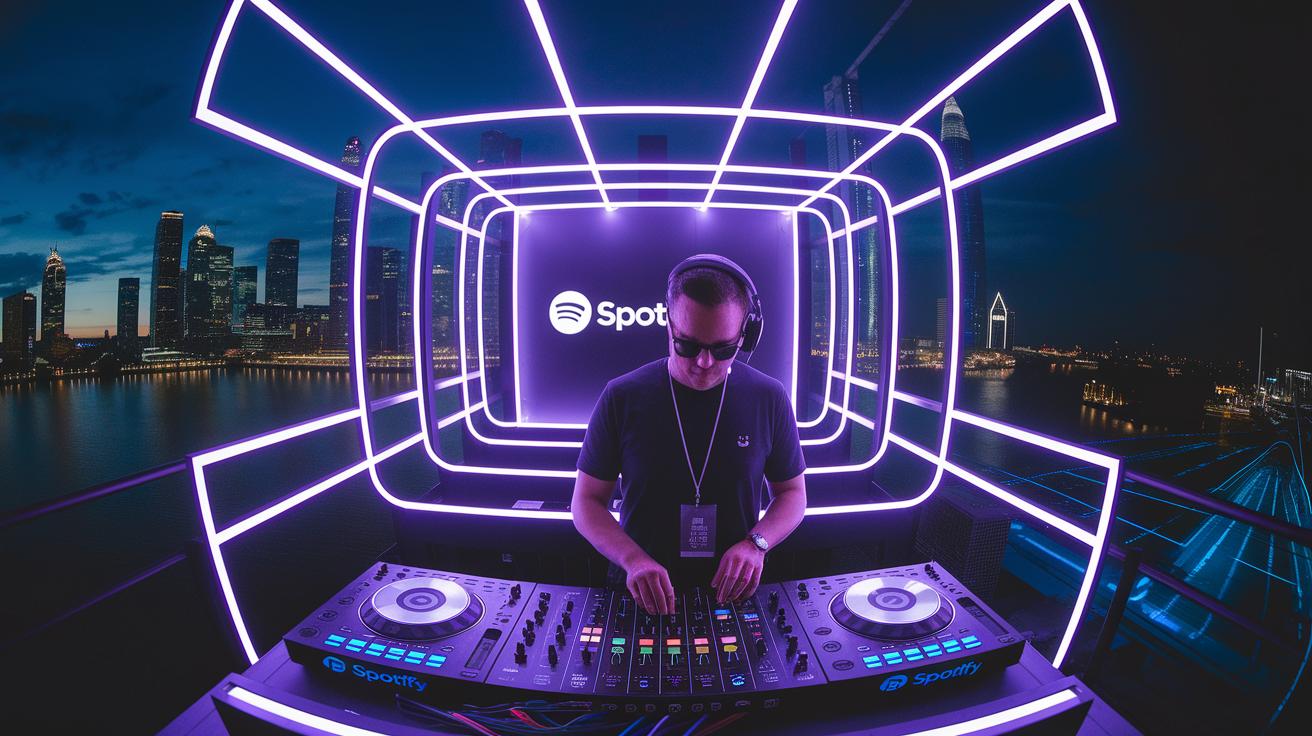
The world of electronic dance music is shifting fast, and it's changing the way we enjoy sound and live shows. DJs are linking Rekordbox with Spotify libraries, which lets them mix live beats with their own favorite tracks. Imagine a DJ who can change songs on the fly, perfectly matching the crowd’s energy, almost like they’re directing a live orchestra of beats.
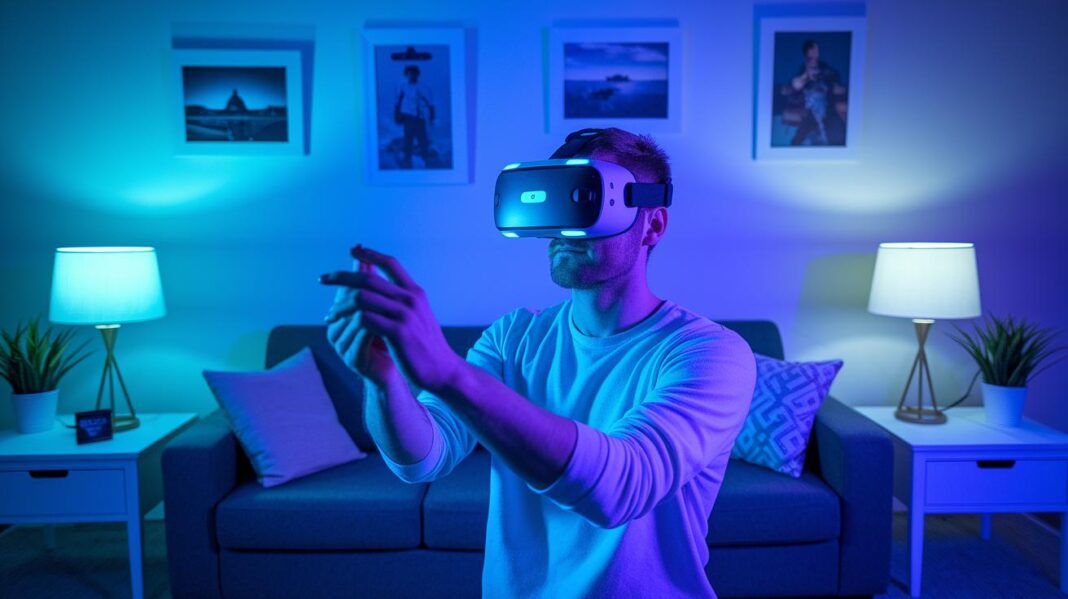
New tech is also opening up virtual stage experiences that mix real-life and digital magic. Think about attending a festival that feels both like being in an amazing concert hall and stepping into a futuristic world. Recently, fans at a virtual show wore VR headsets, making them feel like they were dancing alongside glowing avatars in a vibrant digital city.
Spotify is also playing a big role by enforcing rules that target AI-generated tracks. This move helps keep human creativity in the mix. With changes in legal rules and festival production, labels, promoters, and artists are rethinking how they share music with fans. These combined trends are slowly redefining what we expect from a live show and digital sound experience.
Final Words
In the action, this article broke down the roots and evolution of a sound that has rocked dance floors worldwide. It walked us through the early disco vibes of the 70s to the modern approaches in home studios and festival shows.
We explored diverse subgenres, creative production steps, and the live performance energy that shapes every set. Every detail adds up to a full picture of electronic dance music that continues to excite and innovate.
FAQ
What are some well-known electronic dance music genres?
The electronic dance music genres include house, techno, trance, dubstep, and future house. Each style offers its own energetic beat and sound that can light up clubs and festivals.
Where can I download and stream EDM, and what is the best party playlist?
You can download or stream EDM on platforms like YouTube, where curated playlists and party mixes abound. Online music blogs and streaming services often feature top EDM party playlists for a lively vibe.
Who are popular electronic dance music artists?
Popular electronic dance music artists, such as Martin Garrix, Zedd, and deadmau5, create energetic tracks that power dance floors and festivals worldwide, continually inspiring fans with fresh beats.
What are some classic EDM examples, including 90s tracks?
Classic EDM examples include memorable tracks from the 90s alongside iconic tunes that helped shape the genre. These examples capture the early spirit and energy that still inspires today’s sound.
What is electronic dance music called and how is it often referred to?
Electronic dance music is commonly known as EDM, a broad term that covers various electronic styles designed to get crowds moving at clubs and large festival events.
What does an electronic dance music crossword involve?
An electronic dance music crossword features clues on essential EDM terms, artist names, and iconic tracks. It offers a fun challenge and a way to celebrate your knowledge of the genre.